
Choosing between a foldable and a roll-up portable baby changing mat comes down to how you navigate your daily outings, the size of your diaper bag, and your preferred cleaning routine. Foldable mats rely on a panel-based structure that creases along pre-defined lines, often doubling as a self-contained clutch with pockets for diapers and wipes. Roll-up mats utilize flexible, continuous materials that secure into a cylindrical shape, offering a highly malleable form that can squeeze into tight spaces.
While both styles serve the essential purpose of providing a clean, dedicated surface for diaper changes on the go, they cater to different parenting styles. A parent who frequently changes their baby in public restrooms with limited counter space may prefer the structured, quick-deploying nature of a foldable mat. Conversely, a caregiver who prioritizes lightweight travel and uses a compact backpack might find the flexible, space-saving roll-up design more practical.
To find the right fit for your routine, you must evaluate how each design handles physical transport, fits into your existing gear, and holds up to the realities of messy cleanups. This guide breaks down the structural differences, storage compatibility, and daily usability of both styles to help you make an informed decision.
Products mentioned in this guide
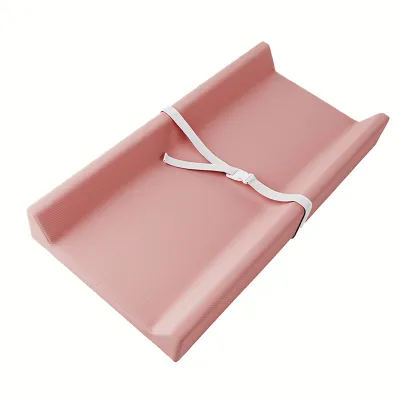
Prices are valid at publication and may change. Please refer to the product page for the latest price.
Design and Portability: Comparing the Carry Experience
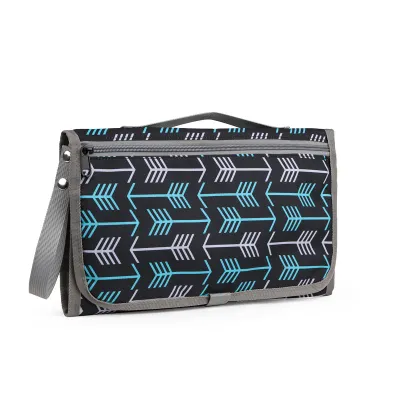
The physical structure of a portable changing mat dictates how you carry it when your hands are already full. Foldable mats are engineered with distinct, semi-rigid panels that fold flat against one another. This panel-based design allows the mat to maintain a consistent, rectangular shape when closed, resembling a small briefcase or clutch. Many foldable models feature integrated carry handles, wrist straps, or even shoulder straps, allowing you to carry the mat independently without needing to pack a larger diaper bag for quick trips.
This rigid or semi-rigid structure provides a stable platform when unfolded, which can be particularly helpful when placing the mat on uneven or soft surfaces. However, the built-in panels mean the mat has a fixed minimum footprint; you cannot compress it beyond its designated folded dimensions. When checking manufacturer specifications, pay close attention to the folded thickness, as some models with thick padding or integrated storage pockets can become quite bulky even before you add diapers and wipes.
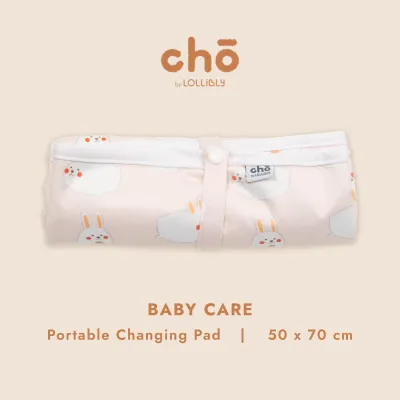
Roll-up mats offer a completely different physical experience, relying on flexible, unstructured materials like padded fabric, neoprene, or soft silicone. Instead of folding along rigid seams, these mats roll into a tight cylinder, secured by elastic straps, snap fasteners, or tie closures. This cylindrical shape is highly adaptable, allowing you to compress the mat to fit the remaining space in your bag.
Because they lack internal rigid panels, roll-up mats are often lighter and less bulky than their foldable counterparts. They are designed to conform to the shape of whatever they are pressed against, making them highly versatile for packing. However, they rarely feature independent carrying straps or built-in storage pockets, meaning you will almost always need to carry them inside another bag or attach them using external clips. Before purchasing, verify the weight and rolled diameter listed by the manufacturer to ensure it matches your physical carrying preferences.
Storage and Space: Fitting the Mat Into Your Diaper Bag
Before choosing a style, measure the interior compartments and pockets of your primary diaper bag to ensure a seamless fit. Foldable mats, with their flat, rectangular profiles, slide easily into dedicated laptop sleeves, large back pockets, or the main compartment of structured diaper backpacks. If your diaper bag is already packed tightly, a foldable mat can act as a divider, keeping other items organized, but its rigid edges may prevent you from closing the bag if the compartment is too shallow.

Stroller storage is another critical factor to consider during your daily walks. Foldable mats with integrated straps can often hang directly from a stroller handlebar, keeping changing essentials within arm’s reach without taking up valuable basket space. If you prefer to store your gear underneath, a flat foldable mat can lie flat at the bottom of the stroller basket, leaving the upper space free for shopping bags or toys.
Roll-up mats excel when space is unpredictable or highly constrained. Their cylindrical shape allows them to slip into side bottle pockets, slide vertically into the corners of a backpack, or tuck into the curved spaces of a crowded stroller basket. If you use a smaller tote or a compact crossbody diaper bag, a roll-up mat can be squeezed and compressed to fit into awkward gaps that a rigid foldable mat simply cannot accommodate.
At home, storage habits should also influence your choice. Foldable mats can be stacked neatly on changing table shelves, slid into shallow dresser drawers, or tucked alongside a crib. Roll-up mats, on the other hand, are easy to hang from wall hooks by their closure loops or store upright in decorative baskets. Consider where the mat will live when you are not on the go, and choose the shape that integrates best with your home organization system.
Daily Use: Setup Speed, Comfort, and Cleaning
When you are managing a squirming baby in a public restroom, every second counts, making setup speed a primary usability concern. Foldable mats often feature magnetic closures or simple hook-and-loop tabs that can be undone with one hand while you hold your baby with the other. The panel design allows the mat to snap open quickly and lie flat immediately, without curling at the edges.
Roll-up mats can sometimes require two hands to unroll and secure, especially if they use tie closures or tight elastic bands. Because they are stored in a rolled position, some materials may retain a slight curl when first laid down, requiring you to smooth them out or use your baby’s weight to keep the edges flat. If you frequently find yourself changing diapers alone in fast-paced environments, test the unfolding mechanism of your chosen model to ensure it supports a swift, one-handed setup.
Baby comfort is heavily dependent on padding thickness and surface area, both of which vary widely across brands and must be verified via product labels. Foldable mats often feature zoned padding, with extra cushioning concentrated around the headrest area. Roll-up mats tend to have uniform padding throughout, which can range from thin, lightweight fabric to thick, plush foam. Always check the manufacturer’s dimensions to ensure the mat is long and wide enough to accommodate your baby’s current growth stage, keeping in mind that some compact mats are designed primarily for newborns and younger infants.
Cleaning and maintenance routines are where these two styles diverge significantly. Many foldable mats are designed with waterproof, wipe-clean surfaces like polyurethane or treated polyester, allowing you to sanitize the mat instantly with a baby wipe after a messy change. Roll-up mats are frequently made from machine-washable fabrics, which offer a softer, warmer feel against your baby’s skin but require a full laundry cycle if they become soiled. Carefully read the specific care instructions on the product label, as some materials cannot survive a high-heat dryer or may lose their water-resistant properties over time.
Decision Framework: Which Style Fits Your Lifestyle?
To finalize your decision, evaluate your daily routine against this practical framework to see which style aligns with your parenting priorities.
Opt for a foldable changing mat if you prioritize structured support, rapid one-handed deployment, and the ability to carry your changing essentials without a separate diaper bag. This style is ideal for parents who frequently use public changing tables, prefer quick wipe-clean maintenance, and appreciate the organization of dedicated diaper and wipe pockets built directly into the mat.
Choose a roll-up changing mat if your primary goals are lightweight travel, flexible packing, and a softer, more fabric-like surface for your baby. This design is perfect for caregivers who use compact or unstructured diaper bags, have limited storage space, and do not mind tossing the mat into the washing machine for a thorough clean.
Before making any purchase, always verify the specific product dimensions, weight limits, and safety warnings on the manufacturer’s label. Ensure the materials used are free from harmful chemicals and check that the mat’s size is appropriate for your baby’s age and development stage. By matching the mat’s physical design to your daily habits, you can ensure a smoother, more comfortable changing experience for both you and your baby.
Frequently Asked Questions (FAQ)
Is a portable changing mat safe for all public surfaces?
A portable changing mat provides a clean barrier, but it does not guarantee absolute safety on public surfaces. Before placing your baby down, always inspect the changing table or surface for stability, cleanliness, and any sharp edges or hazards. Never leave your baby unattended on a changing mat, even for a second, as infants can roll or wiggle unexpectedly. Always follow the manufacturer’s guidelines regarding weight limits and safe usage environments to prevent falls or injuries.
How can I verify the mat's padding and safety standards?
To verify the quality and safety of a portable changing mat, carefully examine the product labels, packaging, and official manufacturer descriptions. Look for clear material specifications, such as water-resistant coatings and non-toxic fabric certifications. Observe your baby’s comfort during use and ensure the mat provides adequate support on hard surfaces. Always adjust your usage based on the manufacturer’s stated age and weight guidelines, and stop using the mat if you notice any wear, torn seams, or exposed padding.

Community discussion
Share your experience or ask a question. Comments are reviewed before publication.