
Finding the right portable diaper changing mat depends on how you travel with your baby and where you expect to make changes. If you frequently use hard, uneven public benches, a structured foldable mat offers excellent stability. For parents prioritizing maximum cushioning on hard surfaces, an inflatable mat provides an adjustable air barrier, while a roll-up mat is the ultimate space-saver for quick trips with a compact diaper bag. Balancing these designs requires looking closely at your daily routine, stroller storage, and cleaning preferences.
Core Design Differences: Foldable, Inflatable, and Roll-Up Mats
Understanding the physical construction of each portable diaper changing mat style is the first step in deciding which one fits your lifestyle. Each design uses distinct materials and folding mechanisms that alter how the mat behaves when placed on different surfaces. Whether you are changing a diaper on a grassy park lawn, a hard plastic public changing table, or the back seat of a vehicle, the structural integrity of the mat directly impacts both your baby’s comfort and your ease of use.
Foldable Changing Mats
Foldable changing mats are constructed using segmented, semi-rigid panels that fold along pre-creased seams, allowing them to collapse into a flat, rectangular shape. These panels are typically padded with thin foam and encased in durable, water-resistant synthetic fabrics such as polyester or PEVA. Because of their rigid internal structure, foldable mats provide a highly stable, level surface that does not sag or conform to uneven ground. This makes them exceptionally reliable for bridging small gaps on slatted benches or rough outdoor surfaces, though their rigid panels mean they maintain a fixed, somewhat bulky footprint that cannot be compressed further.
Products mentioned in this guide
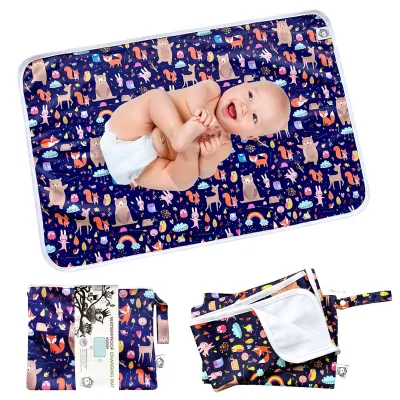
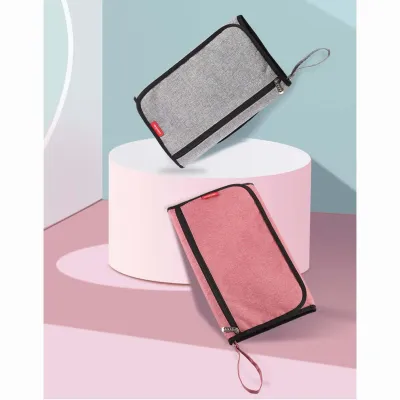
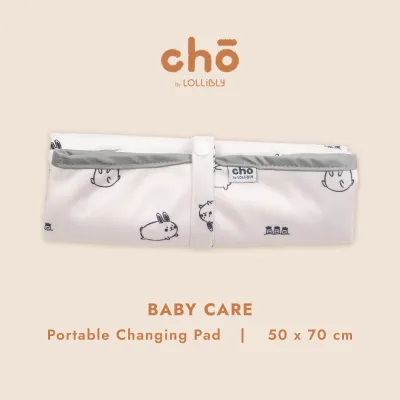
![[Bundle of 2] Foldable & Portable Waterproof Diaper Changing Mat Bamboo Charcoal 40cm x 70cm](https://img.lazcdn.com/g/ff/kf/Sff164728d3014663ad69d86c1b8123489.jpg_400x400q80.jpg_.webp)
![[Local Shop] Waterproof Portable Newborn Baby Diaper Changing Pad for travel](https://img.lazcdn.com/g/p/2ea1b591e9e49d2fc76d0279a5dfc59e.jpg_400x400q80.jpg_.webp)

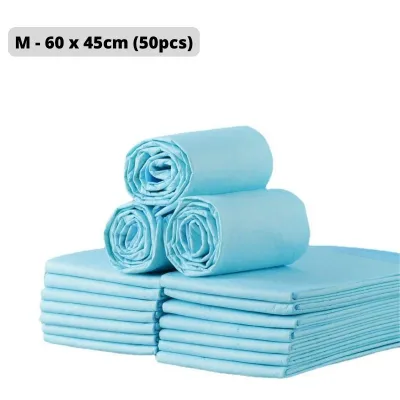
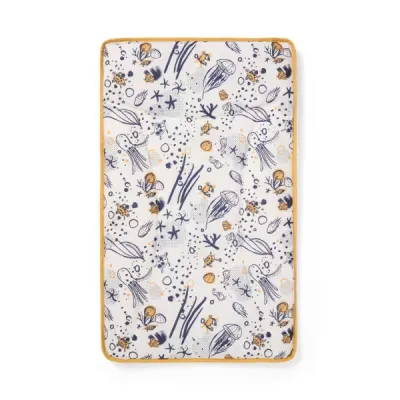
Prices are valid at publication and may change. Please refer to the product page for the latest price.
Inflatable Changing Mats
Inflatable changing mats feature integrated air chambers that must be inflated before use, either by mouth or through a built-in manual pump mechanism. They are constructed from thick, heavy-duty plastics or laminated fabrics designed to retain air pressure without leaking. When fully inflated, these mats create a thick, highly cushioned barrier that lifts your baby completely off the underlying surface, offering superior comfort on hard tile or concrete floors. When deflated, they can be rolled or folded into an incredibly compact size, though they require extra setup time and are susceptible to punctures from sharp objects in your diaper bag.
Roll-Up Changing Mats
Roll-up changing mats consist of a single, continuous sheet of flexible material padded with lightweight foam or quilted cotton. Instead of folding along rigid seams, these mats roll tightly into a cylindrical shape, secured by an elastic loop, a button strap, or an integrated storage pouch. Because they lack rigid panels or air valves, roll-up mats are highly flexible and can be squeezed into tight corners of a packed diaper bag or stroller basket. However, because their padding is relatively thin, they conform directly to the shape of the surface beneath them, requiring a flat, smooth base to provide adequate support.
Comparing Portability, Comfort, and Cleaning Ease
To determine which portable diaper changing mat is best for your daily routine, it is helpful to compare them across three essential practical dimensions: portability, comfort, and ease of cleaning. Each style presents distinct trade-offs that can make a significant difference during a hectic outing with your baby.

Portability is a major consideration for parents who are constantly on the move, especially when navigating public transport, narrow stroller aisles, or crowded spaces. Roll-up mats excel in flexibility, as their cylindrical shape allows them to slide easily into side pockets or clip onto the outside of a diaper bag. Inflatable mats offer the smallest storage footprint when fully deflated, making them excellent for long-distance travel where luggage space is limited, though the need to inflate and deflate them on the go can be inconvenient. Foldable mats are generally the bulkiest option, but many designs compensate for this by including integrated pockets for diapers, wipes, and creams, allowing them to function as a self-contained diaper clutch for quick trips.
Comfort and surface adaptability vary widely depending on the mat’s thickness and rigidity. Inflatable mats provide the most substantial cushioning, making them the preferred choice if you frequently have to change your baby on hard, cold, or uncomfortable surfaces like stone benches or tile floors. Foldable mats offer a firm, flat surface that keeps your baby level and secure, which is particularly helpful for older, active infants who attempt to roll over during changes. Roll-up mats offer minimal cushioning, making them less suitable for rough or hard ground, but they are perfectly adequate for quick changes on carpeted floors, grass, or pre-padded public changing tables.
Ease of cleaning is critical for maintaining hygiene, particularly in warm, humid climates where bacteria and mold can develop quickly. Foldable mats often feature smooth, waterproof surfaces that can be wiped clean in seconds, but their folding seams and stitched crevices can trap moisture and liquid waste if not dried carefully. Inflatable mats are also easy to wipe down, though caregivers must pay close attention to the area around the inflation valve where dirt and moisture can accumulate. Roll-up mats frequently feature machine-washable fabric covers; while this allows for a thorough deep clean, it also means the mat cannot be reused immediately if it becomes soiled during an outing, requiring you to carry a backup or wait for it to dry.
| Feature | Foldable Mats | Inflatable Mats | Roll-Up Mats |
|---|---|---|---|
| Portability | Moderate (flat but rigid footprint) | High (very compact when deflated) | High (flexible, easily rolled) |
| Cushioning | Moderate (firm, structured support) | High (thick, adjustable air barrier) | Low to Moderate (thin foam or quilting) |
| Surface Adaptability | High (bridges uneven or slatted surfaces) | Moderate (requires stable base to prevent tipping) | Low (conforms to the hard ground below) |
| Cleaning Effort | Easy wipe-clean; check seams for moisture | Easy wipe-clean; check valve area | Machine washable or wipe-clean; dry time varies |
| Setup Time | Instant (unfolds in seconds) | Moderate (requires inflation/deflation) | Quick (unrolls and straps easily) |
How to Choose the Right Mat for Your Routine
Selecting the ideal portable diaper changing mat involves matching the design’s strengths to your typical outing habits and storage preferences. There is no single style that suits every family, so identifying your primary environment is key.
Choose a foldable mat if you frequently change diapers on uneven, hard, or outdoor public surfaces and prioritize structured support for your baby. If you often find yourself using wooden park benches, the back seat of your car, or public facilities without dedicated changing tables, the rigid panels of a foldable mat will provide a stable, level platform. This style is also excellent for parents who want a quick, grab-and-go solution, as many foldable mats feature built-in pockets that hold all your changing essentials in one neat package.
Choose an inflatable mat if maximum cushioning is your top priority and you do not mind taking a few extra moments for setup. This style is highly suited for travel, long day trips, or situations where you anticipate changing your baby on hard tile floors or concrete surfaces. The adjustable air barrier ensures your baby remains comfortable regardless of how hard the ground is, and the compact deflated size means it won’t take up valuable space in your luggage when not in use.
Choose a roll-up mat if you need the most lightweight, flexible, and compact option for quick changes in clean, pre-padded environments. If you primarily visit modern shopping malls with well-equipped parenting rooms or friends’ houses with carpeted floors, a roll-up mat provides a simple, hygienic barrier that takes up minimal space in your diaper bag. This style is also ideal if you prefer the soft feel of machine-washable fabrics over synthetic, wipe-clean plastics.
Before purchasing any portable diaper changing mat, always verify its folded or rolled dimensions against the internal compartments of your diaper bag or stroller organizer. A mat that is too wide or bulky can make packing frustrating and limit the space available for other essentials like bottles, spare clothes, and toys. Checking these measurements beforehand ensures your chosen mat integrates seamlessly into your daily travel routine.
Safety, Hygiene, and Maintenance Boundaries
Ensuring your baby’s safety and maintaining proper hygiene are the most critical aspects of using any portable diaper changing mat. Because these mats are used in a variety of public and outdoor environments, establishing a consistent safety and cleaning routine is essential.
First and foremost, caregivers must understand that no portable changing mat can prevent a baby from rolling or falling. Active infants can move suddenly, and elevated surfaces like public changing tables, benches, or beds present a significant fall risk. Never leave your baby unattended on a changing mat, even for a split second, and always maintain physical contact with your child throughout the entire changing process. If you are using an inflatable mat, ensure it is placed on a flat, stable surface to prevent it from tipping or sliding when the baby moves.
Hygiene maintenance requires regular inspection, especially in warm, humid climates where mold, mildew, and bacteria can multiply rapidly. For foldable mats, carefully inspect the creased seams and stitching after each use, as trapped moisture can easily lead to mold growth if the mat is folded and stored while damp. If you use an inflatable mat, regularly check the air valve for dirt buildup and ensure it seals tightly to prevent slow leaks during a change. For roll-up mats, always ensure the inner padding and fabric layers are completely dry before rolling and securing the mat for storage.
Always consult the manufacturer’s guidelines for specific weight limits, age recommendations, and approved cleaning agents. Some materials can degrade, lose their water-resistant coatings, or release unpleasant chemical odors if cleaned with harsh disinfectants or exposed to high heat in a washing machine or dryer. Additionally, verify whether the manufacturer warns against using the mat on specific elevated surfaces, and always prioritize changing your baby on a clean spot on the floor if a secure, flat changing station is unavailable.
Frequently Asked Questions (FAQ)
Can I use a portable changing mat on a public changing table?
Yes, using a portable diaper changing mat on a public changing table is highly recommended to create a clean, hygienic barrier between your baby and a shared surface. Before placing the mat down, verify that the public table is stable, clean, and rated for your baby’s current weight. Never rely on the table’s safety straps or the mat’s grip to hold your baby secure. Keep one hand on your baby at all times, as public changing tables are elevated and present a significant fall risk if the child is left unattended for even a moment.
How do I prevent mold on a foldable changing mat?
To prevent mold and mildew on a foldable changing mat, always wipe it down with a baby-safe disinfectant or mild soapy water immediately after use, paying close attention to the creased seams. Before folding the mat back up for storage, allow it to air dry completely in a well-ventilated area. In humid climates, avoid leaving a damp mat sealed inside a diaper bag for extended periods. Periodically unfold the mat at home and let it air out in dry conditions to ensure no moisture remains trapped in the fabric layers or stitching.

Community discussion
Share your experience or ask a question. Comments are reviewed before publication.