
Quick Answer: Which Travel Potty Type is Right for You?
Embarking on a family trip during the potty-training phase requires a strategic approach to managing your toddler’s sudden bathroom emergencies. Maintaining consistency while on the move is a major developmental milestone for toddlers, but it presents a unique set of challenges. Whether you are navigating a bustling shopping mall, embarking on a family flight, or taking a weekend road trip, having a reliable potty solution is essential to prevent training regression. The decision between a foldable reusable travel potty and a disposable travel potty hinges on three main factors: how often your family travels, the typical duration of your outings, and your access to clean water for washing.
Foldable reusable travel potties are generally the superior choice for frequent travelers, families who enjoy long outdoor road trips, and those who prioritize long-term cost savings and environmental sustainability. On the other hand, disposable travel potties offer unmatched convenience for occasional flyers, short day trips, or high-pressure situations where cleaning a reusable frame is physically impossible. Rather than searching for a single universal winner, parents should evaluate how each option fits into their specific travel habits and their child’s unique comfort levels.
Foldable Reusable Travel Potties: Features and Best Scenarios
Foldable reusable travel potties are engineered to provide a durable, long-lasting solution for toilet training on the go. Typically constructed from high-quality, BPA-free plastics or collapsible medical-grade silicone, these potties are designed to fold down into a compact, flat profile that fits easily into a backpack or stroller basket. Many models feature dual-functionality: they can be set up as a standalone potty with a disposable liner bag, or the legs can fold flat outward to serve as a toilet training seat reducer on top of standard adult public toilets.
Products mentioned in this guide
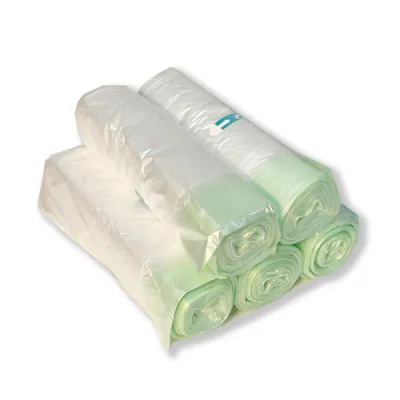
![[SG Stock] Baby Foldable Travel Potty Seat Kids Fodling Toilet Training Seat 12M+](https://img.lazcdn.com/g/p/b7242f67fbb9b3f1ec1e2753750fe534.jpg_400x400q80.jpg_.webp)

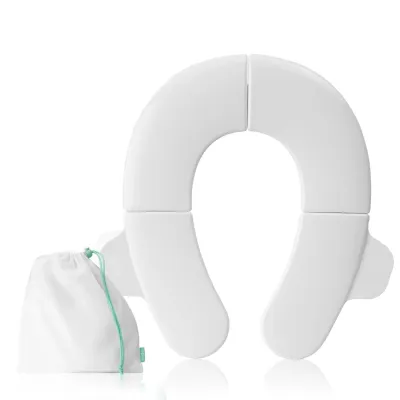
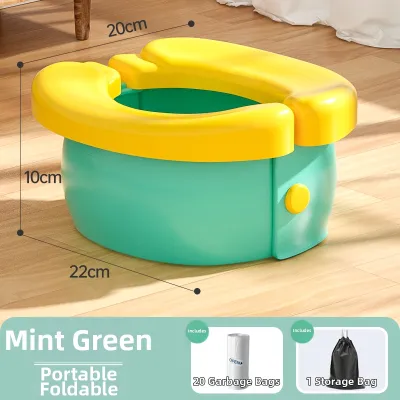

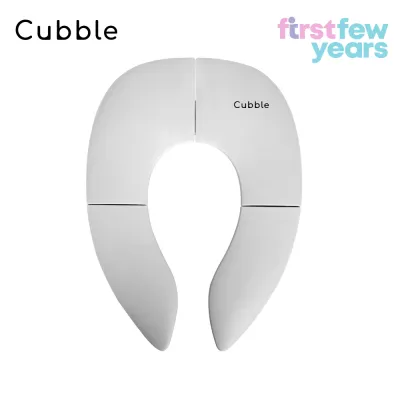
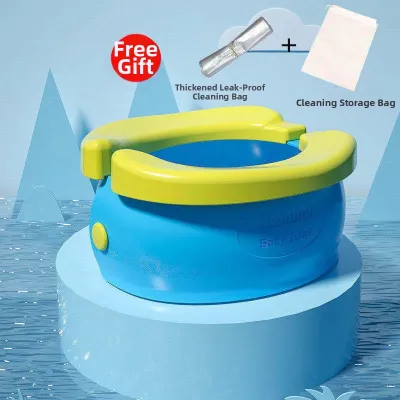
Prices are valid at publication and may change. Please refer to the product page for the latest price.

The primary advantage of a foldable reusable potty is its robust, sturdy construction. Toddlers are highly sensitive to changes in their environment, and a stable, solid seat that mimics their home potty helps them feel secure, significantly reducing toilet anxiety and refusal. From a financial perspective, although the initial purchase price of a reusable potty is higher, it is highly cost-effective over time because you only need to purchase replacement liners. Furthermore, using reusable frames with biodegradable liners dramatically reduces the amount of plastic and cardboard waste sent to landfills, making it the more environmentally responsible choice.
However, these potties do come with practical limitations that parents must consider. The most significant trade-off is the requirement for ongoing maintenance; even when using leak-proof liners, the plastic frame or silicone walls can occasionally become soiled and must be thoroughly wiped down and sanitized after each use. They are also inherently bulkier and heavier than disposable cardboard options, meaning they occupy more space in your diaper bag. Additionally, you must always ensure you have a steady supply of compatible liner bags or plastic bags on hand, along with an absorbent pad to manage liquid waste.
These potties are best suited for families who frequently embark on road trips, go camping, or spend long days outdoors at places like East Coast Park or the Singapore Botanic Gardens, where public restrooms may be far apart or crowded. They are also ideal for hotel stays or visits to relatives’ homes where a reliable, familiar potty setup is needed for several days.
When using a foldable reusable potty, safety and proper setup are paramount. Parents must always check the manufacturer’s specified weight limit to ensure it can safely support their growing child. Always place the potty on a flat, solid, and non-slip surface—such as a paved path or a flat patch of grass—to prevent the unit from tipping over. Never leave your child unattended on a travel potty, and always supervise them closely to ensure they do not shift their weight abruptly and cause the frame to collapse.
Disposable Travel Potties: Features and Best Scenarios
Disposable travel potties are designed with a single goal in mind: maximum convenience and zero cleanup. These single-use toilets are usually constructed from lightweight, interlocking cardboard panels or thin, recyclable plastic frames that fold completely flat, often measuring no thicker than a children’s storybook. They come pre-packaged with an integrated, leak-proof plastic liner bag and a highly absorbent pad inside, which is designed to quickly solidify liquid waste and minimize odors.
The most compelling benefit of a disposable potty is its absolute convenience. Once your child has finished using the potty, you simply tie the handles of the integrated bag and dispose of the entire unit in the nearest trash bin. This completely eliminates the need to carry sanitizing sprays, wet bags, or soiled reusable frames with you. Because they fold completely flat and weigh next to nothing, they can be easily slipped into a diaper bag pocket, a stroller organizer, or even a large jacket pocket, making them the ultimate space-saving solution.
Despite their convenience, disposable potties have several notable drawbacks. The recurring cost is a major factor; purchasing multiple single-use potties for a long trip or daily outings can quickly become expensive. They also generate a significant amount of single-use waste, which may run counter to a family’s environmental values. Structurally, cardboard potties are far less robust than their plastic counterparts; they can wobble, flex, or even buckle under the weight of an older or heavier toddler. Additionally, the unfamiliar texture of cardboard and the lack of a contoured seat can make some children feel insecure, leading to potty refusal during critical moments.
Disposable potties are highly recommended for air travel, where cabin space is extremely limited and washing a reusable potty in an airplane lavatory is highly impractical. They are also excellent for crowded events, theme parks, or as an emergency backup tucked away in the boot of your car or taxi bag for unexpected traffic jams.
Before relying on a disposable potty, parents must carefully verify the manufacturer’s recommended weight limits and the liquid absorption capacity printed on the packaging. Because cardboard can lose its structural integrity if it becomes wet or if the child moves excessively, close caregiver supervision is mandatory during use. Ensure the interlocking tabs are fully engaged and locked into place before allowing your child to sit down.
Head-to-Head Comparison: What Matters Most on the Road
To help you weigh the trade-offs between these two travel potty types, let us compare them across the key dimensions that matter most when you are away from home.
| Feature | Foldable Reusable Potty | Disposable Potty |
|---|---|---|
| Portability & Weight | Moderately compact; heavier due to plastic/silicone frame. | Ultra-lightweight; folds completely flat like a book. |
| Setup Time | Quick; requires unfolding legs or popping up silicone walls. | Extremely fast; unfolds and locks into place in seconds. |
| Cleaning & Hygiene | Requires wiping/sanitizing the frame; liners must be tied and discarded. | Zero cleaning; the entire unit is bagged and thrown away. |
| Cost Over Time | Higher upfront investment, but highly economical for long-term use. | Low upfront cost per unit, but expensive over cumulative uses. |
| Environmental Impact | Low; reusable frame with minimal waste from liners. | High; generates single-use cardboard and plastic waste. |
| Structural Stability | High; sturdy plastic/silicone supports active toddlers safely. | Moderate to low; lightweight cardboard may wobble or buckle. |
When analyzing portability and weight, foldable reusable potties require a dedicated space in your luggage. While they fold relatively flat, their plastic or silicone components still carry physical volume and weight, typically ranging from 500 to 800 grams. Disposable potties, by contrast, are virtually weightless and can easily slide into the slim pockets of a diaper bag or stroller organizer, making them highly convenient for parents who are already carrying heavy gear.
Setup time is another critical factor when a toddler suddenly announces they need to use the toilet. Foldable potties usually require a few seconds to unfold the legs until they click into place or to extend the silicone bowl. Disposable potties can be assembled almost instantly, though some cardboard models require you to slot interlocking tabs together, which can occasionally be tricky if you are in a rush or operating in a dimly lit environment.
Hygiene management on the road requires very different approaches for each type. Foldable reusable potties demand a dedicated cleaning routine. Even when a liner bag is used, splashes can occur on the seat or legs, meaning you must carry sanitizing wipes or a small bottle of disinfectant spray to clean the frame before packing it back into your bag. In contrast, disposable potties bypass the cleaning process entirely. However, they require immediate access to a waste disposal bin, as you cannot easily carry a soiled, fully assembled cardboard structure with you once it has been used.
The financial and environmental costs over time present a clear contrast. A foldable reusable potty represents a one-time upfront purchase, and generic or biodegradable liners are relatively inexpensive. Disposable potties are sold in packs, making each individual use significantly more expensive. Over several months of active potty training, the cumulative cost of disposables can become substantial, and the volume of single-use cardboard and plastic waste generated can be a significant drawback for eco-conscious families.
Match Your Travel Style: The Final Decision Framework
Choosing the right travel potty is not about finding the absolute best product on the market, but rather finding the one that aligns with your family’s specific travel patterns and your child’s temperament. Use this decision framework to guide your purchase:
Choose a Foldable Reusable Potty if:
- You travel frequently by car, take regular road trips, or enjoy outdoor activities like camping and picnics.
- You have multiple children who will go through potty training, making a durable, long-term investment highly practical.
- You want to minimize your environmental footprint and avoid contributing to single-use landfill waste.
- Your child is highly sensitive to potty stability and requires a seat that feels identical to their home training toilet.
Choose a Disposable Potty if:
- You travel primarily by air, where minimizing luggage weight and bulk is your top priority.
- You need a compact, emergency-only backup potty to keep in your car boot, stroller basket, or handbag for unexpected emergencies.
- You are visiting destinations where access to clean water or private restrooms for cleaning a reusable frame is highly restricted.
- You only plan to travel occasionally during the short window of your child's potty-training phase.
Consider a Hybrid Approach if: Many families find that combining both methods offers the ultimate flexibility. You can purchase a sturdy foldable reusable potty frame for daily use and road trips, but pair it with highly absorbent disposable liners for quick, mess-free cleanups. For long flights or international vacations, you can pack a couple of flat-packed disposable potties in your carry-on luggage as a lightweight backup plan.
Verify and Test First: Regardless of which option you choose, always verify your child’s comfort level before your trip. Toddlers are creatures of habit and can easily become anxious when asked to use a new potty in an unfamiliar environment. Set up the travel potty in your living room or bathroom at home a few weeks before your trip. Let your child practice sitting on it, first with their clothes on and then during their normal potty routine, to ensure they are comfortable with the height, stability, and texture.
Practical Tips for Using a Travel Potty Away from Home
Using a travel potty away from home requires preparation to ensure hygiene and reduce stress. First, assemble a dedicated “potty kit” in a small, waterproof wet bag. This kit should contain flushable or wet wipes, hand sanitizer, spare disposable liners, and small scented diaper sacks or odor-neutralizing sprays. Keeping these essentials organized ensures you are never scrambling when your toddler announces an urgent need to go.
Second, introduce the travel potty at home several days before your departure. Let your child sit on it during their usual potty times, perhaps while reading a book or watching a favorite video. This builds positive familiarity and reduces travel-day anxiety or resistance in unfamiliar public settings.
Third, always empty and clean the potty promptly. In confined spaces like a rental car, a hotel room, or a public transit vehicle, odors can build up rapidly. Prompt disposal of liners and a quick wipe down of the reusable frame will maintain a hygienic environment for everyone.
Frequently Asked Questions (FAQ)
At what age is a child ready for a travel potty?
A child’s readiness for a travel potty depends on developmental milestones rather than a strict chronological age. Most children begin showing signs of readiness between 18 months and 3 years of age. Look for behavioral cues such as staying dry for two hours or more, communicating the need to urinate or defecate, and showing interest in using the toilet. If you are unsure about your child’s physical or developmental readiness, consult your pediatrician for personalized guidance.
Can I use standard disposable liners in a foldable potty?
Yes, many foldable travel potties are compatible with standard small plastic bags or grocery bags, which can serve as a cost-effective alternative to brand-specific liners. However, you must verify that the bag fits securely over the potty’s rim without slipping or leaving gaps that could lead to leaks. To prevent messes, place an absorbent pad, a folded paper towel, or a piece of clean diaper material inside the bag to solidify liquid waste, and always check the potty manufacturer’s guidelines regarding liner compatibility.
Community discussion
Share your experience or ask a question. Comments are reviewed before publication.