
A foldable toddler cot offers a practical solution for families who travel frequently or need a temporary sleeping arrangement. However, because these cots are designed to collapse, their structural integrity and safety features require closer inspection than those of a permanent crib. Ensuring your child has a secure sleeping environment means understanding the specific safety certifications, mechanical standards, and physical dimensions that prevent accidents.
The portable nature of these products introduces unique mechanical risks, such as accidental frame collapse, finger entrapment in folding hinges, and suffocation hazards from ill-fitting mattresses. By learning how to identify valid safety certifications and conduct thorough physical inspections, you can confidently select and maintain a cot that keeps your toddler safe during sleep.
Identifying Valid Safety Certifications
Before purchasing or using a foldable toddler cot, it is essential to verify that the product complies with recognized safety standards. These certifications are verifiable proof that the cot meets specific structural and chemical safety requirements. Legitimate manufacturers subject their products to rigorous testing to ensure they can withstand daily use without posing a hazard.
Products mentioned in this guide

![[SG SELLER] BABY BED FOLDABLE PORTABLE LOUNGER NEST BED COT Baby Separated Bed Baby Cot Newborn Sleeper Sleep By Your Side](https://img.lazcdn.com/g/p/c41c8927ef30d1f6f6a1d479daeb9c05.jpg_400x400q80.jpg_.webp)
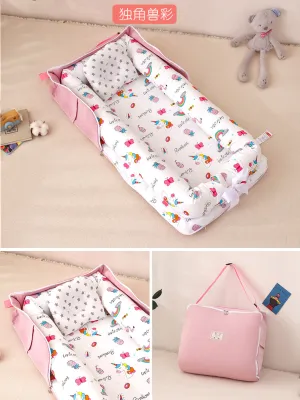
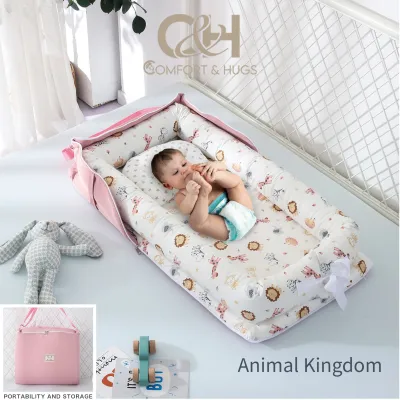

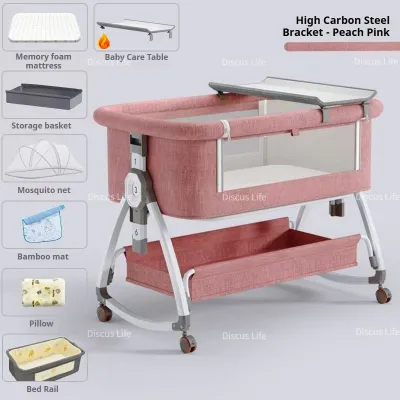
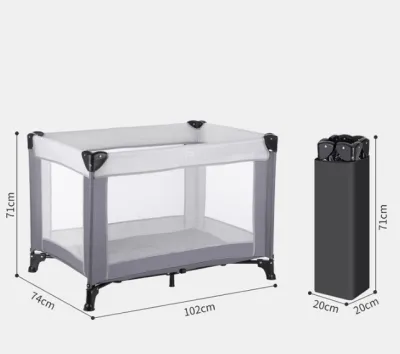
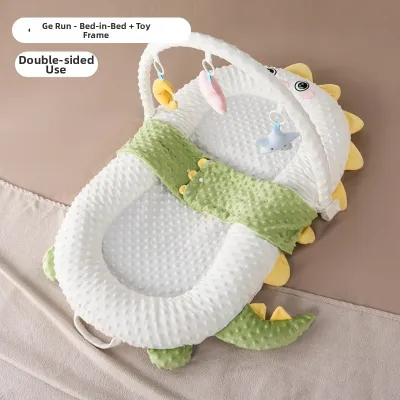
Prices are valid at publication and may change. Please refer to the product page for the latest price.
To verify these claims, start by locating the physical certification labels on the product itself. Manufacturers typically print or permanently affix these labels to the underside of the cot base, on the inner fabric lining, or directly onto the metal frame legs. You should also find corresponding certification marks on the product packaging and within the user manual.
Once you locate a certification mark, you can cross-reference it with official databases maintained by regulatory bodies or standards organizations. Many of these organizations provide public online registries where you can input the manufacturer’s name, model number, or registration code to confirm that the certification is active and valid.
It is important to recognize that regional safety standards vary, and a cot manufactured for one market may follow different guidelines than one intended for another. For instance, European standards (such as EN standards) and American standards (such as ASTM) have distinct testing protocols for stability, strength, and material toxicity. When purchasing a cot, check the manufacturer’s documentation to verify which specific regional standards the product complies with, ensuring it meets the safety expectations of your local regulatory environment.
Evaluating Locking Mechanisms and Folding Hinges
A secure locking system is vital to prevent the cot from accidentally collapsing while your child is inside. When inspecting a foldable toddler cot, pay close attention to how the frame locks into place and how the hinges operate.

Look for cots equipped with dual-action or child-resistant locking mechanisms. A dual-action lock requires two distinct, consecutive physical movements to disengage, such as pressing a button while simultaneously sliding a collar. This design ensures that a curious toddler cannot accidentally trigger the release mechanism from inside the cot, and it prevents the frame from unlocking if it is bumped or jarred from the outside.
In addition to the locks themselves, examine the hinges and moving joints of the frame. These areas can pose a severe risk of finger pinching or entrapment if they are left exposed. High-quality foldable cots feature shielded hinges, often covered by durable fabric sleeves, plastic guards, or recessed designs that keep little fingers away from moving parts. Ensure these protective covers are intact, securely attached, and free from cracks or wear.
Finally, test the overall rigidity of the frame once it is fully deployed and locked. Shake the cot gently from side to side and end to end to check for excessive wobble or loose joints. A safe foldable cot should remain entirely rigid and stable when locked, with no noticeable play in the frame. If the frame feels flimsy, sags, or wobbles significantly, the locking mechanisms may not be fully engaging, or the structural integrity of the cot may be compromised.
Checking Gap Sizes and Mattress Fit
In a foldable cot, hazards often arise from improper spacing between the mattress and the frame, or from unsafe gaps in the side panels. Verifying these physical dimensions is a crucial step in ensuring your child’s safety.
To check for dangerous gaps around the sleeping surface, perform a physical inspection of the mattress fit. The mattress must fit snugly against all four sides of the cot frame, leaving no significant space where a child’s head, limbs, or torso could become wedged. A practical way to assess this is to check if you can easily slide more than two fingers between the edge of the mattress and the cot side.
The side panels of the cot, whether made of wooden slats or mesh fabric, must also meet strict spacing requirements. For slatted models, verify that the distance between individual slats complies with the manufacturer’s safety guidelines to prevent a child’s head from slipping through. For mesh-sided cots, the mesh must be fine enough to prevent small fingers, toes, or clothing buttons from catching, and it must be securely attached to the frame along all edges.
The mattress itself must be firm, flat, and specifically sized for the foldable model. Soft mattresses or aftermarket mattress toppers can conform to a child’s face, creating a suffocation hazard. Always use the mattress that was supplied with the cot or an official replacement specified by the manufacturer. Never add a second mattress or use makeshift padding, as altering the height of the sleeping surface can also make it easier for a toddler to climb out of the cot.
Inspecting Materials, Edges, and Structural Integrity
Regular physical inspections are necessary to identify wear, tear, or manufacturing defects that could compromise the safety of a foldable toddler cot. Establishing a routine inspection habit helps you catch potential hazards before they cause harm.
Begin your inspection by running your hands along all exposed surfaces of the cot, including the top rails, joints, and legs. Feel for any sharp edges, metal burrs, or rough spots that could scratch your child’s sensitive skin. If the cot has wooden components, check thoroughly for splinters or peeling finishes. For painted or coated metal frames, ensure there is no peeling paint or exposed rust, which can cause structural weakness over time.
Next, closely examine the fabric and mesh panels. Look for any signs of tearing, fraying seams, or loose threads that could present an entanglement hazard. Over time, the mesh on portable cots can stretch or sag, especially if a child frequently leans against it. Sagging mesh reduces the tension of the side walls, creating pockets where a child’s face could become pressed, potentially restricting their breathing.
Finally, evaluate the stability of the legs, base, and castors. If the cot is equipped with wheels or castors to make it easier to move, verify that the locking brakes function perfectly and prevent the cot from rolling when weight is applied. The legs must sit completely flat on the floor, and the central support base must remain stable without bowing downward. Any instability in the base can cause the cot to tip over if your toddler stands up or leans against the side.
Daily Setup and Ongoing Maintenance Rules
Maintaining the safety of a foldable toddler cot requires consistent habits during daily setup and long-term storage. Following a strict setup routine ensures the cot remains a secure environment for every sleep.
The most critical rule of using a foldable cot is to physically confirm that all locking mechanisms are fully engaged before placing your child inside. Never rely solely on a visual check or the sound of a click. Apply firm downward pressure on the top rails and the center of the base to verify that the frame is locked rigid. This simple physical test takes only a few seconds but prevents accidental collapse due to an incomplete setup.
Always verify your child’s age, development stage, and weight range against the specific product documentation, as suitability should never be inferred from the product name alone. If you notice any structural damage, failing locks, or torn mesh, stop using the cot immediately and consult the manufacturer or a qualified professional.
Avoid making any aftermarket modifications to the cot or adding unapproved accessories. Do not use pillows, heavy blankets, bumper pads, or soft toys in a foldable cot, as these items increase the risk of suffocation and overheating. The sleeping area should remain clear of clutter, containing only a fitted sheet over the manufacturer-approved mattress.
Proper storage is also essential to preserve the structural integrity of the cot over time. When the cot is folded away, store it in a dry, climate-controlled environment. Avoid damp basements, garages, or areas exposed to direct sunlight, as moisture can cause metal parts to rust and fabrics to mold, while extreme heat and UV rays can degrade plastic joints and weaken fabrics. Always inspect the cot thoroughly after retrieving it from storage before allowing your child to use it again.
Frequently Asked Questions (FAQ)
Can I use a standard crib mattress in a foldable toddler cot?
No, you should not use a standard crib mattress in a foldable toddler cot unless it is explicitly approved by the cot’s manufacturer. Standard crib mattresses are often thicker and heavier than those designed for portable cots, which can alter the center of gravity and increase the risk of the cot tipping over. Additionally, standard mattresses may not fit the exact dimensions of the foldable frame, leaving dangerous gaps along the edges where a child could become trapped. Always refer to the cot’s user manual for the exact mattress specifications and dimensions required for safe use.
Are mesh-sided foldable cots safer than wooden slatted ones?
Both mesh-sided and wooden slatted foldable cots can be safe, provided they meet recognized structural standards. Mesh sides offer excellent breathability and allow you to easily monitor your child, but the mesh must be regularly inspected for tears, sagging, or loose seams. Wooden slatted cots provide a highly rigid structure, but you must ensure the slat spacing complies with safety guidelines to prevent head entrapment, and check for splinters or cracked wood. The safest choice is the one that is properly maintained, correctly assembled, and fully compliant with safety certifications.
How often should I check the locking mechanisms for wear?
You should perform a quick visual and physical check of the locking mechanisms every single time you set up the cot. Before placing your child inside, apply pressure to the frame to ensure the locks are fully engaged. A more detailed inspection of the hinges, pins, and joints should be conducted monthly, or immediately after the cot has been transported or stored for an extended period. Look for signs of stiffness, rust, cracked plastic, or loose fittings, and stop using the cot immediately if any lock fails to secure properly.
Community discussion
Share your experience or ask a question. Comments are reviewed before publication.