
As your baby transitions from crawling to taking those first tentative steps, your home presents a new set of challenges. Sharp corners on coffee tables, low TV consoles, and dining tables become immediate hazards for a toddler finding their balance. Baby proofing these sharp edges is a critical step in creating a safer environment where your little one can explore freely.
Choosing the right edge guard involves balancing impact protection, durability, aesthetics, and how well the material adheres to your specific furniture. The three most common materials you will encounter are foam, silicone, and rubber. Each material has distinct physical properties that make it suitable for different areas of your home. Understanding these differences allows you to make an informed decision that protects your child while preserving your living space.
Understanding the Core Differences in Edge Guard Materials
Before selecting an edge guard, it is essential to understand how physical properties like material density, thickness, and surface texture influence overall performance. Density determines how well a protector absorbs the force of an impact. A highly dense material resists bottoming out, which occurs when a sharp corner cuts straight through a soft guard during a fall.
Products mentioned in this guide
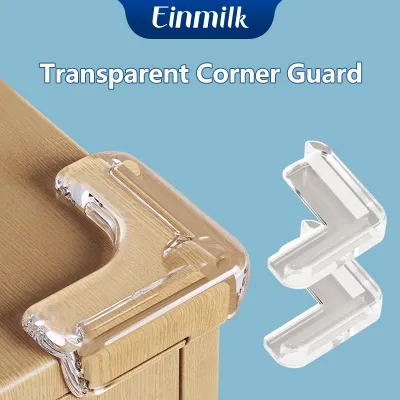
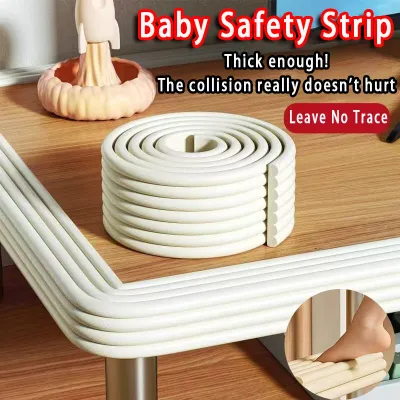
Prices are valid at publication and may change. Please refer to the product page for the latest price.
Thickness also plays a key role, providing a larger physical barrier, while surface texture affects both tactile feel and how easily a child can grip or bite the guard. Smooth surfaces are generally easier to wipe clean, whereas textured surfaces can resist minor scratches better.
It is important to remember that a material’s generic name—whether foam, silicone, or rubber—does not automatically guarantee safety or performance. Manufacturing processes, chemical formulations, and product designs vary widely across brands. Parents should always evaluate the specific product specifications, dimensions, and manufacturer guidelines on the packaging rather than relying solely on the material type.
Comparing Foam, Silicone, and Rubber for Baby Proofing
Each of the three primary materials serves a distinct purpose in a comprehensive home baby-proofing strategy. While one material might excel at cushioning heavy impacts on a low-lying stone coffee table, another might be better suited for a sleek glass dining table or a high-traffic wooden cabinet. By comparing foam, silicone, and rubber, you can strategically place the right protector on the right piece of furniture to maximize safety and longevity.

Foam Edge Guards: Cushioning and Coverage
Foam edge guards, typically made from expanded materials like Nitrile Butadiene Rubber (NBR) foam, are recognized for their soft, pillowy texture and substantial physical presence. Their generous thickness makes them highly effective at covering sharp, unforgiving corners on heavy wooden or stone furniture. When a toddler bumps into a high-density foam guard, the material compresses to absorb and distribute the force of the impact.
However, the density of foam products can vary significantly. When shopping, it is crucial to check the product label for density specifications. Low-density foam may feel soft to the touch, but it can compress too easily under sudden pressure, offering minimal protection against the hard corner underneath. High-density options provide a firmer, more reliable barrier.
The primary trade-off with foam is its visual footprint and durability. Foam guards are opaque, bulky, and often come in limited solid colors that may clash with your home decor. Additionally, because foam is soft and porous, it is highly susceptible to being picked at, bitten, or torn by curious toddlers. If your child is in an active chewing phase, foam guards require frequent monitoring to ensure pieces are not torn off and swallowed.
Silicone Edge Guards: Flexibility and Aesthetics
Silicone is popular for modern homes due to its flexibility, transparency, and sleek profile. Unlike bulky foam, silicone edge guards are often completely clear, allowing the natural beauty of your furniture to show through. This low-profile aesthetic makes them excellent for minimalist interiors, glass coffee tables, and contemporary dining sets.
The inherent flexibility of silicone allows it to conform easily to curved, rounded, or irregular edges that rigid materials cannot accommodate. It can stretch and bend around tight radiuses without puckering or losing its shape. This makes it highly versatile for protecting non-standard furniture shapes, such as circular glass tables or custom-molded countertops.
While silicone is highly durable and resists tearing, its surface properties require some attention. Silicone can have a slightly tacky texture that naturally attracts dust, pet hair, and lint over time. Parents should verify the manufacturer’s care instructions for cleaning, as some silicone surfaces can become slippery when wet or require specific mild cleaning agents to maintain their clarity.
Rubber Edge Guards: Durability and Grip
Rubber edge guards offer a robust, heavy-duty solution designed for high-traffic areas and long-term durability. Firmer than foam, rubber resists wear and tear, making it highly suitable for furniture edges that experience constant contact. If your toddler frequently pulls themselves up using the edges of low tables, TV consoles, or bed frames, rubber guards provide a stable, non-slip grip.
While rubber is highly resilient, no material is entirely indestructible. Curious toddlers may still attempt to bite or chew on rubber guards. Parents must regularly inspect these protectors for bite marks, punctures, or signs of degradation. If any damage is observed, the guard should be replaced immediately to prevent small pieces from detaching.
Because rubber products can be formulated from various synthetic or natural compounds, it is vital to check the product label for safety standards. Look for specifications indicating that the rubber compound is non-toxic and free from harmful chemical additives. This ensures that even if your child’s mouth comes into contact with the guard, the material meets basic safety expectations.
Key Factors to Check on Product Labels Before Buying
When purchasing edge guards, the product packaging and label are your primary sources of reliable information. Rather than assuming a product is safe based on appearance, verify specific claims and certifications printed by the manufacturer.
First, look for explicit non-toxic material claims. Because babies and toddlers explore their world through touch and taste, edge guards should be free from harmful substances. Check the label for terms like BPA-free, phthalate-free, lead-free, and heavy-metal-free, and look for recognized safety standards or testing certifications.
Second, verify the recommended age range and any choking hazard warnings. Some edge guards are designed specifically for older toddlers, while others are suitable from infancy. If a product consists of small, pre-cut corner pieces, ensure they are securely designed and sized so they do not pose a choking risk if they become detached from the furniture.
Third, review the specified adhesive type and its compatibility with your furniture finishes. Many edge guards come with pre-applied double-sided tape. The label should state which surfaces the adhesive is safe for, such as painted wood, varnished wood, glass, metal, or plastic veneer. In warm, humid climates, adhesive performance can be affected by moisture in the air. Checking for high-tack, temperature-resistant adhesive specifications on the label can help ensure the guards remain firmly bonded to your furniture over time.
How to Choose the Right Material for Your Furniture
Selecting the right edge guard material requires matching its physical properties to your furniture and your child’s behavior. There is no single universal winner; instead, a targeted approach works best.
Choose Foam if you need maximum thickness and impact absorption for sharp, hard corners on heavy furniture like stone coffee tables, thick solid wood dining tables, or low-lying brick ledges. Foam is ideal for areas where a high-impact fall is most likely and cushioning is the absolute priority.
Choose Silicone if you prefer a low-profile, transparent look that blends seamlessly with your decor. Silicone is the perfect match for glass tables, modern metal frames, and minimalist furniture. Its flexibility also makes it the go-to choice for curved or rounded edges that require a tight, conforming fit.
Choose Rubber if you require high durability and a strong, resilient grip in high-traffic areas. Rubber is highly suited for wooden edges where babies frequently pull themselves up to stand, as well as high-use cabinet doors and shelving units. It resists wear from daily bumps and vacuum cleaner impacts better than foam.
Before applying any edge guard, verify if your furniture has delicate finishes, antique veneers, or specialized coatings. Strong adhesives can lift paint, strip varnish, or damage delicate wood grain upon removal. If you are protecting a valuable antique or a sensitive surface, look for light-duty adhesives or consider alternative baby-proofing methods that do not require permanent bonding.
Installation and Maintenance Tips for Long-Lasting Safety
Proper installation and regular maintenance ensure your edge guards remain secure, hygienic, and effective. Even the highest-quality material will fail if the adhesive bond is compromised or if the guard is allowed to deteriorate.
Begin by thoroughly preparing the furniture surface. Clean the edge with mild soap and water to remove dust, grease, and oils, and allow it to dry completely. In humid environments, trapped moisture can prevent the adhesive from curing properly, leading to premature peeling. Once applied, press firmly along the entire length of the guard and allow the adhesive to cure for the manufacturer’s recommended time—often 24 hours—before use.
Establish a routine inspection schedule, checking the guards at least once a week. Look for peeling corners, loose edges, tears, or bite marks. Toddlers are remarkably persistent and will quickly exploit any loose edge to peel the guard off entirely. If you notice any damage or loss of adhesion, replace the affected section immediately.
Clean the edge guards regularly using mild soap and a damp cloth. Avoid harsh chemical cleaners, bleach, or abrasive scrubs, as these can degrade foam and rubber, causing them to become brittle, sticky, or discolored. For silicone guards, a simple wipe down with warm water is usually sufficient to remove dust and maintain their clear appearance.
Frequently Asked Questions (FAQ)
Can I use my own double-sided tape instead of the included adhesive?
While it may be tempting to substitute the manufacturer’s adhesive with a heavy-duty tape you have on hand, doing so carries risks. The adhesive included with baby-proofing products is specifically formulated to balance strong holding power with clean removal. Substituting adhesives may void the manufacturer’s safety guarantees or result in permanent damage to your furniture’s finish. If you must use a substitute tape, check your furniture manufacturer’s care guide first, and test a small, hidden area of the furniture to ensure the tape can be removed without lifting the paint or varnish.
How do I remove edge guard adhesive residue without damaging wood?
Removing adhesive residue requires patience and a gentle touch to protect the underlying wood finish. Before applying any solvents or removal techniques, consult your furniture manufacturer’s care instructions. Start with the gentlest method: apply a small amount of warm, soapy water to the residue and gently rub it with a microfiber cloth or a plastic scraper. If the residue persists, you can try using a hair dryer on a low, warm setting to soften the adhesive, taking care not to overheat the wood. Stop immediately if you notice any signs of discoloration, softening, or damage to the wood finish.
Community discussion
Share your experience or ask a question. Comments are reviewed before publication.