
Quick Answer: Which Edge Guard Material is Best for Your Furniture?
When a baby transitions from crawling to those first unsteady steps, every sharp edge in your home suddenly transforms into a potential hazard. Navigating the layout of a typical Singapore home, where compact spaces and close-quarter furniture arrangements are common, requires proactive planning to prevent painful bumps and bruises. Choosing the right protective barrier for these sharp corners is a vital step in creating a secure environment for your little one.
There is no single “best” material for every household; the ideal choice depends entirely on your specific furniture surfaces and your baby’s current developmental stage. For thick, highly compressible cushioning on sharp wooden dining tables or low coffee tables, soft foam is the most effective choice. If you need to protect thin, fragile glass shelves or maintain a clean aesthetic on modern curved furniture, flexible and transparent silicone offers a discreet fit. For high-traffic areas, heavy metal bed frames, or powder-coated steel legs, dense rubber provides the heavy-duty impact resistance and durability required to withstand constant wear.
While these protective barriers significantly lower the risk of injury from accidental bumps, parents must remember that they are supplementary safety measures. No material or adhesive can replace active, eyes-on adult supervision. Ensuring your child is supervised during active play remains the cornerstone of home safety.
Products mentioned in this guide
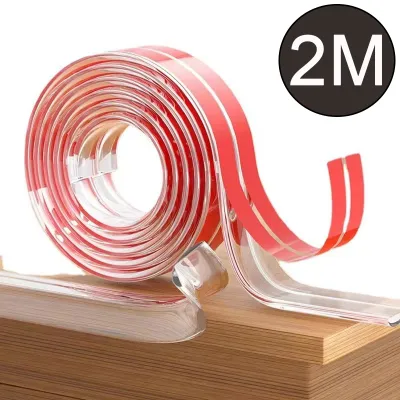
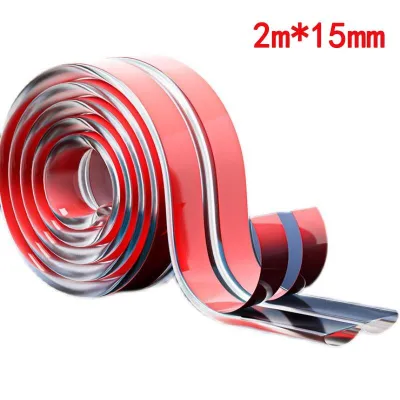
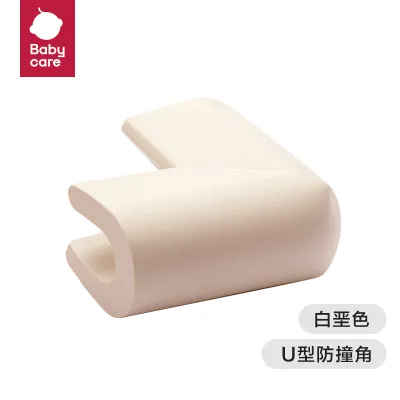
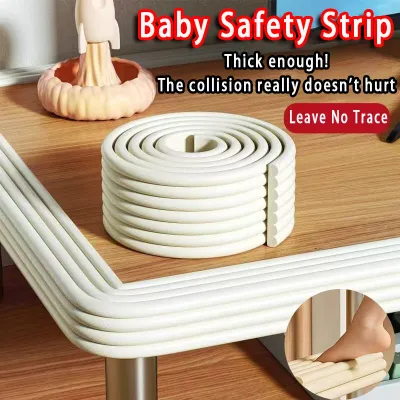
Prices are valid at publication and may change. Please refer to the product page for the latest price.
Material Breakdown: Foam, Silicone, and Rubber Edge Guards
To make an informed decision for your home, it is essential to understand the physical properties, advantages, and limitations of each material. Foam, silicone, and rubber serve different protective roles based on their chemical composition and structural design.

Foam Edge Guards
Foam edge guards are typically manufactured from expanded polymers like Ethylene-Vinyl Acetate (EVA) or Nitrile Butadiene Rubber (NBR). These materials are characterized by a closed-cell structure that contains tiny pockets of trapped air, allowing the guard to compress deeply under sudden pressure. This high compressibility makes foam exceptionally good at absorbing the force of a sudden, heavy impact, effectively dispersing energy away from a child’s head or body.
However, this protective thickness comes with a distinct aesthetic trade-off. Foam guards are naturally bulky and opaque, meaning they will stand out against your carefully chosen interior decor. While they are lightweight and can be easily trimmed to size with standard household scissors, their soft texture makes them highly vulnerable to wear. Teething babies can easily bite into the soft material, which not only damages the guard but also introduces a potential choking hazard if small pieces are swallowed.
Silicone Edge Guards
Silicone edge guards are made from a synthetic polymer that is highly valued for its flexibility, durability, and optical clarity. Unlike foam, silicone can be produced in completely transparent profiles, allowing the natural grain of your wood or the clean lines of your glass furniture to remain fully visible. This makes silicone the preferred choice for parents who want to maintain a minimalist, modern aesthetic in their living spaces.
The smooth, non-porous surface of silicone is exceptionally easy to maintain, as it does not absorb liquids and can be wiped clean with a damp cloth. Because silicone is highly elastic and tough, it resists tearing and is virtually impossible for a teething child to bite through. The main limitation of silicone is its thickness; because it is denser and thinner than foam, it provides less deep cushioning, making it slightly less effective at softening high-velocity, blunt-force impacts on extremely sharp corners.
Rubber Edge Guards
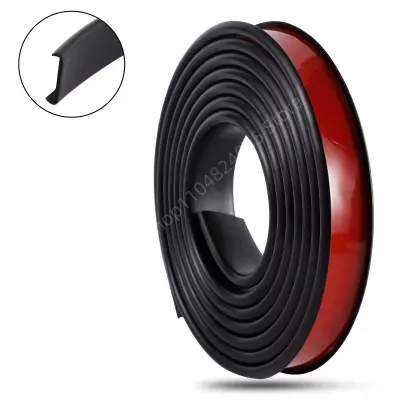
Rubber edge guards, often constructed from dense polyvinyl chloride (PVC) or heavy-duty synthetic rubbers, are engineered for maximum durability and resilience. This material is designed to withstand severe, repetitive impacts and is highly resistant to tearing, stretching, and pulling. Rubber guards are particularly well-suited for heavy, solid furniture pieces that see daily, high-impact use by multiple family members.
The dense structure of rubber allows it to grip flat surfaces exceptionally well, making it difficult for curious toddlers to peel away once the adhesive has fully cured. However, synthetic rubber can be relatively stiff compared to foam or silicone. This stiffness means it requires precise measurement and careful application, particularly when trying to wrap the guard around tight curves or complex profiles. Additionally, because rubber often requires high-strength industrial adhesives to stay secure, removing it later may leave a stubborn residue that requires careful cleaning.
Matching Edge Guards to Specific Furniture Surfaces
Selecting the right protective material is only half the battle; you must also match the guard to the specific material and finish of the furniture you are protecting. Applying the wrong guard to a delicate surface can result in poor adhesion or permanent damage to your home’s furnishings.
Wooden Tables and Desks
For standard wooden furniture, such as solid teak dining tables or oak study desks, thick foam or dense rubber guards are highly recommended. These materials provide the substantial cushioning needed to protect against the hard, unforgiving 90-degree corners typical of wooden construction. Because wood is a natural, porous material, the type of adhesive used is critical to preventing damage.
Before applying any adhesive, always check the applied product’s label and the treated item’s manufacturer instructions. If instructions conflict, the item is unidentified, or the use is not covered, stop and consult the manufacturer or a qualified professional. Some high-strength double-sided tapes can strip away wood varnish, lacquer, or paint upon removal. To ensure a secure bond without damaging the finish, pre-clean the wooden surface thoroughly with a mild, non-oily cleaner to remove dust, wax, and fingerprint oils, allowing the area to dry completely before installation.
Glass Shelves and Coffee Tables
Glass furniture, such as tempered glass coffee tables, low TV consoles, or floating shelves, presents a unique safety and aesthetic challenge. For these surfaces, clear silicone guards are strongly recommended. The transparency of silicone ensures that the guard does not obscure the clean, modern look of the glass, while its flexible profile allows it to wrap snugly over thin, sharp glass edges.
Using thick, opaque foam on glass surfaces is generally discouraged. Not only does it look highly obtrusive, but the structural design of foam guards often makes it difficult to achieve a secure, flat bond on very thin glass panes. This can lead to gaps where dust accumulates, weakening the adhesive over time and causing the guard to peel away prematurely.
Metal Frames and Cribs
Metal structures, such as powder-coated steel bed frames, crib rails, and metal chair legs, require heavy-duty protection due to the absolute rigidity of the material. High-density rubber or heavy-duty silicone guards are ideal for these surfaces because they offer excellent wear resistance and can withstand the constant friction of daily contact.
Because metal surfaces are incredibly smooth, achieving a strong bond requires a high-quality adhesive that resists pulling and tugging. This is especially important for crib rails, where babies often stand and pull on the edges. When choosing a guard for a crib or any area within a baby’s reach, always verify that the product is certified free of harmful chemicals by checking the manufacturer’s label. Babies frequently use crib edges to soothe teething gums, making chemical safety a paramount concern.
Key Comparison Dimensions for Baby Safety on Every Furniture Edge
To help you weigh your options, we can evaluate foam, silicone, and rubber across three critical performance dimensions: impact absorption, adhesive safety, and long-term durability.
Cushioning and Impact Absorption
When it comes to softening a direct impact, foam ranks highest due to its compressible, air-filled cellular structure. When a child bumps into a foam guard, the material compresses deeply, extending the duration of the impact and significantly reducing the peak force transmitted to the child. This makes foam the gold standard for high-risk zones, such as the corners of low coffee tables.
Rubber ranks second, offering firm, shock-dispersing protection that does not compress as easily as foam but excels at spreading the force of an impact across a wider surface area. Silicone ranks third in terms of pure cushioning; while it is highly effective at preventing deep cuts and lacerations from sharp corners, its thinner, denser profile provides less padding against heavy, blunt-force impacts.
Adhesion and Surface Protection
The effectiveness of any guard is directly tied to its ability to stay in place. There is a constant trade-off between strong adhesion and the ease of residue-free removal. Rubber and foam guards typically rely on thick, high-tack double-sided tapes to secure their bulkier profiles. While this ensures they remain firmly attached, removing them later may require the careful application of heat or specialized solvents to avoid damaging the underlying furniture finish.
Silicone guards, on the other hand, often utilize thinner, milder acrylic adhesives. While these adhesives are much gentler on delicate wood veneers and painted surfaces, they may not withstand the persistent pulling of a determined toddler. If a child manages to peel the guard away, the exposed adhesive can collect dust and lose its sticking power entirely, requiring complete replacement of the tape.
Durability and Chew Resistance
Durability is a major factor, especially during the teething phase when babies explore their environment using their mouths. Silicone is the undisputed leader in chew resistance and hygiene. Its tough, elastic nature prevents teeth from puncturing the material, and its non-porous surface can be easily sanitized with mild baby-safe soap and water.
Soft foam, conversely, is highly vulnerable to chewing. Teething infants can easily bite off small chunks of foam, creating an immediate choking hazard. If you notice any bite marks or missing pieces on a foam guard, it must be removed and replaced immediately. Rubber offers excellent overall durability and is highly resistant to tearing, but parents must regularly inspect synthetic rubber guards for micro-tears and verify the material’s non-toxic status to ensure it is safe for a teething child.
Decision Framework: Choosing the Right Edge Guard
To simplify your decision-making process, use this conditional framework to match your household needs with the right material:
- Choose Foam if: You require maximum impact protection and deep cushioning for sharp wooden corners, and you are willing to prioritize physical safety over minimalist aesthetics. This is ideal for low tables in active play areas.
- Choose Silicone if: You are protecting glass tables, thin shelves, or modern curved furniture, want a highly discreet look, and need a durable, chew-resistant material that is easy to wipe clean.
- Choose Rubber if: You need heavy-duty, long-lasting protection for metal frames, high-traffic corridors, or heavy furniture pieces where guards are subjected to frequent pulling, bumping, and daily wear.
- Neither may fit if: Your furniture has an irregular, highly textured, rustic, or freshly painted surface. Standard adhesives require a smooth, clean, and stable surface to bond effectively; applying them to textured or unstable surfaces will result in immediate adhesive failure. In these scenarios, consider rearranging your layout to move the furniture out of your child's play zone, or consult the furniture manufacturer for alternative safety recommendations.
- Verify first if: Your child has known material allergies, or if you plan to install the guard on a baby cot or crib. Always check the manufacturer's label and product documentation to verify chemical safety certifications, age suitability, and specific installation warnings before purchase.
Safe Installation and Maintenance Tips
Proper installation and regular maintenance are essential to ensure your chosen guards remain effective and secure over time. Even the highest-quality material will fail if the adhesive is not applied correctly.
Begin by thoroughly cleaning the furniture edge with a mild, non-oily soap or a water-and-alcohol solution, depending on what is safe for your furniture’s specific finish. Allow the surface to dry completely, as any remaining moisture, dust, or oil will severely compromise the adhesive bond. Measure and cut the guard to the exact length required, then apply the adhesive tape firmly to the guard first before pressing the guard onto the furniture edge.
Press down firmly along the entire length of the guard for at least 30 seconds to activate the pressure-sensitive adhesive. For the best results, allow the adhesive to cure undisturbed for the full duration specified on the manufacturer’s label—typically 24 hours—before allowing your child near the furniture. In Singapore’s humid climate, curing times may vary, so giving the adhesive extra time to set without disturbance is highly recommended.
Regularly inspect all installed guards for signs of peeling, loosening, physical tears, or bite marks. If a guard becomes loose or damaged, remove it immediately to prevent it from becoming a choking hazard or failing during an accidental fall. Remember, edge guards are designed to minimize the severity of bumps, but they do not make a home entirely accident-proof; active adult supervision is always the most reliable safety measure.
Frequently Asked Questions (FAQ)
How do I remove edge guard adhesive without damaging wood?
To safely remove adhesive residue from wooden furniture without stripping the varnish or paint, start by using a hairdryer on a low, warm setting. Hold the hairdryer a few centimeters away from the guard and gently warm the adhesive to soften it. Once warmed, slowly peel the guard away from one end, pulling it back flat against itself rather than pulling straight up.
For any stubborn residue left behind, apply a small amount of a mild, wood-safe oil (such as mineral oil) or a dedicated adhesive remover formulated specifically for finished wood. Let it sit for a few minutes to dissolve the adhesive bonds, then gently wipe it away with a soft microfiber cloth. Avoid using harsh chemical solvents, abrasive scrubbing pads, or excessive heat, as these can permanently damage the wood’s protective finish. Always test any oil or remover on a small, hidden area of the furniture first to verify compatibility.
When should I replace my baby's edge guards?
You should replace your baby’s edge guards immediately if you observe any visible signs of degradation, such as peeling edges, a loss of adhesive grip, or physical damage. For foam guards, look closely for bite marks, punctures, or missing chunks; because foam can be easily swallowed, any structural damage poses an immediate choking risk and requires instant removal.
Generally, soft foam guards require more frequent replacement than durable silicone or rubber alternatives due to their vulnerability to teething and general wear. You can typically phase out the use of edge guards once your child has developed the spatial awareness, balance, and motor control necessary to navigate around furniture safely. However, because every child develops at their own pace, carefully assess your child’s individual physical readiness and coordination before deciding to remove the guards permanently.

Community discussion
Share your experience or ask a question. Comments are reviewed before publication.