
When baby-proofing your home, choosing the right bumper strips is one of the most critical decisions you will make to protect your little one from sharp edges and hard corners. There is no single “best” material that works perfectly for every household. Instead, the optimal choice depends on the specific furniture edges you need to cover, your child’s current developmental stage, and your aesthetic preferences.
Foam bumper strips offer the highest level of shock absorption, making them ideal for sharp, hard wooden corners where impact protection is the top priority. Silicone edge guards provide a highly discreet, transparent, and chew-resistant barrier, which is perfect for glass tables and modern minimalist furniture. Rubber bumper strips deliver a heavy-duty, high-grip balance of cushioning and durability, making them well-suited for heavy wooden furniture in high-traffic areas of your home.
Ultimately, baby-proofing safety relies on more than just the material you choose. It requires correct surface preparation, regular inspections for wear and tear, and matching the right adhesive tape to your specific furniture surface. By understanding how these materials perform under different conditions, you can create a safer environment that adapts to your child’s growth.
Products mentioned in this guide
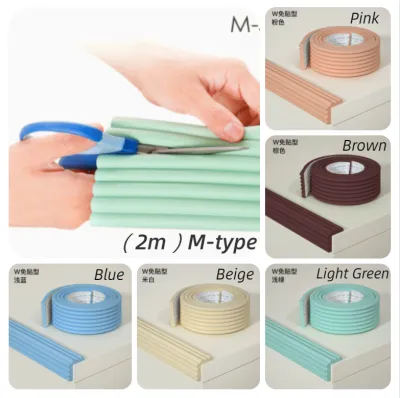
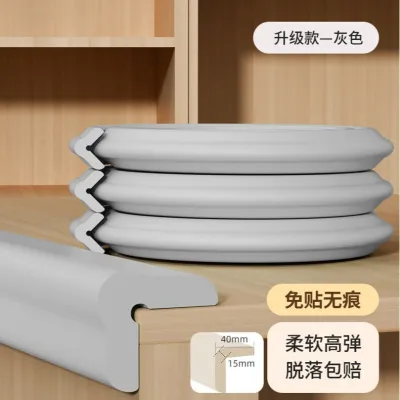
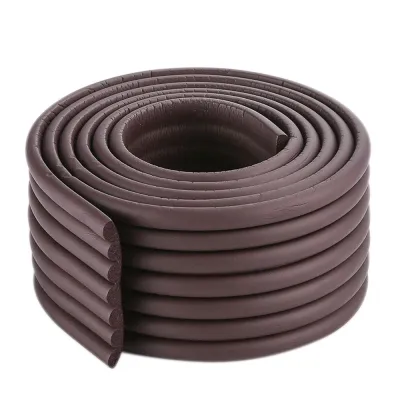
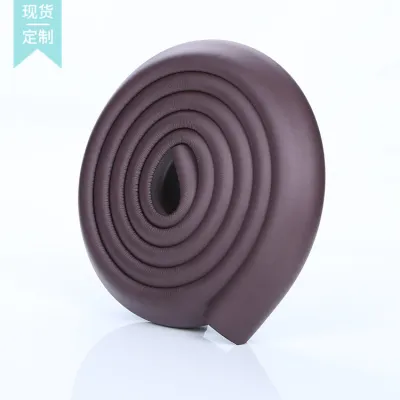
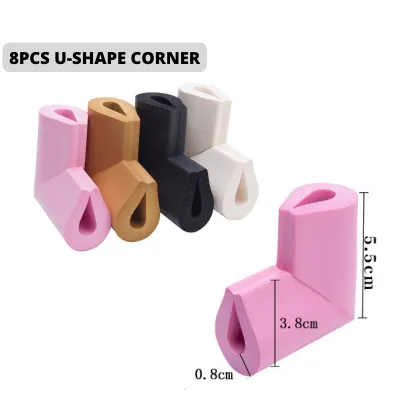
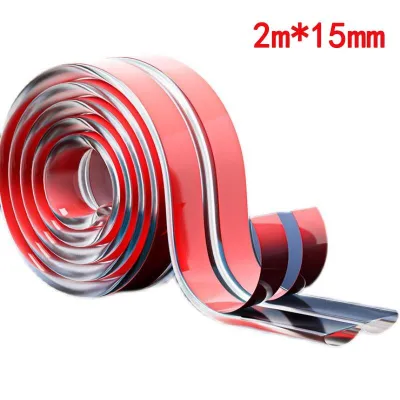
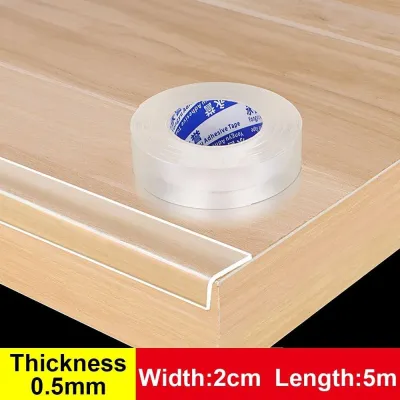
Prices are valid at publication and may change. Please refer to the product page for the latest price.
Comparing the Big Three: Cushioning, Durability, and Adhesion of Bumper Strips
To make an informed decision, you must evaluate how foam, silicone, and rubber compare across three fundamental safety and performance dimensions. These dimensions—cushioning, durability, and adhesive performance—directly impact how well the protective barrier performs when your child bumps into a sharp edge or attempts to chew on the material.
Cushioning and Impact Absorption
The primary purpose of any protective edge guard is to absorb the kinetic energy of a fall or bump, reducing the risk of bruising or serious injury. Impact absorption is not determined by the material name alone; it depends heavily on material density, structural design, and overall thickness. When evaluating different products, you should look closely at how each material behaves under pressure.
- Foam Density and Compression: Foam bumper strips are typically made from expanded materials like Nitrile Butadiene Rubber (NBR). This material features a highly cellular structure filled with tiny air pockets. When a child bumps into foam, these air cells compress deeply, spreading the force of the impact over a wider surface area. This deep compression makes foam highly effective at softening impacts against sharp, unforgiving corners.
- Silicone Structural Flexibility: Silicone is a denser, more solid material than foam. Because it does not compress as easily, silicone edge guards often rely on their structural design to absorb impact. Many premium silicone guards feature hollow internal chambers or ribbed profiles. These air-filled gaps allow the silicone to flex and deform upon impact, providing a spring-like cushioning effect despite the material's inherent firmness.
- Rubber Firmness and Rebound: Natural or synthetic rubber bumper strips offer a dense, firm protective barrier. Rubber does not compress as deeply as foam, but it provides excellent rebound resistance. It is highly effective at absorbing heavy impacts from older, more active toddlers who run with greater force. The firmness of rubber prevents the child from "bottoming out"—hitting the hard furniture edge beneath the strip during a severe collision.
- Verification Check for Parents: Before purchasing, check the manufacturer's product specifications for thickness and density ratings. A simple physical test is to firmly press the material between your thumb and forefinger. If you can easily feel your fingers meeting through the material with minimal pressure, the strip may not offer sufficient cushioning for heavy impacts.
Durability and Bite Resistance
As babies grow and begin teething, they often explore their environment by chewing on accessible surfaces. Bumper strips installed at eye or mouth level—such as those on coffee tables, TV consoles, or low shelves—frequently become prime targets for teething infants. This behavior introduces a critical safety hazard that parents must carefully manage.
- Foam Tear Vulnerability: Standard foam strips are highly susceptible to tearing and biting. A teething baby can easily bite off small chunks of soft foam, which presents an immediate choking hazard. If you choose foam, you must be extremely vigilant. Foam is best reserved for areas out of your baby's reach or for the earliest stages of mobility before teething begins in earnest.
- Silicone and Rubber Resilience: Silicone and solid rubber excel in tear resistance and durability. Silicone is highly elastic and virtually impossible for an infant to bite through. It maintains its structural integrity even under constant chewing. Rubber is similarly tough, offering a resilient surface that resists dental wear. If your baby has entered the teething phase, switching to silicone or high-quality rubber is a much safer choice.
- Routine Inspection Protocol: Regardless of the material you select, establish a strict routine to inspect all installed edge guards at least once a week. Examine the strips visually and physically for any signs of deep bite marks, surface peeling, cracking, or loosening edges. If you detect any structural degradation or tearing, remove and replace the strip immediately to prevent choking or ingestion hazards.
Adhesive Strength and Furniture Protection
A bumper strip is only as reliable as the adhesive holding it in place. If a strip peels away easily, it fails to protect your child and becomes a tempting object for them to pull on. However, the adhesive must also be removable without stripping the paint, varnish, or veneer off your valuable furniture.
- Adhesive Tape Specifications: The strength and safety of the bond depend primarily on the double-sided tape used, rather than the bumper strip material itself. Acrylic-based adhesives generally offer strong, long-lasting adhesion and clean removal, while rubber-based adhesives provide a quick initial bond but may degrade faster. Look for products that include high-quality, residue-free double-sided tapes designed specifically for baby-proofing.
- The Impact of Singapore's Humidity: Singapore's tropical climate, characterized by high temperatures and relative humidity levels often exceeding 80%, presents a unique challenge for adhesives. Moisture in the air can interfere with the curing process of the tape, causing it to peel prematurely. To ensure a secure bond, you must apply the tape to a completely dry, clean surface and allow it to cure undisturbed for the manufacturer's recommended timeframe.
- Surface Compatibility and Testing: Different furniture finishes react differently to adhesives. Veneer, laminate, lacquer, and freshly painted wooden surfaces are particularly vulnerable to damage during removal. Before applying adhesive along the entire length of your furniture, always perform a spot test by applying a small piece of the tape to an inconspicuous, hidden area. Leave it for 48 hours, then remove it to check for any finish damage.
Material Breakdown: Pros, Cons, and Ideal Applications
To help you select the right protective barrier for each room in your home, let us take a closer look at the unique characteristics, limitations, and ideal use cases for each of the three primary materials.

Foam Bumper Strips
Foam remains one of the most popular choices for baby-proofing due to its soft, forgiving texture and excellent impact absorption. However, its physical properties make it better suited for specific scenarios rather than a universal whole-house solution.
- Key Advantages: Foam strips are highly cost-effective and widely available. They are extremely soft to the touch, providing immediate comfort and reassurance. Because foam is lightweight and flexible, you can easily cut it to custom lengths using standard household scissors and wrap it around irregular shapes or curved edges.
- Key Limitations: The primary drawback of foam is its bulky, prominent appearance, which can clash with your home decor. Over time, exposure to light and air can cause white or light-colored foam to yellow and degrade. Furthermore, its low tear resistance means it is not suitable for teething babies who are prone to biting furniture edges.
- Ideal Applications: Foam is best utilized on sharp wooden dining table corners, fireplace hearths, metal bed frames, and low-traffic zones where maximum cushioning is prioritized over aesthetic subtlety. It is highly recommended for households with early crawlers who are just beginning to pull themselves up.
Silicone Edge Guards
Silicone has gained significant popularity as a modern, discreet alternative to traditional foam. Its unique material properties make it an excellent choice for contemporary homes where visual integration is a priority.
- Key Advantages: Silicone edge guards are highly transparent, allowing the natural beauty and color of your furniture to show through. They are incredibly flexible, waterproof, and easy to wipe clean with a damp cloth, making them highly hygienic. Because silicone is extremely tough and elastic, it easily resists biting, tearing, and scratching.
- Key Limitations: Because silicone guards are often thinner and denser than foam, they may offer slightly less cushioning during severe, high-velocity impacts unless they feature built-in air pockets. Additionally, the smooth surface of silicone can sometimes be slippery, and high-quality silicone products tend to carry a higher price tag.
- Ideal Applications: Silicone is the perfect choice for glass coffee tables, modern acrylic or metal furniture, kitchen countertops, and high-visibility living areas where you want to maintain a clean, minimalist aesthetic. It is also the safest option for low edges within easy reach of teething infants.
Rubber Bumper Strips
Rubber bumper strips provide a heavy-duty, highly durable protective barrier. They offer a robust middle ground between the soft cushioning of foam and the resilient toughness of silicone.
- Key Advantages: Rubber offers excellent natural grip and a high resistance to wear and tear. It stands up exceptionally well to frequent bumps, vacuum cleaner impacts, and heavy household traffic. Rubber is also highly resistant to temperature and humidity fluctuations, ensuring long-term stability.
- Key Limitations: Rubber strips are generally opaque and available in a limited range of colors, which can make them visually prominent. Low-quality rubber products may release a distinct, chemical odor when first unpacked, requiring several days of airing out. They can also leave a stubborn adhesive residue if paired with low-grade tape.
- Ideal Applications: Rubber is highly suited for heavy solid wood furniture, high-traffic hallways, playrooms, and semi-outdoor areas such as balcony doors, patio furniture, or garage entryways where environmental exposure is a factor.
The Decision Framework: Matching Material to Your Needs
Selecting the right material does not have to be a guessing game. By matching the specific characteristics of your furniture and your child’s developmental stage to the strengths of each material, you can create a highly effective baby-proofing plan.
- Choose Foam if: You need maximum cushioning for sharp, hard corners and do not mind a bulkier, more visible profile. This is ideal for early crawlers who are still unstable on their feet and frequently lose their balance around heavy wooden dining tables or low TV consoles.
- Choose Silicone if: You want discreet, transparent protection for glass or delicate modern furniture and need high resistance to chewing and tearing. This is the optimal choice for active teething babies who are pulling themselves up on coffee tables and need a durable, non-toxic barrier.
- Choose Rubber if: You need a durable, high-grip solution for heavy, high-traffic wooden furniture that can withstand frequent bumps from toys, vacuum cleaners, and active toddlers. It is also the best choice for semi-outdoor spaces exposed to humidity.
- Verify first if: Your furniture has a delicate, antique, or easily damaged finish. Always consult the furniture manufacturer's care instructions and test the adhesive on a hidden area of the furniture first before applying the strips fully. If the finish is highly sensitive, avoid adhesives entirely and look for alternative physical barriers.
Safe Installation and Removal Tips for Singapore Homes
Proper installation is essential to ensure your bumper strips remain securely in place, especially when subjected to the high humidity of Singapore’s climate. Following a systematic application and removal process will maximize safety while protecting your furniture’s finish.
- Step-by-Step Installation:
1. Clean the Surface: Clean the furniture edge thoroughly using isopropyl alcohol and a clean microfiber cloth. This step is crucial to remove dust, skin oils, and household polish residues that prevent the adhesive from bonding.
2. Dry Completely: Allow the surface to dry completely. In humid Singapore environments, wait an extra ten minutes after wiping to ensure no microscopic moisture layer remains on the surface.
3. Apply Adhesive to Strip: Apply the double-sided tape to the bumper strip first, pressing down firmly along the entire length to eliminate air bubbles.
4. Position and Press: Carefully align the strip with the furniture edge. Press down firmly and evenly with your hands, applying continuous pressure for at least 30 seconds along every section of the strip.
5. Allow to Cure: Let the adhesive cure undisturbed for 24 to 48 hours before allowing your child near the furniture. This curing window is vital for the adhesive to reach its maximum strength in humid conditions. - Safe Removal Protocol:
- Apply Gentle Heat: Use a handheld hairdryer set to a low, warm setting. Hold it a few centimeters away from the bumper strip and move it back and forth to gently warm and soften the adhesive. Do not use high heat, as excessive temperature can melt plastic or damage wood finishes.
- Peel Slowly: Once the adhesive is warm, slowly peel the strip back at a shallow angle, keeping it close to the furniture surface. Avoid pulling straight up, which can tear the wood grain or lift veneer.
- Clean Residue: If any sticky residue remains, gently rub it with a small amount of vegetable oil, baby oil, or a specialized mild adhesive remover. Always test the remover on a hidden spot first. Avoid harsh chemical solvents like acetone, which can instantly strip away furniture varnishes and paints.
- Safety Boundary Warning: If the furniture manufacturer explicitly advises against the use of adhesives, or if you are dealing with unsealed wood, delicate wallpaper, or valuable heirlooms, do not apply adhesive bumper strips. Instead, consult a professional or seek alternative baby-proofing solutions, such as physical safety gates or room-zoning barriers, to keep your child away from those specific hazards.

Community discussion
Share your experience or ask a question. Comments are reviewed before publication.