
Choosing the right corner protector is a vital step in preparing your home for a curious, growing child. As babies transition from crawling to cruising and walking, sharp furniture edges present a clear physical hazard. However, because furniture materials, baby developmental stages, and home layouts vary, there is no single material that serves as the perfect solution for every household. Finding the right balance requires evaluating how different materials perform under real-world conditions.
To make an informed decision, you must weigh the protective qualities of foam, silicone, and plastic against your specific furniture types and aesthetic preferences. Foam corner protectors provide outstanding, thick cushioning that absorbs heavy impacts on sharp, solid corners. Silicone offers a highly durable, tear-resistant, and low-profile alternative that works well on glass or modern surfaces. Rigid plastic guards provide basic scratch protection and edge covering for low-risk zones.
While these safety accessories are highly effective at reducing the severity of accidental bumps and bruises, they do not eliminate all risks. No physical barrier can replace active, close adult supervision. Use these tools as a secondary layer of defense alongside consistent monitoring of your child’s play area.
Products mentioned in this guide
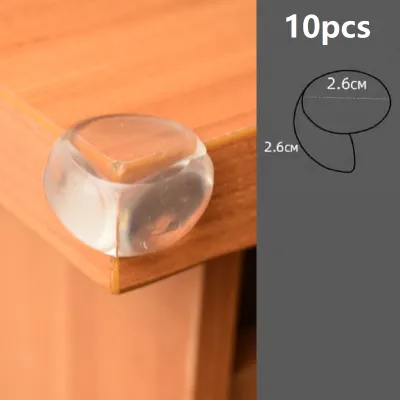
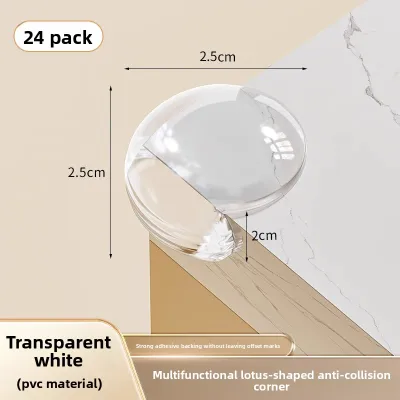
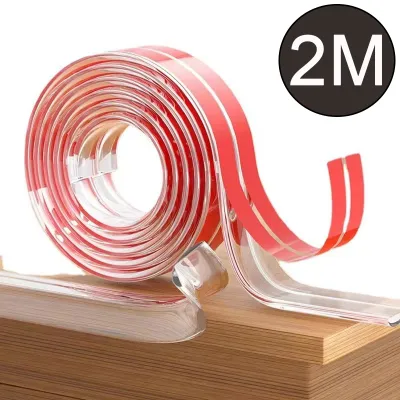
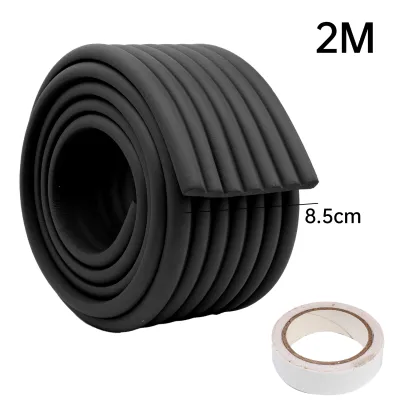
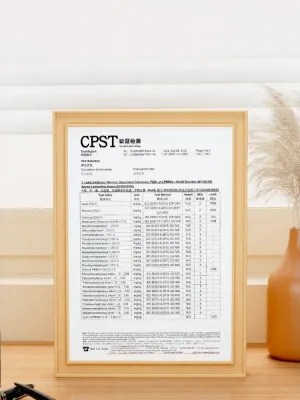
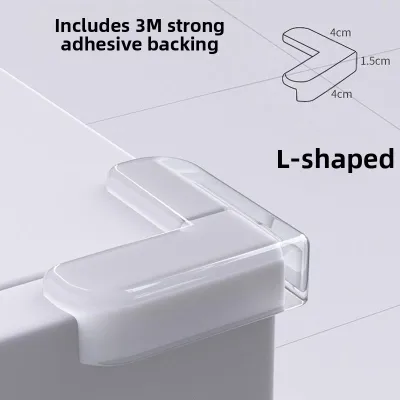
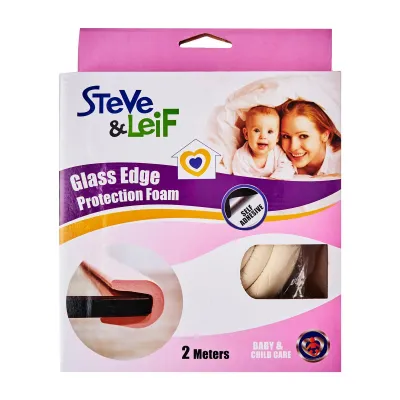
Prices are valid at publication and may change. Please refer to the product page for the latest price.
Impact Absorption and Protection Levels
When evaluating a corner protector, its primary job is to cushion the force of a sudden fall or collision. The physical structure and density of the material dictate how well it can disperse energy when a child bumps into a sharp edge.
Foam corner protectors, typically made from expanded materials like NBR (nitrile butadiene rubber) or EVA (ethylene-vinyl acetate), feature a highly compressible, air-filled cell structure. This high compressibility allows the foam to deform under pressure, absorbing and spreading the energy of a sharp impact. These guards are generally thicker than their silicone or plastic counterparts, often measuring between 0.5 to 1.5 centimeters in thickness. This profile makes foam highly effective for sharp, 90-degree corners on heavy solid wood, stone, or marble tables where a high-velocity impact could cause serious injury. When choosing foam, always verify the density and thickness specifications on the manufacturer’s packaging, as lower-density foams may bottom out completely under heavy pressure.
Silicone corner protectors offer a flexible, rubber-like consistency that behaves differently than foam. Instead of compressing extensively, silicone relies on its natural elasticity and material density to disperse impact forces. While silicone guards are typically thinner and firmer than foam, they provide excellent medium-impact protection. They are highly effective for active toddlers who are already walking or running and may clip the corners of coffee tables or low cabinets. Because silicone does not bottom out as easily as low-density foam, it provides reliable, repeatable protection over a smaller surface area.
Plastic corner protectors, usually constructed from rigid PVC or clear acrylic, provide the lowest level of impact cushioning. Because these materials are rigid or semi-rigid, they do not compress or deform significantly during a collision. Instead of absorbing the energy of an impact, plastic guards primarily function by rounding off a sharp point, converting a piercing corner into a blunt surface. This makes them better suited for low-risk areas or for preventing scratches on delicate furniture rather than protecting a high-velocity impact zone.
To select the right protection level, consider your child’s current mobility stage. Crawling babies and those just starting to pull themselves up to stand are highly vulnerable to falling directly downward onto low corners, making thick foam highly appropriate. Cruising or walking toddlers who move at higher speeds benefit from the resilient, energy-dispersing properties of silicone. Always review the product packaging for any manufacturer-recommended age or developmental guidelines to ensure the product matches your child’s physical needs.
Durability, Adhesion, and Surface Compatibility
How a corner protector bonds with your furniture—and how long it stays attached—depends heavily on the material’s weight, flexibility, and the type of adhesive backing used. In tropical environments like Singapore, persistent high humidity can also affect adhesive performance over time.

Most corner protectors rely on double-sided pressure-sensitive adhesives, typically categorized as either acrylic-based or rubber-based tapes. Acrylic-based adhesives generally offer strong, long-term bonding and excellent resistance to temperature and humidity fluctuations, though they may take up to 24 to 48 hours to cure fully. Rubber-based adhesives often provide a faster initial bond but can degrade more quickly when exposed to moisture, warmth, or repeated physical stress. Always check the product details to confirm if the included adhesive is rated for your specific furniture finish.
Foam protectors are exceptionally lightweight, which places very little shear stress on the adhesive backing. This means they are less likely to fall off due to their own weight. However, the physical foam material itself is highly susceptible to wear and tear. Teething babies are often drawn to the soft, spongy texture of foam and may attempt to bite or chew on it. If a child manages to tear or bite off a piece of foam, it immediately creates a severe choking hazard. If you notice any signs of biting, peeling, or material degradation, remove the foam protector immediately.
Silicone is highly durable, elastic, and virtually impervious to teething or chewing. It does not tear easily, making it a safer option for children who like to explore surfaces with their mouths. However, silicone is significantly heavier than foam. This additional weight requires a highly robust, high-quality adhesive to prevent the guard from sliding off or peeling away under gravity. Because of this strong adhesive requirement, there is an increased risk of surface damage when removing the protector. Always perform a test application on an inconspicuous area of your furniture to check how the adhesive interacts with the finish before fully installing the guards.
Rigid plastic guards present unique adhesion challenges. Because plastic does not flex, the furniture corner must be perfectly square and flat for the adhesive to make complete contact. If the furniture surface has a slight curve, bevel, or irregularity, a rigid plastic guard will experience constant tension, which can cause the adhesive to fail prematurely and the guard to pop off unexpectedly.
Before purchasing any corner protector, evaluate your furniture’s material and finish:
- Glass and Metal: Highly compatible with silicone and plastic; these smooth surfaces allow for excellent adhesive contact.
- Veneer and Laminate: Common in modern flat-pack furniture. Strong adhesives can lift or tear the thin veneer layer during removal.
- Solid Wood (Teak, Oak, Walnut): Highly compatible, but open-grain woods may absorb adhesive oils, potentially leaving a slight stain or residue.
- Painted or Lacquered Surfaces: High risk of paint peeling or lacquer lifting during removal.
Consult your furniture manufacturer’s care guide or instructions before applying any strong chemical adhesives to expensive, antique, or delicate finishes.
Aesthetics: Visibility and Blending with Furniture
While safety is the primary concern, the visual impact of corner protectors on your home decor is a practical consideration for many parents. Balancing a secure environment with your personal aesthetic preferences is entirely possible if you choose the right material.
Silicone corner protectors are widely favored for modern, minimalist interiors because they are frequently available in clear, translucent designs. These transparent guards allow the natural color, grain, and design of your furniture to show through, making them highly discreet on glass dining tables, marble countertops, or light-colored wood. However, you should be aware that clear silicone can gradually yellow or cloud over time. This discoloration is typically caused by exposure to natural ultraviolet (UV) light, household dust, and oils from skin contact. Checking the product specifications for UV-resistant or high-clarity medical-grade silicone can help manage long-term aesthetic expectations.
Plastic corner protectors are also available in highly transparent acrylic forms. Unlike flexible silicone, rigid plastic does not conform as tightly to the furniture’s micro-textures, which can sometimes result in visible air bubbles trapped under the adhesive tape. Additionally, the hard, polished edges of rigid plastic can catch and refract indoor light, making them more visually prominent than soft silicone. Some plastic guards are available in solid, opaque colors, but these can appear bulky and industrial on domestic furniture.
Foam corner protectors are inherently opaque and bulky. They are available in a range of solid colors, such as brown, black, grey, and cream, allowing you to match them roughly to your wood or metal finishes. Despite color-matching efforts, foam guards remain highly visible due to their thickness and physical size.
This high visibility, however, can serve a practical developmental purpose. For young toddlers who are still developing spatial awareness and depth perception, a bright or contrasting foam guard acts as a clear visual boundary. It helps them identify and navigate around sharp obstacles in their path. Decide whether your priority is a discreet, blended look that preserves your home’s design or a highly visible safety cue that actively alerts your child to a potential hazard.
Material Comparison at a Glance
To help you quickly evaluate your options, the table below summarizes the key physical traits, ideal applications, and critical verification points for foam, silicone, and plastic corner protectors. Use this summary alongside the specific product packaging to guide your purchase.
| Material | Impact Absorption Profile | Best Furniture Types | Aesthetic Profile | Key Verification Points |
|---|---|---|---|---|
| Foam (NBR/EVA) | High compressibility; excellent shock absorption for heavy impacts. | Heavy solid wood tables, stone countertops, brick hearths. | Bulky, opaque, highly visible; acts as a visual boundary. | Check label for density, non-toxic certifications, and bite resistance. |
| Silicone | Moderate-to-high elasticity; disperses impact forces effectively. | Glass coffee tables, modern laminates, metal frames. | Semi-discreet; clear options blend well but may yellow over time. | Verify food-grade or medical-grade purity; check adhesive strength. |
| Plastic (PVC/Acrylic) | Low cushioning; rounds off sharp points to prevent scratches. | Low-risk edges, flat-pack utility furniture, desks. | Clear acrylic options are rigid; can catch light and show air bubbles. | Confirm surface flatness; check for BPA-free material labels. |
Decision Framework: Matching Material to Your Needs
Selecting the right corner protector requires analyzing your specific household setup, your child’s behavior, and the value of your furniture. You can use the following targeted scenarios to make your final choice.
Choose Foam if:
- You have heavy, solid-wood dining tables, stone countertops, or sharp low-lying shelves where a falling child could sustain a high-impact injury.
- Your primary priority is maximum physical cushioning, and you are willing to accept a bulkier, highly visible safety accessory in your living space.
- Your child is in the early crawling or pulling-up stage and needs a soft, forgiving surface to cushion frequent, vertical drops.
Choose Silicone if:
- You want a balanced solution that offers reliable impact protection while remaining visually discreet on glass, marble, or modern minimalist furniture.
- Your child is an active toddler who is walking or running, requiring a durable guard that will not tear, peel, or degrade under constant physical contact.
- Your baby is currently teething or prone to chewing on household objects, making a highly tear-resistant, non-toxic material essential.
Choose Plastic if:
- You are covering mildly sharp edges on low-risk furniture, such as home office desks or storage units, where basic scratch prevention is the main goal.
- You have perfectly flat, square furniture corners that can accommodate a rigid, non-flexible guard without putting uneven stress on the adhesive backing.
- You require a firm, structural edge cover rather than a soft, compressible cushion.
Verify First if:
- Your furniture has a highly delicate, antique, painted, or veneered finish. In these cases, always consult the furniture manufacturer's care guidelines and test the adhesive on a hidden area first.
- Your child frequently mouths objects. Verify that the product packaging displays clear material safety certifications, such as being free from BPA, phthalates, and heavy metals, before installing it in areas your child can easily reach.
Safe Installation and Maintenance Boundaries
Proper installation and consistent maintenance are critical to ensuring that corner protectors remain secure and do not introduce new hazards into your home.
Surface Preparation
Before applying any adhesive, you must clean the furniture corner thoroughly to ensure a strong bond. Dust, skin oils, and household polish residues will significantly weaken the adhesive, causing the protector to fail prematurely. Clean the area using a mild, non-residue cleaner or a mixture of mild dish soap and water, then wipe it completely dry with a clean cloth. If your furniture finish is highly durable, you may use a diluted isopropyl alcohol solution, but always test this on a hidden spot first to ensure it does not strip the lacquer, paint, or wood stain. Let the surface dry completely before proceeding.
Application and Curing
Apply the double-sided adhesive tape directly to the inside surfaces of the corner protector, ensuring complete coverage without overlapping the tape edges. Align the protector precisely over the furniture corner. Press down firmly and evenly on all sides for at least 30 seconds to activate the pressure-sensitive adhesive. Once applied, do not pull, test, or adjust the protector. Allow the adhesive to cure undisturbed for the manufacturer’s recommended time—typically 24 to 48 hours—before allowing your child near the furniture. Keeping children away during this curing phase is essential for establishing a long-lasting bond.
Routine Maintenance and Replacement
Corner protectors are not permanent fixtures and will degrade over time due to environmental exposure, physical impacts, and cleaning routines. Inspect every corner protector in your home at least once a week. Check for any signs of peeling edges, loose adhesive, cracking, or material tearing.
If a corner protector becomes loose, damaged, or torn, it represents an immediate safety hazard. A loose guard can easily be pulled off by a child, and a torn piece of foam or silicone can quickly become a dangerous choking hazard. Remove and replace compromised protectors immediately. Never attempt to reattach a failing guard using household superglue, hot glue, or unauthorized industrial adhesives. These chemicals can permanently ruin your furniture’s finish and may introduce toxic substances into your child’s immediate environment. Always use the manufacturer-approved replacement adhesive tapes designed specifically for baby safety products.
Frequently Asked Questions (FAQ)
Are clear silicone corner protectors completely invisible?
No, clear silicone corner protectors are not entirely invisible. While they are highly discreet compared to bulky foam, they still refract light and have a visible thickness that can be seen from certain angles. Additionally, clear silicone can gradually turn yellow or cloudy over time due to exposure to UV light, household dust, and natural skin oils. To maintain visual clarity for as long as possible, look for products that specify UV resistance on their packaging and clean them regularly with a damp, lint-free cloth.
How do I remove corner protectors without damaging wood furniture?
To safely remove a corner protector, you must soften the adhesive backing before attempting to peel it off. Use a household hairdryer set to a low, warm setting and direct the warm air toward the adhesive joints for 1 to 2 minutes. This gentle heat will soften the adhesive, making it pliable. Slowly and gently peel the protector away from the corner, pulling parallel to the furniture surface rather than lifting straight up, which can tear wood veneer or paint. If any sticky residue remains, apply a small amount of mild vegetable oil, mineral oil, or a dedicated adhesive remover to a soft cloth, test it on a hidden spot first, and then gently rub the residue away. Wipe the area clean with a damp cloth.
Can my baby choke on foam corner protectors?
Yes, foam corner protectors can pose a choking hazard if a child manages to bite or tear off a piece of the soft material. Teething babies are naturally inclined to chew on soft, spongy textures. If your child is actively teething or shows a strong interest in biting the guards, foam may not be the safest choice. In these situations, you should supervise your child closely and consider switching to highly durable, tear-resistant silicone corner protectors, which cannot be easily bitten apart. Regularly inspect all safety guards for any bite marks or structural damage, and replace them immediately if they show signs of wear.

Community discussion
Share your experience or ask a question. Comments are reviewed before publication.