
Quick Answer: Which Bed Corner Protector Material Should You Choose?
Selecting the right bed corner protector depends heavily on your child’s developmental stage and the material of your bed frame. There is no single “best” material, as each serves a distinct safety purpose. For active toddlers who are crawling or learning to stand, high-density foam offers the maximum impact absorption to cushion heavy falls. If your child is teething and prone to chewing on surfaces, durable, tear-resistant silicone provides a safer, bite-proof, and aesthetically discreet alternative. Rigid plastic protectors are best reserved for covering thin, sharp metal or glass edges where preventing cuts is more critical than cushioning impact.
Regardless of the material you choose, remember that childproofing products are designed to mitigate injury severity, not eliminate risks entirely. No corner protector can replace active adult supervision. Always check the manufacturer’s age-appropriate safety labels, weight limits, and installation warnings on the product packaging before application.
Comparing Foam, Silicone, and Plastic Protectors
When baby-proofing your bedroom, understanding the physical properties of each safety guard material helps you balance protection, durability, and aesthetics. The three primary materials used for edge and corner guards are Nitrile Butadiene Rubber (NBR) foam, food-grade silicone, and rigid plastics like PVC or acrylic. Each material responds differently to physical impact, wear and tear, and the curious hands of a toddler.
Products mentioned in this guide
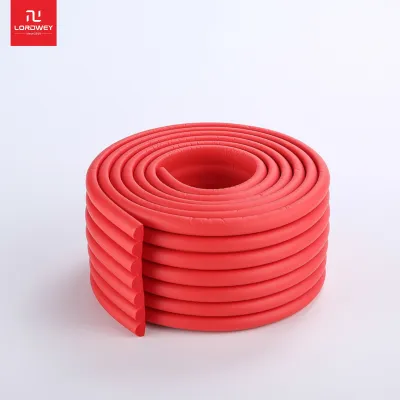
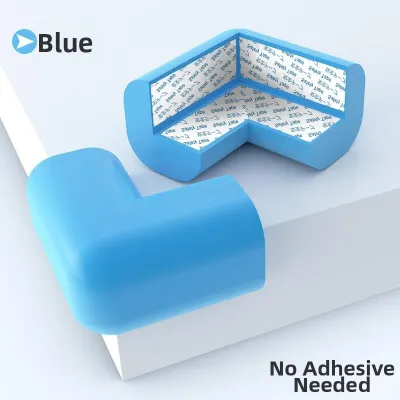
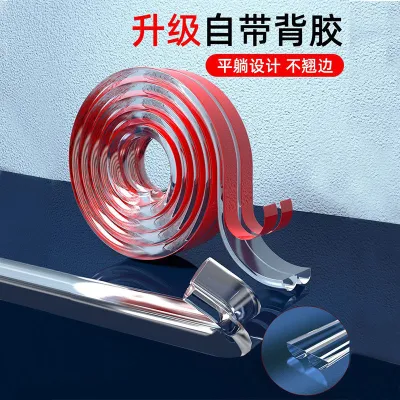
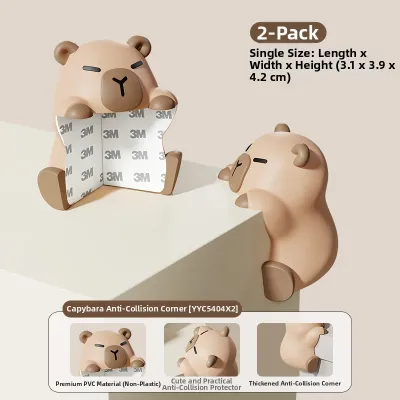
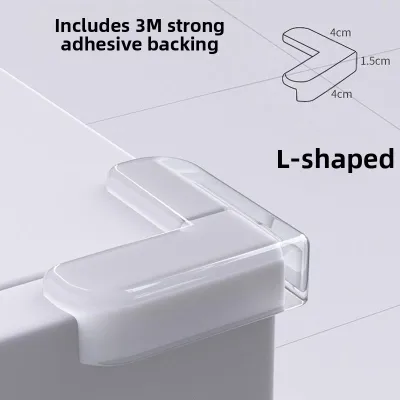
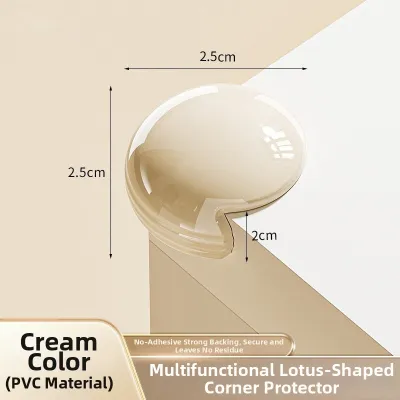
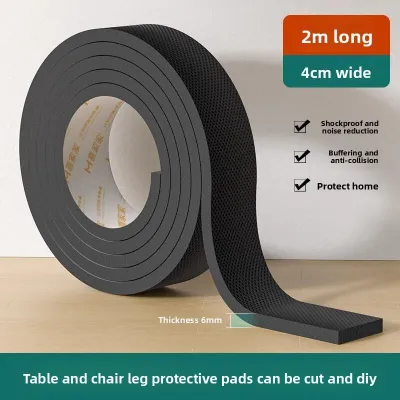
Prices are valid at publication and may change. Please refer to the product page for the latest price.

In Singapore’s warm and humid tropical climate, adhesive backing performance can degrade more quickly than in cooler environments. This makes material durability and tamper resistance critical factors to evaluate, as loose protectors can quickly become choking hazards. The following comparison table outlines how these materials perform across key safety and usability dimensions.
| Material | Impact Absorption | Durability | Tamper Resistance | Best Use Case |
|---|---|---|---|---|
| Foam (NBR/EVA) | High | Medium | Low | Wooden bed frames, high-impact risk zones |
| Silicone | Medium | High | High | Teething toddlers, modern or glass furniture |
| Plastic (PVC/Acrylic) | Low | Medium | Medium | Thin metal frames, older children |
Each material presents clear trade-offs. While foam excels at dampening force, it is easily damaged. Silicone offers excellent longevity and safety but provides less cushioning during high-velocity collisions. Rigid plastic prevents cuts but does not soften a hard impact.
Foam Protectors: Maximum Impact Absorption
High-density foam protectors, typically made from Nitrile Butadiene Rubber (NBR) or Ethylene-Vinyl Acetate (EVA), are the traditional choice for high-impact protection. The thick, spongy structure of foam allows it to compress significantly under pressure, absorbing and dispersing the kinetic energy of a fall. This makes foam highly effective for wooden bed frames with sharp, heavy corners where a toddler might bump their head while playing or crawling.
However, foam has notable drawbacks regarding long-term durability and child safety. Teething infants and toddlers often find the soft, squishy texture of foam appealing to bite or pick at. If a child manages to tear off a piece of foam, it poses an immediate and severe choking hazard. Additionally, foam is bulky and visually prominent, which can alter the look of your bedroom furniture.
When purchasing foam guards, caregivers must verify that the product is non-toxic, lead-free, and chemical-safe. Look for verifiable manufacturer compliance with toy safety standards on the packaging. If you observe any signs of tearing, peeling, or bite marks on a foam protector, remove and replace it immediately to maintain a safe environment.
Silicone Protectors: Durability and Discreet Design
Silicone corner protectors have grown in popularity because they strike a practical balance between safety, durability, and bedroom aesthetics. Made from an elastic polymer, silicone provides moderate impact absorption. While it does not compress as deeply as thick foam, it is highly effective at softening bumps and preventing serious bruises or lacerations.
The standout advantage of silicone is its exceptional resistance to tearing and biting. Teething toddlers cannot easily chew through or tear silicone, which significantly reduces the risk of ingestion and choking compared to foam. Furthermore, silicone protectors are often semi-transparent or transparent, allowing them to blend seamlessly with your bed frame’s natural wood grain or color without looking bulky.
Because silicone is a denser and heavier material than foam, it requires high-quality, strong adhesive tape to stay secured to the furniture. Caregivers should note that strong adhesives can sometimes react with certain wood varnishes or paints. It is highly recommended to test a small adhesive strip on an inconspicuous part of your bed frame before full installation to ensure it will not ruin the finish.
Plastic Protectors: Rigid Coverage for Sharp Edges
Rigid plastic corner protectors, usually manufactured from polyvinyl chloride (PVC) or acrylic, serve a very specific baby-proofing function. Unlike foam or silicone, hard plastic offers virtually no shock absorption. Instead, its primary purpose is to act as a physical shield over extremely sharp, thin, or jagged furniture corners, converting a cutting hazard into a blunt, rounded surface.
A significant risk associated with hard plastic is its vulnerability to physical damage over time. If subjected to a heavy impact—such as moving heavy bedroom furniture or a severe collision—rigid plastic can crack, chip, or shatter. This cracking can create sharp, jagged edges on the protector itself, introducing a new hazard to your child.
For this reason, hard plastic protectors are generally not recommended for low-lying bed frames where crawling infants are likely to fall. They are better suited for older children who no longer face a high risk of falling but still need protection from accidental scratches, or for securing high-level furniture edges that are out of reach of active toddlers.
How to Match the Material to Your Bed Frame Type
Selecting a bed corner protector requires matching the material properties of the guard to the specific construction and surface finish of your bed frame. Different frame materials interact uniquely with adhesives and physical impacts.
Wooden Bed Frames: Standard wooden bed frames, whether made of solid timber, pine, or medium-density fibreboard (MDF), typically feature flat, stable corners. Thick foam protectors are highly compatible with these surfaces, as the flat wood provides an excellent bonding area for double-sided adhesives. However, if your bed frame is an antique with delicate varnish, or features intricate carvings, avoid heavy-duty adhesives that can strip the wood grain. For delicate wood, opt for high-quality silicone guards with clean-removal adhesives, and always consult the furniture manufacturer’s care guide first.
Metal Bed Frames: Metal bed frames often feature thin, angular profiles or tubular steel designs that present very sharp edges. Soft foam guards are rarely suitable here, as they can easily be sliced through by the metal edge or fail to wrap securely around narrow corners. Instead, look for specialized silicone caps or rigid plastic guards designed to snap tightly onto thin metal profiles. Ensure the metal surface is thoroughly cleaned with isopropyl alcohol to remove any manufacturing oils before applying the adhesive.
Glass or Acrylic Frames: Modern platform beds or accompanying bedside tables sometimes incorporate glass or acrylic panels. For these materials, transparent silicone protectors are the ideal choice. They preserve the clean, minimalist aesthetic while providing essential impact protection. Avoid opaque foam or colored plastics, which can ruin the visual appeal of the furniture. When installing on glass, verify that the adhesive is UV-resistant and optically clear to prevent yellowing or leaving unsightly bubbles over time.
Upholstered or Leather Bed Frames: Applying adhesive-backed corner protectors to upholstered fabric, velvet, or genuine leather bed frames is highly discouraged. Strong adhesives can permanently stain, tear, or leave sticky residues on delicate fibers and leather grains. If you must protect an upholstered frame, avoid standard adhesives entirely. Look for non-adhesive, slip-on guards that rely on friction, or test a small, hidden patch of fabric with a mild mounting putty. If instructions conflict or the material is highly delicate, consult a professional furniture restorer or the manufacturer.
Safety and Durability: What to Check Before Buying
To ensure your baby-proofing efforts are both effective and safe, you must look beyond marketing claims and verify the technical specifications and safety standards of the products you purchase.
Choking and Ingestion Hazards: The most critical risk associated with edge guards is the potential for a child to peel off and swallow a piece of the protector. Caregivers must establish a routine of regular inspection. Check all installed protectors daily for signs of peeling, cracking, or bite marks. If a protector becomes loose or damaged, remove it immediately and replace it. Never leave a damaged guard in place, as a toddler’s curiosity can quickly turn a safety product into a choking hazard.
Toxicity and Material Certifications: Because infants explore their environment by mouthing objects, the chemical composition of corner protectors is paramount. Avoid products that do not clearly state their material ingredients. Look for verifiable manufacturer claims on the packaging, such as BPA-free, phthalate-free, lead-free, and non-toxic certifications. Verify whether the product complies with recognized international toy safety standards, such as the European Standard EN71 or the American ASTM F963.
Adhesive Safety and Residue: A corner protector is only as reliable as the adhesive holding it in place. While you want a strong bond that prevents toddlers from pulling the guard off, you also want an adhesive that can be removed without destroying your furniture. Look for reputable adhesive brands, such as 3M double-sided tape, which are engineered for clean removal. When removing a protector, always follow the manufacturer’s instructions, which typically recommend using gentle heat from a hairdryer to soften the adhesive before peeling.
Supervision Reminder: It is vital to understand that childproofing products are designed to reduce the severity of injuries during accidental collisions; they do not make a room completely safe. Active, adult supervision is always the primary line of defense. Keep a watchful eye on your child as they navigate their sleeping and playing environments.
Final Decision Framework: Choosing the Right Protector
To finalize your choice and ensure a safe, durable installation in your home, use this structured decision framework based on your specific household needs:
Choose Foam if: You have a crawling or newly walking toddler, a sturdy wooden bed frame, and prioritize maximum impact cushioning over aesthetics. Foam is the best choice for absorbing high-velocity impacts on broad, flat corners.
Choose Silicone if: You need a highly durable, tear-resistant option that resists bite marks from teething children, blends discreetly with modern or glass furniture, and your child is slightly older or less prone to picking at objects.
Choose Plastic if: You need to cover extremely sharp, thin metal or glass edges where preventing cuts and lacerations is your primary concern, and the child is older and less prone to falling.
Verify First if: Your bed frame has a delicate finish, antique varnish, or upholstered fabric. Always test the adhesive on a hidden area or consult the furniture manufacturer’s care guide before applying any protector to prevent permanent damage.
Frequently Asked Questions (FAQ)
How do I remove bed corner protectors without damaging my furniture?
To remove bed corner protectors safely and reversibly, start by applying gentle heat using a hairdryer on a low or medium setting for one to two minutes. This warms and softens the adhesive backing, making it easier to peel. Slowly and gently lift the protector from one edge, pulling parallel to the furniture’s surface rather than pulling straight up, which can tear off paint or wood varnish. For any sticky residue left behind, gently rub the area with a microfiber cloth dampened with a mild soap and warm water solution. Always check your furniture manufacturer’s cleaning guidelines before using any commercial adhesive removers, and test any solvent on a hidden area first to prevent finish damage.
Are transparent silicone corner protectors completely invisible?
While transparent silicone corner protectors are highly discreet compared to bulky, opaque foam, they are not completely invisible. Depending on your bedroom’s lighting, they may cast a slight shadow on the corner of the bed frame. Over time, dust, lint, or tiny air bubbles trapped within the adhesive layer can also become visible upon close inspection. To minimize visual distortion and maintain a clean look, look for high-quality silicone protectors that come with optically clear, premium adhesive pads, and ensure the bed frame’s surface is meticulously cleaned and dried before installation.

Community discussion
Share your experience or ask a question. Comments are reviewed before publication.