
Foam generally offers high impact absorption for high-velocity falls due to its compressibility, making it highly effective for sharp corners. Silicone, however, excels in durability, resisting teething bites and fingernail picking while offering a more discreet, easy-to-clean profile. The safest choice depends on your child’s developmental stage, the specific furniture pieces you are protecting, and how well the adhesive bonds to your home’s surfaces.
Baby-proofing is a balancing act between immediate physical protection and long-term durability. As infants transition to crawling and cruising, sharp coffee tables, TV consoles, and low shelves become immediate hazards.
Foam and silicone are the primary materials used for edge guards. While both serve the same fundamental purpose, they perform differently under physical stress, daily wear, and cleaning routines. To make an informed decision, parents must look beyond aesthetics and evaluate how these materials handle physical impacts, resist toddler tampering, and interact with various furniture surfaces.
Products mentioned in this guide
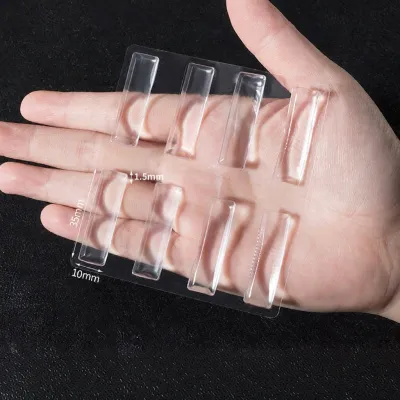
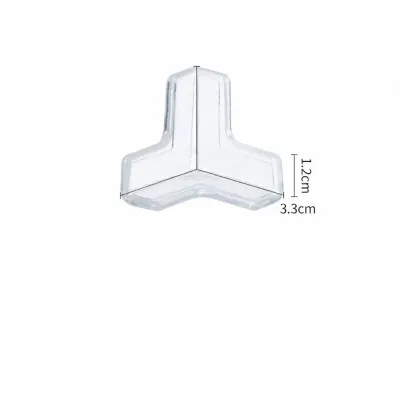
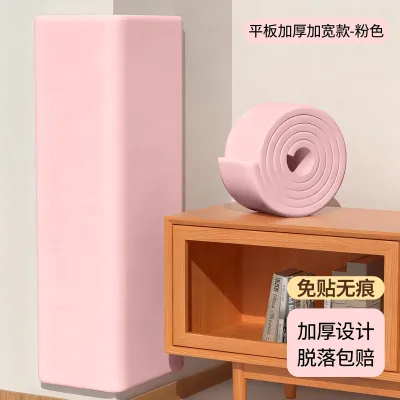

Prices are valid at publication and may change. Please refer to the product page for the latest price.
Core Differences in Impact Absorption and Safety
Foam bumper protectors, typically made from expanded rubber or polyurethane, rely on trapped air pockets to absorb impact. When a child bumps into a foam guard, the material compresses deeply, spreading the force of the impact over a wider surface area and slowing down the deceleration. This high compressibility makes foam highly forgiving for high-impact zones, such as the sharp corners of low wooden tables.
Silicone, on the other hand, is a dense, elastomeric polymer. It does not compress as easily as foam, but it offers excellent rebound resilience. Instead of deeply cushioning a blow, silicone disperses the energy across its dense structure. This makes it highly effective for preventing lacerations on narrow edges, though it may feel firmer to the touch during a direct collision.
Because material names alone do not guarantee a specific level of protection, you should check the manufacturer’s density and thickness specifications. High-density foam offers better resistance to bottoming out under heavy impact compared to low-density alternatives. For silicone, look for thicker profiles that provide a substantial physical barrier between your child and the hard furniture edge.
Regardless of the material you select, perform regular physical safety checks. Ensure the bumper protector covers the entire sharp edge without leaving gaps where small fingers can get caught. Press along the installed guard to verify there are no hard spots where the underlying furniture edge can still be felt through the material.
Durability and Resistance to Baby Tampering
As babies grow, they explore their environment not just with their hands, but also with their teeth. Foam edge guards are soft and textured, which can make them highly appealing to teething toddlers. A determined child can easily pick at foam with their fingernails or bite off small chunks, creating a serious choking hazard. If your child is in an active teething phase, standard foam protectors require constant supervision and frequent inspection.

Silicone is significantly more resilient against biting, chewing, and scratching. Its tough, rubbery texture resists tearing from tiny teeth and fingernails, making it a more durable option for high-traffic areas. However, it is important to remember that no material is entirely bite-proof; a persistent toddler with fully emerged teeth can eventually damage even dense silicone.
To maintain a safe environment, inspect your edge guards weekly for physical signs of wear. Look for teeth marks, small tears, crumbling edges, or areas where the material has begun to stretch out of shape. If you notice any missing pieces or structural degradation, remove and replace the bumper protector immediately to prevent accidental ingestion.
Adhesion and Furniture Surface Compatibility
The safety of any bumper protector is only as good as the adhesive holding it in place. Most edge guards rely on either acrylic-based or rubber-based double-sided tapes. Acrylic adhesives generally offer a stronger, long-term bond that cures over 24 hours, making them highly resistant to being pulled off by curious toddlers. Rubber-based adhesives provide a quick initial tack but may degrade faster when exposed to heat or moisture.
Proper surface preparation is critical to achieving a secure bond on different furniture materials. For glass, metal, and laminate surfaces, clean the area thoroughly with rubbing alcohol to remove dust, oils, and fingerprints before application. For finished wood and painted walls, use a mild soap and water solution instead, as harsh alcohol can strip the finish or paint. Ensure the surface is completely dry before pressing the adhesive firmly into place.
Removing these protectors can sometimes leave behind stubborn residue or even damage delicate surfaces. Veneers, cheap laminates, and painted drywall are particularly susceptible to peeling when strong adhesives are pulled away. To protect your furniture, always perform a spot test on a hidden area before applying the adhesive to highly visible surfaces.
Maintenance, Cleaning, and Long-Term Hygiene
Daily life with a toddler involves frequent spills, sticky fingers, and plenty of drool. Silicone is naturally non-porous, meaning it does not absorb liquids, oils, or saliva. This makes it incredibly easy to maintain; a quick wipe with a damp cloth and mild soap is usually enough to keep it clean and sanitary.
Foam, by contrast, has a porous structure that can easily trap moisture, dust, and food particles. Over time, spilled milk or saliva can seep into the foam, leading to deep stains and unpleasant odors. Cleaning foam requires more care, as soaking the material can trap water inside, weakening the adhesive backing and creating an environment ripe for bacterial growth.
To clean foam protectors safely, use a slightly damp microfiber cloth with a mild, baby-safe detergent, avoiding excess water near the adhesive seams. Never use harsh chemical cleaners or abrasive scrubs, which can degrade both foam and silicone. If you observe deep staining, persistent odors, or any signs of mold and mildew growing beneath or within the material, discard the protector immediately.
How to Choose the Right Bumper Protector for Your Home
Selecting the right material involves matching the physical characteristics of the protector to your child’s behavior and your home’s furniture. By evaluating your specific household needs, you can find the ideal balance between safety, durability, and aesthetics.
Choose Foam if:
- You need high impact cushioning: If you are protecting high-impact zones where a falling child is likely to make direct, heavy contact, such as low coffee tables, stone hearths, or sharp metal bed frames.
- Your child has passed the teething phase: If your toddler is no longer prone to chewing or picking at household objects, reducing the risk of them biting off and swallowing pieces of the soft material.
- You are protecting irregular surfaces: If you need a highly flexible material that can easily conform to curved edges or unusual furniture shapes without putting excessive tension on the adhesive.
Choose Silicone if:
- Your child is actively teething: If your baby is prone to chewing on furniture edges, as silicone's tough, tear-resistant texture can withstand biting and scratching much better than foam.
- Hygiene is a top priority: If you are applying protectors to high-use areas like dining tables, kitchen counters, or high chairs, where frequent spills require a non-porous, easily sanitizable surface.
- You prefer a discreet look: If you want a low-profile, transparent safety solution that blends in with modern home decor without drawing attention to the baby-proofing measures.
Verify first if:
- The adhesive is compatible with your furniture finish: Check if the adhesive tape is safe for use on your specific furniture material, especially if you have antique wood, delicate veneers, or painted surfaces that might peel upon removal.
- The product meets safety standards: Verify that the manufacturer's labels confirm the material is free from harmful chemicals, heavy metals, and phthalates, which is crucial since these items are often within reach of curious mouths.
- The dimensions match your furniture edges: Measure the thickness of your table edges and corners to ensure the bumper protector you choose will fit securely without leaving dangerous gaps or overhangs.
Ultimately, the decision comes down to a trade-off between substantial cushioning and long-term durability. Foam provides unmatched softness for heavy impacts but requires vigilant monitoring to prevent choking hazards from chewing. Silicone offers greater longevity, hygiene, and resistance to toddler tampering, making it an excellent choice for everyday protection on active household surfaces.
Frequently Asked Questions (FAQ)
Are transparent silicone bumpers less visible than foam ones?
Yes, transparent silicone bumpers are generally much less visible than foam ones, allowing the natural beauty of your wood, glass, or metal furniture to show through. This makes them a popular choice for parents who want to maintain their home’s aesthetic. However, keep in mind that clear silicone can yellow over time when exposed to direct sunlight and UV rays. Foam protectors do not offer transparency, but they are available in various solid colors designed to match common wood tones and paint finishes.
How often should baby bumper protectors be replaced?
Baby bumper protectors should be replaced immediately if you observe any physical degradation, such as cracking, tearing, or crumbling. You should also replace them if the adhesive backing begins to lift, as a loose protector no longer provides reliable impact protection and can become a choking hazard. Regularly press on the guards to ensure they still offer adequate cushioning; if the material has become permanently compressed or hardened, it is time to install a fresh set.

Community discussion
Share your experience or ask a question. Comments are reviewed before publication.