
Choosing the right waterproof changing mat is a key decision when setting up your nursery, as it directly impacts your daily diapering routine, your baby’s comfort, and the ease of maintaining a hygienic environment. The ideal material depends on whether you prioritize deep cushioning, effortless wipe-clean maintenance, or a soft, fabric-like texture. Foam, PVC, and TPU each offer distinct advantages and trade-offs in terms of physical support, durability, and cleaning requirements. By understanding how these materials perform under daily use, you can select a changing mat that fits seamlessly onto your changing table and keeps your baby secure during every change.
Understanding Foam, PVC, and TPU Changing Mats
To make an informed choice, it is essential to understand how each of these three common materials is constructed and utilized in nursery settings. Foam changing mats typically feature a core made of polyurethane (PU) or polyethylene (PE) foam, which is then enclosed in a separate, removable waterproof cover. This design allows the inner core to provide substantial structural support while the outer cover shields the foam from moisture and spills. The foam core is often molded into specific shapes, such as contoured or wedge designs, to help keep your baby centered on the mat.
PVC (polyvinyl chloride) changing mats, often referred to as vinyl mats, generally consist of a padded interior sealed inside a solid, integrated plastic outer layer. This construction creates a completely seamless, non-porous surface that prevents liquids from penetrating the interior padding. Because the outer layer is fused directly over the cushioning, PVC mats are highly effective at blocking moisture, though they lack the fabric-like texture found in other options.
Products mentioned in this guide
![[3 for $9.90] Waterproof Reusable Baby Diaper Changing Mats 50x70cm Pads For Nappy Change Sleep Travel Friendly](https://img.lazcdn.com/g/p/45fe80dd4dd5a3c3d9dd3dfc78ab64af.png_400x400q80.png_.webp)
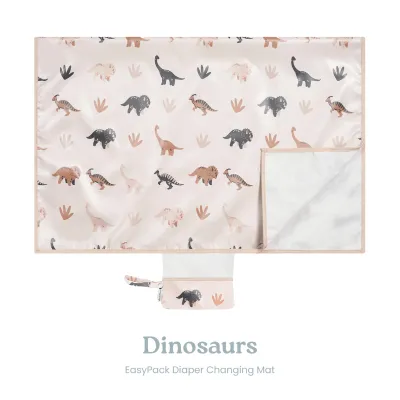
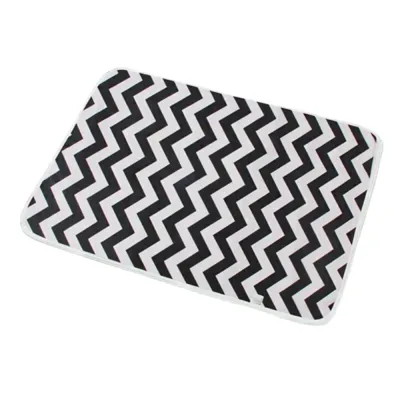
Prices are valid at publication and may change. Please refer to the product page for the latest price.
TPU (thermoplastic polyurethane) changing mats represent a modern alternative that laminates a thin, flexible waterproof membrane onto a fabric backing or directly onto a foam core. This material is designed to offer the waterproof performance of traditional plastics while retaining the soft, pliable feel of woven textiles. TPU is frequently used in nursery gear because it provides a quieter, less crinkly surface than PVC, making it a popular choice for parents who prefer a more natural texture against their baby’s skin.
Comparing Comfort and Cushioning
The physical comfort of a changing mat is determined by its thickness, density, and how quickly the material recovers its shape after compression. Foam mats generally offer the highest level of cushioning, as the thick PU or PE foam cores absorb weight efficiently and provide a soft, supportive surface for your baby’s head and spine. When evaluating foam options, look for high-density foam that does not bottom out under your baby’s weight, ensuring consistent support during longer changing sessions.

Surface temperature and texture also play a significant role in your baby’s comfort, particularly in warm or humid climates like Singapore. PVC surfaces can feel cold to the touch in air-conditioned rooms, or sticky and warm in humid conditions, which may cause minor discomfort or fussiness during diaper changes. In contrast, TPU mats and fabric-covered foam mats tend to maintain a more neutral temperature and offer a softer, less abrasive texture against delicate skin.
Safety and ergonomics are closely tied to the physical shape of the mat. Many foam and TPU mats feature contoured edges—often referred to as two-sided or three-sided contour pads—which rise gently on the sides to help keep your baby securely positioned in the center. When selecting a mat, verify the manufacturer’s specified weight limits and check that the contouring is firm enough to resist flattening when your baby leans against the edges.
Cleaning, Stain Resistance, and Maintenance
Daily hygiene is a primary consideration for any diaper-changing setup, and the ease of cleaning varies significantly between these three materials. PVC mats excel in straightforward daily maintenance because their completely seamless, non-porous surfaces can be wiped clean in seconds with a damp cloth or mild soapy water. Because there are no seams, zippers, or fabric crevices, there are fewer places for liquids to pool or for bacteria to accumulate, making PVC an exceptionally hygienic option for busy parents.
Foam and TPU mats with removable fabric covers require a slightly different maintenance routine. While the waterproof TPU layer or the protective cover prevents moisture from reaching the inner foam, you will periodically need to remove and machine-wash the outer cover to address stains and odors. When managing these mats, it is crucial to verify the care labels and avoid harsh chemical cleaners, bleach, or abrasive scrubs, as these can degrade the waterproof laminate over time and compromise the mat’s integrity.
Moisture management is particularly important in humid environments to prevent the growth of mold and mildew. If moisture penetrates a zipper or a damaged seam on a foam mat, the inner core can trap dampness, leading to hidden mold growth. To prevent this, ensure that any washed covers are completely dry before slipping them back over the foam core, and regularly inspect the underside of the mat for any signs of condensation or trapped moisture between the mat and the changing table surface.
Durability, Safety Checks, and Longevity
A changing mat must withstand frequent daily use over several years, making durability and safety compliance key factors in your purchase. Over time, exposure to moisture, cleaning agents, and friction can cause materials to degrade. PVC mats, while highly water-resistant, can eventually develop cracks or peeling along the folded edges or seams as the plastic hardens with age. If you notice any cracking or peeling, the mat should be replaced immediately, as these damaged areas can harbor bacteria and scratch your baby’s skin.
When assessing safety, it is important to check product labels for relevant material certifications. Because PVC historically utilized phthalates to achieve flexibility, modern nursery products should explicitly state that they are phthalate-free and non-toxic. TPU is naturally more flexible than PVC without the addition of chemical plasticizers, making it highly resistant to tearing, cracking, and peeling even after repeated flexing and washing.
Stability on the changing table is another critical safety feature to evaluate before use. Look for mats equipped with a non-slip base or rubberized grip dots on the bottom to prevent the mat from sliding during active diaper changes. Additionally, verify that the mat features secure safety straps that can be anchored directly to your changing table or dresser, and always ensure these straps are adjusted to fit your baby snugly and securely under direct supervision.
Decision Framework: Which Material Should You Choose?
Selecting the right changing mat material involves balancing your specific nursery space, maintenance preferences, and comfort priorities. If your primary goal is to provide maximum physical support and a highly contoured, secure space for an active baby, a high-density foam mat with a removable, washable cover is an excellent choice. Foam mats are lightweight, easy to move around the home, and offer cushioning for families who prefer a dedicated, structured changing station.
If you prioritize effortless, rapid cleanup and a highly water-resistant, seamless surface, a PVC mat is the most practical option. PVC mats are ideal for parents who want to wipe away messes instantly without waiting for fabric covers to dry in the laundry. This material is particularly suited for high-frequency changing areas where quick turnarounds are essential, provided you verify that the product is certified phthalate-free.
For parents seeking a balance of soft, fabric-like comfort and reliable waterproof protection, a TPU mat offers a modern, resilient solution. TPU provides a quieter, more flexible surface that resists cracking and peeling, making it a durable investment for long-term use. Before making your final decision, always measure your changing table or dresser top to ensure the mat fits perfectly within the safety barriers, and confirm that the weight capacity and strap configurations align with your nursery setup.
Frequently Asked Questions (FAQ)
Can I use a standard waterproof mattress protector instead of a changing mat?
Standard waterproof mattress protectors and flat changing pads lack the structural support, contoured edges, and non-slip bases that define a dedicated changing mat. Using a flat, unsecured cover on an elevated changing table poses significant safety risks, as it can easily slide or shift when your baby moves. Dedicated changing mats are specifically engineered with raised sides to help contain rolling and include safety straps designed to anchor the mat securely to the changing furniture, providing a stable environment that a standard mattress protector cannot replicate.
How do I know when it is time to replace a waterproof changing mat?
You should inspect your changing mat regularly for visible signs of wear and tear that could compromise hygiene or safety. Key indicators that it is time for a replacement include cracking, peeling, or splitting along the seams, as well as permanent indentations in the foam core that reduce its supportive qualities. If the waterproof outer layer of a TPU or PVC mat is punctured or torn, moisture can seep into the inner padding, creating an environment ripe for mold and bacterial growth; in such cases, stop using the mat immediately and consult the manufacturer’s guidelines.

Community discussion
Share your experience or ask a question. Comments are reviewed before publication.