
When your child transitions from crawling to those tentative first steps, selecting the right baby push walker becomes a major priority. This developmental milestone is an exciting phase, but it also introduces new safety considerations as your little one gains mobility. Two of the most prominent brands dominating this space are Fisher-Price and VTech, each offering distinct design philosophies to support early walking.
While both manufacturers produce highly popular toys, parents frequently wonder which brand offers a safer design for a developing child. Safety in a push walker is not a single, static feature; rather, it is a combination of physical stability, speed control, material integrity, and how well the toy matches your baby’s current physical capabilities. Understanding these differences is key to making an informed choice that suits your home environment.
Quick Answer: Which Push Walker Brand Is Safer?
Neither Fisher-Price nor VTech can be declared universally safer than the other, as safety depends heavily on the specific model, your baby’s developmental stage, and the flooring in your home. Both brands manufacture products that comply with rigorous international safety standards, but they approach the walking transition with different design priorities.
Products mentioned in this guide
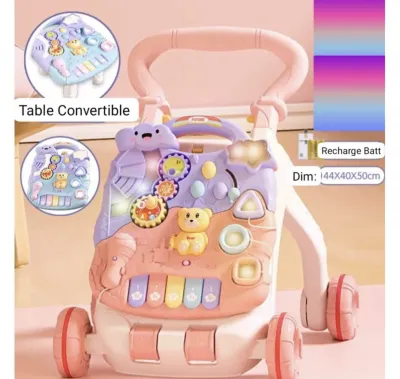
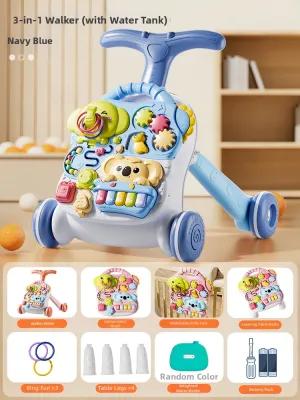
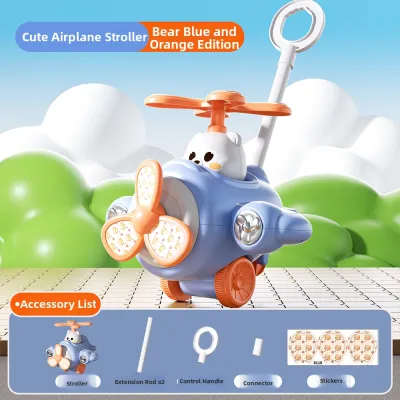
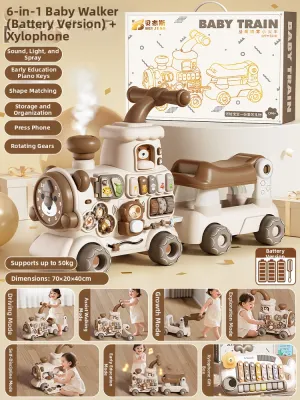
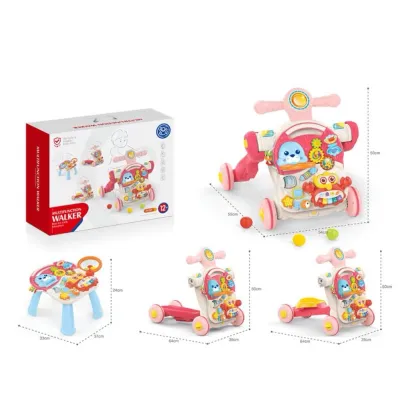
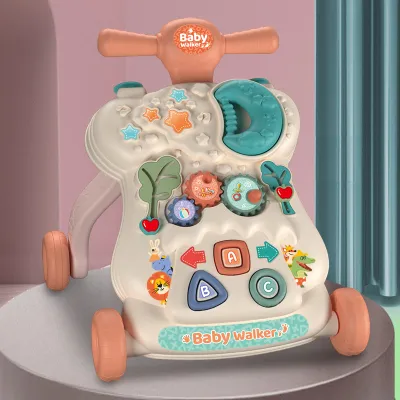
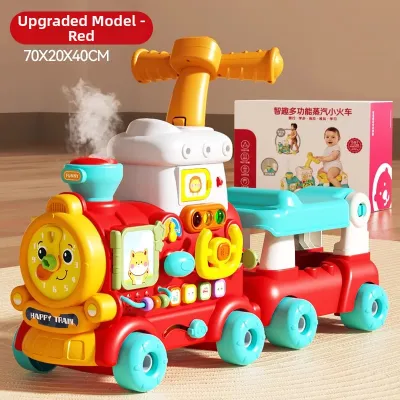
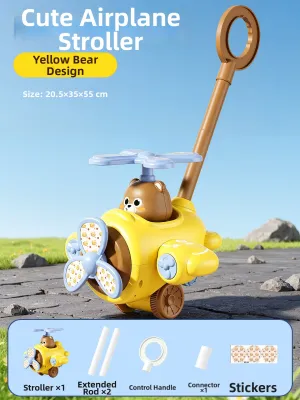
Prices are valid at publication and may change. Please refer to the product page for the latest price.
Fisher-Price typically emphasizes physical, mechanical stability, often utilizing wider wheelbases and simpler, tactile activities that encourage gross motor development without digital distractions. VTech, conversely, is famous for its highly interactive electronic panels that provide auditory and visual stimulation, which can be highly motivating for babies learning to stand, though these models require careful monitoring of speed and wheel traction.
Ultimately, the safest walker is the one that matches your child’s physical strength and operates safely on your specific floor surfaces. Before purchasing, you must verify the model’s physical stability, check for adjustable speed controls, and ensure the wheels are compatible with your home’s flooring.
Comparing Safety Features and Physical Stability in a Baby Push Walker
The primary physical hazard associated with a baby push walker is the risk of falls and tip-overs. When a baby is learning to stand and walk, they do not yet possess refined balance or weight distribution. They rely on the walker’s frame to support their full body weight, making structural engineering a critical safety factor.

Base Design and Anti-Tip Mechanisms
During the pull-to-stand phase, a baby will grab the handlebar of the walker and pull themselves upward. This action exerts a combination of downward and backward force on the toy. If the walker’s center of gravity is too high or the wheelbase is too narrow, the entire unit can tip backward onto the child.
When comparing designs, look closely at the width of the base and the angle of the rear legs. Many Fisher-Price models feature a low-slung, wide plastic frame. This design keeps the center of gravity low, distributing the baby’s weight more evenly across the four wheels. The wide-set wheels help prevent lateral tipping when a baby leans to one side.
Many VTech models feature a more upright, vertical design to accommodate their signature interactive electronic panels. While these panels add front-loaded weight that can help prevent backward tipping, the upright posture means the handlebar is positioned closer to the rear wheel axle. Parents should physically test how much backward force is required to lift the front wheels of any model under consideration. Angled back legs that extend significantly behind the handlebar plane are highly effective at preventing the walker from flipping backward during a pull-up.
Speed Control and Wheel Grip
Once a baby is upright and moving, the speed of the walker must match their physical walking pace. If the walker rolls forward too quickly, the baby’s legs will not be able to keep up, leading to a forward fall. This risk is particularly high on smooth, hard flooring surfaces.
In many Singapore homes, flooring materials like polished marble, glazed ceramic tiles, and smooth vinyl laminates are standard. These slick surfaces offer very little natural friction. Hard plastic wheels on a push walker can slide effortlessly across these floors, sometimes sliding sideways or shooting forward even if the wheels are locked.
To mitigate this risk, verify whether the walker features adjustable speed resistance or lockable wheels. Some models include tension dials or switch mechanisms on the rear wheels that allow you to increase rolling resistance, slowing the walker down for early steps. Additionally, look for wheels equipped with rubberized traction strips or silicone rings. These elastomeric grips provide vital friction on slick tiles, ensuring the wheels turn predictably rather than sliding uncontrollably, which keeps the walker moving at a manageable, safe pace.
Build Quality and Material Safety Checks
Beyond physical stability, the overall build quality and material composition of a baby push walker play a vital role in preventing injuries. Toddlers are naturally curious and will pull, bite, and push every part of their toys, making structural durability and non-toxic materials essential.
When evaluating plastic toys, look for high-grade, impact-resistant plastics such as ABS. The plastic should feel rigid and solid, with no flexing when you apply firm pressure to the frame. Run your hands along all edges, seams, and joints of the walker. High-quality manufacturing ensures there are no sharp plastic burrs, rough flashing, or narrow gaps where tiny fingers or skin could get pinched during play.
Because both brands incorporate interactive elements, battery safety is a paramount concern. Any model with electronic features must have a secure battery compartment. Inspect the compartment to ensure it is locked behind a deeply recessed screw that requires a screwdriver or a specific tool to open. This design prevents toddlers from accessing the batteries, which pose severe chemical and choking hazards if swallowed.
Additionally, examine the walker for any small, detachable components. Sorting blocks, plastic phones, and clip-on toys must be large enough to pass standard choke-tube tests. They should be constructed from solid, non-toxic, BPA-free plastics that will not crack or splinter if chewed on or dropped repeatedly.
Finally, test the strength of the handlebar grip. The handlebar must be securely bolted or clicked into the main frame, showing zero wobble. A textured or contoured grip is highly beneficial, as it helps sweaty hands maintain a firm hold during active play sessions in warm, humid climates.
Age-Appropriateness and Developmental Design
A push walker is most effective—and safest—when it aligns perfectly with your baby’s current developmental milestones. Both Fisher-Price and VTech design their walkers to grow with your child, transitioning from sit-and-play toys to active walking aids, but they use very different approaches to engage young minds.
Fisher-Price: Activity-Centric Engagement
Fisher-Price models often focus heavily on mechanical and tactile exploration. These designs frequently feature physical toys built directly into the frame, such as spinning rollers, sliding beads, clicking dials, toggles, and shape-sorting slots.
This mechanical approach encourages babies to develop fine motor skills and hand-eye coordination through physical manipulation. Because these activities do not rely on batteries or digital screens, they offer a calmer, less distracting play environment. A baby can focus entirely on the physical feedback of their actions, such as hearing a plastic bead click or watching a gear spin.
From a safety perspective, this simpler design can prevent sensory overstimulation. When a baby is learning to walk, their brain is working hard to coordinate balance, spatial awareness, and muscle movement. A walker that does not overwhelm them with flashing lights and loud sounds allows them to concentrate more fully on the physical mechanics of taking steps and maintaining their balance.
VTech: Electronic and Sensory Stimulation
VTech is renowned for its highly interactive, electronic play panels. These panels are typically packed with piano keys, light-up buttons, digital voice prompts, songs, and sound effects designed to teach numbers, colors, and animal sounds.
This high level of sensory stimulation can be incredibly motivating for a baby. The cheerful music and flashing lights can encourage a hesitant crawler to stand up and interact with the toy. Many VTech models feature a removable play panel, allowing younger babies to sit and play with the electronic board on the floor before they are physically ready to stand.
However, this electronic engagement requires mindful management by parents. Look for models that feature physical volume control switches or complete mute buttons. High-decibel toys held close to a baby’s ears can pose risks to infant hearing, and excessive sensory input can sometimes lead to overstimulation or fatigue. Ensuring you can adjust or turn off the electronic sounds allows you to control the play environment, keeping it safe and comfortable for your child.
Pre-Purchase Safety and Fit Verification Checklist
Before finalizing your purchase of any baby push walker, performing a few systematic safety checks will help ensure the toy is safe for your specific child and home environment.
- Verify Recognized Safety Standards: Inspect the product packaging or manufacturer's website for certified safety marks. Look for international standards such as ASTM F963 (United States) or EN71 (Europe). In Singapore, ensure the product complies with local consumer product safety regulations and carries any required local safety labels.
- Check Weight and Height Limits: Consult the user manual or product label for the manufacturer's specified minimum and maximum weight and height thresholds. Placing a baby who is too heavy or too tall for a walker can compromise its structural integrity and balance, increasing the risk of a tip-over.
- Inspect for Active Recalls: Before buying a new model or accepting a secondhand walker, check official consumer safety portals and manufacturer recall databases. Confirm that the specific model number has not been recalled for design defects, choking hazards, or structural failures.
- Assess Your Home Flooring: Evaluate the surfaces where your baby will use the walker. If you have slick tiles or polished wood, prioritize models that feature rubberized wheel grips and adjustable speed resistance to prevent slipping. If you have thick carpets or rugs, ensure the wheels are large enough to roll smoothly without catching and causing a sudden stop.
- Prepare a Safe Play Area: Before letting your baby use the walker, clear the room of potential hazards. Block access to stairways, steps, and balconies with secure baby gates. Keep electrical cords, loose rugs, hot liquids, and sharp furniture corners out of reach, as a mobile baby can move surprisingly fast.
Final Verdict: Which Push Walker Should You Choose?
Choosing between Fisher-Price and VTech ultimately comes down to your baby’s unique personality, their physical development, and the layout of your home. Both brands offer excellent, safety-certified options, but they serve different needs.
Choose Fisher-Price if you want a highly stable, low-slung walker that prioritizes mechanical, tactile play. This option is ideal if you want to minimize electronic noise, prevent sensory overstimulation, and provide a sturdy frame with a wide base that helps early walkers focus entirely on developing their physical balance and motor skills.
Choose VTech if your baby is highly motivated by auditory and visual rewards, and you want an interactive toy that transitions easily from floor-based play to standing practice. This option is excellent if you want a removable electronic panel that keeps your child engaged across multiple developmental stages, provided you actively manage the volume and speed settings.
Verify first if your home features highly polished, slick floors, in which case you must prioritize a model with excellent wheel traction and adjustable speed resistance regardless of the brand. Remember that no matter which baby push walker you choose, it cannot replace active adult supervision. Always stay within arm’s reach of your baby while they are using the walker to ensure they explore their surroundings safely.
Community discussion
Share your experience or ask a question. Comments are reviewed before publication.