
Quick Answer: Which Door Guard Protector Fits Your Child's Safety Needs?
When baby-proofing your home, choosing the right door guard protector can prevent painful injuries. However, comparing finger pinch guards and full door edge protectors is not a matter of finding which is universally superior. Instead, it is about understanding that they target two completely different physical hazard zones on a door. Neither product can fully replace the other because they address distinct mechanical risks.
Finger pinch guards are designed to protect the hinge side of the door. This area poses a severe crushing risk, as the closing door acts as a powerful lever that can cause catastrophic injuries to a toddler’s small fingers. In contrast, full door edge protectors wrap around the free edge—the lock or handle side—to cushion blunt-force impacts and prevent minor pinches when a door is pushed shut.
Ultimately, the best choice depends on the specific layout of your home and the developmental stage of your child. High-traffic areas with heavy doors or rooms prone to strong drafts often require a combination of both systems to achieve comprehensive safety. No matter which device you install, remember that safety hardware is only a supportive measure and cannot replace active adult supervision.
Products mentioned in this guide
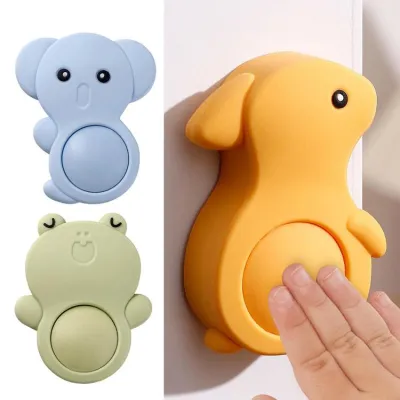
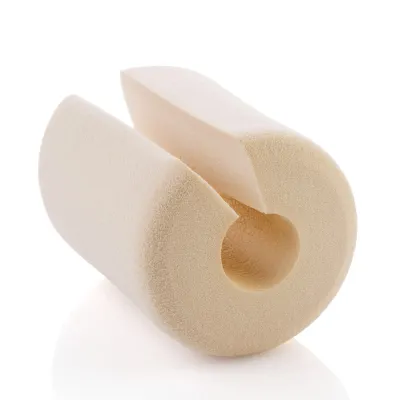
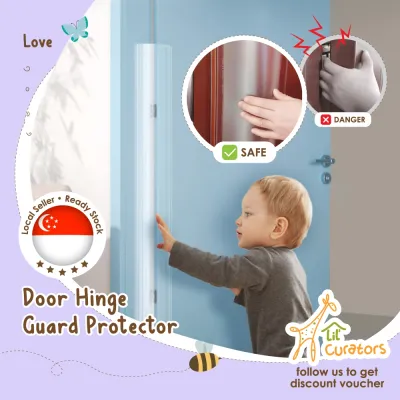
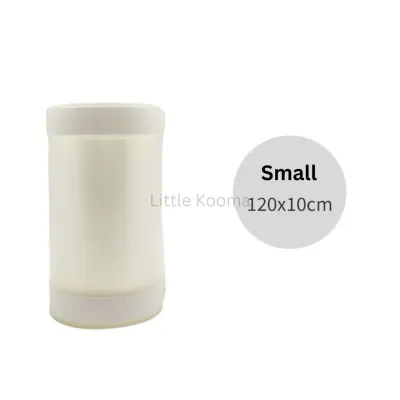
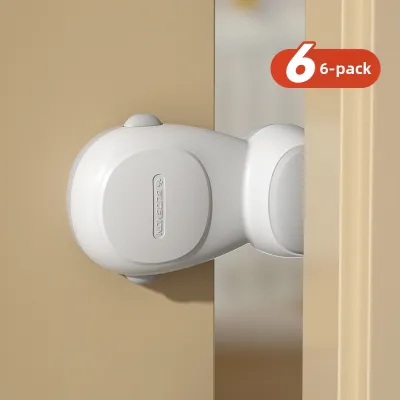
Prices are valid at publication and may change. Please refer to the product page for the latest price.
How They Work: Finger Pinch Guards vs Full Door Edge Protectors
To make an informed decision, you must first understand the mechanical differences and physical placement of each door guard protector. Doors present different hazards depending on which side a child approaches, and each protector uses a unique physical design to mitigate these risks.

Finger Pinch Guards (Hinge-Side Defense)
Finger pinch guards are specialized safety devices installed on the hinge side of a door, which is the most dangerous zone for severe hand injuries. These guards typically consist of flexible, accordion-style plastic sheets, heavy-duty fabric rollers, or long rubber strips. They are mounted vertically along the door frame, covering the gap that opens between the door and the frame when the door is ajar.
When a door opens, the hinge-side gap widens into a tempting triangular space for curious toddlers who are crawling or learning to stand. As the door closes, this gap narrows with immense mechanical force. A hinge-side guard physically blocks access to this opening, creating a flexible barrier that stretches and retracts as the door moves. Because they seal off this space, they prevent a child from inserting their fingers into the hinge mechanism. However, these guards offer no protection on the handle side of the door.
Full Door Edge Protectors (Impact and Edge Defense)
Full door edge protectors are designed to cushion the free-swinging edge of the door, which includes the handle, latch, and outer vertical border. These protectors are usually long, U-shaped or C-shaped strips made of soft, energy-absorbing materials such as ethylene-vinyl acetate (EVA) foam, nitrile butadiene rubber (NBR), or flexible silicone. They wrap directly around the outer edge of the door panel.
These devices serve a dual purpose. First, they cushion the hard, sharp edge of the door, protecting active toddlers who might run into it while playing. Second, they fill the narrow gap on the lock side, preventing the door from closing completely or softening the impact if a child’s hand is caught in the latch area. While they are highly effective at preventing injuries on the swinging side of the door, they leave the hinge side completely exposed.
Comparing Safety Coverage, Installation, and Durability
Evaluating both products across practical dimensions helps you choose the right solution for your home’s layout, door types, and your child’s behavior.
Hazard Coverage and Protection Zones
The physical consequences of hinge-side and lock-side door accidents differ significantly. Hinge-side injuries are medically classified as high-energy crush injuries. Because of the lever physics of a swinging door, the force exerted near the hinges is concentrated and extremely high, which can lead to fractures, deep lacerations, or even amputation. Finger pinch guards are essential because they prevent these life-altering injuries in a zone that parents often overlook.
Lock-side injuries, while still painful, are typically lower-energy impacts. They usually result in minor pinches, bruises, or swollen fingertips. However, in homes with strong cross-ventilation—a common feature in Singapore’s high-rise apartments—sudden drafts can slam doors with enough force to cause fractures on the lock side as well. If your home has doors that swing into narrow, high-traffic hallways, full door edge protectors are highly beneficial to cushion accidental collisions.
Door Compatibility and Installation Methods
Before purchasing any door guard protector, you must assess your door frames and panels to ensure a secure fit without causing permanent damage.
- Adhesive Requirements: Both types of protectors rely heavily on pressure-sensitive adhesives to stay in place. Strong adhesives can peel off paint, varnish, or wood veneer when removed. If you are renting your home, look for semi-permanent adhesives or guards that clip onto the door frame without glue.
- Frame Clearance: Finger pinch guards require a specific amount of clearance between the door and the frame when closed. If your doors have very tight tolerances or weather-stripping, installing a hinge guard may prevent the door from latching properly.
- Door Thickness: Full door edge protectors must match the thickness of your door panel to wrap around it securely. Standard interior doors are usually 35mm to 40mm thick, but heavy entrance doors or fire-rated doors can be much thicker. Always measure your door thickness and check the manufacturer's specifications before buying.
Toddler-Proofing and Material Durability
A safety device is only effective if it can withstand daily use and the curious hands of a toddler.
Foam edge protectors are soft and textured, making them highly appealing to teething toddlers who may try to bite or peel them off. If a toddler manages to tear off a piece of foam, it instantly becomes a severe choking hazard. For this reason, you should prioritize high-density, bite-resistant materials like silicone or heavy-duty rubber, and regularly check that the adhesive remains firmly bonded to the door.
Hinge-side guards are generally installed higher up or flat against the frame, making them harder for small hands to reach and pull off. However, because they feature folds or rolling mechanisms, they can collect dust, pet hair, and lint over time, which can interfere with their movement.
Environmental factors also play a major role in durability. In Singapore’s hot and humid tropical climate, adhesive backings degrade much faster than they do in dry environments. High humidity can cause the adhesive to soften, slip, or lose its grip entirely. You must monitor your door guards regularly for any signs of peeling or sliding, especially on doors in non-air-conditioned areas like kitchens, bathrooms, or service yards.
Decision Framework: Which Protector Should You Install?
To help you choose the right protection for your home, use this structured decision framework based on your specific household scenarios.
- Choose Finger Pinch Guards if: Your primary concern is preventing severe crushing injuries, your doors are heavy and close quickly, or the door opens wide into a dedicated play area where children crawl and explore near the wall.
- Choose Full Door Edge Protectors if: Your toddler is newly walking and prone to bumping into sharp door edges, you want to cushion the impact of doors that swing into narrow hallways, or you want to prevent minor pinches on the lock side.
- Use Both if: The door is in a high-traffic, high-risk area such as a nursery, kitchen, or a heavy bathroom door, where the risk of both hinge-side traps and lock-side slams is elevated.
- Verify First if: You are renting your home (check your tenancy agreement regarding adhesive damage), you have fire-rated doors (modifying these doors with screws or permanent adhesives may void their fire-safety certification), or your doors have non-standard thicknesses or clearances.
Safe Installation and Ongoing Maintenance Checklist
Proper installation and regular maintenance are critical to ensure your door guard protector functions correctly over time. Follow this checklist to secure your home safely:
- Surface Preparation: Clean the door and frame thoroughly with isopropyl rubbing alcohol to remove all grease, dust, and oil. Do not use household glass cleaners or soap, as they can leave a residue that prevents the adhesive from bonding. Allow the surface to dry completely before proceeding.
- Precise Alignment: Before removing the adhesive backing, hold the protector against the door to test the alignment. Ensure that finger pinch guards have enough slack to fold properly when the door is closed, and that edge protectors do not block the door latch or lock mechanism.
- Adhesive Curing: Once applied, press firmly along the entire length of the adhesive strip for at least 30 seconds to activate the pressure-sensitive bond. Allow the adhesive to cure undisturbed for the manufacturer's recommended time—typically 24 to 48 hours—before letting your child near the door or swinging it excessively.
- Routine Inspections: Perform a weekly "tug-test" on all installed protectors. In humid conditions, check for any sliding, lifting edges, or sticky residue. If you notice any peeling, replace the adhesive or the entire unit immediately to prevent choking hazards.
- Safety Boundaries: Remember that door guards are supplementary safety measures. They do not replace the need to keep heavy utility doors closed, use magnetic doorstops to prevent sudden slamming from drafts, and maintain active adult supervision at all times.
Frequently Asked Questions (FAQ)
Can I use both a finger pinch guard and an edge protector on the same door?
Yes, you can use both devices on the same door because they protect entirely different areas. The finger pinch guard is installed on the hinge side, while the full door edge protector is applied to the swinging lock side. Using both provides comprehensive, 360-degree protection against both severe hinge-crushing injuries and lock-side impacts. Before completing the installation, verify that the combined thickness of the products does not prevent the door from closing, latching, or locking properly.
Are foam door edge protectors safe if my toddler chews on them?
While many foam protectors are labeled as non-toxic, they are not safe for chewing. Toddlers can easily bite off small pieces of soft EVA or NBR foam, which poses a severe choking hazard. If your child is in an active teething phase, avoid soft foam protectors. Instead, look for durable, bite-resistant materials like high-density silicone or hard rubber. Always check product labels to verify that the materials are free from harmful chemicals like phthalates, BPA, and heavy metals, and supervise your child closely around any baby-proofing hardware.

Community discussion
Share your experience or ask a question. Comments are reviewed before publication.