
Finding the right pregnancy belly belt in Singapore involves balancing support, comfort, and the realities of a tropical climate. As your body changes to accommodate your growing baby, the extra weight can place significant strain on your lower back, hips, and pelvis. To manage this discomfort, many expectant mothers turn to supportive maternity wear. Trusted brands like Belly Bandit, Momcozy, and NeoTech Care, alongside accessible pharmacy and local maternity store labels, offer distinct designs to help distribute weight more evenly. Choosing the ideal option requires looking beyond brand reputation to evaluate specific materials, adjustability, and how well a belt fits into your daily routine.
Understanding the Role of a Pregnancy Belly Belt
Pregnancy brings natural physical shifts, but sharp, shooting, or persistent pain in the pelvic area or lower back requires careful attention. While mild muscle fatigue is common as your center of gravity shifts forward, severe pelvic girdle pain (PGP) or symphysis pubis dysfunction (SPD) should always be evaluated by an obstetrician or a qualified women’s health physiotherapist before you self-treat with support garments.
A pregnancy belly belt works by providing an upward lift to the lower abdomen, which helps redistribute the baby’s weight across your hips and upper torso. This mechanical lifting action reduces the forward pull on your lumbar spine, easing the strain on your lower back muscles. Additionally, structured belts wrap securely around the pelvis, helping to stabilize the sacroiliac and pubic joints that naturally loosen during pregnancy due to hormonal changes.
Products mentioned in this guide
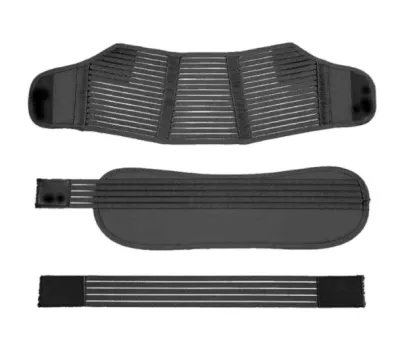
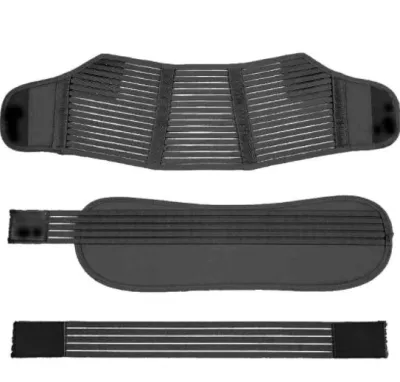
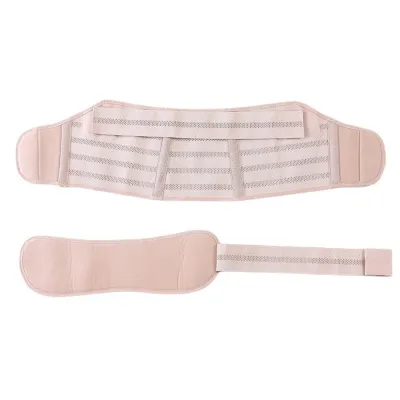
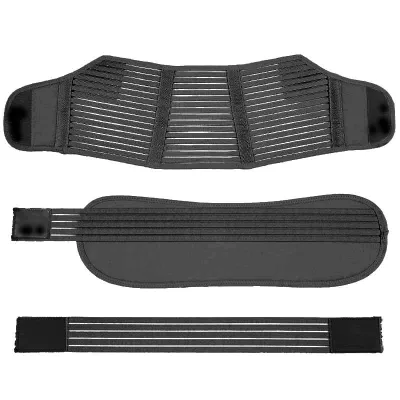
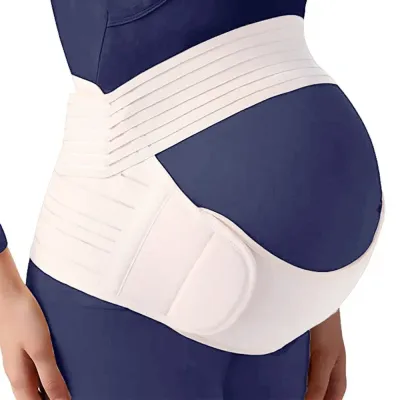
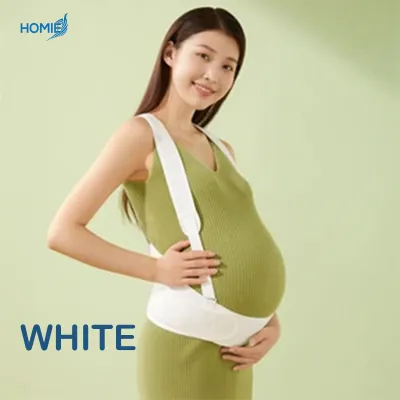
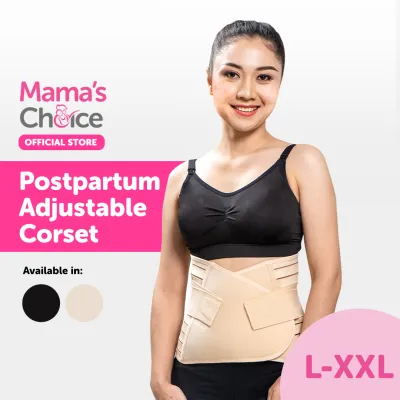
Prices are valid at publication and may change. Please refer to the product page for the latest price.
It is essential to view a support belt as a temporary, complementary aid for daily comfort and mobility rather than a medical cure. Relying solely on a belt without addressing core and pelvic floor strength can lead to muscle weakness over time. For optimal physical health, integrate the use of a support band with gentle prenatal exercises, safe stretching routines, and professional physiotherapy guidance tailored to your specific physical condition.
Essential Features to Evaluate When Choosing a Brand
Singapore’s hot, humid climate makes fabric selection one of the most critical factors when purchasing a pregnancy belly belt. Wearing a thick, non-breathable band for extended periods can quickly lead to heat rash, skin chafing, and general discomfort. Look for brands that utilize lightweight mesh panels, perforated fabrics, or specialized moisture-wicking blends that allow air to circulate freely and keep your skin dry during daily activities.

Your body will change rapidly over the course of the second and third trimesters, meaning a support belt must offer high levels of adjustability. High-quality hook-and-loop or Velcro fasteners are vital, as they allow for precise micro-adjustments to match your daily comfort levels and growing bump. Ensure the fastening material is durable and tightly woven so it does not lose its grip, curl at the edges, or snag your delicate maternity clothing after repeated washing.
Maternity support bands generally fall into two categories: narrow under-bump bands and full-coverage cradles. Narrow bands sit snugly beneath the belly to provide targeted lift and are highly discreet under clothing, making them ideal for mild discomfort. In contrast, full-coverage cradles feature wider back panels and additional upper straps that wrap around the entire abdomen, offering robust stabilization for severe back strain or pelvic instability at the cost of being more bulky.
Consider how easily you can put on, adjust, and remove the belt throughout the day, especially when using public restrooms or transitioning between sitting and standing. A design that requires complex wrapping or assistance from another person can quickly become frustrating and discourage regular use. Opt for intuitive, self-adjustable designs that you can securely fasten on your own while standing or sitting, ensuring maximum convenience during your daily routine.
Notable Pregnancy Belly Belt Brands Available in Singapore
The maternity support market in Singapore features a diverse range of brands, each catering to different lifestyles, budget ranges, and physical needs. From premium, engineered compression wear to highly adjustable daily bands and medical-grade orthopedic braces, understanding what each brand specializes in helps narrow down your search. Here is an overview of some of the most widely recognized brands available locally to help you compare their design philosophies.
Belly Bandit
Belly Bandit is highly regarded globally and in Singapore for its premium, medical-grade compression materials and structured support designs. The brand focuses on creating high-quality maternity and postpartum wear that adapts to the body’s changing shape while offering targeted relief. Their pregnancy bands, such as the 2-in-1 Bandit, are designed to lift the belly and stabilize the pelvic joints, transitioning seamlessly into postpartum hip support after delivery.
Because Belly Bandit utilizes advanced, high-density fabrics engineered for durability, their products generally sit at a higher price point, typically ranging from S$60 to S$120 or more. Given this investment, it is crucial to perform careful sizing checks using the brand’s specific measurement guidelines rather than relying on standard clothing sizes. Keep in mind that their structured, thicker materials may feel warmer, making them best suited for air-conditioned environments or shorter periods of outdoor wear.
Momcozy
Momcozy has gained popularity among local mothers for offering highly adjustable, practical maternity solutions that emphasize everyday comfort and accessibility. Their pregnancy support belts often feature a multi-piece design, utilizing dual-panel adjustability that allows you to customize the level of support on the sides and back independently. This design is particularly beneficial for accommodating rapid abdominal growth throughout the second and third trimesters.
The brand typically uses soft, skin-friendly fabrics that aim to minimize friction, making their belts comfortable for extended wear during light household chores or short walks. Because Momcozy is widely distributed across online marketplaces and e-commerce platforms, verifying seller authenticity is an important step before completing your purchase. Ensure you are buying from official brand storefronts or authorized distributors to guarantee you receive a genuine product with reliable material safety.
NeoTech Care
NeoTech Care specializes in structured, orthopedic-style maternity support, making it a frequent choice for individuals experiencing more pronounced physical strain. Their designs typically feature a multi-tiered support system, combining a lower abdominal band, a wider lumbar support panel, and an optional top strap to distribute weight across the shoulders and upper back. This highly supportive structure is engineered to help stabilize the pelvis and alleviate pressure on the lower spine.
This brand’s products are often recommended for those dealing with significant pelvic girdle pain or symphysis pubis dysfunction, though you should always seek professional medical advice before using a highly structured orthopedic brace. While the multi-piece design offers excellent stability, it is inherently bulkier and may require more effort to put on and adjust. The price range is generally moderate, making it an accessible option for targeted, heavy-duty support.
Maternity Store and Pharmacy Labels
For those who prefer a straightforward, accessible option, in-house brands found in local physical maternity chains and major pharmacy networks across Singapore offer reliable, basic support. These retail-exclusive or pharmacy-branded belly bands typically prioritize simple, single-band designs that provide gentle lift and ease of wear. They serve as an excellent starting point for mild back fatigue or for mothers who only require occasional support during specific physical activities.
One of the primary advantages of choosing local retail or pharmacy labels is the ability to physically inspect the product before buying. Visiting a physical store allows you to touch the fabric, test the strength of the Velcro fasteners, and sometimes try on display models to assess the fit and comfort firsthand. These options are also highly budget-friendly, typically ranging from S$20 to S$50, making them a low-risk choice for trying out maternity support wear.
Where to Shop and What to Verify Before Buying
When purchasing a pregnancy belly belt in Singapore, selecting the right buying channel is essential for ensuring product quality and safety. It is highly recommended to purchase directly from official brand websites, established physical maternity retail chains, reputable local pharmacy networks, or verified official flagship stores on major e-commerce platforms. Buying from authorized sources protects you from counterfeit products that may use substandard, irritating materials or have weak fasteners that fail under tension.
Sizing is rarely universal across different maternity brands, meaning a medium in one brand could easily equate to a large in another. Before ordering, consult the specific manufacturer’s size chart and follow their precise measurement instructions, which often involve measuring your under-bump circumference rather than your pre-pregnancy waist size. Because your body will continue to grow, choose a size that places you in the middle of a size range to ensure there is ample room for future adjustments.
Maternity support belts are classified as intimate or personal wear, which significantly impacts return and exchange policies. Many physical retailers and online stores in Singapore strictly prohibit returns or exchanges on opened or worn support garments due to hygiene standards. Always read the retailer’s return policy carefully before finalizing your purchase, and if you are unsure about sizing, contact their customer service team for guidance before opening the packaging.
If you decide to purchase your belly belt through online marketplaces, take extra steps to verify the seller’s credentials. Look for official brand badges, high seller ratings, and a substantial history of positive customer feedback. Reading recent, detailed buyer reviews can provide valuable insights into how well the belt holds up over weeks of daily use, whether the fabric causes skin irritation in tropical weather, and if the sizing runs true to the official guide.
Safety Guidelines and Usage Boundaries
While a pregnancy belly belt can provide significant relief, it should not be worn continuously throughout the day. Experts generally recommend limiting wear to a few hours at a time, or specifically during activities that involve prolonged standing, walking, or physical exertion. Wearing a support belt 24/7 can cause your core abdominal and back muscles to become lazy and dependent on the external support, which can ultimately weaken your natural posture and prolong postpartum recovery.
When putting on your support belt, the primary goal is gentle lift and stabilization, not compression or reshaping. The belt should feel comfortably snug and supportive, but it must never restrict your breathing, interfere with digestion, or cause a feeling of pressure on your bladder. Ensure you can easily slip two fingers under the band; if the belt leaves deep indentations on your skin or causes any discomfort when you sit down, it is fastened too tightly and must be loosened immediately.
It is vital to listen to your body and recognize when to stop using a maternity support belt. If you experience sudden or increased pelvic pain, numbness, tingling sensations in your legs, dizziness, shortness of breath, or any signs of uterine contractions, remove the belt immediately. These symptoms can indicate restricted blood flow or excessive pressure on major blood vessels and nerves, requiring prompt consultation with your obstetrician or a qualified women’s health professional.
Frequently Asked Questions (FAQ)
Can I wear a pregnancy belly belt while sleeping?
It is generally not recommended to wear a pregnancy belly belt while sleeping or lying down for extended periods unless specifically prescribed by your healthcare provider. When you are horizontal, the gravitational pull on your abdomen is naturally reduced, eliminating the need for the upward mechanical lift that a belt provides. Furthermore, wearing a tight band while asleep poses risks of restricted blood circulation, digestive discomfort, and skin irritation. For night-time comfort and spinal alignment, consider using specialized pregnancy pillows designed to support your belly and hips.
At what week of pregnancy should I start wearing a support belt?
There is no single, universal week to start wearing a pregnancy belly belt, as every pregnancy and body shape develops differently. Most expectant mothers begin considering a support band during the second trimester, typically between weeks 16 and 24, as the abdomen starts to expand and put noticeable pressure on the lower back and pelvis. However, you should base your decision on physical comfort and specific symptoms rather than a calendar date. If you experience early pelvic instability or back fatigue, consult your doctor about introducing a support belt sooner.
Will a belly belt prevent stretch marks?
No, a pregnancy belly belt will not prevent stretch marks from forming on your skin. The primary function of a support belt is mechanical, focusing on weight distribution, joint stabilization, and posture support. Stretch marks occur in the deeper dermis layer of the skin and are primarily determined by genetic factors, hormonal changes, and the rapid rate at which your skin stretches to accommodate your growing baby. To care for your skin’s elasticity, focus on maintaining healthy hydration, eating a balanced diet, and using approved, safe moisturizers or oils, while relying on the belt solely for physical comfort.
Community discussion
Share your experience or ask a question. Comments are reviewed before publication.