
Quick Answer: Choosing Eco-Friendly Cotton Diapers in Singapore
For eco-conscious parents in Singapore, identifying a trusted cotton diaper brand requires looking beyond basic marketing labels to evaluate verified material certifications, supply chain transparency, washing and drying efficiency, and local availability. Truly sustainable diapering is not merely about purchasing a product labeled “organic” or “natural.” Instead, it involves selecting durable, high-quality cotton fabrics that can withstand hundreds of wash cycles, verifying third-party environmental standards, and establishing a low-impact laundry routine tailored to our tropical climate.
By focusing on these core pillars, parents can minimize their environmental footprint while ensuring a safe, comfortable, and chemical-free experience for their babies. This guide provides the practical criteria and actionable steps needed to evaluate brands, choose the right diapering system, and establish an efficient, sustainable cloth diapering routine in Singapore.
What Makes a Cotton Diaper Brand Truly Sustainable?
To determine if a cotton diaper brand is genuinely sustainable, parents must examine the entire lifecycle of the product, starting with how the raw cotton is cultivated. Conventional cotton farming is notorious for its heavy reliance on synthetic pesticides, herbicides, and massive volumes of water, which degrade soil health and pollute local ecosystems. In contrast, organically grown cotton utilizes natural agricultural methods that preserve soil fertility, protect biodiversity, and consume significantly less energy. When evaluating diaper brands, look for those that explicitly source certified organic cotton to ensure the agricultural stage of the diaper’s life has a minimal ecological impact.
Products mentioned in this guide
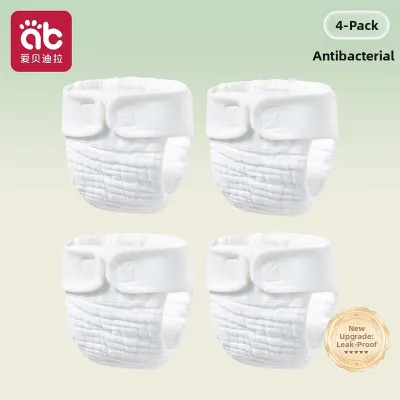
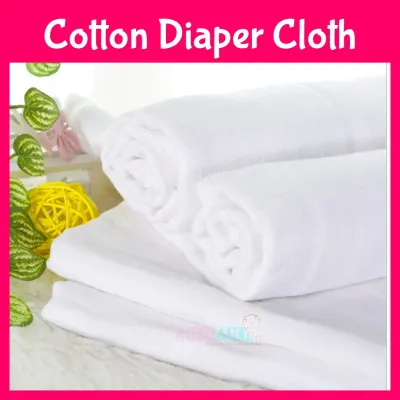
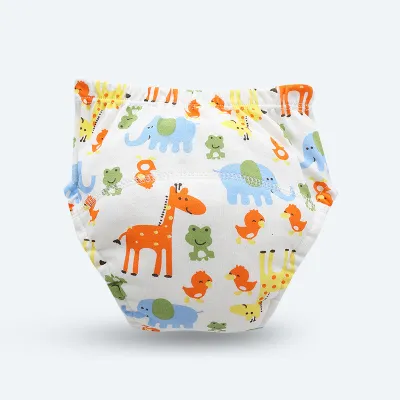
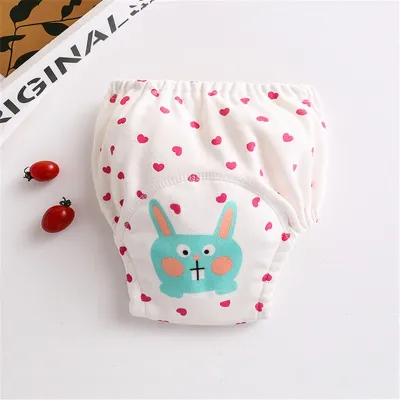
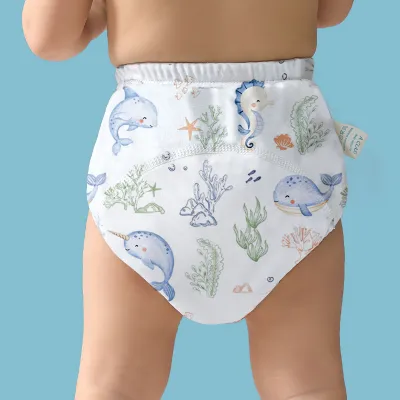
Prices are valid at publication and may change. Please refer to the product page for the latest price.

Beyond agricultural practices, the processing of raw cotton into finished diaper fabric is a critical phase where environmental claims must be verified. Parents should look for specific, globally recognized textile certifications on product tags or official brand documentation rather than relying on brand names alone. The Global Organic Textile Standard (GOTS) is the leading standard for organic fibers, ensuring environmental and social criteria are met along the entire supply chain. Another vital certification is the OEKO-TEX Standard 100, which verifies that the finished fabric has been tested for harmful levels of toxic chemicals and irritating substances. To ensure authenticity, parents should check the brand’s certification license number on the respective registry databases, as a simple logo on a website is not proof of active certification.
The chemical treatments applied to cotton fabrics during manufacturing also dictate their environmental safety. Genuinely sustainable brands prioritize unbleached and undyed cotton. Conventional white cotton diapers are typically treated with chlorine bleach, a process that releases toxic dioxins into the environment. Undyed and unbleached cotton retains its natural, off-white or cream color, contains fewer chemical residues, and is significantly gentler on a baby’s sensitive skin. Additionally, unbleached cotton fibers retain more of their natural oils, which, once pre-washed and prepped, offer excellent durability and absorbency over years of continuous use.
Finally, secondary eco-factors play a major role in a brand’s overall environmental footprint. A truly sustainable brand will minimize its packaging waste by using plastic-free, biodegradable, or recycled paper packaging instead of single-use plastic wraps. It will also maintain high standards of social responsibility, ensuring fair labor practices, safe working conditions, and fair wages for factory workers. Brands that publish detailed transparency reports regarding their manufacturing locations, water recycling systems, and carbon-offsetting initiatives demonstrate a genuine commitment to sustainability that goes far beyond surface-level marketing.
Matching Diaper Styles to Your Routine and Climate
Choosing the right cotton diaper style is not just a matter of convenience; it also directly influences your daily resource consumption, particularly in Singapore’s hot and humid tropical climate. Different diapering systems have distinct manufacturing footprints, drying times, and lifespans, which parents must balance against their household space and daily routines.
Traditional diapering systems, which include flats and prefolds, represent the pinnacle of minimalist, low-impact diapering. Flats are large, single-layer squares of woven cotton, while prefolds are rectangular cotton sheets with extra absorbent layers sewn into the center panel.
- Durability and Lifespan: Because they consist of simple, unlaminated cotton fabric without built-in elastics or plastic snaps, flats and prefolds are incredibly durable. They can withstand high-temperature washes, rigorous agitation, and years of use across multiple children without degrading.
- Resource Efficiency: These systems require minimal resources to manufacture compared to complex, multi-material diapers.
- Drying Performance: In Singapore's high humidity, which often exceeds 80%, flats and prefolds dry exceptionally fast. Because they unfold into thin layers, they can be line-dried quickly on indoor racks or outdoor bamboo poles, preventing the growth of mildew and musty odors without requiring an energy-intensive tumble dryer.
Modern diapering systems, such as fitted diapers and All-in-Ones (AIOs), offer a design that closely mimics the ease of disposable diapers. Fitted diapers are shaped cotton diapers with elasticized legs and waist, requiring a separate waterproof cover, while AIOs feature the absorbent cotton layers permanently sewn to a waterproof outer shell.
- Convenience: These systems are highly intuitive, making them ideal for busy parents, domestic helpers, grandparents, or infant care center staff who may be less familiar with traditional folding techniques.
- Drying and Environmental Trade-offs: The primary drawback of modern systems in a tropical climate is their high water retention. Because they consist of multiple thick layers of cotton sewn together, fitted diapers and AIOs take significantly longer to dry. In Singapore's humid weather, line-drying an AIO indoors can take over 24 hours, which increases the risk of bacterial growth and mildew. To combat this, parents often resort to electric clothes dryers, which significantly increases household energy consumption and negates some of the environmental benefits of cloth diapering. Furthermore, the built-in waterproof laminates (PUL) and elastics in AIOs are highly sensitive to heat and friction, leading to a shorter overall lifespan compared to simple cotton flats.
To match these systems to your routine, evaluate your home’s drying environment. If you live in an HDB flat with a covered service yard or limited direct sunlight, a hybrid system—using quick-drying cotton prefolds or pocket diapers with removable cotton inserts—is highly practical. This setup allows you to separate the absorbent cotton from the waterproof shell, ensuring all components dry rapidly. If you have access to an open balcony with direct sunlight, fitted diapers may be more feasible. Additionally, consider your washing machine’s spin efficiency; a machine with a high spin speed (1200 RPM or higher) will extract more water, drastically reducing line-drying times and reducing the need for mechanical drying.
How to Verify Eco-Claims and Avoid Greenwashing
As the demand for sustainable products grows, greenwashing has become increasingly common in the baby care industry. Greenwashing occurs when a brand uses misleading claims or vague terminology to present an environmentally friendly image without backing it up with substantive practices. Eco-conscious parents must develop a critical eye to distinguish genuinely sustainable cotton diaper brands from those merely capitalizing on environmental trends.
The first step in avoiding greenwashing is to identify and question vague marketing terms. Phrases such as “all-natural,” “earth-friendly,” “green,” or “eco-safe” are not legally regulated and carry no formal definition. A diaper labeled “natural cotton” may still be grown using heavy pesticides, processed with toxic chlorine bleach, and packaged in single-use plastics. Similarly, claims of “biodegradability” can be highly misleading. While pure cotton fiber is naturally biodegradable under the right conditions, a finished cloth diaper containing polyester threads, synthetic elastics, and polyurethane laminate (PUL) backing will not break down naturally and cannot be composted.
To verify a brand’s claims, look for concrete, third-party evidence. Genuinely sustainable brands are transparent about their supply chain and will readily provide documentation for their certifications, such as GOTS or OEKO-TEX transaction certificates. These certificates should list the specific manufacturer and the exact product type. Furthermore, check if the brand discloses its manufacturing locations and details its waste-management, water-recycling, and carbon-reduction policies. If a brand’s website contains only scenic imagery of nature and generic sustainability statements without any downloadable reports, data, or certification numbers, it is wise to approach their claims with skepticism.
Community-led verification is another powerful tool for parents in Singapore. Local cloth diapering forums, social media groups, and eco-parenting communities provide a wealth of real-world feedback. Experienced parents can offer unbiased insights into how specific cotton diaper brands perform over time. They can tell you which brands use high-quality elastics that do not stretch out in Singapore’s heat, which cotton fabrics pill or lose absorbency after a few months, and which companies honor their product warranties. Engaging with these local networks allows you to bypass marketing hype and make decisions based on proven durability and brand accountability.
Where to Source Reliable Cotton Diapers in Singapore
Sourcing high-quality cotton diapers in Singapore involves choosing purchasing avenues that align with sustainable parenting values. By supporting local businesses, exploring circular consumption models, and evaluating the logistics of your purchases, you can minimize your environmental impact while building a reliable diaper stash.
One of the most direct routes is to purchase from specialized local maternity boutiques and dedicated eco-friendly online stores. Many of these independent retailers are founded by parents who have personally vetted the brands they carry, ensuring they meet strict environmental and safety standards. Shopping through local distributors also reduces the carbon footprint associated with individual international shipping. When browsing these stores, look for established brands that specialize in natural fiber diapering systems and offer clear product specifications.
For parents looking to maximize their environmental and financial savings, the pre-loved and second-hand market is an exceptional resource. Because high-quality cotton diapers are incredibly durable, they often outlast a single baby’s diapering years. Purchasing pre-loved diapers extends the lifecycle of existing products, diverts textile waste from Singapore’s Semakau Landfill, and requires zero new manufacturing resources. Local online classifieds, consignment platforms, and community-run cloth diaper swap groups are excellent places to find gently used cotton diapers, often at a fraction of their original retail price. When buying second-hand, look for listings that detail the diaper’s care history, and inspect the elastics and waterproof laminate layers for wear before finalizing the purchase.
Before committing to any purchase, there are several key checks parents should perform to ensure a low-impact transaction:
- Evaluate Shipping Origins: If ordering from an online platform, check where the items are shipped from. Consolidating orders or purchasing from regional distributors helps reduce the transport emissions associated with air freight.
- Review Return and Warranty Policies: Choose brands or retailers that offer robust warranties on snaps, elastics, and seams. A brand that stands behind its craftsmanship reduces the risk of premature disposal and supports a circular economy.
- Check Stock Consistency: Ensure the retailer maintains a steady supply of replacement parts, such as extra inserts or covers, so you can easily maintain or expand your diapering system without needing to replace the entire setup.
- Verify Sizing and Weight Limits: Always check the manufacturer's official documentation for exact weight ranges and sizing guidelines to ensure a proper fit and prevent leaks, as diaper dimensions vary significantly between brands.
Eco-Friendly Care Routines to Maximize Lifespan
The environmental benefits of using cotton diapers are heavily dependent on how they are washed and maintained. An inefficient care routine that uses excessive water, high-energy settings, and harsh chemicals can quickly offset the ecological advantages of cloth diapering. Establishing an eco-friendly, effective laundry routine is essential to keep your diapers hygienic, functional, and durable in Singapore’s climate.
Before starting any care routine, always consult the diaper manufacturer’s care label and your washing machine’s user manual to ensure compatibility and preserve your product warranty. A sustainable washing routine for cotton diapers generally consists of a two-step wash cycle:
- Pre-Wash: Run a short, cold-water rinse or quick wash cycle with a small amount of detergent to flush out organic waste and prevent stains from setting. This step keeps the main wash water clean and highly effective.
- Main Wash: Run a long, heavy-duty cycle at 40°C to 60°C with a full dose of detergent to thoroughly sanitize the diapers. To conserve resources, always wash full loads; if you do not have enough diapers to fill the machine, you can bulk the main wash with small household items like baby clothes, hand towels, or washcloths.
Selecting the right detergent is crucial for both environmental sustainability and fabric longevity. Opt for biodegradable, plant-based detergents that are free from optical brighteners, synthetic fragrances, and artificial dyes. These additives can leave a chemical residue on cotton fibers, which gradually reduces their absorbency and can irritate your baby’s sensitive skin. Ensure the detergent is highly concentrated to minimize packaging waste, and use only the recommended amount to prevent detergent buildup in the fabric.
There are several common laundry additives that parents must strictly avoid to protect their cotton diapers:
- Fabric Softeners: Never use fabric softeners or dryer sheets. Softeners coat cotton fibers with a water-repellent chemical layer, which completely ruins the diaper's absorbency and leads to chronic leaking.
- Harsh Bleaches and Stain Removers: Avoid using chlorine bleach or aggressive chemical stain removers regularly. These chemicals weaken natural cotton fibers, causing them to thin, tear, and degrade prematurely.
Instead of relying on chemical whitening agents, utilize the natural power of sun-drying. Singapore’s abundant sunshine is an incredibly effective, energy-free tool for diaper maintenance. Hanging wet cotton diapers in direct sunlight allows ultraviolet (UV) rays to naturally bleach out stubborn stains and assist in sanitizing the fabric. To protect the synthetic components of your diapering system, such as elastics and the waterproof polyurethane laminate (PUL) on covers, hang them in a shaded, well-ventilated outdoor area or indoors near a window. Direct, intense midday sun can degrade these materials over time, so careful positioning ensures your entire diaper setup lasts as long as possible.
Finally, proactive maintenance is key to extending the lifespan of your cotton diapers. Periodically inspect your stash for minor wear and tear, such as loose threads, relaxing elastics, or loose snaps. Rather than discarding a diaper when the elastic loses its stretch, consider repairing it yourself or taking it to a local clothing alteration shop in Singapore. Replacing a worn-out elastic or snap is a simple, low-cost repair that keeps a highly functional diaper in service for several more years, embodying the true spirit of sustainable parenting.
Frequently Asked Questions (FAQ)
How does cotton compare to bamboo or hemp in terms of sustainability?
Each natural fiber used in cloth diapering presents distinct environmental and performance trade-offs. Cotton, particularly organic cotton, is highly durable, widely certified, and easy to clean, though conventional cultivation requires significant water and pesticide use. Bamboo is often marketed as a highly sustainable alternative because the bamboo plant grows rapidly without pesticides and requires minimal land. However, transforming tough bamboo grass into soft fabric (usually viscose or rayon) typically involves intensive chemical processing that generates hazardous wastewater. Hemp is exceptionally eco-friendly to cultivate, requiring very little water, resisting pests naturally, and yielding highly absorbent fibers. However, hemp fibers can become stiff when air-dried, so they are almost always blended with organic cotton to improve softness and flexibility. Rather than assuming a fiber is sustainable based on its name alone, parents should evaluate the specific brand’s processing certifications, such as GOTS or OEKO-TEX, to ensure the finished fabric was manufactured responsibly.
What is the best way to handle diaper rash when using cotton diapers?
Cotton is naturally highly breathable, which helps maintain a healthy skin barrier and reduces the likelihood of diaper rash compared to plastic-heavy disposable diapers. To prevent irritation, ensure you change your baby’s diaper frequently, as prolonged exposure to wetness is a primary cause of skin breakdown. During laundry, run an extra rinse cycle to verify that all detergent residue is completely flushed from the dense cotton fibers, as leftover soap can irritate sensitive skin. If you need to use a diaper rash cream, ensure it is specifically labeled as cloth-diaper safe (typically free of petroleum and zinc oxide), or use a reusable fleece liner to prevent the cream from coating the cotton and reducing its absorbency. If a diaper rash is persistent, severe, spreads rapidly, or is accompanied by broken skin or fever, stop using cloth diapers temporarily and consult a qualified pediatrician or healthcare professional for a proper diagnosis and treatment plan.
Community discussion
Share your experience or ask a question. Comments are reviewed before publication.