
Selecting a baby knee protector in Singapore requires balancing physical protection with thermal comfort. Because Singapore homes predominantly feature hard flooring surfaces and the tropical climate remains warm and humid year-round, parents must look beyond generic recommendations. The most effective knee protector is one that matches your child’s specific developmental stage, fits securely without restricting circulation, and manages sweat effectively to prevent skin irritation.
Rather than relying on brand names alone, experienced parents evaluate these products based on material composition, ventilation, and slip resistance. Choosing the right option involves understanding your baby’s physical cues, comparing structural designs, and verifying product specifications directly from manufacturer documentation.
Recognizing When Your Crawling Baby Needs Knee Protection
Babies typically begin crawling between the ages of 6 and 10 months, a developmental milestone that exposes their delicate skin to continuous friction. During this phase, a baby’s knees bear a significant portion of their body weight as they slide, scoot, and push across floor surfaces. While some babies transition quickly to walking, others spend months crawling, making protective gear a practical consideration for active movers.
Products mentioned in this guide
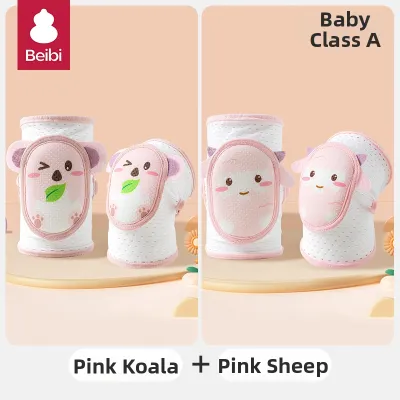
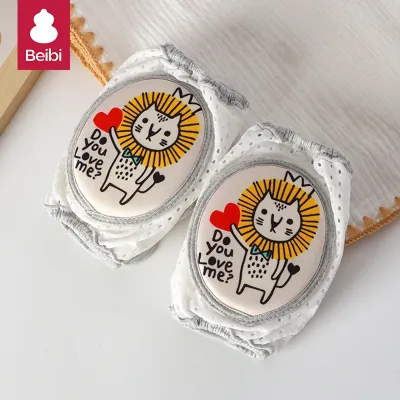
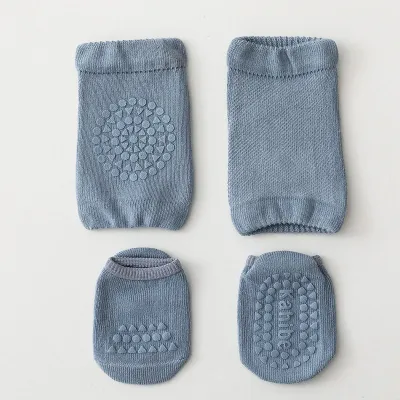
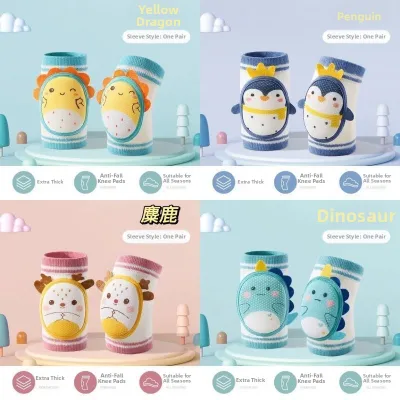
![[RABBIT] Baby Infant Cartoon Breathable Mesh Crawling Knee Pads ChildrenS Sponge Knee Pads Crawling Toddler Anti-Fall And Anti-Knock Safety Protector](https://img.lazcdn.com/g/p/9806b9d032b3230b6e3ab1cb8933b2e2.jpg_400x400q80.jpg_.webp)

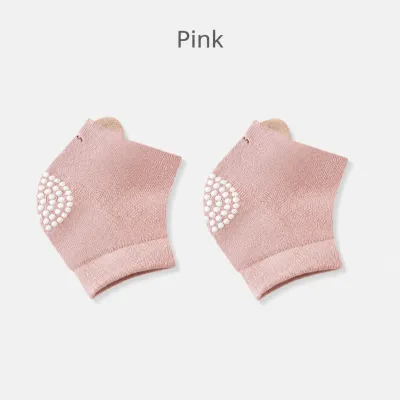
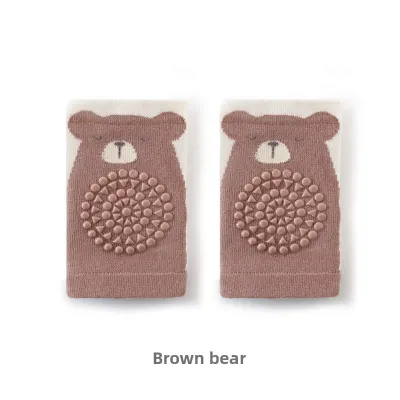
Prices are valid at publication and may change. Please refer to the product page for the latest price.
In Singapore, residential flooring choices heavily influence crawling comfort. Many HDB flats, condominiums, and landed homes feature polished ceramic tiles, homogeneous tiles, marble, or engineered laminate flooring. While these materials are easy to clean and keep the home cool, they are completely unyielding. The repetitive impact and sliding motion on these hard surfaces can cause discomfort, especially during extended play sessions.
Parents should monitor their baby’s knees for clear physical signals that indicate a need for temporary protection. Observable signs include persistent redness that does not fade shortly after play, dry or rough patches of skin over the kneecaps, and localized mild calluses. Additionally, if a baby suddenly becomes fussy or refuses to crawl on bare floors but moves freely on play mats, they may be experiencing discomfort from floor friction.
Knee protectors are temporary developmental aids rather than permanent wardrobe fixtures. As your baby begins to pull themselves up on furniture, cruise, and take their first independent steps, the need for knee pads decreases. Once a child is walking independently, knee protectors should be removed, as they can slip down to the ankles and present a tripping hazard during upright movement.
Key Features Singapore Parents Prioritize in Knee Protectors
When evaluating different brands, Singapore parents prioritize functional utility over marketing aesthetics. A high-quality protector must withstand daily wear and frequent washing while remaining comfortable for the baby. Before purchasing, parents should look past generic product titles and carefully review the manufacturer’s specifications, material listings, and care instructions.

Breathability and Moisture Management
Singapore’s tropical climate, characterized by high humidity and warm temperatures, makes breathability the most critical factor in choosing wearable baby gear. When a baby crawls actively, sweat can quickly accumulate under thick fabrics, leading to localized heat rashes, chafing, and general fussiness. If the home is fan-cooled rather than air-conditioned, moisture management becomes even more vital.
To ensure adequate airflow, look for knee protectors constructed with lightweight cotton-spandex blends or those featuring dedicated mesh ventilation panels. Open-weave fabrics allow body heat to escape and sweat to evaporate quickly. Avoid solid, thick synthetic sleeves that trap moisture against the skin, and prioritize designs that explicitly specify breathable or moisture-wicking properties on their packaging.
Material Safety for Sensitive Skin
An infant’s skin barrier is significantly thinner and more sensitive than an adult’s, making it highly susceptible to contact dermatitis and friction burns. The constant rubbing of fabric against warm, moist skin can drive dyes or rough fibers into the epidermis. Therefore, the internal construction of the knee protector must be completely smooth.
Parents should prioritize hypoallergenic fabrics and check product labels for certifications such as OEKO-TEX Standard 100, which indicates testing for harmful substances. Ensure the interior of the protector features flat-lock seams or a seamless knit construction to prevent pressure marks. Before the first use, always perform a tactile inspection by turning the sleeve inside out to feel for rough threads, stiff elastic bands, or irritating tags.
Slip Resistance for Indoor Flooring
While padding protects the joint from impact, a completely smooth fabric outer layer can cause a baby’s legs to splay outward on polished tiles, hindering their crawling progress. To prevent slipping, many protectors incorporate external grip patterns. These grips must provide traction without impeding natural forward movement.
Look for protectors featuring localized silicone or rubberized patterns on the kneecap area. These grips should be soft and flexible so they bend easily with the joint. Parents must verify that the anti-slip elements are securely bonded to the fabric; poorly manufactured silicone dots can peel off over time, presenting a potential choking hazard if a baby pulls them off and swallows them.
Comparing Knee Protector Designs: Sleeves, Straps, and Padding
Baby knee protectors generally fall into two structural categories: pull-on sleeves and adjustable strap-on designs. Each style offers distinct advantages depending on your baby’s physical build, their crawling style, and the clothing they wear. Understanding these differences helps parents select a design that stays in place without causing discomfort.
| Design Type | Best Mobility Stage | Pros | Limitations |
|---|---|---|---|
| Sleeve-Style | Active, continuous crawling | Snug fit, low profile under clothing, uniform pressure | Sizing must be precise; can roll down or constrict chubby thighs |
| Strap-Style | Transitional crawling, outdoor play | Highly adjustable, fits over thick clothing, easy to put on | Straps can loosen; potential for skin chafing behind the knee |
| Padded Socks/Tights | Early scooting, cooler environments | Full leg coverage, cannot slip off easily | Traps more heat; difficult to remove quickly for diaper changes |
Sleeve-Style Protectors
Sleeve-style protectors are elasticized fabric tubes, similar to cut-off socks, with integrated padding over the kneecap. They are designed to slide directly over the baby’s foot and sit snugly around the knee joint. Because they lack bulky fasteners, they can easily be worn directly on the skin or over slim-fitting leggings.
These sleeves excel at staying in place during vigorous, continuous crawling, provided they are sized correctly. However, their reliance on elastic tension means precise sizing is mandatory. If the sleeve is too tight, it can restrict blood flow and leave deep, red indentations on chubby thighs; if it is too loose, it will quickly slide down to the ankles, rendering the padding useless.
Strap-Style and Adjustable Protectors
Strap-style protectors feature a padded front panel that secures around the back of the leg using adjustable hook-and-loop fasteners or soft fabric straps. This design offers excellent longevity, as the straps can be adjusted to accommodate a baby’s rapid physical growth over several months.
While highly customizable, these protectors require careful adjustment to prevent the fasteners from rubbing against the delicate skin in the crease behind the knee. They are generally bulkier than sleeves and are best suited for wearing over clothing rather than directly on bare skin. Parents must also monitor the straps during play, as vigorous movement can cause the fasteners to loosen and slide out of position.
How to Evaluate Brands and Verify Authentic Parent Reviews
With numerous brands available on local ecommerce platforms, specialty baby boutiques, and department stores in Singapore, identifying a genuine, high-quality product requires critical research. Marketing descriptions frequently use generic buzzwords, making it essential for parents to seek out authentic feedback and verify technical specifications.
When researching parent recommendations, look beyond the overall star rating on online marketplaces. Prioritize reviews from local parenting forums, community chat groups, and verified purchase sections on official brand stores. Authentic reviews often detail specific local contexts, such as how the fabric holds up in non-air-conditioned HDB flats or how the grips perform on common homogeneous floor tiles.
Be alert to red flags in product listings and reviews. A sudden influx of highly repetitive, short reviews praising a product in generic terms often indicates incentivized feedback. Be skeptical of brands that make absolute safety claims, such as promising to prevent all bumps or injuries, as no wearable gear can replace active supervision. Additionally, watch out for listings that fail to provide a clear material composition or a detailed size chart with physical measurements.
To ensure a safe purchase, always cross-reference the manufacturer’s official documentation for age, weight, and sizing guidelines. Do not rely solely on a product title that claims to fit “all babies from 6 to 24 months.” A baby’s thigh circumference varies widely, and checking the actual centimeter measurements provided by the manufacturer is the only reliable way to ensure a proper, safe fit.
Ensuring Proper Fit, Safety, and Daily Maintenance
To maximize the benefits of a baby knee protector while ensuring your child’s safety, proper fitting and regular maintenance are essential. Always refer to the specific manufacturer instructions for sizing and care before introducing the product to your baby’s daily routine.
- Measure Before Buying: Use a soft measuring tape to measure the circumference of your baby's thigh (approximately 5 cm above the kneecap) and calf (approximately 5 cm below the kneecap). Compare these measurements directly against the brand's size chart.
- Conduct the Two-Finger Test: Once the protector is on, slide two fingers under the elastic bands at both the top and bottom. The fabric should feel snug but not tight. If you cannot easily fit your fingers, or if the skin turns red or bulges around the band, the protector is too tight and should be removed immediately.
- Monitor Skin Conditions: Check your baby's skin every 30 to 45 minutes during use. Look for signs of localized sweating, redness, or fabric impressions. If any irritation or heat rash develops, discontinue use immediately and consult a healthcare professional if the redness persists.
- Maintain Constant Supervision: Knee protectors are supplementary comfort aids and do not make a baby immune to falls or bruises. Never leave your baby unattended while they are wearing knee protectors. Ensure your play area is thoroughly baby-proofed, with sharp corners cushioned and hazards removed from the floor.
- Follow Washing Instructions: Wash knee protectors frequently to remove sweat, drool, and floor dust, which can harbor bacteria. Most manufacturers recommend hand washing or using a delicate machine cycle inside a mesh laundry bag with mild, baby-safe detergent. Avoid high-heat drying, as it can degrade the elastic fibers and cause silicone grip patterns to peel or melt.
- Inspect for Wear and Tear: Regularly examine the protectors for signs of degradation. Discontinue use and replace the product immediately if you notice stretched-out elastic, loose threads that could wrap around tiny toes, thinning padding, or peeling anti-slip silicone dots.
Frequently Asked Questions (FAQ)
Can baby knee protectors be worn while sleeping?
No, baby knee protectors should never be worn while sleeping. During sleep, a baby’s movements are restricted, and a shifted sleeve can easily constrict blood circulation or cause localized overheating without the caregiver’s immediate knowledge. Always remove all knee protectors, wraps, or straps before putting your baby down for a nap or nighttime sleep.
How often should I wash my baby's knee protectors?
Knee protectors should be washed frequently, ideally after every two to three uses, or immediately if they become damp with sweat, soiled by floor dirt, or covered in drool. In Singapore’s humid climate, damp fabrics can quickly become breeding grounds for bacteria and mold. Always follow the specific washing and drying care instructions printed on the product’s label to maintain fabric elasticity and grip integrity.
Community discussion
Share your experience or ask a question. Comments are reviewed before publication.