
Selecting a convertible car seat in Singapore involves balancing strict road safety regulations, tropical climate comfort, and vehicle compatibility. A trusted brand is not just one with global recognition, but one that carries verified safety certifications recognized by local authorities and offers robust local after-sales support. Because a convertible car seat is a long-term investment designed to transition with your child from infancy through toddlerhood, verifying the authenticity of the product and its fit in your specific vehicle is paramount. By focusing on certified safety standards, physical installation compatibility, and authorized local distribution, you can confidently select a car seat that protects your child on every journey.
Verifying Safety Standards and Legal Compliance
In Singapore, the law mandates that passengers under 1.35 metres in height must be secured with an approved child restraint appropriate for their height and weight. The Land Transport Authority (LTA) and Traffic Police recognize specific international safety standards. When evaluating any convertible car seat brand, your first step is to verify that the specific model complies with these recognized standards, most commonly the European Union standards (such as ECE R129, also known as i-Size, or the older ECE R44/04).
To ensure compliance, you must look for the physical orange approval label, often referred to as the ECE sticker, which is permanently affixed to the car seat shell. This label contains critical information, including the specific standard version, the weight or height limits for which the seat is approved, and a unique approval number. For i-Size (ECE R129) seats, the label will explicitly state the height range and the “i-Size” classification, indicating that the seat has undergone side-impact testing and is designed to fit in i-Size compatible vehicle seating positions.
Products mentioned in this guide
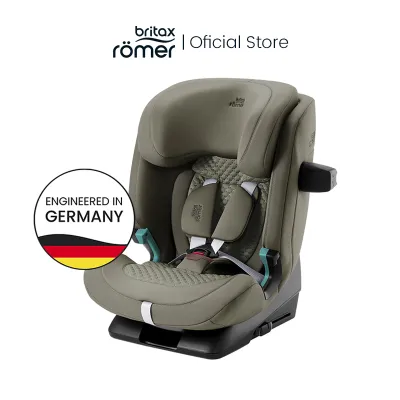
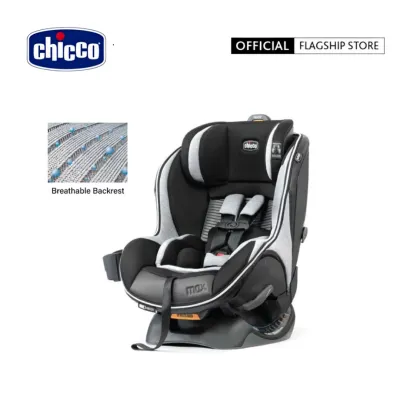
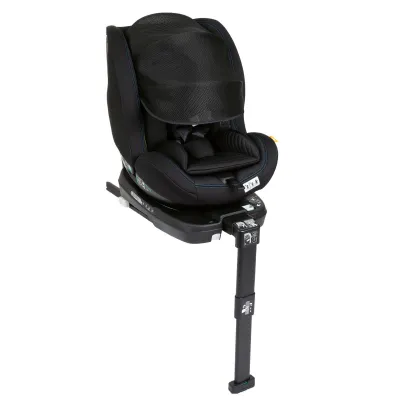
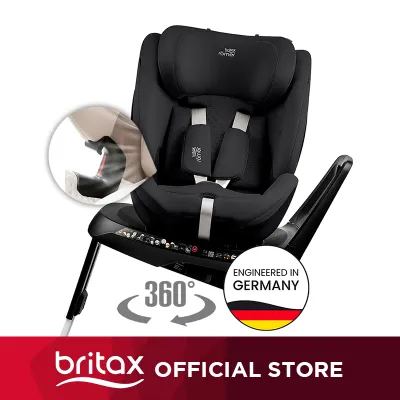
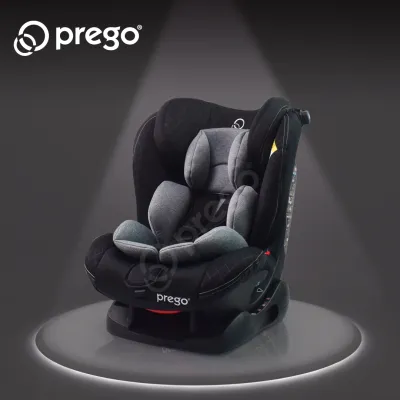
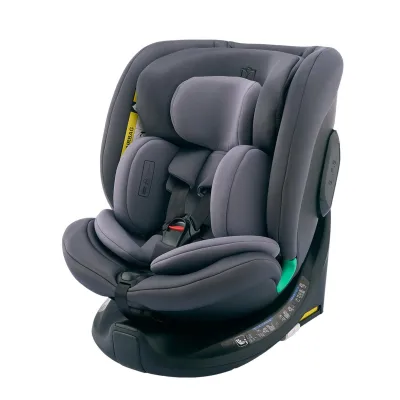
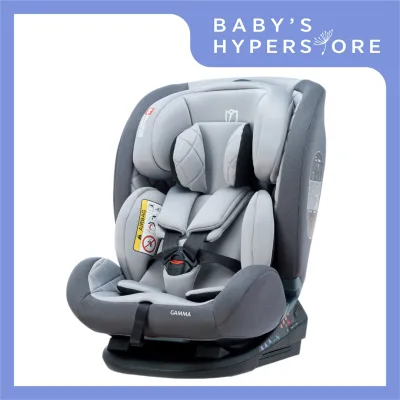
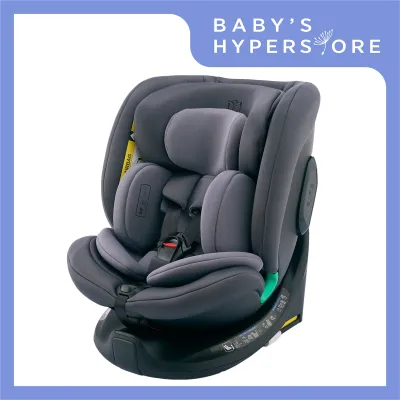
Prices are valid at publication and may change. Please refer to the product page for the latest price.
Relying solely on brand marketing materials, online reviews, or third-party blog posts is a significant risk. Marketing claims can sometimes use vague language like “tested to international standards” without having the official, independent certification required for legal use on Singapore roads. Always physically inspect the seat or request clear, high-resolution photographs of the actual orange certification label from the retailer before making a purchase.
Furthermore, check the expiration date of the car seat. Most manufacturers specify a lifespan for their seats—typically between six to ten years from the date of manufacture—due to the natural degradation of plastic and safety materials over time. This manufacturing date is stamped directly into the plastic shell of the seat. Ensuring the seat is well within its usable lifespan is crucial for maintaining its structural integrity during an impact.
Comparing Engineering and Usability Features
A trusted convertible car seat brand distinguishes itself through robust engineering and thoughtful usability features. The core of any high-quality seat is its harness system. Look for a 5-point harness that secures the child at the shoulders, hips, and between the legs. This design distributes crash forces across the strongest parts of the child’s body. The harness straps should be easy to adjust, with a smooth tightening mechanism that allows you to achieve a snug fit without pinching the child’s skin.

Energy-absorbing materials are another critical component of the seat’s protective shell. Reputable brands utilize specialized materials, such as Expanded Polystyrene (EPS) or Expanded Polypropylene (EPP) foam, lined within the headrest and side wings. This foam acts as a cushion, absorbing impact forces before they reach the child. Additionally, advanced side-impact protection (SIP) mechanisms, which may include external pods or reinforced side walls, help redirect forces away from the child’s head and torso during a lateral collision.
Installation compatibility is a major factor in daily usability. Convertible car seats generally offer two installation methods: ISOFIX anchorages or vehicle seatbelt routing. ISOFIX systems utilize rigid connectors on the car seat that click directly into anchor points built into the vehicle’s chassis, reducing the risk of installation errors. However, not all vehicles or seating positions have ISOFIX anchors. If you plan to install the seat using the vehicle’s seatbelt, ensure the seat has clear, color-coded belt paths and built-in lock-off devices to secure the seatbelt tightly. Always consult your vehicle’s owner’s manual to confirm which seating positions are compatible with your chosen installation method.
Given Singapore’s hot and humid tropical climate, fabric breathability and ease of maintenance are essential for your child’s comfort. Look for brands that utilize moisture-wicking, ventilated fabrics or mesh panels that promote airflow, helping to prevent your child from overheating during long rides. Because spills, crumbs, and diaper leaks are inevitable, prioritize models with removable, machine-washable covers. Some brands design their covers to be removed easily without needing to unthread the entire harness system, saving significant time and effort during cleaning.
Ensuring Local Availability and After-Sales Support
Purchasing a convertible car seat from an authorized local distributor or retailer in Singapore offers critical advantages regarding safety, warranty, and long-term support. Authorized physical baby gear stores and official brand boutiques provide the opportunity to interact with the product firsthand, receive demonstrations from trained staff, and verify the physical certification labels. These retailers work directly with manufacturers to ensure that the stock sold is compliant with local regulations and has been stored and transported under appropriate conditions.
A valid local warranty is essential for addressing any manufacturing defects or component failures. When you buy through authorized channels, you typically receive a manufacturer’s warranty backed by a local distributor. This means that if a harness buckle becomes sticky, an adjustment strap frays, or a plastic component cracks, you can easily contact local customer service for a replacement or repair. Attempting to claim a warranty on a parallel-imported seat or one purchased from an unauthorized overseas seller often results in high shipping fees, long waiting times, or a complete denial of service.
Furthermore, authorized distributors maintain a supply of genuine replacement parts and accessories. Over the multi-year lifespan of a convertible car seat, you may need to replace worn-out fabric covers, harness pads, or infant inserts. Having access to official parts ensures that the seat remains safe and functional.
Conversely, purchasing from unauthorized online marketplaces or grey-market importers carries substantial risks. These products may not be configured for the local market, might lack English-language instruction manuals, or could even be counterfeit. More importantly, in the event of a safety recall by the manufacturer, authorized local distributors are obligated to contact registered buyers to provide repair kits or replacements. If you purchase from an unauthorized source, you may never receive these critical safety notifications, leaving your child in a potentially compromised seat.
Creating Your Final Shortlist and Testing the Fit
To narrow down your options and make a final decision, begin by establishing a structured filtering process based on your child’s current physical measurements. Convertible car seats are categorized by height or weight limits, and transitioning from one mode (such as rear-facing) to another (forward-facing) must be guided strictly by the manufacturer’s instructions. Measure your child’s height and weight accurately, and compare these figures against the limits specified in the user manuals of the models you are considering.
Next, create a comparison matrix focusing on how the shortlisted models will fit into your specific vehicle. Consider the physical dimensions of the car seat, particularly its depth when fully reclined in the rear-facing position. In smaller sedans or compact hatchbacks common in Singapore, a bulky rear-facing seat can severely restrict the legroom of the front-seat passenger or driver. Measure the available space in your back seat and compare it to the manufacturer’s product dimensions.
Before finalizing your purchase, visit an authorized local retailer to conduct a physical test fit. Many specialized baby stores allow parents to bring the display model to their vehicle to test the installation. This step is invaluable for identifying potential compatibility issues, such as seatbelt buckles that prevent a tight installation, or vehicle headrests that interfere with the car seat’s high-back alignment.
During the test fit, place your child in the seat to check their comfort and the alignment of the harness. The shoulder straps should emerge from the seat shell at or just below the child’s shoulders when rear-facing, and at or just above the shoulders when forward-facing. Ensure that the buckle is easy for you to operate but secure enough that a curious toddler cannot easily undo it. If you encounter any difficulties during installation or adjustment, consult a certified child passenger safety technician or a qualified professional at the store for guidance.
Frequently Asked Questions (FAQ)
When should I transition my child to a convertible car seat?
The transition to a convertible car seat typically occurs when your child outgrows their infant car seat, which is determined by the height or weight limits specified by the manufacturer. Many parents make the switch when the child’s head is within one inch (approximately 2.5 centimeters) of the top of the infant carrier shell, or when they exceed the maximum weight limit of the carrier. It is highly recommended to keep your child in a rear-facing position for as long as possible—ideally until they reach the maximum rear-facing height or weight limit of the convertible seat—as rear-facing provides superior protection for a developing child’s head, neck, and spine. Always refer to the specific seat’s instruction manual rather than relying on general age guidelines.
Can I use a convertible car seat purchased overseas in Singapore?
While it may be tempting to purchase a car seat from an overseas retailer, doing so carries significant legal, safety, and practical risks. Car seats manufactured for other regions may comply with different safety standards (such as US FMVSS 213) that are not recognized or approved by Singapore’s Traffic Police, potentially making their use illegal on local roads. Additionally, overseas models may have different installation mechanisms or lack compatibility with local vehicles. Crucially, buying overseas voids the manufacturer’s warranty in Singapore, leaving you without local after-sales support, replacement parts, or access to local safety recall notifications. To ensure absolute compliance and safety, it is best to purchase a certified model through an authorized local distributor.

Community discussion
Share your experience or ask a question. Comments are reviewed before publication.