
Finding a toddler helmet that balances robust protection with everyday comfort is a primary safety priority for parents in Singapore. As young children begin exploring the world on balance bikes, tricycles, and kick scooters, their developing coordination makes them prone to sudden falls. The challenge for parents lies in navigating a crowded market filled with various brands, eye-catching designs, and competing safety claims.
The most reliable toddler helmet is not necessarily the most expensive one, nor is it the one with the most colorful cartoon graphics. Instead, the ideal choice is a helmet that carries verified international safety certifications, fits your child’s specific head shape perfectly, and features design elements tailored to Singapore’s hot and humid climate. By focusing on objective safety standards and practical comfort features, you can select a helmet that your toddler will actually enjoy wearing.
While a high-quality helmet significantly reduces the risk of head injuries during play, no helmet can guarantee absolute safety. Parents must always supervise their toddlers closely during any wheeled activity and consult a medical professional immediately if a child experiences a fall involving a head impact, regardless of whether they were wearing a helmet. This guide provides a practical framework to help you evaluate different brands available locally.
Products mentioned in this guide
![Globber Toddler GO•UP Lights Helmet XXS/XS [45-51cm] (10 Colors)](https://img.lazcdn.com/g/p/72eef456a494b681255fb16513c3eb02.jpg_400x400q80.jpg_.webp)
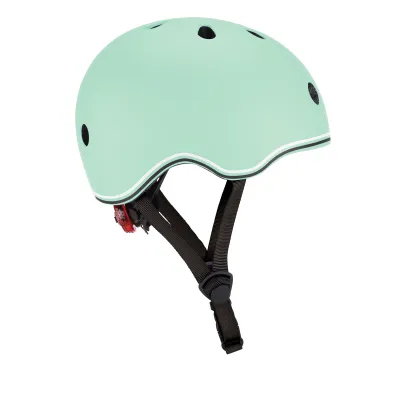
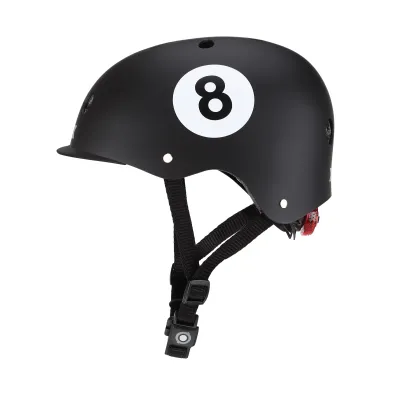
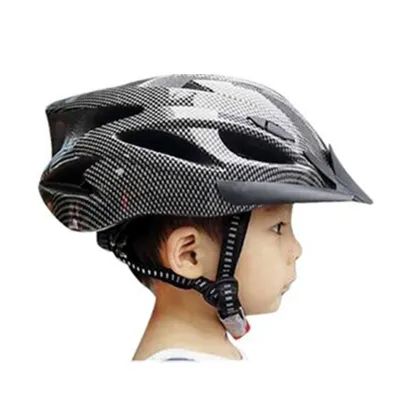
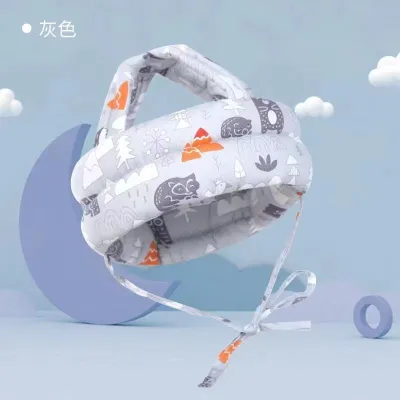
Prices are valid at publication and may change. Please refer to the product page for the latest price.
Why Safety Certifications Matter More Than Brand Marketing
When browsing toddler helmets, it is easy to get distracted by clever marketing terms such as “impact-resistant,” “heavy-duty,” or “maximum protection.” These phrases are often self-declared by manufacturers and do not guarantee that a helmet will perform adequately during a fall. To ensure genuine head protection, parents must look past the branding and verify official, independent safety certifications.
Recognized international safety standards serve as the baseline requirement for any helmet sold. The two most common standards you will encounter on reputable brands in Singapore are the US Consumer Product Safety Commission (CPSC) standard and the European EN1078 standard. These certifications guarantee that the helmet has undergone rigorous laboratory testing to measure its ability to absorb high-velocity impacts, resist strap roll-off, and maintain structural integrity under stress.
To verify these credentials, do not rely solely on the product packaging or online descriptions, which can sometimes be misleading or unverified. Instead, inspect the physical helmet itself. Genuine certified helmets feature a permanent tracking label or sticker affixed directly to the inner expanded polystyrene (EPS) foam liner. This sticker typically displays the certification code, the manufacturer’s details, and the production date. If a helmet lacks this internal label, it should not be used.
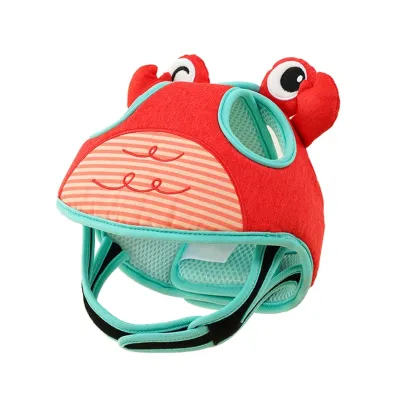
Parents should also exercise extreme caution regarding novelty helmets. While helmets shaped like animals with protruding plastic ears, horns, or spikes may appeal to toddlers, they can introduce significant safety hazards. During a fall, these hard plastic protrusions can catch on the pavement, causing the child’s head to twist abruptly and increasing the risk of neck injury. For optimal safety, choose a helmet with a smooth, rounded outer shell that allows the head to slide safely across the ground during an impact.
Comfort Features That Keep Toddlers Happy in Humid Weather
Even the safest helmet in the world cannot protect your child if they refuse to wear it. In Singapore’s tropical climate, heat and humidity can quickly turn a helmet into an uncomfortable, sweaty burden. To prevent your toddler from constantly trying to pull their helmet off, you must prioritize specific comfort features during your brand evaluation.

Effective ventilation is the most critical factor in keeping a toddler’s head cool. Look for helmets designed with multiple wide, strategically positioned air vents. A well-designed ventilation system allows cool air to enter through the front while channeling hot, humid air out through the top and rear vents. Avoid skate-style helmets with minimal, pinhole-sized vents if your child will be riding outdoors during the warmer hours of the day, as these tend to trap heat.
Moisture-wicking inner pads are equally important for managing sweat and preventing skin irritation. High-quality brands feature removable fabric pads that absorb sweat and keep it from dripping into your child’s eyes. Because these pads accumulate sweat and oils quickly, verify that the brand’s pads are easily removable and washable. It is also wise to check if the manufacturer sells replacement pad sets, as these components naturally degrade over time.
A secure yet comfortable fit is best achieved through an adjustable dial-fit system located at the back of the helmet. This mechanism allows you to make micro-adjustments to the inner plastic cage, customizing the fit to your toddler’s exact head circumference. This system is highly superior to basic strap-only adjustments or swapping out thick foam pads, as it accommodates rapid growth spurts while ensuring the helmet remains stable on the head.
Finally, consider the overall weight of the helmet. A toddler’s neck muscles and cervical spine are still developing, and carrying excess weight can lead to fatigue, poor posture, and resistance to wearing safety gear. When comparing brands, look for lightweight options, ideally weighing under 250 to 300 grams. You can verify the exact weight by checking the manufacturer’s specification sheet or the label inside the helmet.
How to Vet Toddler Helmet Brands Sold in Singapore
Navigating the local retail landscape requires a cautious approach to ensure you are purchasing a genuine, high-quality product. Toddler helmets are widely available across Singapore, but the source of your purchase significantly impacts the safety and authenticity of the gear.
Purchasing from authorized specialty baby stores, reputable local bicycle shops, or official brand boutiques is the safest route. These physical retail spaces allow you to inspect the build quality firsthand, verify the presence of internal safety stickers, and try the helmet on your child before buying. Furthermore, staff at specialized shops can often assist with initial fitting adjustments and answer technical questions about the brand’s design.
In contrast, buying from unverified third-party sellers on general e-commerce platforms presents substantial risks. Online marketplaces are frequently flooded with cheap, unbranded, or counterfeit helmets that mimic the appearance of premium brands but use substandard materials. These counterfeit products often lack the dense EPS foam required to absorb impact forces, putting your child at severe risk. If you choose to shop online, only purchase from official flagship stores or verified local distributors.
Before committing to a specific brand, take the time to research its safety history and customer support infrastructure. Visit official consumer safety portals to check for any active product recalls associated with the brand or specific model. A reputable brand should also have an accessible customer service channel or a dedicated local distributor in Singapore. This ensures you can easily obtain replacement parts, such as broken chin buckles or worn-out adjustment dials, without needing to buy an entirely new helmet.
When deciding between premium specialized brands and budget-friendly alternatives, consider the long-term value. Premium brands often invest heavily in lightweight materials, advanced ventilation engineering, and robust adjustment systems. While budget-friendly options can still provide adequate protection if they carry verified certifications, they may be heavier, less durable, and lack replaceable components. Assess your budget against how frequently your child will use the helmet and whether the brand offers the necessary longevity.
Proper Fit and Sizing: The True Measure of Protection
A helmet’s protective capabilities are entirely dependent on how well it fits your child’s head. An improperly sized helmet can easily slide backward, forward, or sideways during a fall, leaving critical areas of the skull exposed to impact. To ensure the brand you choose provides real protection, you must follow a precise fitting protocol.
When selecting a helmet, never infer suitability solely from a product name or generic age labels like “toddler” or “3+”. Instead, always verify the specific age recommendations, weight limits, and size ranges directly from the manufacturer’s official product documentation to ensure it matches your child’s current developmental stage.
Begin by measuring your toddler’s head circumference using a soft, flexible measuring tape. Wrap the tape horizontally around the widest part of their head, positioning it approximately two centimeters (or about one finger-width) above the eyebrows and ears. Keep the tape level from the front to the back of the head. Take this measurement two or three times to ensure accuracy, and use the largest reading when comparing against a brand’s specific size chart.
Once you have the helmet, place it level on your child’s head. The front edge of the helmet must sit low enough to protect the forehead, ideally one to two finger-widths above the eyebrows. If the helmet tilts backward, exposing the forehead, it is too loose or positioned incorrectly. If it tilts too far forward, it will obstruct your child’s vision, which can lead to accidents.
Next, adjust the straps to secure the helmet in place. The side straps should form a clean “Y” shape that meets just below each earlobe, without twisting or rubbing against the ears. Fasten the chin strap snugly; you should only be able to fit one or two fingers between the strap and your toddler’s chin when their mouth is closed. When your child opens their mouth wide, they should feel the helmet pull down slightly on their head, indicating a secure fit.
If your toddler’s head measurement falls directly between two sizes on a brand’s size chart, do not automatically buy the larger size with the expectation that they will “grow into it.” A helmet that is too large will shift during an impact, rendering it ineffective. Instead, choose the smaller size if it still fits comfortably without creating pressure points, or explore other brands. Different manufacturers design their helmets around different head shapes (some are more oval, while others are rounder), so trying multiple brands can help you find the perfect match.
When to Retire and Replace a Toddler Helmet
Helmets are engineered as single-impact safety devices. This means they are designed to protect the head by absorbing the energy of a single severe impact through the controlled destruction or compression of the inner EPS foam liner. Once this occurs, the helmet’s protective capacity is permanently compromised, even if there is no visible damage to the exterior.
Establish a strict protocol for inspecting and retiring your toddler’s helmet. If your child experiences a fall where their head hits the ground, or if the helmet is dropped heavily onto a hard surface like concrete, you must retire and replace it immediately. Do not attempt to reuse a helmet after any significant impact, as the internal foam may have sustained micro-fractures that are invisible to the naked eye.
Even in the absence of a major fall, regularly inspect the helmet for signs of material degradation. Examine the outer plastic shell to ensure it is not cracking, peeling, or separating from the inner foam liner. Check the EPS foam liner for any indentations, deep scratches, or crumbling areas. Inspect the straps, buckles, and rear adjustment dial to ensure they function smoothly and are free from fraying or cracking. If any component is damaged, stop using the helmet immediately.
Environmental factors such as intense sunlight, sweat, sunscreen, and hair products can gradually degrade helmet materials over time. Most manufacturers recommend replacing a helmet every three to five years from its date of manufacture, which is typically printed on the internal safety sticker. Additionally, you must replace the helmet immediately once your child’s head circumference exceeds the maximum limit specified by the manufacturer, as a tight helmet will not sit at the correct protective angle.
Frequently Asked Questions (FAQ)
Can a toddler use a standard bicycle helmet for a scooter or tricycle?
Yes, a standard bicycle helmet that carries verified CPSC or EN1078 safety certifications is generally suitable for low-speed toddler activities such as riding a scooter or a tricycle. These certifications test for the types of impacts most common during recreational riding. However, always verify the manufacturer’s intended use guidelines printed on the product label. Some multi-sport helmets offer extended coverage at the back of the head, which can provide additional protection for scooter riders who are more prone to falling backward.
How do I clean a toddler helmet without damaging the safety foam?
To clean a toddler helmet safely, wipe the outer shell and the inner EPS foam liner using a soft cloth dampened with lukewarm water and a mild, non-abrasive soap. If the helmet features removable fabric pads, hand-wash them separately with mild detergent and allow them to air-dry completely before placing them back inside. Never use harsh chemical solvents, aerosol sprays, or heavy household cleaners, as these substances can chemically break down the protective foam liner without leaving any visible signs of damage. Avoid submerging the entire helmet in water, as this can weaken the adhesives holding the shell and foam together.
Community discussion
Share your experience or ask a question. Comments are reviewed before publication.