
Navigating pregnancy in Singapore’s tropical climate brings unique physical challenges, especially as your baby bump grows and shifts your center of gravity. A high-quality pregnancy support belt can offer significant relief from lower back strain, pelvic girdle discomfort, and round ligament pain. However, with numerous options available in local boutiques and online marketplaces, finding a brand that is truly worth your investment requires careful consideration of material science, structural design, and authentic sourcing.
To determine which pregnancy support belt brands are worth buying, you must look beyond aesthetic designs and focus on functional performance. A worthy brand prioritizes skin-friendly breathability, robust adjustability, and targeted anatomical support. This guide outlines the essential criteria for evaluating maternity support wear, matching specific belt features to your pregnancy stage, and navigating the Singapore retail landscape safely and effectively.
How to Evaluate the Quality of Maternity Support Brands
Evaluating the quality of a maternity support brand requires looking closely at the materials and construction methods used. Because a support belt is worn tightly against the body for hours, fabric composition is the first line of defense against discomfort. In Singapore’s hot and humid weather, heat retention can lead to sweat rashes, contact dermatitis, and physical fatigue. High-quality brands address this by utilizing advanced, multi-layered fabrics that incorporate perforated elastic, lightweight cotton blends, or moisture-wicking synthetic fibers. When assessing a brand, check if they provide detailed fabric specifications and whether their materials are certified skin-safe.
Products mentioned in this guide
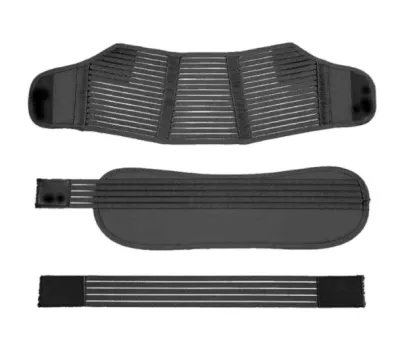
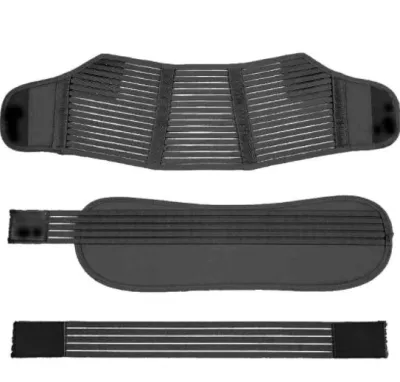
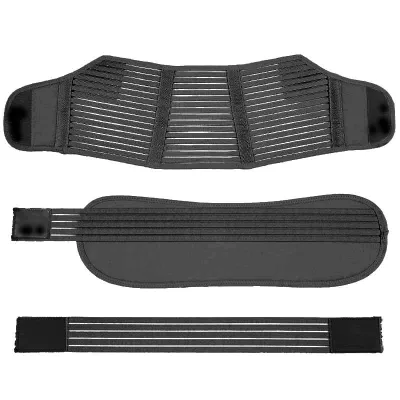
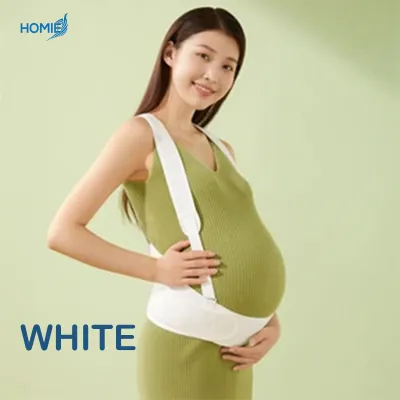
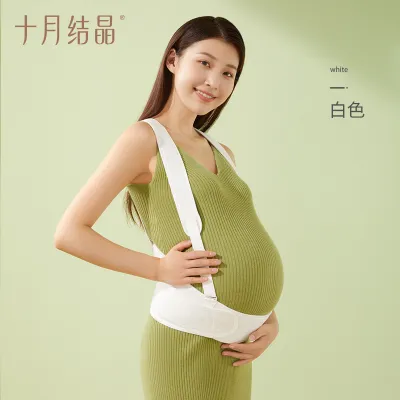
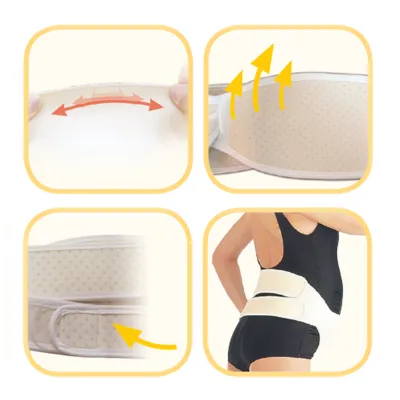
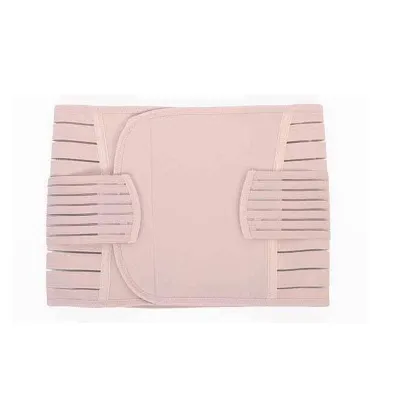
Prices are valid at publication and may change. Please refer to the product page for the latest price.
The fastening and adjustability mechanisms are equally critical to a belt’s long-term value. As your abdomen expands throughout the second and third trimesters, the belt must adapt without losing its structural tension. Premium brands utilize high-grade, medical-loop fasteners or micro-hook Velcro that grips securely without fraying, curling, or scratching your skin. Look for designs featuring double-tension side straps. These secondary straps allow you to fine-tune the level of compression throughout the day as you transition between sitting, standing, and walking, ensuring the belt remains securely in place.
Structural support levels vary widely across different brands, and a quality manufacturer will clearly categorize their products based on the type of relief they provide. Some belts are engineered specifically for lower-back stabilization, featuring integrated vertical support panels or flexible plastic boning that helps distribute weight across the lumbar region. Other designs focus on full-belly lifting, utilizing a multi-piece system that cradles the lower abdomen and transfers the weight to the hips and upper back. A reputable brand will offer clear guidance on which structural design aligns with your specific physical needs.
Finally, brand transparency is a strong indicator of overall quality and reliability. Worthwhile brands provide comprehensive sizing charts that do not rely solely on pre-pregnancy dress sizes. Instead, they guide you to measure your current belly circumference at specific anatomical points to ensure an accurate fit. They also offer clear documentation regarding their manufacturing standards, quality control processes, and material sourcing, giving you confidence that the product is engineered to support your body safely.
Matching Belt Features to Your Pregnancy Stage and Lifestyle
Your physical support requirements will evolve dramatically as your pregnancy progresses, meaning the ideal belt for your second trimester may not provide sufficient relief during your final weeks. During the first and early second trimesters, physical changes are often characterized by mild postural shifts and early pelvic instability caused by the hormone relaxin. At this stage, a lightweight, highly flexible elastic belly band is often the most appropriate choice. These bands offer gentle compression, help keep your pre-pregnancy trousers in place, and provide a subtle layer of support without feeling restrictive under your clothing.

As you enter the third trimester, the rapid growth of the fetus shifts your center of gravity forward, placing immense strain on your lower back, abdominal muscles, and pelvic joints. This stage demands a comprehensive support belt designed for heavy belly lifting and pelvic girdle relief. Multi-piece support systems are highly effective here, as they feature a wide under-belly band that lifts the abdomen, a reinforced back panel to stabilize the lumbar spine, and an optional upper strap that prevents the belt from shifting during movement. These robust designs help redistribute the baby’s weight more evenly across your pelvis and hips, reducing pressure on your bladder.
Many mothers also look for brands that offer a smooth postpartum transition. Some maternity belts are designed with dual-purpose functionality, allowing you to reconfigure the straps after childbirth to serve as a postpartum pelvic binder or abdominal recovery wrap. Alternatively, some brands offer dedicated postpartum lines engineered specifically to support abdominal wall healing, stabilize the pelvis, and assist with posture during breastfeeding. Investing in a brand that offers a clear pathway from prenatal support to postpartum recovery can provide excellent long-term utility.
Your daily activity level and lifestyle should also dictate the specific features you prioritize. If your routine involves long hours of office work and sitting at a desk, you require a belt with soft, contoured edges and highly flexible materials that will not dig into your thighs or compress your stomach when seated. Conversely, if your lifestyle involves extended periods of standing, walking, or light prenatal exercise, you should prioritize maximum breathability, non-slip silicone grips, and reinforced vertical support panels that keep the belt securely positioned during active movement.
Where to Buy and Verify Authentic Brands in Singapore
When searching for genuine pregnancy support belts in Singapore, choosing the right retail channel is essential for ensuring product authenticity, safety, and value. Specialized maternity boutiques located in major shopping districts offer a premium shopping experience where you can physically examine the materials, test the strength of the fasteners, and receive personalized fitting advice from trained staff. Trying on different styles in person is highly beneficial, as it allows you to feel how the structural panels align with your unique body shape before committing to a purchase.
For convenience and trusted quality control, major pharmacy chains and department stores across Singapore are excellent options. These retailers stock established, medically oriented support brands that adhere to strict safety standards. If you prefer the convenience of online shopping, purchasing directly from the official online stores of recognized maternity brands is the safest route. This ensures you receive the latest product iterations, authentic packaging, and direct access to the manufacturer’s customer service team for sizing assistance or product inquiries.
It is important to exercise caution when browsing general online marketplaces and e-commerce platforms. While these platforms often feature a wide array of low-cost, unbranded maternity belts, these products frequently lack rigorous quality control. Unbranded belts may use substandard elastic fibers that stretch out and lose their supportive tension after just a few uses, or they may utilize cheap synthetic dyes and adhesives that trigger severe skin allergies in Singapore’s humid climate. To protect your health and investment, always verify that you are buying from authorized local distributors or official brand flagship stores on these platforms.
Before finalizing your purchase, carefully evaluate the retailer’s return, exchange, and warranty policies. Because your body shape can change rapidly during pregnancy, a belt that fits perfectly one week may require a different size or style the next. Reputable local retailers and official brand stores often provide flexible sizing exchange policies, allowing you to swap an unused, clean belt for a different size if the initial fit is uncomfortable. Additionally, assessing the long-term value for money means looking beyond the initial price tag; a durable, high-quality belt that costs between S$60 and S$120 but retains its elasticity through daily wear and washing is far more cost-effective than a cheap S$15 alternative that needs constant replacement.
Safe Usage, Proper Fit, and When to Consult a Doctor
Using a pregnancy support belt safely requires a clear understanding of proper fitting techniques and physical limits. When putting on a maternity belt, the primary goal is to cradle and lift the abdomen from underneath, rather than compressing the belly inward. The belt should be positioned low on the pelvis, resting snugly beneath your bump and wrapping around to your lower back. It should feel supportive and secure, but never tight enough to restrict your breathing, digestion, or blood circulation. A practical way to verify a proper fit is to slide two fingers easily between the belt and your skin; if the belt leaves deep indentations or causes physical discomfort, it must be loosened immediately.
Maternity support belts are designed to be active physical aids rather than permanent structural replacements for your muscles. To prevent your core and back muscles from becoming dependent on external support, you should limit your daily wear time. General guidelines recommend wearing the belt for no more than 2 to 3 hours consecutively, focusing its use during periods of high physical activity, extended standing, or walking. Taking regular breaks throughout the day allows your natural stabilizing muscles to engage and maintain their strength, which is crucial for both your pregnancy journey and your postpartum recovery.
It is vital to remain highly attentive to your body’s physical signals while wearing a support belt. You should immediately remove the belt if you experience any warning signs, such as shortness of breath, dizziness, nausea, localized numbness or tingling in your legs and pelvic region, skin irritation, or a noticeable change in fetal movement patterns. These symptoms indicate that the belt may be improperly positioned, too tight, or restricting essential blood flow to your uterus and lower extremities.
Finally, certain physical conditions require professional medical clearance before you begin using any maternity support wear. If you experience severe pelvic girdle pain, symphysis pubis dysfunction, high blood pressure, or have a history of skin conditions or circulatory issues, consult your obstetrician, gynecologist, or a qualified prenatal physiotherapist. A healthcare professional can assess your specific physical condition, recommend the most appropriate type of support, and provide personalized guidance on fitting and usage to ensure the safety of both you and your baby.
Frequently Asked Questions (FAQ)
Can I wear a pregnancy support belt while sleeping?
Generally, you should remove your pregnancy support belt before going to sleep or lying down for extended rests. When you are in a horizontal position, the gravitational pull on your abdomen changes, which naturally relieves the downward pressure on your pelvis and lower back, making the upward lift of a belt unnecessary. Wearing a supportive, compressive band while sleeping can restrict blood circulation, impede digestion, and cause physical discomfort as your body shifts positions. For nighttime comfort and hip alignment, consider using ergonomic pregnancy pillows or specialized wedge cushions designed to support your bump and knees safely. Always consult your doctor if you have a specific medical condition that requires overnight pelvic stabilization.
How do I clean and maintain my maternity belt to ensure longevity?
To maintain the elasticity, hygiene, and structural integrity of your maternity belt, always consult the manufacturer’s specific care label first. Most high-quality belts should be hand-washed in cool water using a mild, hypoallergenic detergent to protect both the elastic fibers and your skin. If the manufacturer permits machine-washing, always place the belt inside a mesh laundry bag and ensure all hook-and-loop (Velcro) fasteners are securely closed to prevent them from snagging the fabric or other garments. Always air-dry the belt flat in a shaded, well-ventilated area away from direct sunlight and high heat sources. Never use a tumble dryer, iron, or bleach, as extreme heat and harsh chemicals will rapidly degrade the elastic fibers and weaken the fastening mechanisms.
Will a support belt weaken my core muscles during pregnancy?
Using a maternity support belt continuously without breaks can lead to muscle dependency, as your deep abdominal and lower back muscles rely on the external brace rather than engaging naturally. To prevent this, treat the belt as a temporary, supplementary aid to be worn during specific activities rather than a permanent fixture. It is highly recommended to combine the use of a support belt with approved prenatal exercises, such as pelvic floor training and gentle core stabilization, under the guidance of a physiotherapist or doctor. This balanced approach ensures you receive immediate physical relief while actively maintaining the natural muscle strength needed for labor and postpartum recovery.
Community discussion
Share your experience or ask a question. Comments are reviewed before publication.