
Long feeding sessions can quickly turn what should be a bonding experience into a source of physical strain. For many new parents, holding a baby for thirty minutes or more, multiple times a day, leads to persistent discomfort in the neck, shoulders, and lower back. A well-designed nursing pillow acts as an ergonomic aid, lifting your baby to the correct height to ease the burden on your muscles. However, because every caregiver’s body and feeding setup are unique, finding the right brand requires looking past generic marketing claims and understanding the specific structural features that support long-term comfort.
Rather than relying on a single “best” recommendation, the key to a successful purchase lies in matching a pillow’s design to your physical proportions, feeding style, and home environment. By evaluating how different brands approach firmness, adjustability, and material quality, you can select a support system that maintains its shape and comfort through months of daily use.
Understanding Comfort Needs for Extended Feeding
Extended feeding sessions, whether breastfeeding or bottle-feeding, require caregivers to maintain a relatively still posture for prolonged periods. This static positioning often leads to muscle fatigue, particularly in the deltoids, trapezius, and lower back, as you instinctively tense up to support your baby’s weight. Without proper support, the natural tendency is to lean forward, hunching the shoulders and straining the cervical spine to keep the baby positioned correctly at the breast or bottle.
Products mentioned in this guide
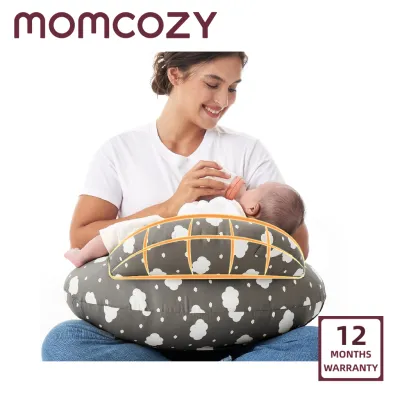
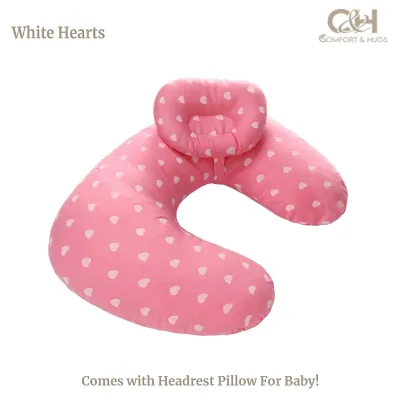
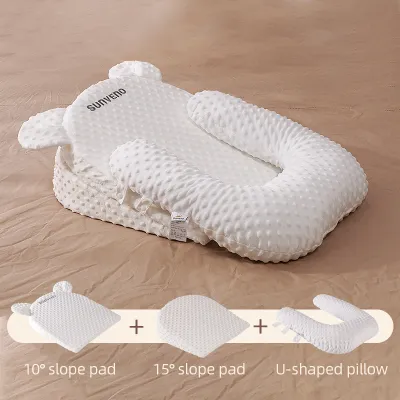
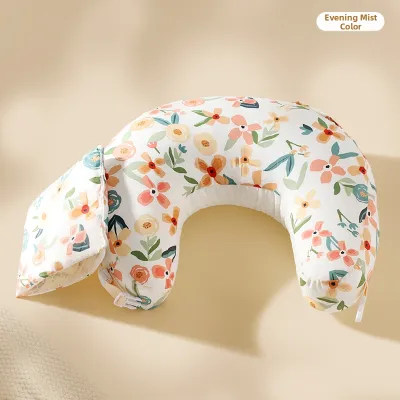
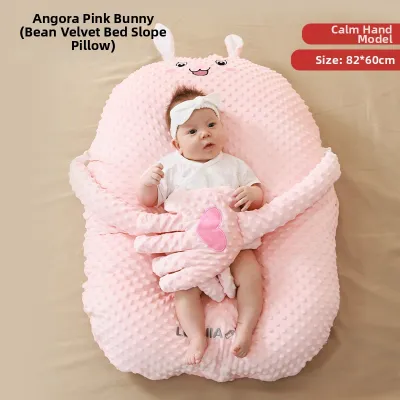
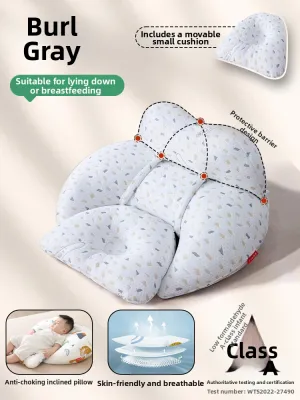
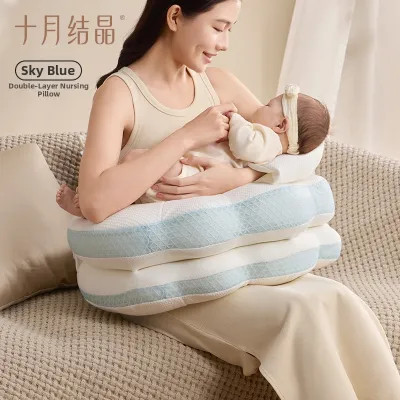
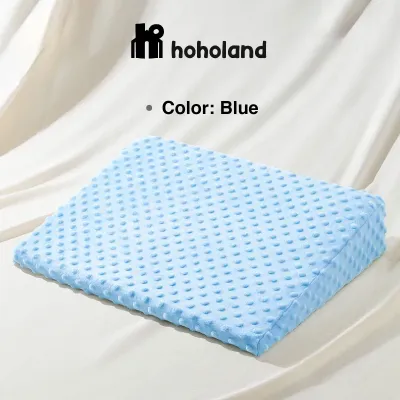
Prices are valid at publication and may change. Please refer to the product page for the latest price.
The primary ergonomic role of a nursing pillow is to bridge the physical gap between your lap and your baby’s feeding position. A high-quality pillow should support the baby’s weight entirely, allowing your arms to rest naturally without carrying the load. By bringing the baby up to your chest level, the pillow helps you maintain a neutral, upright spine, which significantly reduces the risk of long-term postural strain and tension headaches.
It is also important to recognize that your comfort requirements will shift continuously as your baby grows. A newborn is light but requires precise positioning and close physical contact to maintain a secure latch. As the baby gains weight and grows longer, they will occupy more space on the pillow, and their center of gravity will shift. A pillow that feels perfectly comfortable during the first few weeks may feel cramped or insufficiently supportive once your baby becomes more active and heavy.
Furthermore, caregivers themselves come in all shapes and sizes, meaning a pillow that works perfectly for one person might cause discomfort for another. Factors such as torso length, waist circumference, and the height of your favorite feeding chair all influence how a pillow sits against your body. Understanding these personal variables is the first step toward identifying which brand designs will offer the most sustainable comfort for your specific situation.
Core Features to Evaluate When Comparing Brands
When comparing different nursing pillow brands, firmness is one of the most critical factors to evaluate. A pillow that is too soft or plush might feel comfortable to the touch, but it will often compress under your baby’s weight, causing them to sink down. This sinking forces you to hunch forward or use your arms to lift the baby back into position, defeating the ergonomic purpose of the pillow. Look for brands that emphasize high-density foam or firm fiberfill that maintains its height even during long, uninterrupted sessions.

Adjustability is another feature that separates basic designs from highly comfortable, premium options. Many brands include adjustable straps, buckles, or ties that allow you to secure the pillow tightly around your waist. This secure fit prevents the pillow from shifting forward or sliding away from your body, which can create a gap where the baby might slip. Some modular brands even offer removable inserts or layers, allowing you to customize the height and angle of the pillow as your baby grows or as you transition between different chairs.
The materials used in the pillow cover play a major role in overall comfort, particularly during skin-to-skin contact or in warm, humid climates like Singapore. Synthetic fabrics can trap heat and moisture, leading to sweating and skin irritation for both you and your baby during long sessions. When researching brands, prioritize those that offer breathable, moisture-wicking covers made from natural fibers like organic cotton, bamboo-derived fabrics, or specialized performance meshes.
Because feeding sessions are inevitably messy, washability is a practical feature that directly impacts long-term satisfaction. Verify whether the brand’s cover is easily removable and machine-washable, and check if the zipper is designed to be tucked away safely so it does not scratch your baby’s skin. Additionally, look into whether the inner core of the pillow can be spot-cleaned or if it features a water-resistant lining that prevents spilled milk or spit-up from soaking into the filling material.
Matching Pillow Shapes and Fill Types to Your Body
The physical shape of a nursing pillow dictates how it wraps around your body and supports your baby. The classic C-shaped wrap is highly popular because it easily slides around the front of the waist and fits a wide variety of body types. However, because C-shaped pillows rely on the tension of the curve to stay in place, they can sometimes gap or slide forward on caregivers with smaller or larger waists, requiring frequent readjustment during long feeds.
For those seeking more comprehensive support, U-shaped full-surround designs or wrap-around pillows with backrests offer a more secure fit. These designs typically feature a strap that buckles behind your back, locking the pillow in place and providing integrated lumbar support. While these pillows excel at preventing back strain during long sessions, they are generally bulkier, less portable, and can be more cumbersome to put on and take off, especially when holding a fussy baby.
Crescent-shaped or wedge designs offer a more minimalist approach, allowing you to position the support exactly where you need it, such as under one arm or beneath the baby’s head. These are highly portable and work well for alternative feeding positions, like the football hold. However, they do not offer the hands-free stability of a wrap-around design, meaning you may still need to use one arm to keep the pillow and baby stabilized throughout the session.
The internal fill material of the pillow determines both its initial feel and its durability over months of compression. Polyester fiberfill is the most common and budget-friendly option, offering a soft, bouncy feel; however, lower-grade fiberfill can clump or flatten over time, requiring regular fluffing to restore its shape. Memory foam provides excellent, contoured support and holds its shape exceptionally well, but it can be heavy, rigid, and prone to retaining body heat.
Microbead fills offer a unique middle ground, allowing the pillow to mold dynamically to your baby’s body shape while maintaining a firm, supportive base. Microbeads are highly breathable and lightweight, making them comfortable in warm weather, but they can shift during use, sometimes requiring you to manually redistribute the beads to maintain the desired height. When choosing a brand, consider whether you prioritize the consistent, rigid support of foam or the moldable, lightweight nature of fiber or bead fills.
Verifying Brand Claims and Real-World Performance
With so many brands claiming to offer the ultimate comfort, it is essential to develop a strategy for validating these marketing promises. When reading user reviews on online marketplaces or parenting forums, look past the overall star rating and search specifically for keywords like “long sessions,” “sagging,” “firmness over time,” and “back pain.” Reviews written by parents who have used the pillow for several months are far more valuable than those written immediately after purchase, as they reveal how well the materials hold up to daily wear.
Because physical comfort is highly subjective and depends entirely on your unique body shape, check the brand’s return policy and trial periods before buying. Some premium brands offer satisfaction guarantees or short trial windows, allowing you to test the pillow at home and return it if it does not provide the necessary ergonomic support. Be sure to read the fine print of these policies, as some brands may only accept returns on unused items in their original packaging due to hygiene regulations.
Do not rely solely on a brand’s website claims regarding safety and material purity; instead, look for independent safety certifications printed directly on the physical product tags or verified in official databases. Certifications such as Oeko-Tex Standard 100 or CertiPUR-US indicate that the fabrics and foams have been tested for harmful substances and emissions. Verifying these standards is particularly important for nursing pillows, as your baby’s skin and airway will be in close proximity to the materials for hours every day.
Be cautious of product descriptions that use vague language or lack clear, detailed specifications. Red flags include brands that do not disclose the exact composition of their fill materials, fail to provide clear washing and care instructions, or make absolute claims about curing back pain or guaranteeing a perfect latch. A reputable brand will provide transparent information about their sourcing, material safety, and product dimensions, allowing you to make an informed decision based on verifiable facts.
Optimizing Your Feeding Setup Beyond the Pillow
While a high-quality nursing pillow is an invaluable tool, it is only one component of a larger ergonomic setup. To achieve true comfort during long feeding sessions, you must also consider how the rest of your body is supported. Ensure that your feet are flat on the floor or resting on a low footstool, which helps stabilize your pelvis and reduces pressure on your lower back. If your favorite feeding chair has deep seating, place a firm standard pillow behind your lower back to maintain your spine’s natural curve.
As your baby grows and their feeding positions change, you may need to adjust how you use your nursing pillow. For example, you might need to place a small, folded blanket or a supplementary cushion under one side of the pillow to raise your baby’s head slightly, or to compensate for a chair armrest that sits at an awkward height. Regularly assess your posture during feeds; if you find yourself tensing your shoulders or leaning forward, it is a sign that your setup needs adjustment.
It is equally important to recognize when a nursing pillow is no longer serving its purpose or when its use should be modified. If your baby begins to struggle with their latch, shows signs of discomfort, or constantly tries to roll off the pillow, it may be time to transition to a different position or phase out the pillow entirely. Always prioritize your baby’s safety and comfort, and do not hesitate to consult a certified lactation consultant or pediatric professional if you experience persistent feeding difficulties or physical pain.
Frequently Asked Questions (FAQ)
Can I use a regular bed pillow instead of a branded nursing pillow?
While a regular bed pillow can provide temporary support in a pinch, it generally lacks the structural firmness and specialized shape required for comfortable, long-term feeding. Standard bed pillows are designed to compress easily under the weight of a head, meaning they will quickly sag under a baby’s weight, forcing you to constantly adjust your posture or lift the baby with your arms. Additionally, bed pillows do not wrap securely around your waist, leaving gaps where the baby can slide or roll.
If you do choose to use a regular pillow as a temporary solution, it is best used to support your own elbows or arms rather than as a direct platform for the baby. When feeding, always maintain active supervision and keep a secure hold on your baby, as standard pillows present a higher risk of the baby sinking into soft fabric or rolling off the sides. For consistent, daily feeding sessions, investing in a purpose-built nursing pillow designed to maintain its shape is highly recommended for your physical well-being.
Do I need a different nursing pillow for bottle feeding versus breastfeeding?
Most high-quality nursing pillows are designed to be versatile and can be used effectively for both breastfeeding and bottle feeding. The primary ergonomic goal remains the same for both methods: bringing the baby up to your chest level to prevent you from hunching over. Whether you are holding a bottle or positioning a baby at the breast, the pillow should support the baby’s weight so your arms and shoulders can remain relaxed.
However, bottle feeding often requires a slightly different positioning angle to ensure a safe milk flow and prevent issues like ear infections or rapid swallowing. You may need to adjust the baby’s head elevation on the pillow, which can be easily achieved by choosing a brand with a slightly angled surface or by placing a small, folded cloth under the baby’s head. When researching brands, look for those that explicitly state their suitability for multiple feeding positions and check the product labels for specific positioning guidelines.
How do I know when it is time to stop using the nursing pillow?
The decision to stop using a nursing pillow is typically guided by your baby’s developmental milestones and your own physical comfort. As babies develop stronger core muscles and gain the ability to sit up independently, they often become more active and mobile during feeds. If your baby constantly tries to push away from the pillow, roll over, or sit upright while feeding, the pillow may begin to hinder rather than help the process.
Additionally, as your baby grows longer and heavier, their body may naturally reach a position where they can easily reach the breast or bottle while resting directly on your lap, making the extra height of the pillow unnecessary. Always refer to the manufacturer’s specific weight, age, and developmental limits printed on the product label or instruction manual. Once your baby has outgrown these limits, or if you find that you can feed comfortably and safely without the added support, you can gradually transition the pillow out of your daily routine.
Community discussion
Share your experience or ask a question. Comments are reviewed before publication.