
Finding relief from the physical strain of pregnancy is a priority for many expectant mothers in Singapore. As your baby grows, the shifting center of gravity often places significant pressure on your lower back, pelvis, and abdominal muscles. A dedicated maternity belly support band can offer immediate relief by gently lifting the abdomen and distributing weight more evenly across your hips and torso. Rather than searching for a single universal option, the most suitable support band for your journey depends on your specific stage of pregnancy, your daily activity levels, and how well the garment handles the local tropical climate. Understanding the structural differences between various support options and knowing how to verify their quality will help you make a safe, comfortable, and effective choice.
Maternity Support Bands vs. Medical Stomach Binders: Know the Difference
It is common to encounter terms like “medical stomach binder” when searching for abdominal support, but understanding the fundamental design differences between these products is crucial for your safety. A dedicated maternity support band is engineered specifically to cradle the lower abdomen, lifting the weight of the bump upward and backward toward the spine. This upward lift reduces the downward pull on the pelvic floor and minimizes the forward tilt of the pelvis, which is a primary cause of lower back pain during pregnancy.
In contrast, a standard medical stomach binder is designed for post-surgical recovery, abdominal wall support, or hernia management. These binders apply uniform, circumferential compression across the entire midsection to stabilize incisions or support weakened muscles. Applying this type of rigid, inward compression to a pregnant abdomen is highly unsuitable, as it can restrict blood flow, compress the uterus, and place unnecessary pressure on the developing fetus.
Products mentioned in this guide
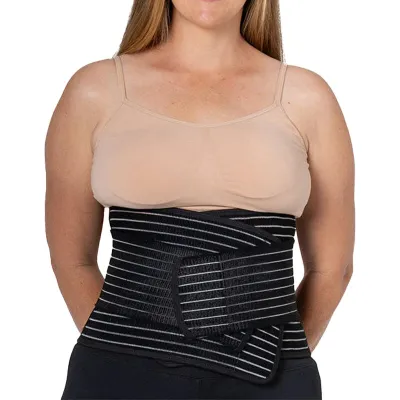
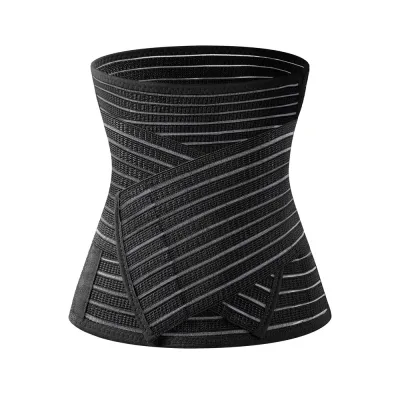
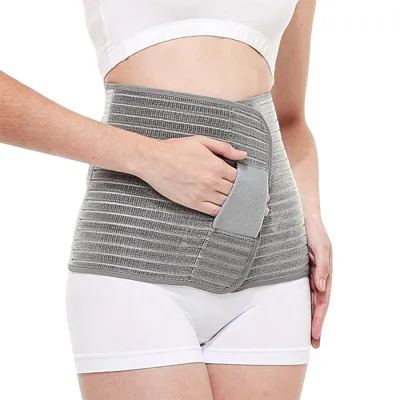
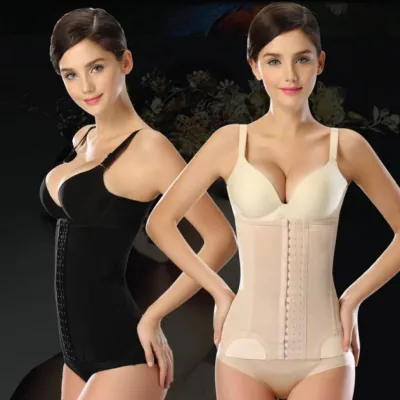
Prices are valid at publication and may change. Please refer to the product page for the latest price.
The structural differences between these two types of garments are distinct. Maternity bands feature specialized stretch zones made of highly elastic materials that expand dynamically as the baby grows. They often incorporate a curved pelvic cradle that sits beneath the bump, combined with adjustable straps that allow the wearer to customize the level of support without squeezing the upper abdomen. In contrast, medical binders are typically straight, wide bands of thick, non-yielding elastic or canvas designed to bind the torso tightly.
When shopping in Singapore, whether online or in physical stores, always verify that the product is explicitly labeled for prenatal or maternity use. Avoid products labeled generically as abdominal binders, waist trainers, or post-operative compression bands during pregnancy. Checking the manufacturer’s intended use ensures you are not accidentally purchasing a restrictive medical binder that could compromise your comfort or safety.
Key Features to Evaluate When Shopping for a Belly Band
The tropical, humid weather in Singapore means that heat retention is a major concern for expectant mothers. A support band made of heavy, non-breathable synthetic fabric can quickly lead to overheating, excessive sweating, and skin irritation such as heat rashes. Look for bands constructed from lightweight, perforated elastics, cotton blends, or advanced moisture-wicking fabrics that promote airflow and keep the skin dry throughout the day.

Your body changes rapidly during the second and third trimesters, meaning a fixed-size band will quickly become uncomfortable. Opt for support bands that feature dual-strap systems or adjustable side tension panels. These designs allow you to fine-tune the level of support and expand the band’s circumference gradually, ensuring the garment remains useful and supportive from the early stages of your bump’s growth right up to your delivery date.
A band that is too narrow may cut into your skin or fail to distribute weight effectively, while one that is too wide might restrict your movement when sitting or walking. The ideal band should have a wider back panel to provide structured support to the lumbar region, tapering to a narrower, contoured front band that sits comfortably beneath the belly. This shape prevents the band from riding up toward your waist or rolling down under the weight of the bump.
Because maternity bands are worn close to the body, rough seams, thick borders, or exposed fastening edges can cause friction and chafing against sensitive skin. Choosing a band with seamless construction or flat-bonded edges ensures a smooth fit that minimizes skin irritation. Additionally, a low-profile design allows the band to remain virtually invisible under lightweight summer clothing, giving you the freedom to wear your preferred maternity outfits without bulky lines showing through.
High-quality elastane or spandex blends are essential for maintaining tension over several months of daily wear. Cheaper materials may stretch out permanently after a few weeks, losing their supportive properties. Checking the material composition on the product label can give you a clear indication of whether the band will retain its elasticity and shape after repeated stretching and washing.
How to Measure and Ensure a Safe, Comfortable Fit
Do not rely on your pre-pregnancy clothing size or your current maternity dress size when purchasing a support band. Instead, use a flexible measuring tape to measure your current body dimensions. Stand up straight and wrap the tape around your lower back, bringing it forward to meet just under your belly where the band will sit. Some manufacturers also require an over-bump measurement or a hip measurement, so always consult the specific sizing chart provided by the brand before making a purchase.
Once you have put on the support band, it is vital to verify that it is not too tight. A simple and reliable way to check this is the two-finger rule: you should be able to slide two fingers easily between the band and your skin at any point around your torso. If you cannot do this, or if the band leaves deep, red indentations on your skin after a short period of wear, the band is adjusted too tightly and must be loosened to prevent restricted blood circulation.
The correct placement of the band is crucial for both comfort and safety. The main supportive strap must sit low on your hips, resting just above the pubic bone to cradle the lower curve of your bump. It should never be positioned high across the middle of your stomach or directly over your belly button, as this placement applies direct pressure to the uterus rather than lifting the weight from below.
Pay close attention to how your body responds while wearing the band, especially when transitioning between sitting, standing, and walking. If you experience numbness or a tingling sensation in your legs, shortness of breath, increased acid reflux, or if the band constantly shifts, bunches, or slides out of place, these are clear indicators of an incorrect fit. You may need to adjust the tension, reposition the straps, or switch to a different size or style of support garment.
Navigating Purchase Channels and Verifying Product Quality
Expectant mothers in Singapore have several reliable options for acquiring maternity support bands. Visiting specialized physical maternity boutiques allows you to try on different styles, feel the fabrics, and receive personalized fitting advice from experienced staff. Alternatively, established local pharmacy chains and reputable online marketplaces offer convenience and a wider selection of products, making it easy to compare features and prices from the comfort of your home.
When shopping online, it is important to exercise caution and avoid unverified third-party sellers on general ecommerce platforms. Red flags include product listings that lack detailed sizing charts, have no clear return or exchange policies, or provide no accessible customer service contact information. Because a proper fit is essential for safety, purchasing from a seller that does not allow exchanges for incorrect sizes can result in a wasted purchase and potential physical discomfort.
Before finalizing your purchase, verify that the product comes with authentic manufacturer packaging, readable care labels, and a clear list of material compositions. High-quality brands will openly state the percentages of nylon, polyester, cotton, or elastane used in the garment. Avoid products that arrive without clear labeling or instructions, as these may be low-quality imitations that lack the necessary structural integrity and safety standards required for prenatal support.
When reading customer reviews on online platforms, look past the overall star rating and focus on specific feedback from buyers who have used the product in warm climates. Search for comments regarding how well the band manages heat and humidity, whether the elastic retains its tension after multiple washes, and if the fastening mechanisms remain secure over weeks of daily use. Real-world feedback on these aspects is highly valuable for determining if a band is suitable for daily wear in Singapore’s weather.
Safety Limits and When to Consult Your Obstetrician
While a maternity support band can provide significant relief, it should not be worn continuously throughout the day and night. Overusing a support garment can lead to muscle dependency, where your deep core and back muscles begin to rely on the external support rather than active engagement, potentially weakening them over time. Most healthcare professionals recommend limiting wear to a few hours at a time, such as during periods of prolonged standing, walking, or physical activity, to allow your muscles to work naturally and your skin to breathe.
It is essential to consult your obstetrician or gynecologist before introducing a support band into your routine, especially if you have a pre-existing medical condition or a high-risk pregnancy. Conditions such as placenta previa, restricted fetal growth, gestational hypertension, or any history of circulatory issues require careful medical evaluation. Your doctor can determine if wearing a support garment is safe for your specific situation and advise on the appropriate level of compression.
Stop using the support band immediately and seek medical advice if you experience any adverse symptoms while wearing it. These signals include a sudden or gradual reduction in fetal movement, worsening pelvic or abdominal pain, dizziness, shortness of breath, or the development of persistent skin irritation, redness, or rashes. Your body’s signals are the most reliable indicator of whether a support garment is helping or causing harm, and any discomfort should never be ignored.
In addition to your obstetrician, a women’s health physiotherapist can play a vital role in managing pregnancy-related discomfort. They can assess your posture, recommend specific types of support garments or custom-fitted braces, and guide you through safe pelvic floor and core-strengthening exercises. Combining a support band with targeted physical therapy often yields the best long-term results, helping you maintain strength and mobility throughout your pregnancy and into the postpartum recovery period.
Frequently Asked Questions (FAQ)
Can I use a maternity support band while sleeping?
It is generally recommended to remove your maternity support band before going to sleep. When you are lying down, the gravitational pull on your abdomen is naturally reduced, meaning the lifting action of the band is no longer necessary. Wearing a supportive garment in bed can restrict your blood circulation, limit your breathing depth, and cause your body to overheat during the night. Unless your obstetrician has specifically prescribed a specialized support garment for a diagnosed medical condition during sleep, it is best to let your body rest naturally without any external compression.
Are maternity belly bands covered by health insurance or Medisave?
In Singapore, over-the-counter maternity support bands are typically classified as personal comfort or wellness items rather than essential medical devices. Consequently, they are generally paid for out-of-pocket and are not eligible for Medisave claims or standard private health insurance coverage. However, if your obstetrician or a specialist prescribes a highly specific, medical-grade pelvic joint brace or post-surgical binder for a diagnosed clinical condition, you should check directly with your insurance provider or the clinic’s administrative staff to see if that specific item qualifies for reimbursement under your policy.
How should I wash and maintain the elasticity of the band?
To preserve the elastic fibers and structural integrity of your maternity support band, hand-washing is the highly recommended method. Fill a basin with cool water and add a small amount of mild, pH-neutral detergent. Gently submerge the band, agitate it by hand, and rinse thoroughly with clean, cool water. Avoid wringing or twisting the fabric tightly, as this can damage the internal spandex fibers. Instead, gently press out excess water, lay the band flat on a clean towel, and allow it to air-dry in a shaded, well-ventilated area away from direct sunlight and heat sources, which can degrade the elastic over time.
Community discussion
Share your experience or ask a question. Comments are reviewed before publication.