
Choosing a breastfeeding cushion that maintains comfort during extended nursing sessions requires looking beyond marketing claims to evaluate actual structural support, material resilience, and ergonomic fit. Because comfort is highly dependent on a mother’s body type, preferred nursing positions, and the baby’s developmental stage, there is no single universally perfect brand. To find the right option, you must systematically assess product specifications, compare design shapes, and verify safety standards so you can confidently select a cushion that offers sustained support for your specific needs.
Key Features to Look for in Long-Session Nursing Pillows
When evaluating different breastfeeding cushion brands, the primary goal is to find a product that can sustain comfort over extended periods. A typical nursing session can last anywhere from 20 to 45 minutes, and when repeated multiple times a day, even minor design flaws can lead to significant physical discomfort. Understanding the key physical and material criteria of these cushions will help you look past generic marketing and identify a model built for long-term endurance.
First, consider the balance between firmness and softness. While a plush, pillow-soft cushion might feel incredibly comfortable to the touch, it is generally unsuitable for long nursing sessions. A cushion that is too soft will compress under your baby’s weight, causing them to sink. This forces you to lean forward, slouch, or use your arms and shoulders to lift the baby to the correct height, leading to muscle strain and fatigue. A firm cushion acts as a stable platform, keeping the baby positioned at breast height without sagging, which allows your upper body to remain relaxed and supported.
Products mentioned in this guide
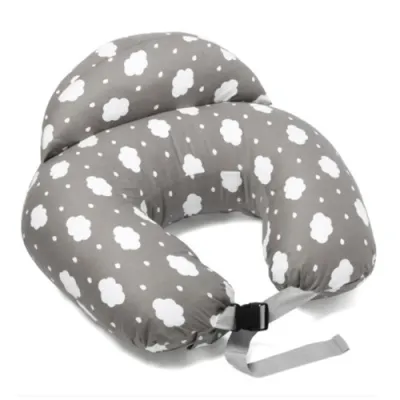
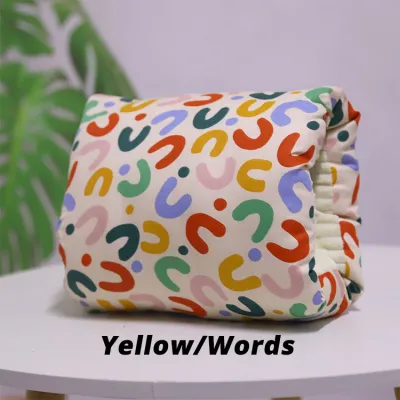
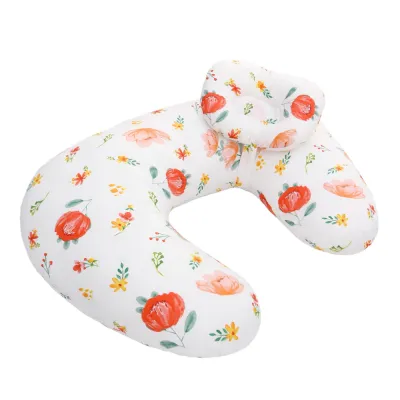
![[RototoBebe] Anti-Regurgitation Baby Lounger (Optional Bag) ● Anti-reflux Infant Cushion with Removable Cover ● Rototo Cushion ● Nursing Pillow ● Prevent Milk Acid Reflux ● Tummy Time ● Soft Big Cushion for Baby Toddler ● Rototo Bebe Baby Mat Bed](https://img.lazcdn.com/g/p/18efaa36620b7abb0f83dc4c43fd9348.png_400x400q80.png_.webp)
Prices are valid at publication and may change. Please refer to the product page for the latest price.
Next, evaluate the fill materials, which dictate how well the cushion maintains its shape and regulates temperature. Memory foam provides dense, highly supportive contouring, but it is heavy and tends to retain body heat, which can become uncomfortable during long sessions in warm climates. Polyester fiberfill is lightweight and widely available, but lower-quality fiberfill can clump or flatten quickly with daily use, requiring frequent fluffing. Microbeads allow the cushion to shift and mold easily to your body, but they can migrate away from high-pressure areas during a feed, requiring you to manually adjust and shake the pillow to restore support.
Cover fabrics are equally important for comfort during extended contact. Because nursing involves close skin-to-skin contact, look for breathable, moisture-wicking materials such as organic cotton, bamboo-derived rayon, or specialized performance polyester blends. These fabrics help dissipate heat and keep both you and your baby cool. Additionally, ensure the cover is easily removable via a durable zipper and is fully machine-washable, as frequent spills, spit-up, and leaks are inevitable.
Finally, look for adjustability features that keep the cushion securely positioned against your body. Many supportive brands feature adjustable straps, waist belts, or wrap-around designs with silent-release buckles. These features allow you to secure the cushion tightly against your torso, eliminating any gaps between your body and the pillow. This secure fit prevents the baby from slipping down into a crevice and ensures you do not have to constantly readjust the cushion mid-feed.
How to Evaluate Brand Claims and Product Specifications
To find a breastfeeding cushion that truly delivers on its ergonomic promises, you must learn to verify brand claims by checking actual product specifications, labels, and manuals. Marketing materials often use broad terms like “ergonomic” or “pediatrician-approved,” but the physical dimensions and material certifications provide the real proof of suitability.

Start by reading the dimension specifications carefully. Check the thickness (height) of the cushion and compare it to your torso length; a taller cushion is often beneficial for mothers with longer torsos to avoid leaning down. Additionally, examine the inner curve diameter. If the opening is too narrow, the cushion may pinch your waist or push forward; if it is too wide, it will slide around and fail to provide close support. Matching these measurements to your body type is crucial for a comfortable fit.
Next, check the manufacturer’s weight limits and age recommendations. Not all breastfeeding cushions are built to support growing infants. Some are designed specifically for the newborn stage, while others can accommodate older, heavier babies. Always consult the product documentation to ensure the cushion is rated for your baby’s current developmental stage and weight. Using a cushion beyond its rated capacity can cause it to bottom out, rendering it ineffective.
Verifying washability is another practical step that impacts long-term satisfaction. While almost all brands offer removable, washable covers, the washability of the inner cushion itself varies significantly. Some fiber-filled cushions can be washed entirely in a machine, whereas memory foam cores must never be submerged in water. Understanding these maintenance requirements beforehand will help you choose a product that fits your lifestyle and hygiene standards.
Lastly, look for independent testing or material certifications on the packaging or the brand’s official website. Labels such as OEKO-TEX Standard 100 or CertiPUR-US indicate that the fabrics and foams have been tested for harmful substances and chemical emissions. Reputable brands will clearly display these certifications, providing an extra layer of reassurance regarding the safety of the materials that will be in close contact with your baby.
Matching Cushion Shapes to Your Nursing Posture and Needs
Narrowing down your brand options requires understanding how different structural shapes align with your preferred nursing positions and physical requirements. Because every mother’s body and feeding style are unique, selecting the right shape is key to achieving sustained comfort.
C-shaped or wrap-around pillows are among the most popular designs. They slide easily around the front of your waist, providing a convenient platform for cradle and cross-cradle holds. Some advanced wrap-around designs feature an extended backrest to support your lumbar region and a front buckle to keep the pillow locked in place. While highly effective for keeping the baby close, some users find the buckling process cumbersome, and the rigid shape may not fit comfortably in narrow nursing chairs.
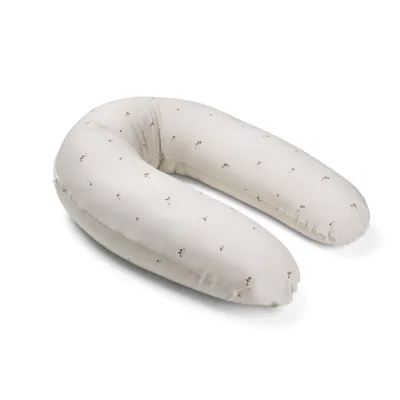
U-shaped or full-body pillows offer versatile support that can extend beyond breastfeeding. These pillows can be positioned to support your arms, back, and sides simultaneously, making them excellent for side-lying positions or for mothers recovering from a Caesarean section who need to keep pressure off their abdomen. However, their large footprint means they take up substantial space on a bed or sofa, making them less practical for smaller living spaces or travel.
Wedge or compact pillows are ideal if you have limited space or travel frequently. These smaller, angled cushions are designed to slide under your elbow or support the baby’s head at a precise angle. While they are highly portable and easy to store, they do not wrap around your body, meaning you will still need to use some arm strength to keep the baby secure during long feeding sessions.
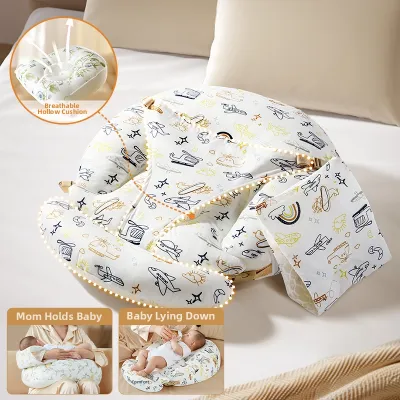
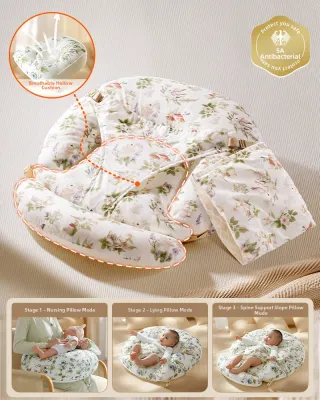
When choosing between multi-purpose and dedicated nursing designs, consider the trade-offs. Some brands design cushions that transition into tummy-time props or infant sitting supports as your baby grows. While this multi-purpose versatility is appealing, it can sometimes result in a design compromise. A cushion optimized for a sitting infant may lack the specific firmness, contouring, or strap systems required to keep a newborn properly positioned during a long feed. If your primary goal is ergonomic comfort during extended nursing sessions, a dedicated, single-purpose nursing cushion is often the more supportive investment.
Safety Checks and Manufacturer Guidelines for Daily Use
While a high-quality breastfeeding cushion can significantly improve your comfort, establishing non-negotiable safety boundaries is essential to prevent accidents during extended feeds or moments of caregiver fatigue. Always prioritize safe usage guidelines over convenience.
The most critical safety rule is understanding the risk of infant rolling or slipping. Nursing cushions are strictly designed to support a baby during active feeding sessions under direct caregiver supervision. They are not safe sleep surfaces. Never place a sleeping baby on a nursing cushion, and never position the cushion inside a crib, bassinet, or playpen. The soft, contoured surface poses a serious risk of positional asphyxia if the baby’s head rolls into a fold or if they slip off the edge.
Proper positioning is also vital to ensure your baby’s airway remains clear. When using a cushion, always monitor your baby’s head position. Their head should be positioned high enough that their chin is lifted away from their chest, allowing for clear, unrestricted breathing. The baby’s body should be turned fully toward you (tummy-to-tummy) rather than lying flat on their back with their head turned, which can make swallowing difficult and strain their neck.
As your baby grows and gains head control, their physical support needs will change. You should stop using the cushion for feeding if your baby’s torso becomes too long to fit comfortably on the platform, if their weight causes the cushion to sag to the point where your posture is compromised, or if they exceed the manufacturer’s specified weight limit. Regularly inspect the cushion for signs of wear, such as thinning fabric or broken zippers, which could compromise its safety.
Finally, always read and follow the specific brand warnings included in the instruction manual. Every manufacturer provides unique guidelines regarding the use, cleaning, and limitations of their product. Pay close attention to warnings regarding strap placement, buckle usage, and cleaning restrictions to ensure you do not inadvertently damage the cushion or compromise its safety features.
Frequently Asked Questions (FAQ)
Can I use a regular bed pillow instead of a dedicated breastfeeding cushion?
While a regular bed pillow can provide temporary support in a pinch, it is generally not recommended for long, daily nursing sessions. Standard bed pillows are designed to be soft and compressible, meaning they lack the dense, firm structure required to keep a baby elevated at breast height. As the pillow flattens under the baby’s weight, you will likely find yourself slouching forward or tensing your shoulders to maintain the latch. Furthermore, bed pillows lack the contoured shape and securing straps of dedicated nursing cushions, making it much easier for the baby to slip into the gap between the pillow and your body.
How do I know if my breastfeeding cushion is losing its support?
Over months of daily, multi-hour use, the internal fill of any nursing cushion will eventually begin to degrade. You can identify a worn-out cushion by looking for visible signs of sagging, flattening, or clumping that do not resolve after fluffing or washing according to the manufacturer’s instructions. Ergonomically, you may notice that your baby is consistently sinking below your ideal latch height, forcing you to lean forward or lift them with your arms. If you experience a sudden or gradual increase in neck, shoulder, or lower back strain during feeds, it is a strong indicator that the cushion’s structural support has been compromised and it is time to replace it.
Community discussion
Share your experience or ask a question. Comments are reviewed before publication.