
Selecting the ideal BabyViva changing table for your nursery depends on a careful balance of your home’s physical layout, your storage habits, and the ergonomic needs of the primary caregivers. Because nursery spaces vary widely—from spacious dedicated rooms to compact shared bedrooms—the right model is the one that fits your specific floor plan while keeping diapering essentials within arm’s reach. By systematically evaluating your room’s dimensions, storage requirements, and safety features, you can find a configuration that simplifies your daily routine and keeps your baby secure.
Rather than focusing solely on aesthetics, start your selection process by analyzing how a changing table will function within your daily flow. A well-chosen table acts as a centralized care station where safety, comfort, and organization intersect. Taking the time to measure your space and plan your storage layout beforehand prevents common frustrations, such as blocked walkways or inadequate storage, ensuring a seamless transition when bringing your baby home.
Assessing Your Nursery Space and Layout
Before browsing specific changing table designs, you must determine the physical constraints and placement options within your room. In modern apartments and homes where space is often at a premium, measuring the exact floor area designated for the changing table is a critical first step. Use a measuring tape to map out the width, depth, and height of the intended zone, keeping in mind that the table must fit comfortably without crowding other furniture.
Products mentioned in this guide
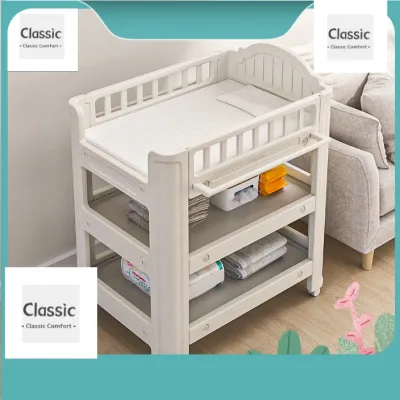
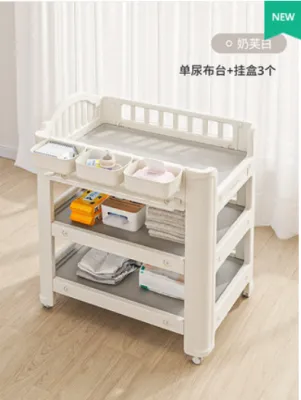
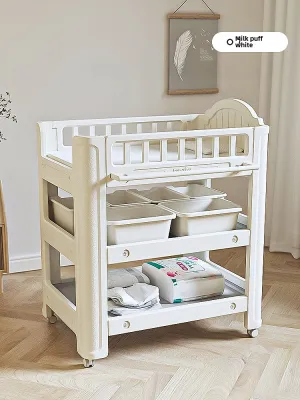
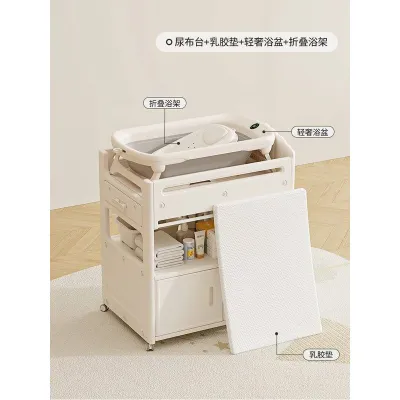
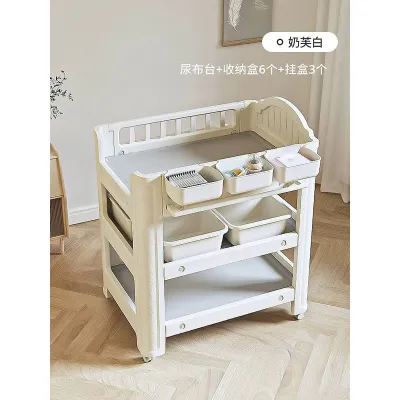
Prices are valid at publication and may change. Please refer to the product page for the latest price.
Account for the clearance required by surrounding elements to ensure safe, unobstructed movement throughout the room. You must factor in the swing radius of bedroom doors, wardrobe doors, and the pull-out distance of the changing table’s own drawers or shelves. A changing table should never block primary walking paths, entryways, or emergency exit routes, as you will need to navigate the room quickly and safely, often while carrying your baby.
Deciding between a freestanding model and a space-saving configuration depends heavily on your room’s geometry and structural limitations. Freestanding units offer excellent stability and can be repositioned easily if you decide to rearrange the nursery layout. However, if you are working with a highly constrained floor plan, a foldable or compact rolling model might be more appropriate, allowing you to reclaim valuable floor space when the table is not in use.
Electrical outlet locations are another crucial consideration when planning your changing zone layout. You will likely need power nearby for accessories such as night lights, baby monitors, or wipe warmers. Ensure the changing table is positioned close enough to an outlet so that power cords do not stretch across walkways, creating a tripping hazard, yet far enough away that a curious, reaching baby cannot access the wires or plugs.
Finally, evaluate the natural light and ventilation in your chosen corner to ensure a comfortable environment during frequent changes. Avoid placing the table directly under drafty air conditioning vents or in direct, harsh sunlight, which can cause discomfort or overheating. In humid climates, such as Singapore, positioning the table in an area with consistent, gentle airflow helps keep the changing pad dry and reduces the risk of mold or mildew developing on wooden or fabric components.
Matching BabyViva Features to Your Storage Needs
Aligning your diapering supply volume with the specific storage configurations offered by the brand is essential for maintaining an organized nursery. Changing tables generally feature either open shelving or closed drawers, and each style offers distinct practical advantages. Understanding how you prefer to access and organize your supplies will help you choose the configuration that best supports your parenting style.

Open shelving is highly favored by parents who prioritize quick, one-handed access to essentials during a diaper change. When you are keeping one hand securely on an active baby, being able to grab a fresh diaper, a pack of wipes, or a change of clothes without opening a drawer is incredibly convenient. However, open shelves do expose your supplies to dust and can look visually cluttered if not organized with storage baskets or bins.
Closed drawers, on the other hand, offer a clean, streamlined aesthetic and protect your baby’s clothing and linens from dust and ambient humidity. If you prefer a tidy, minimalist look, a model with smooth-gliding drawers is an excellent choice. When evaluating drawer models, consider whether you need deep compartments to store bulky items like jumbo diaper boxes and sleep sacks, or shallow drawers for smaller items like socks, pacifiers, and grooming kits.
To maximize the long-term value of your furniture investment, consider multi-functional designs that adapt as your child grows. Some changing tables are designed to convert into standard dressers, toy storage units, or study desks once the diapering years are over. Choosing a convertible model allows the furniture to remain useful throughout your child’s toddlerhood and school years, saving you from having to purchase replacement furniture down the road.
Do not overlook the importance of the tabletop surface area when assessing your storage needs. The top of the table must be spacious enough to accommodate a standard changing pad while still leaving room for immediate supplies. Having a dedicated zone or an attached side caddy for diaper cream, hand sanitizer, and clean diapers prevents you from having to turn away from your baby, which is a vital safety practice during every change.
Evaluating Safety and Ergonomic Specifications
Verifying that your chosen changing table meets essential safety standards is the most critical part of the selection process. Always consult the manufacturer’s official product documentation, labels, and user manuals to verify the maximum weight limits and age recommendations. Most standard changing tables are rated for babies up to a specific weight, and you must stop using the table as soon as your child reaches that limit or begins to sit up or roll over independently.
Inspect the tabletop’s recessed depth and guardrail specifications to ensure secure containment for your baby. A safe changing table should feature raised guardrails on all sides to prevent rolling hazards. If you plan to purchase a separate changing pad, measure the interior dimensions of the tabletop carefully to ensure the pad fits snugly without any gaps where a baby’s limbs or clothing could become trapped.
Ergonomics play a massive role in preventing caregiver back strain, as you will be bending over the changing table multiple times a day and night. Compare the table’s height against the stature of the primary caregivers to find a comfortable working level. The ideal height should allow you to change your baby without bending excessively at the waist; some models offer adjustable legs or are designed at an optimized height to accommodate a wider range of caregiver heights.
Examine the build materials and finish specifications to ensure the table is durable, stable, and easy to clean. Look for sturdy construction materials, such as solid wood or high-density engineered wood, which resist wobbling. Because the surface will require frequent sanitizing, ensure the finish is water-resistant and certified non-toxic, relying on official product documentation to confirm that the materials are free from harmful chemicals and heavy metals.
Building Your BabyViva Shortlist
To narrow down your choices, create a conditional decision matrix that maps your specific nursery profile to the most compatible changing table configurations. If you are working with a compact room layout, a shared master bedroom, or a temporary nursery setup, prioritize space-saving designs. Lightweight, foldable, or narrow-profile rolling models are ideal for these scenarios, as they can be easily moved or stored away to keep the room versatile.
For larger nurseries where storage capacity is your primary concern, focus your shortlist on wide-top, multi-drawer wooden dressers. These robust models provide a stable, permanent changing station with ample room for all your baby’s clothing, bedding, and diapering supplies. While they require a larger permanent footprint, their durability and storage capacity make them excellent anchor pieces for a dedicated nursery room.
Before making a final purchase, take the time to verify current stock, exact physical dimensions, and warranty terms on the official brand website or through authorized online marketplaces. Avoid purchasing from unauthorized third-party sellers, as this can complicate warranty claims or leave you without recourse if parts are missing. Confirming these details beforehand ensures a smooth delivery and assembly process.
Establish a final checklist to compare your top choices against your measured space, storage needs, and budget. Factor in any additional costs, such as delivery fees, professional assembly services, or the purchase of a compatible changing pad and wall-anchoring hardware. If you are budgeting within a specific range, such as S$150 to S$400, comparing the total cost of ownership helps you select the model that offers the best balance of safety, utility, and value for your home.
Frequently Asked Questions (FAQ)
Do I need to anchor a BabyViva changing table to the wall? (FAQ)
Yes, anchoring your changing table to the wall is highly recommended to prevent tipping hazards. Always follow the manufacturer’s instructions and use the included anti-tip hardware to secure the unit firmly to the wall. Tipping risks increase significantly as your baby grows more active, or if multiple loaded drawers are pulled out at the same time, making proper anchoring a vital safety measure for your nursery.
Can I use a standard changing pad on a BabyViva table? (FAQ)
Yes, you can use a standard changing pad, provided its dimensions match the interior tabletop measurements of your specific model. Always measure the recessed area of the table before purchasing a pad to ensure a snug fit with no gaps. Additionally, ensure the changing pad features a non-slip bottom or safety straps that can be secured directly to the table frame to prevent the pad from shifting during use.
How do I clean and maintain the changing table surface? (FAQ)
To clean the changing table, wipe the surface immediately after any spills or diaper leaks using a soft, damp cloth and a mild, baby-safe soap. Avoid using harsh chemical cleaners, abrasive scrubbing pads, or bleach, as these can degrade the protective finish over time. Regularly inspect the table’s hardware, tightening any loose screws or bolts to maintain structural integrity and ensure the unit remains stable and safe.
Community discussion
Share your experience or ask a question. Comments are reviewed before publication.