
Selecting the ideal baby toilet seat in Singapore is a highly personalized decision that depends on your child’s physical development, emotional readiness, and your home’s bathroom layout. There is no single model that fits every household; instead, the right choice is one that matches your toddler’s current stage of potty training while fitting securely onto your existing toilet bowl. Whether you live in a compact HDB flat or a spacious landed property, understanding the physical specifications and safety features of different seat types will ensure a smooth, stress-free transition from diapers.
This comprehensive guide will help you navigate the selection process by identifying key readiness signals in your child, evaluating essential product features, and measuring your bathroom space for compatibility. We will also provide a practical framework to help you build a condition-based shortlist when browsing online marketplaces, alongside critical safety and maintenance protocols to keep your child secure.
Identifying Your Child's Potty Training Readiness and Needs
Before purchasing any potty training equipment, it is essential to observe your child’s behavioral and physical cues to determine which type of seat will support them best. Children typically begin showing signs of readiness between 18 and 30 months of age, though every child develops at their own pace. Key indicators include the ability to follow simple instructions, staying dry for two hours or more during the day, showing interest in adult toilet habits, and expressing discomfort when their diaper is wet or soiled.
Products mentioned in this guide
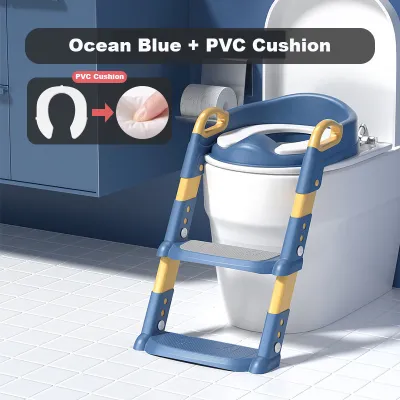
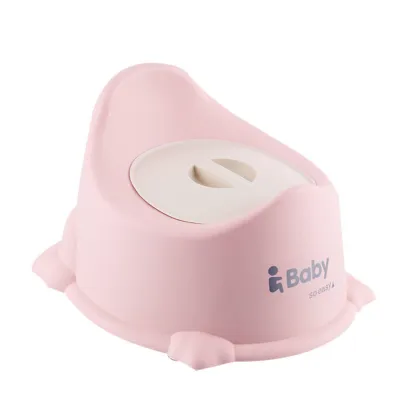
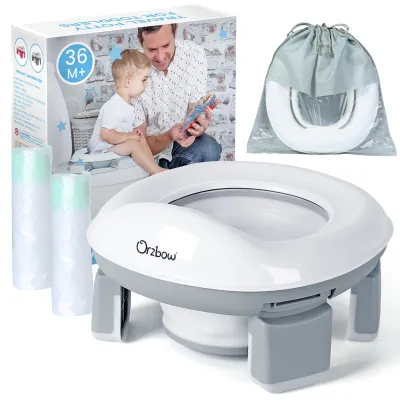
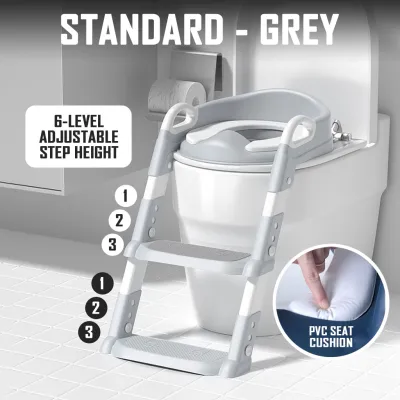
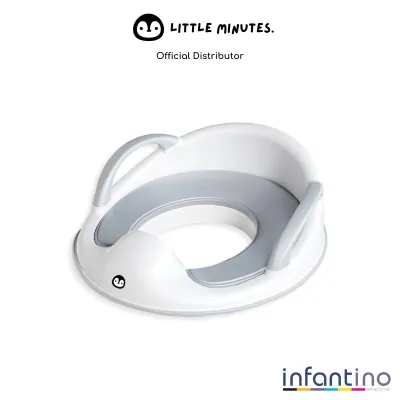
![[Cozy Nest] Premium Baby and Toddler Toilet Seat Gender-Neutral Specialized Kids PVC Seat Cushion Potty Training Solution for Boys and Girls](https://img.lazcdn.com/g/p/873339941a343221f0b25d9fc2da4016.png_400x400q80.png_.webp)
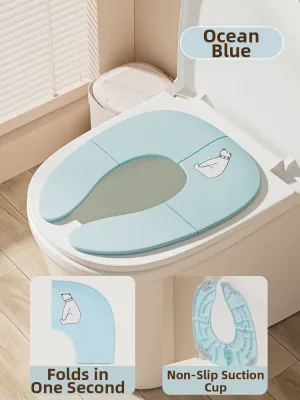
![[SG Stock] Baby Foldable Travel Potty Seat Kids Fodling Toilet Training Seat 12M+](https://img.lazcdn.com/g/p/54298d0cd77fc65e57e532664f2d523b.jpg_400x400q80.jpg_.webp)
Prices are valid at publication and may change. Please refer to the product page for the latest price.
For early-stage toddlers, the transition directly to a standard adult toilet can be intimidating. The height of the toilet and the large opening of the bowl can trigger a fear of falling in, which may cause them to resist potty training altogether. In these early stages, a standalone floor potty is often the most reassuring option because it sits low to the ground, allowing the child’s feet to plant firmly on the floor for maximum stability and comfort.
As children grow older and develop better motor skills, they naturally transition toward wanting to use the adult toilet like the rest of the family. This is where a baby toilet seat reducer becomes highly beneficial. A reducer seat scales down the opening of the adult toilet seat, providing a secure and comfortable surface that prevents the child from slipping through. Understanding where your child stands on this developmental spectrum will prevent you from buying a seat that they are either unready for or have already outgrown.
Essential Features to Evaluate Before Buying
When evaluating different baby toilet seats on e-commerce platforms or in local baby boutiques, you must look closely at the manufacturer’s specifications rather than relying solely on aesthetic designs. The material and build quality should be your primary focus. Look for seats made from durable, high-density, BPA-free plastics that can withstand daily weight pressure without flexing or cracking. The underside of the seat must feature robust, non-slip rubberized grips or an adjustable anchoring system to prevent the seat from shifting when your child moves.

Ergonomics and comfort play a significant role in how willing your child will be to sit on the toilet. A well-designed baby toilet seat should feature a contoured shape that supports the natural curve of a toddler’s body, along with a slightly raised backrest to encourage upright posture. For boys, an integrated, high splash guard is an essential feature to prevent accidental spills and keep the surrounding bathroom floor clean. Ensure the splash guard is soft or rounded to prevent any physical discomfort during use.
Stability mechanisms are the most critical safety feature of any reducer seat. Some models use adjustable brackets that lock the baby seat tightly against the inner rim of the adult toilet seat, while others rely on wide, textured rubber borders that grip the porcelain surface. Always verify the manufacturer’s description to see how the seat secures itself. If you plan to travel frequently or visit relatives around Singapore, look for lightweight, foldable reducer seats that can be packed compactly into a diaper bag, ensuring your child has a familiar and secure seat wherever they go.
Adapting to Your Bathroom Space and Setup
The physical layout of your bathroom is a major deciding factor when choosing potty training gear. In Singapore, residential properties vary widely, from compact HDB flat bathrooms to more spacious condominium and landed home layouts. If your bathroom floor space is limited, a bulky standalone potty can quickly become an obstacle, making a compact reducer seat that can be hung on a wall hook a much more practical, space-saving solution.
Before purchasing a reducer seat, you must perform a compatibility check by measuring your existing adult toilet bowl. Toilet seats generally come in several shapes, including round, elongated, O-shaped, U-shaped, or D-shaped. Not all baby toilet seats are universal; a reducer designed for a standard round bowl may slide dangerously if placed on an elongated or modern D-shaped toilet. Measure the length and width of your toilet seat opening and compare these dimensions carefully with the manufacturer’s compatibility guidelines.
Another crucial element of the bathroom setup is step stool integration. When using a reducer seat on an adult toilet, your child’s legs will dangle, which is anatomically unfavorable for bowel movements and can cause muscle strain. You will need to pair the reducer seat with a sturdy, non-slip step stool that allows your child to climb up independently and rest their feet flat while sitting. Ensure your bathroom floor has sufficient flat space to accommodate both the step stool and the adult toilet base without creating a tripping hazard for other family members.
Building a Condition-Based Shortlist for Your Home
To simplify your shopping experience on online marketplaces, you can categorize potential purchases into a condition-based shortlist tailored to your specific household constraints and your child’s preferences. This structured approach ensures you only invest in a product that fits your lifestyle.
For small bathrooms or families on the go, prioritize foldable reducer seats. These models typically fold into quarters and come with a hygienic carrying pouch, making them ideal for public restrooms in shopping malls or visits to grandparents’ homes. Ensure the folding joints feature pinch-guard mechanisms so your child’s skin cannot get caught during setup.
For early-stage or anxious toddlers, focus your shortlist on standalone floor potties. These independent units do not require any installation and can be placed in any room where your child spends time, making them highly accessible during the initial days of training. Look for models with a removable inner bowl, which makes emptying and cleaning the potty straightforward and hygienic.
For children transitioning to independent adult toilet use, look for reducer seats that feature integrated step stools or ladders. These all-in-one units attach directly to the toilet bowl and feature built-in steps with handrails, allowing the child to climb up safely without needing a separate stool. This setup promotes a sense of independence and ensures the feet are always supported at the correct height.
For multi-child households or busy parents who prioritize easy cleaning, look for seamless, one-piece molded plastic or foam seats. Avoid designs with complex cushions, fabric parts, or deep crevices where urine and bacteria can accumulate. When comparing options, check prices in S$ across various local online retailers, and pay close attention to return policies, as many stores do not accept returns on baby hygiene products once the packaging has been opened.
Safety Verification and Daily Maintenance
Once you have selected and purchased a baby toilet seat, maintaining strict safety and hygiene protocols is essential to protect your child. Before every single use, perform a quick stability check. Place the reducer seat on the toilet and give it a firm wiggle to ensure it is locked in place and does not slide or tip. Never leave your toddler unattended on a toilet seat, even for a brief moment; young children can easily lose their balance or attempt to climb down unsafely.
Cleaning the seat correctly is vital to preserve the integrity of the materials. Always follow the manufacturer’s specific cleaning instructions. Use mild dish soap and warm water or gentle, alcohol-free sanitizing wipes for daily maintenance. Avoid using harsh chemical bleach, abrasive scouring pads, or strong solvents, as these can degrade the plastic, weaken the anti-slip rubber grips, and cause the material to crack over time, creating sharp edges that could injure your child.
Establish a regular inspection routine to check the physical condition of the seat. Look closely for hairline cracks in the plastic, loose screws on models with ladders, or worn-down rubber pads on the underside. If you notice any structural damage or if the seat no longer fits securely on your toilet, discontinue use immediately. Finally, always respect the manufacturer’s stated weight and age limits; once your child exceeds these specifications, transition them fully to the standard adult toilet seat to prevent accidents.
Frequently Asked Questions (FAQ)
At what age should I introduce a baby toilet seat?
There is no single chronological age that dictates when you should introduce a baby toilet seat, as physical and emotional readiness varies significantly from child to child. Most toddlers begin showing interest and developing the necessary bladder control between 18 and 30 months. Instead of relying on a calendar age, look for behavioral cues such as your child telling you when they have a wet diaper, showing interest in watching family members use the bathroom, or remaining dry for several hours at a time. Introducing the seat too early when the child is not ready can lead to frustration and resistance.
Can I use a reducer seat on any adult toilet?
No, reducer seats are not universally compatible with all adult toilets. Toilet bowls in Singapore homes come in various shapes, including round, elongated, square, and D-shaped designs. A reducer seat designed for a standard round toilet may wobble or slide dangerously if placed on an elongated or modern square bowl. Before purchasing, always measure the length and width of your adult toilet seat opening and compare these measurements with the manufacturer’s compatibility specifications to ensure a secure, slip-free fit.
How do I clean and sanitize the toilet seat effectively?
To clean a baby toilet seat effectively without damaging its materials, wash it regularly with warm water and a mild, non-abrasive soap. For quick sanitizing between uses, you can use manufacturer-approved, alcohol-free disinfectant wipes. Avoid using harsh household bleach, ammonia, or abrasive scrubbers, as these chemicals can break down the plastic, fade the colors, and degrade the rubberized anti-slip grips on the underside, compromising the seat’s safety and stability.
Community discussion
Share your experience or ask a question. Comments are reviewed before publication.