
Finding a baby feeding pillow that remains comfortable during extended nursing sessions is less about chasing a single popular brand name and more about matching specific ergonomic features to your body shape, recovery needs, and feeding style. Extended nursing sessions—which can easily last up to forty minutes and occur multiple times a day—place repetitive physical stress on your neck, shoulders, arms, and lower back. Without proper support, caregivers often find themselves hunching forward to bring the breast to the baby, leading to a painful posture colloquially known as the nursing slouch.
To prevent chronic muscle strain and make feeding a peaceful bonding experience, a high-quality feeding pillow must act as a firm, reliable platform. The ideal pillow lifts your baby to the height of your breast while supporting your forearms, allowing your shoulders to drop and relax. Because every caregiver’s torso length, waist circumference, and seating setup differ, understanding the structural mechanics of these pillows is the key to identifying which model will offer the most lasting comfort for your specific needs.
Key Features That Define Comfort During Extended Nursing
When evaluating different options on the market, the balance between firmness and softness is the most critical factor for long-term comfort. While a plush, cloud-like pillow may feel incredibly comfortable to the touch in a retail store, it often lacks the structural integrity required for extended use. A pillow that is too soft will sink under your baby’s weight, gradually forcing you to lean forward or lift your arms to maintain the correct feeding position. A firm, dense core ensures the baby remains at a consistent height throughout the entire feed, reducing the need for constant manual adjustments.
Products mentioned in this guide
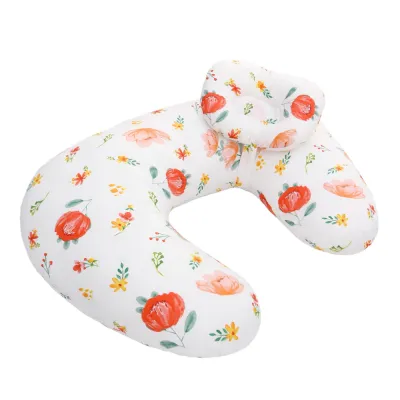
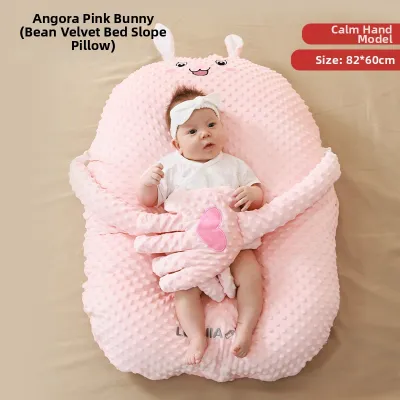


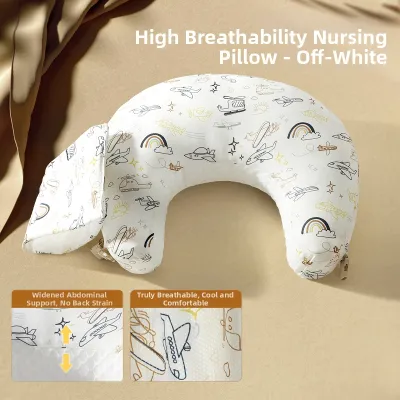
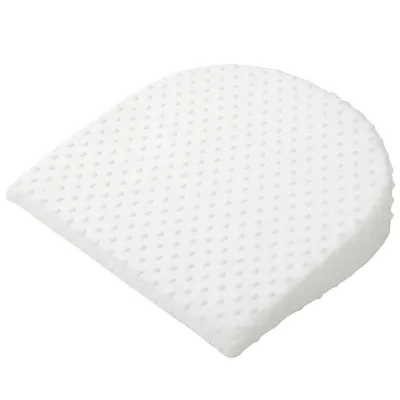

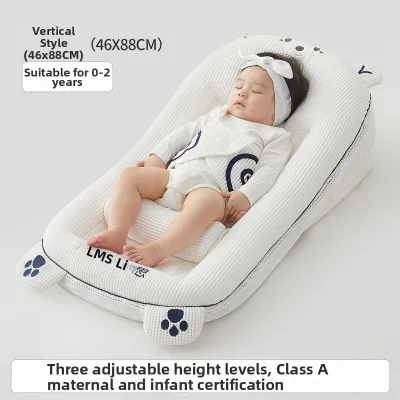
Prices are valid at publication and may change. Please refer to the product page for the latest price.
Matching the pillow’s loft, or height, to your unique torso length is equally vital for maintaining a neutral spine. If you have a longer torso, a standard low-profile pillow may still leave a significant gap between the baby and your breast, requiring you to prop the pillow up with additional cushions. Conversely, caregivers with shorter torsos may find that an overly thick pillow pushes the baby too high, straining the neck and shoulders. The goal is to find a height that allows your baby to latch comfortably while your back remains fully supported against the chair.
Waist attachment mechanisms and adjustability features play a major role in keeping the pillow securely in place. Many premium models feature adjustable straps, silent-release buckles, or hook-and-loop fasteners that wrap entirely around your waist. These attachments prevent the pillow from shifting forward or sliding down your lap as you move or as your baby wiggles. When testing these features, verify that the straps or buckles do not dig into your sides or lower back, especially when sitting back in a deep nursing chair or glider.
Comparing Nursing Pillow Shapes and Designs
The overall silhouette of a feeding pillow dictates how weight is distributed across your lap, where your arms can rest, and how stable the platform remains during long sessions. Different shapes cater to different feeding positions, such as the traditional cradle hold, the cross-cradle hold, or the football hold. Choosing the right shape requires assessing your typical seating arrangement and your physical comfort preferences.

C-Shaped and Wrap-Around Pillows
Traditional C-shaped pillows feature a classic crescent design that slides easily around the front of your waist. These are highly popular for their simplicity and ease of use, making them an excellent choice for caregivers who frequently switch arms or prefer a standard cradle hold. Because they do not require complex buckling, you can easily slide them on or off with one hand while holding your baby.
However, standard C-shaped designs have notable limitations when it comes to lower back support. Because they typically lack a rear strap, they can gradually slide away from your torso during a long feed, creating a gap between your body and the pillow’s inner curve. This gap can cause your baby to roll inward toward your lap, forcing you to use your arms to keep them positioned correctly. When choosing a C-shaped model, carefully check the inner diameter to ensure it fits snugly against your waist without leaving empty space.
U-Shaped and Full-Body Support Pillows
U-shaped and wrap-around support pillows offer a more structured, secure fit by enclosing your waist entirely. These designs often feature a flat, firm platform for the baby to lie on, paired with a backrest or a wrap-around strap that secures with a buckle. This configuration provides exceptional lateral stability, ensuring the pillow remains perfectly level even if you need to reach for a water bottle or adjust your seating position.
These full-body support designs are highly recommended for caregivers recovering from C-sections, as they distribute the baby’s weight away from the sensitive abdominal incision site. The integrated back support also helps alleviate lower back fatigue during long, late-night sessions. The primary trade-offs to consider are their bulkiness and the space they require for storage. In smaller living spaces or compact nursing chairs, a wide, structured wrap-around pillow can feel restrictive and may be more challenging to position quietly when your baby falls asleep.
Material and Fill Considerations for Lasting Support
The internal fill of a feeding pillow directly determines how well it retains its shape over months of daily use, while the cover material dictates how comfortable it feels against your skin. Evaluating these components based on manufacturer specifications will help you choose a durable, hygienic product.
- Polyester Fiberfill: This is the most common and affordable fill material, offering a soft, traditional pillow feel. While comfortable, fiberfill can clump or flatten over time with heavy use, requiring regular fluffing to maintain its original height.
- Memory Foam: Solid or molded memory foam provides highly consistent, firm support that contours gently to your baby's body. It excels at maintaining its shape over long periods, though it can make the pillow heavier and less flexible.
- Microbeads: Some pillows are filled with tiny polystyrene beads, allowing the pillow to mold dynamically to your body shape. While highly adjustable, microbeads can shift during a feed, sometimes requiring you to manually push the fill to one side to get the desired elevation.
In Singapore’s warm and humid climate, heat retention is a major consideration for both caregiver and baby comfort. Extended skin-to-skin contact during nursing naturally generates body heat, which can make synthetic fabrics feel sticky and uncomfortable. Look for breathable, skin-friendly cover materials such as organic cotton, bamboo rayon, or specialized lightweight mesh. These natural fibers allow for better airflow, helping to keep both you and your baby cool during long feeding sessions.
Because milk spills, spit-up, and diaper leaks are inevitable, ease of maintenance is a non-negotiable feature. Always verify that the pillow features a fully removable, machine-washable cover with a sturdy, concealed zipper. The inner core should be checkable for spot-cleaning instructions, as some foam cores cannot be submerged in water without damaging their structural integrity. Having a spare cover on hand is highly recommended so you can continue using the pillow while one cover is in the wash.
Safety Boundaries and Manufacturer Guidelines
While feeding pillows are invaluable tools for caregiver comfort, they must be used strictly in accordance with safety guidelines to protect your infant. The absolute, universal rule is that baby feeding pillows must never be used for unsupervised infant sleep, lounging, or propping. These pillows are designed solely to support a baby during active feeding under direct caregiver supervision. Allowing a baby to sleep on a nursing pillow poses a severe risk of positional asphyxiation if their head rolls forward or if they slip into the center gap.
Regularly inspect your feeding pillow for signs of wear and tear that could compromise its safety or support. Check for clumping in the fill, sagging areas, torn seams, or broken zippers that could expose the inner filling material. If the pillow no longer holds its shape or if the baby sinks significantly during use, it is time to replace the pillow or repair the cover to ensure proper ergonomic support is maintained.
Always read and follow the specific manufacturer’s guidelines regarding weight, age, and developmental limits. Some pillows are designed with specific weight ranges in mind, and using them beyond these limits can cause the pillow to sag or buckle. Additionally, as your baby grows and gains head control, their positioning needs will change. Transitioning the pillow for secondary uses, such as supervised tummy time or sitting support, should only be done when your baby has met the developmental milestones specified in the product manual.
Pre-Purchase Checklist for Caregivers
Before purchasing a baby feeding pillow from an online marketplace or a local boutique in Singapore, use this practical checklist to ensure the model you choose aligns with your physical needs and lifestyle:
- Verify Return and Trial Policies: Because ergonomic comfort is highly subjective and depends entirely on your unique body proportions, look for retailers that offer flexible return policies or trial periods. Testing the pillow in your actual nursing chair at home is the only way to guarantee a perfect fit.
- Inspect Hardware and Construction: Check for high-quality, durable components such as reinforced seams, sturdy zippers with fabric guards to protect your skin, and secure, easy-to-operate buckles. Avoid models with rough velcro or loud fasteners that might startle a sleeping baby.
- Set a Realistic Budget: Expect to spend between S$40 and S$120 or more for a high-quality, ergonomic feeding pillow in Singapore. Compare the long-term value based on the durability of the fill, the washability of the materials, and whether the pillow can be repurposed for supervised developmental play as your baby grows.
- Filter User Reviews Strategically: When browsing online reviews, look past general aesthetic compliments. Search specifically for keywords like "back pain," "slipping," "firmness," and "humidity" to see how the pillow performs during real-world, extended nursing sessions.
Frequently Asked Questions (FAQ)
Can a regular bed pillow replace a dedicated baby feeding pillow?
While a regular bed pillow can be used in a pinch, it generally lacks the structural firmness and specialized shape required for comfortable, extended nursing. Standard bed pillows are designed to compress under head weight, meaning they will quickly sag under a baby’s weight, forcing you to hunch forward. They also lack secure waist attachments, causing them to slide away from your body and creating gaps that require constant manual repositioning, which increases arm and shoulder strain.
How do I clean a nursing pillow after a milk spill?
To clean a milk spill, first unzip and remove the outer cover immediately, washing it according to the manufacturer’s care label—typically on a gentle, warm cycle with a mild, baby-safe detergent. For the inner core, check the manufacturer’s instructions; most foam or structured fiberfill cores should only be spot-cleaned with a damp cloth and mild soap rather than submerged. Ensure both the cover and the inner core are completely dry before reassembling, as any trapped moisture can lead to mold and mildew growth, especially in humid climates.
Community discussion
Share your experience or ask a question. Comments are reviewed before publication.