
Finding a baby bottle storage box that fits your entire collection requires looking beyond generic compatibility claims. A truly universal fit does not depend on brand names, but rather on the internal dimensions, vertical clearance, and divider flexibility of the storage unit.
Before purchasing any storage solution, you must measure the tallest and widest bottles in your current or planned collection. This physical verification prevents the common frustration of buying a box only to find the lid will not close over your preferred wide-neck or extra-tall bottles.
For households that use a mix of different bottle brands, selecting a storage box with adjustable or removable dividers offers the highest level of compatibility. This flexibility allows you to customize the interior layout as your baby’s feeding stage and bottle sizes change over time.
Products mentioned in this guide
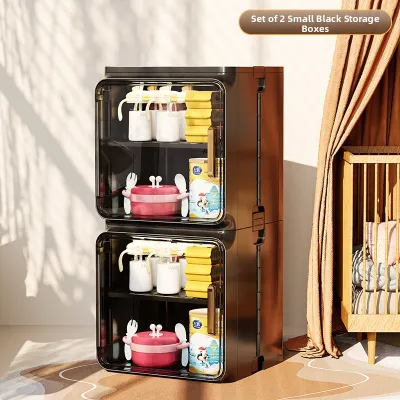
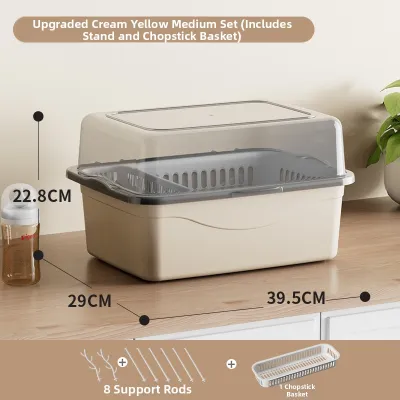
Prices are valid at publication and may change. Please refer to the product page for the latest price.
Comparing Baby Bottle Storage Box Types for Mixed Brands
Selecting the right baby bottle storage box requires understanding how different structural designs accommodate various bottle shapes. The market generally offers three primary categories: open drying racks, enclosed cabinets, and portable organizers.
While external marketing claims often promise universal compatibility, actual fit relies heavily on the internal vertical clearance and the base footprint of each compartment. Evaluating these structural differences helps ensure your specific bottle collection remains organized and hygienic.
Open Rack and Drying Station Combos
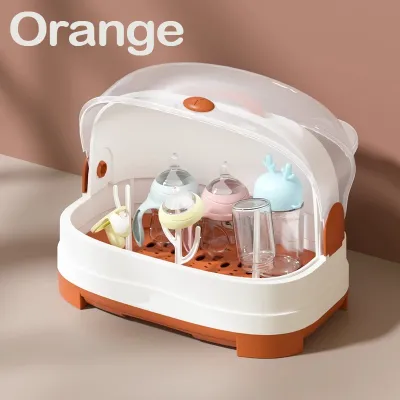
Open drying racks feature vertical pegs or tines designed to hold bottles upside down for rapid air drying. The primary limiting factors for these systems are the spacing between the vertical poles and the depth of the bottom drainage tray.
If you use wide-based or angled colic-prevention bottles, you may find that they crowd adjacent pegs, requiring you to leave every second slot empty. This reduces the overall capacity of the rack and may force you to store fewer bottles than advertised.
While open racks provide excellent airflow and quick drying times, they offer no protection against airborne dust, pet hair, or kitchen grease. This trade-off means bottles stored on open racks for extended periods may require re-rinsing before use.
Enclosed Cabinets with Adjustable Dividers
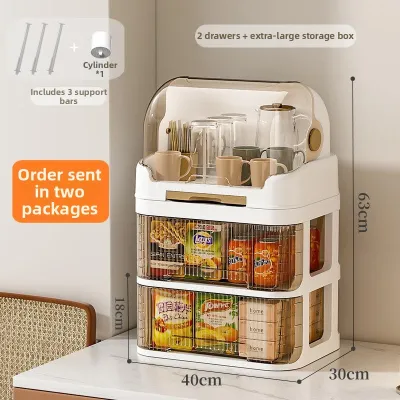
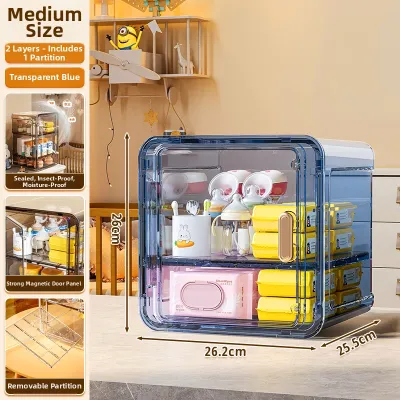
Enclosed storage cabinets feature doors or lids that seal the interior, protecting your baby’s feeding equipment from environmental contaminants. When evaluating these cabinets, the most critical dimension is the internal height clearance, which must accommodate your tallest bottles with their nipples and protective caps fully assembled.
Internal organization in these cabinets often relies on removable or sliding dividers. These adjustable components are essential for securing a mix of wide-neck and narrow-neck bottles without them tipping over or clattering against one another.
Before finalizing your choice, always check the door clearance and hinge space. Some cabinet doors curve inward when closed, which can restrict the usable depth and prevent the doors from latching if wide-profile bottles are placed near the front edge.
Portable and Travel-Friendly Organizers
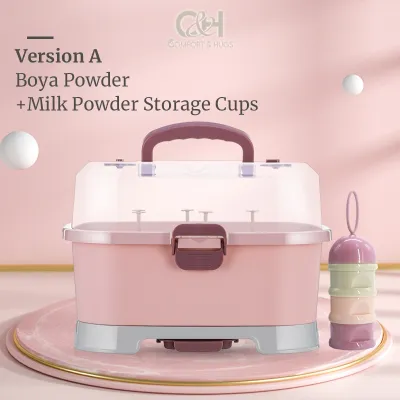
Portable organizers are designed for on-the-go use, featuring compact footprints, secure latches, and carrying handles. Because these units prioritize portability, they often feature rigid, molded interiors with strict size limitations.
You must verify whether standard or wide-neck bottles can fit into these molded slots without requiring partial disassembly. In many cases, you may need to pack nipples and collars separately to get the lid to close securely.
These compact organizers are highly efficient for short trips but are generally unsuitable for storing a large, mixed-brand collection at home. They are best reserved for holding a limited number of specific, pre-measured bottles for daily outings.
Essential Measurements to Verify Before You Buy
To avoid compatibility issues, you should perform a few physical measurements of your bottle collection rather than relying on the storage box’s external packaging dimensions. Manufacturers often list external measurements that include handles, hinges, and decorative trim, which do not reflect the actual usable space inside.

First, assemble your tallest bottle completely, including the collar, nipple, and protective travel cap. Use a standard ruler to measure the maximum height from the very bottom of the base to the highest point of the cap.
Second, measure the maximum diameter of the bottle’s base, as well as the widest part of the collar. Some bottles feature ergonomic, hourglass shapes with very wide collars that require significantly more lateral space than their bases suggest.
Once you have these measurements, compare them directly against the storage box’s internal usable dimensions. Ensure there is at least a one-centimeter clearance above the tallest bottle to allow the cabinet lid or door to close smoothly without pressing down on the nipple.
Finally, account for the physical space needed to comfortably grasp, lift, and remove a bottle. If the compartments are too tight, you may find yourself accidentally knocking over adjacent bottles or struggling to retrieve a bottle with one hand while holding your baby.
How to Decide: Choose Based on Your Bottle Collection
Your choice of a baby bottle storage box should align with the specific characteristics of your bottle collection and your daily household routine. A structured decision framework helps narrow down the options based on your primary needs.
- Choose an enclosed cabinet with adjustable dividers if your primary goal is long-term dust protection and you need to store a large, mixed-brand collection of varying heights and widths.
- Choose an open drying rack combo if you prioritize rapid airflow, quick drying times, and primarily use standard-sized bottles that do not require specialized dust protection.
- Choose a portable organizer if you travel frequently and only need to store and transport one or two specific bottles securely.
Before making a purchase, always check if the storage box manufacturer provides a specific exclusion list or warning regarding unusually shaped, ultra-wide, or oversized bottles. Taking this step ensures you do not select a model that is incompatible with specialized feeding equipment.
Hygiene and Safety Checks for Bottle Storage
Maintaining a clean storage environment is just as important as choosing the right box size. You must ensure that all bottles, nipples, and accessories are completely dry before placing them inside an enclosed storage box, as trapped moisture quickly promotes mold and bacterial growth.
Establish a routine to clean the storage box interior, trays, and dividers regularly. Follow the manufacturer’s instructions, using mild dish soap and warm water, and allow the entire unit to air dry completely before restocking it with baby gear.
Avoid placing your bottle storage box near direct heat sources, such as ovens or radiators, or in direct sunlight. Prolonged exposure to heat and UV light can degrade plastic, silicone, and PPSU bottle materials over time, causing them to become brittle or discolored.
Inspect the storage box periodically for signs of wear. If you notice any cracks, persistent odors, or mold growth that cannot be safely removed through standard cleaning, stop using the storage box immediately and consult the manufacturer for guidance or replacement parts.
Frequently Asked Questions (FAQ)
Can I store glass and plastic bottles together in the same box?
Yes, you can store glass and plastic bottles together, provided the storage box features secure, well-spaced, or padded dividers. Because glass bottles are significantly heavier, they can clink against plastic or other glass bottles, potentially causing chips or scratches if they are not held firmly in place.
Additionally, always verify the weight capacity of the storage box shelves or base tray. Glass bottles place a higher physical load on the structure, especially if you store them fully assembled or alongside heavy glass prep jars.
Do I need a separate storage box for bottle nipples and caps?
While not strictly necessary, using a storage box with dedicated small-parts drawers or upper compartments is highly recommended. These specialized zones prevent small items like nipples, collars, valves, and caps from getting lost at the bottom of the box or crushed by heavier bottles.
If your primary storage box does not feature built-in compartments for accessories, consider keeping these small parts in a separate, clean, and breathable container. This keeps your feeding assembly organized and prevents contamination during storage.
Community discussion
Share your experience or ask a question. Comments are reviewed before publication.