
Finding a comfortable postpartum belly wrap in Singapore requires balancing gentle support with high breathability, especially given the year-round warm and humid climate. After childbirth, the abdominal muscles and pelvic ligaments undergo a significant transition as they gradually return to their pre-pregnancy states. While many mothers seek out wraps to assist with core stability and lower back support, prioritizing comfort and a proper fit is far more beneficial than pursuing aggressive compression. A well-chosen wrap should feel like a supportive hug that facilitates daily mobility, rather than a restrictive garment that hinders natural movement and breathing.
Navigating the recovery period involves understanding how different wrap designs interact with your body. By focusing on material quality, adjustable features, and safe usage guidelines, you can select a supportive garment that aids your physical recovery without causing skin irritation or discomfort. This guide outlines the essential factors to consider when choosing a postpartum belly wrap, helping you make an informed decision tailored to your lifestyle and recovery needs.
Which Type of Postpartum Belly Wrap Suits Your Recovery?
Selecting the right style of postpartum belly wrap depends on your daily activity level, delivery type, and the specific areas where you require the most support. Different designs offer varying levels of compression, coverage, and ease of use, making it important to match the wrap’s structure to your recovery goals.
Products mentioned in this guide
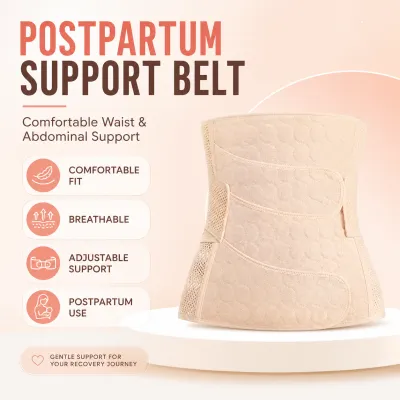
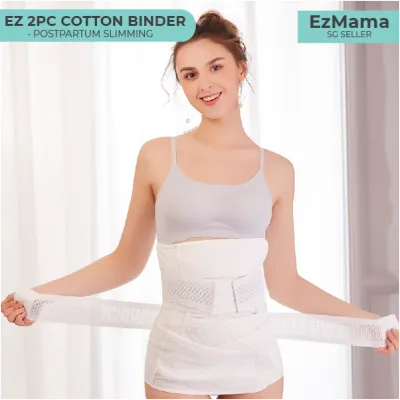
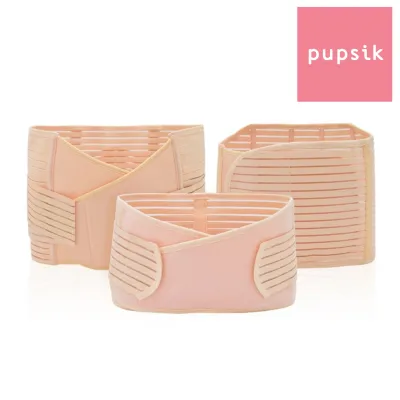
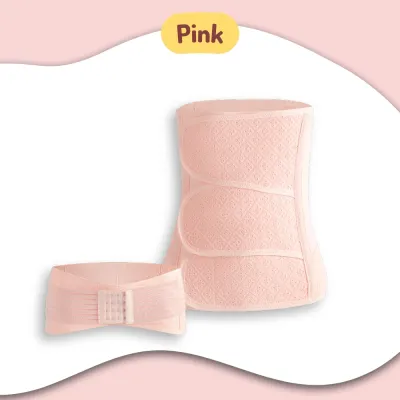
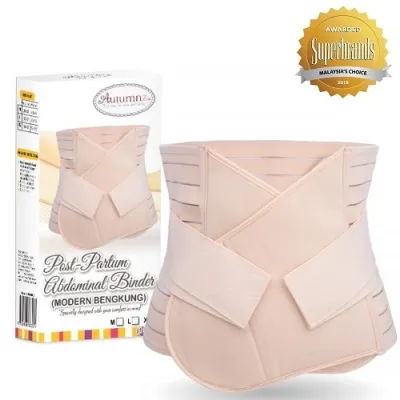
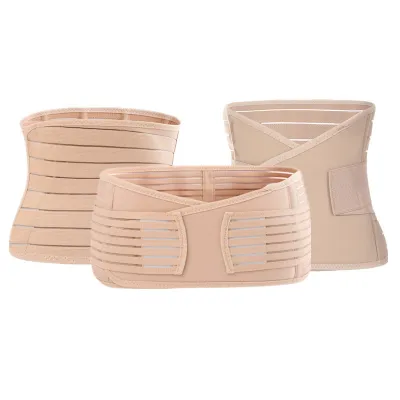
Prices are valid at publication and may change. Please refer to the product page for the latest price.
Wrap-around belts with adjustable closures are highly popular for early postpartum recovery. These wraps typically feature wide bands made of elastic or blended fabrics that secure with hook-and-loop fasteners. The primary advantage of this style is its high level of adjustability, allowing you to tighten or loosen the band as your abdominal swelling decreases. They are exceptionally easy to put on and adjust without assistance, making them highly practical for the busy early weeks. However, the overlapping layers and fasteners can sometimes add bulk under lightweight clothing.
Pull-on compression shorts or panties offer a streamlined, seamless alternative that fits smoothly under everyday outfits. These garments extend high up the waist to provide continuous, uniform compression across the entire midsection and lower abdomen. Because they lack bulky straps or fasteners, they are virtually invisible under clothing, making them an excellent choice for returning to social activities or light exercise. While they provide excellent support for the lower abdomen and pelvic floor, pulling them on and off can be physically challenging during the immediate days following delivery, particularly if you are recovering from a Caesarean section.
Corset-style wraps utilize structural boning or vertical panels to deliver firm, upright support to the torso. This design is highly effective at improving posture and relieving the lower back strain often associated with breastfeeding or carrying a newborn. The rigid structure provides a strong sense of stability, which some mothers find highly reassuring. However, this stiffness can also restrict your ability to bend, twist, or sit comfortably for extended periods. It is crucial to ensure that a corset-style wrap is not pulled too tight, as excessive compression can place unwanted downward pressure on your pelvic floor.
Tube-style bands consist of a continuous loop of stretchy fabric that you slide over your head or hips. These bands provide mild, non-restrictive compression that is highly comfortable for lounging or sleeping. They are typically lightweight and thin, making them easy to layer under clothing. While they are highly flexible and comfortable, they do not offer the targeted, customizable support of multi-panel wrap-around belts. Additionally, because they lack adjustable fasteners, they may roll up at the bottom or slide down from the top during active movement if the fit is not perfectly suited to your body shape.
What Makes a Belly Wrap Truly Comfortable for Daily Wear?
In Singapore’s tropical climate, comfort is directly tied to how well a garment manages heat and moisture. Wearing a compression garment for several hours a day can quickly lead to discomfort, skin chafing, or heat rashes if the design does not account for high humidity. Evaluating specific material and structural features before purchasing ensures your wrap remains comfortable for daily wear.

Breathable, moisture-wicking fabrics are essential for preventing sweat accumulation and skin irritation. Look for wraps constructed from natural fibers like bamboo-derived viscose or organic cotton, which are naturally soft and gentle on sensitive skin. Many high-quality wraps also incorporate specialized power-mesh panels or perforated elastic bands that actively promote airflow. These breathable zones allow heat to escape, keeping your skin dry and comfortable even during warm afternoons or light outdoor walks.
The construction of the edges and seams plays a significant role in preventing localized skin irritation. A wrap with thick, rigid borders or rough stitching can dig into your skin, leaving painful red marks and causing chafing when you sit down or bend over. Opt for wraps that feature seamless construction, flatlock stitching, or soft-bound edges. These design details allow the garment to lie flat against your body, distributing pressure evenly and preventing the edges from rolling down or bunching up as you move.
Adjustability is another critical factor for maintaining comfort throughout the day. Your abdomen will naturally fluctuate in size due to postpartum bloating, digestion, and gradual healing. Wraps that feature dual-panel or triple-strap closure systems allow you to adjust the tension independently across different zones of your torso. For instance, you can apply firmer support around your hips and lower back while keeping the compression gentler over your stomach, ensuring comfort during meals and periods of rest.
Finally, checking for hypoallergenic and skin-friendly material labels is highly recommended. Postpartum hormonal shifts can make your skin more sensitive than usual, increasing the risk of allergic contact dermatitis. Look for wraps that are certified latex-free and free from harsh chemical dyes or synthetic irritants. If you have a healing C-section incision, choosing a wrap with a soft, non-abrasive inner lining is particularly important to prevent friction against the wound site.
How to Measure Yourself for the Right Fit
An accurate fit is the single most important factor in ensuring a postpartum belly wrap is both safe and effective. Buying a wrap that is too small can lead to excessive compression, restricted breathing, and pelvic floor strain, while a wrap that is too large will fail to provide the necessary support. Taking precise measurements helps you select the correct size for your changing body.
Timing your measurements correctly is essential because your body shape changes rapidly after delivery. If you wish to purchase a wrap before giving birth, the most reliable time to measure is around the 36th week of pregnancy. At this stage, your measurements can help estimate your immediate postpartum size, which often corresponds to your mid-pregnancy or late-pregnancy measurements minus a few inches, depending on the brand’s specific sizing guidelines. Alternatively, waiting until three to five days after delivery allows you to measure your actual postpartum shape, ensuring a highly accurate fit from the start.
To take your measurements, use a flexible fabric measuring tape and stand in a relaxed, upright position. Measure around three key anatomical points: just under your bust, around your natural waistline (typically located just above your belly button), and across the widest part of your hips. Keep the measuring tape snug against your skin or lightweight clothing, ensuring it remains parallel to the floor all the way around. Avoid pulling the tape too tight or holding your breath, as this will result in an artificially small measurement.
Once you have your measurements, compare them directly to the brand-specific size chart provided by the manufacturer. Do not rely on your pre-pregnancy clothing sizes or standard retail sizing, as elastic tension and fabric stretch vary significantly between different brands. Many specialized maternity brands design their wraps with highly specific sizing brackets that account for postpartum physical changes, making their charts the most reliable guide for your purchase.
It is also important to recognize the physical signs of an incorrect fit once you try the wrap on. If you find it difficult to take a deep breath, experience a pinching sensation when sitting, or notice skin bulging significantly over the edges, the wrap is too tight. Conversely, if the wrap slides out of place easily, bunches up at the waist, or does not feel supportive, it is likely too large. A properly fitting wrap should feel secure, comfortable, and supportive, allowing you to move and breathe without restriction.
Safety Precautions and When to Stop Wearing
While postpartum belly wraps offer valuable support, they must be used mindfully to prevent injury and support your body’s natural healing process. Understanding safe usage boundaries and listening to your body’s physical signals will help you avoid common complications associated with improper compression.
Establishing daily wear limits is crucial for maintaining muscle strength and skin health. A belly wrap is designed to assist your core muscles, not replace their function. Wearing a highly restrictive wrap continuously can cause your abdominal and deep core muscles to become reliant on the external support, potentially delaying your natural strength recovery. Limit your wear time to a few hours at a time, up to a maximum of six hours per day, and ensure you take regular breaks to let your skin breathe and your muscles engage naturally. Avoid wearing firm compression wraps while sleeping, as your body needs unrestricted circulation and rest during the night.
Special precautions must be taken if you are recovering from a Caesarean section. While a soft wrap can provide comforting stability to a healing incision, it must never rub against the wound or trap moisture, which can increase the risk of infection. Ensure the wrap is positioned comfortably and that you place a soft, breathable layer of cotton clothing between the wrap and your skin. Always wait until your doctor has inspected your incision and given explicit clearance before applying any firm compression over the area.
Pelvic floor health is another critical safety consideration. Excessive abdominal compression acts like a tube of toothpaste; if you squeeze the middle too tightly, the pressure is directed downward onto your pelvic floor. If you experience a feeling of heaviness or pressure in your pelvic region, urinary leakage, or discomfort when wearing the wrap, stop using it immediately. These symptoms indicate that the compression is too high or that your pelvic floor muscles require time to recover before supporting external compression.
Always remain vigilant for warning signs that indicate you should remove the wrap immediately. These signs include numbness, tingling, sharp pain, shortness of breath, acid reflux, or the development of skin rashes and redness. If you have any underlying health conditions, experienced a complicated delivery, or are unsure about when to start using a wrap, consult your obstetrician, gynecologist, or a specialized women’s health physiotherapist for personalized guidance.
Where to Shop and What to Check Before Buying
Finding the right postpartum belly wrap in Singapore involves navigating various retail channels and verifying product details to ensure you receive a high-quality, authentic garment. Taking the time to perform a few essential checks before purchasing will save you time and ensure your wrap meets your expectations for comfort and durability.
You can purchase postpartum wraps from official brand websites, specialized local maternity boutiques, and reputable online marketplaces. Shopping directly from official brand stores or authorized distributors is highly recommended, as it guarantees you are purchasing an authentic product made with safe, certified materials. Authentic products undergo quality control checks to ensure the elastic fibers and fasteners are durable and safe for skin contact, which is especially important for postpartum wear.
Before finalizing your purchase, read verified customer reviews with a focus on long-term durability and comfort. Look for feedback regarding how well the wrap retains its elasticity after multiple washes, whether the hook-and-loop fasteners remain secure over time, and how comfortable the fabric feels against bare skin. Reviews from other mothers living in warm climates can provide valuable insights into how breathable the wrap actually is during daily wear.
Understanding the return and exchange policies is particularly important when buying intimate apparel. Because postpartum wraps are worn close to the skin, many retailers have strict hygiene policies that prohibit returns or exchanges once the packaging has been opened or the tags removed. Double-check your measurements against the size chart and clarify the store’s exchange policy beforehand, especially if you are purchasing the wrap as a gift or before your delivery date.
Finally, verify the care and maintenance instructions on the product label. Postpartum wraps require regular cleaning to maintain hygiene and prevent bacterial buildup from sweat. However, high-quality elastic fibers can degrade quickly if exposed to high heat, fabric softeners, or harsh detergents. Look for wraps that can be easily hand-washed or machine-washed on a gentle cycle in cold water, and plan to air-dry them flat in a shaded area to preserve their shape and elasticity over time.
Frequently Asked Questions (FAQ)
Can I wear a belly wrap while sleeping?
It is generally not recommended to wear a firm postpartum belly wrap while sleeping. During sleep, your body requires unrestricted circulation, deep diaphragmatic breathing, and complete muscle relaxation to facilitate natural healing. Continuous compression overnight can restrict blood flow, place unnecessary pressure on your internal organs and pelvic floor, and lead to skin irritation from trapped sweat. If you feel you need light support during the night, opt for a very soft, loose tube-style band or supportive maternity pajamas rather than a structured compression belt.
Will a belly wrap help me lose postpartum weight faster?
No, a postpartum belly wrap does not facilitate weight loss or fat reduction. The temporary reduction in waist size observed while wearing a wrap is due to the physical compression of fluids and tissues, which returns to normal once the garment is removed. Any minor weight loss experienced during early postpartum wear is typically related to water loss from sweating rather than a reduction in body fat. Real, sustainable postpartum recovery and weight management are achieved through balanced nutrition, gradual physical activity, and allowing your body the necessary time to heal naturally.
How do I wash and maintain the wrap to keep it hygienic?
To maintain the hygiene and elasticity of your postpartum wrap, always follow the manufacturer’s specific care instructions. It is best to hand-wash the wrap in cold water using a mild, hypoallergenic detergent to protect both the elastic fibers and your sensitive skin. If using a washing machine, place the wrap inside a mesh laundry bag, secure all hook-and-loop fasteners to prevent snagging, and select a delicate cycle. Avoid using bleach, fabric softeners, or hot water, and always air-dry the wrap flat in a well-ventilated indoor area away from direct sunlight and tumble dryers.

Community discussion
Share your experience or ask a question. Comments are reviewed before publication.