
Finding comfortable maternity wear in Singapore requires looking beyond just the brand name to focus on fabric breathability, bump-support designs, and trimester-specific fits. As your body changes to accommodate a growing pregnant belly, your standard wardrobe will inevitably begin to feel restrictive. In Singapore’s warm and humid tropical climate, selecting the right maternity clothing is not just about style; it is a matter of daily physical comfort, skin health, and overall well-being.
The ideal maternity wardrobe should feel like a second skin, offering gentle support without applying unnecessary pressure to your abdomen. Because every pregnancy journey is unique, there is no single brand that fits every expectant mother perfectly. Instead, the key to finding the most comfortable options lies in understanding how different fabrics, cuts, and support structures interact with your changing silhouette. By learning how to evaluate these garments, you can confidently curate a wardrobe that keeps you cool, supported, and comfortable from the first trimester through to the postpartum period.
Key Comfort Features to Evaluate in Maternity Brands
When evaluating maternity wear brands, the material composition is the most critical factor to consider, especially given Singapore’s year-round humidity. Synthetic fabrics that trap heat can quickly lead to discomfort, skin chafing, or heat rashes on a sensitive, stretching pregnant belly. Prioritize brands that utilize high-quality natural fibers or advanced semi-synthetic textiles. Bamboo viscose and modal are exceptionally soft, highly breathable, and possess natural moisture-wicking properties that help keep your skin dry. Organic cotton offers classic, hypoallergenic comfort, while Tencel provides a smooth, cool-to-the-touch feel that drapes beautifully over your curves.
Products mentioned in this guide
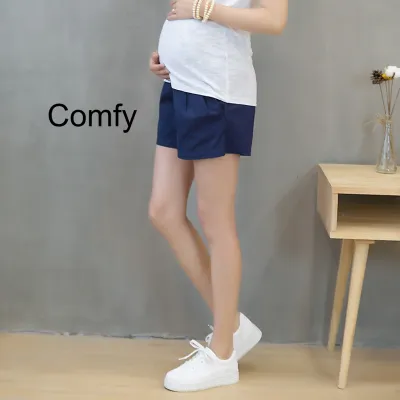
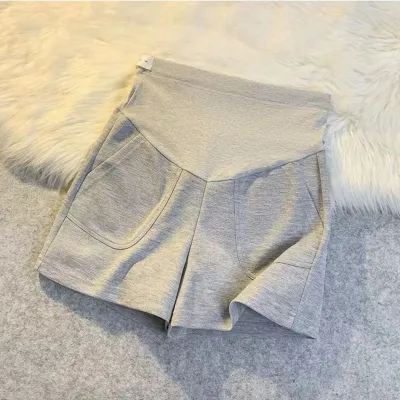
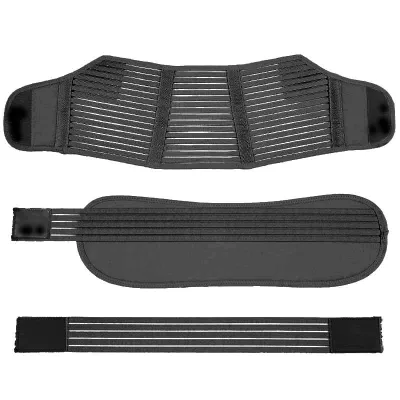
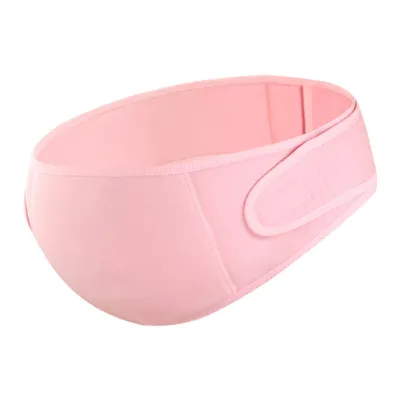
Prices are valid at publication and may change. Please refer to the product page for the latest price.
The design of the waistband is another essential element that dictates daily comfort. Maternity brands generally offer two primary styles: over-bump panels and under-bump waistbands. Over-bump panels feature a high, stretchy fabric band that pulls up completely over your pregnant belly. This design provides a secure, tucked-in sensation, distributes weight evenly across your midsection, and helps smooth out the silhouette under clingy tops. Under-bump waistbands, conversely, sit low beneath your belly, utilizing a curved elastic band or a low-rise cut. This style is often preferred by those who find any pressure on their upper abdomen uncomfortable, and it offers a cooler, less bulky option for hot afternoons.
Beyond the waistband style, pay close attention to the stretch recovery and structural integrity of the garments. High-quality maternity wear must expand significantly to accommodate your growing pregnant belly while retaining its original shape after washing. Look for fabric blends containing between 5% and 10% elastane or spandex; anything less may feel restrictive, while too much synthetic fiber can compromise breathability. Additionally, inspect the seam placement of any garment you consider. Seamless construction or flatlock seams are ideal, as traditional raised seams can rub against stretching, dry, or itchy skin, leading to painful irritation over the course of a long day.
Adapting Your Wardrobe Across Pregnancy Trimesters
Your clothing needs will shift dramatically as your pregnancy progresses, making a staged approach to your wardrobe both practical and comfortable. During the first trimester, your body undergoes significant internal changes, but physical changes are often limited to mild bloating and breast tenderness rather than a prominent baby bump. At this stage, purchasing dedicated maternity wear is rarely necessary. Instead, look for transitional pieces within your existing wardrobe or opt for standard clothing lines that feature relaxed silhouettes, empire waists, and highly elasticized waistbands. Stretchy knit skirts and flowy midi dresses are excellent options that accommodate early fluctuations comfortably.

As you enter the second trimester, your pregnant belly will begin to show more distinctly, and your regular clothes will likely start to pinch. This is the optimal time to transition to specialized maternity brands. Look for garments designed with adjustable features, such as side ruching or elastic button extenders. Side ruching is particularly valuable because it allows the fabric to expand both horizontally and vertically, ensuring your tops and dresses do not ride up as your belly grows. During this phase, investing in a few high-quality pairs of maternity leggings or trousers with supportive over-bump panels will provide the abdominal support needed to alleviate early lower back strain.
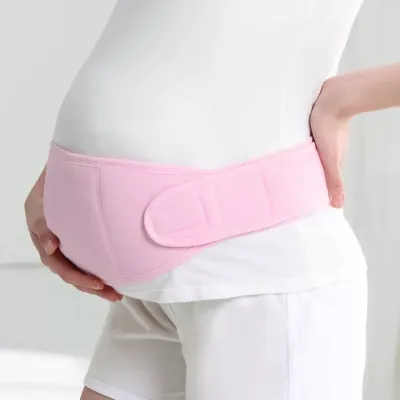
The third trimester demands maximum comfort and physical support as your baby bump reaches its largest size. During these final weeks, the weight of your pregnant belly can place significant pressure on your pelvis and lower back. Brands that offer structured, double-layered support panels or integrated belly bands can help distribute this weight more comfortably. Focus on lightweight, loose-fitting dresses, breathable maxi skirts, and soft, seamless undergarments that do not restrict your movement or compress your abdomen.
The postpartum period, often referred to as the fourth trimester, requires a different kind of wardrobe versatility. Your body will continue to transition, and your skin may remain highly sensitive. Look for maternity brands that design pieces with dual functionality, serving you well during both late pregnancy and the postpartum weeks. Prioritize clothing that offers gentle, non-restrictive abdominal compression to support your recovering core. If you plan to nurse, select tops and dresses featuring discreet nursing access, such as wrap fronts, lift-up panels, or clip-down straps, allowing you to feed your baby comfortably and conveniently.
Strategies for Finding and Testing Brands in Singapore
Finding the perfect maternity wear requires a mix of hands-on testing and smart online research. Visiting physical boutiques and department stores across Singapore is highly recommended, especially when purchasing foundational pieces like maternity bras, jeans, or formal wear. Trying on garments in person allows you to assess the weight, softness, and elasticity of the fabrics directly. When trying on maternity trousers or skirts, do not simply stand in front of the mirror; sit down, walk around, and bend over. A waistband that feels perfectly comfortable while standing may pinch, roll down, or restrict your breathing when you sit at a desk or in a cafe.
When shopping via online maternity retailers, a systematic approach will help you avoid sizing mistakes and disappointing purchases. Always look past the stylized marketing images and head straight for the detailed size charts and fabric composition lists. Reliable brands will provide comprehensive measurement guides, often explaining how to measure your bust, hips, and belly circumference to find the correct fit. Many maternity brands design their sizing to align with your pre-pregnancy size, but this is not universal. If you find yourself between sizes or are experiencing rapid growth, it is generally safer to size up to ensure long-term comfort.
Before purchasing from any online retailer, carefully review their return, exchange, and shipping policies. Because your body shape changes continuously throughout pregnancy, a flexible return policy is essential for online shopping success. Look for platforms that offer hassle-free exchanges or store credit if a garment does not fit quite right. Additionally, spend time reading customer reviews, filtering specifically for feedback regarding how the clothing holds up over time. Pay attention to comments mentioning whether the fabric shrinks in the wash, if the colors bleed, or if the elastic panels lose their stretch recovery after a few cycles in the laundry.
Pre-Purchase Checklist for Maternity Clothing
To help you make informed, practical decisions and avoid common shopping pitfalls, use this checklist before purchasing any new maternity garments:
- Verify the Size Guide: Always compare your current physical measurements against the brand's specific maternity size chart. Do not assume your pre-pregnancy size will fit perfectly across different brands, as cuts and sizing standards vary.
- Check the Fabric Composition: Ensure the garment is made primarily of breathable, natural, or semi-synthetic fibers like cotton, bamboo, modal, or Tencel. Confirm there is an adequate percentage of elastane (5% to 10%) for comfortable stretch.
- Review Care Instructions: Look at the care label to ensure the item is machine-washable and easy to maintain. Avoid garments that require dry cleaning or extensive ironing, as your time and energy will be limited.
- Assess Cost-per-Wear: Consider how often you will wear the item and whether it can transition into the postpartum period. A versatile, high-quality piece that you wear multiple times a week offers far better value than a cheap, single-use garment.
- Examine Seams and Hardware: Inspect the interior of the garment for rough seams, exposed elastic bands, or scratchy tags. Opt for seamless designs, flatlock stitching, and tagless labels to prevent skin irritation.
- Evaluate Nursing Accessibility: If you plan to breastfeed, check if the garment features integrated nursing access, such as clip-down straps, wrap fronts, or hidden zippers, extending its usability well past delivery.
Frequently Asked Questions (FAQ)
When is the best time to start buying dedicated maternity clothes?
There is no single, correct week to start purchasing maternity wear, as every expectant mother’s body changes at a different rate. Generally, you should start looking for dedicated maternity pieces when your regular clothing begins to feel uncomfortably tight, pinches your waist, or restricts your breathing. For many, this transition occurs around the late first trimester or early second trimester, when hormonal bloating gives way to a visible baby bump. It is highly practical to plan your core purchases around the typical growth spurts of the second trimester, ensuring you select garments with sufficient stretch to accommodate your growing pregnant belly over the coming months.
Should I invest in premium maternity brands or stick to affordable options?
A balanced, hybrid approach is usually the most cost-effective and comfortable strategy for managing your maternity wardrobe budget. It is highly recommended to invest in premium maternity brands for foundational, high-use items where superior fabric technology and structural support are essential. Pieces like supportive maternity leggings, high-quality everyday bras, and structured trousers for work are worth a higher investment because they directly impact your physical comfort and posture. For casual, trend-focused items, simple loungewear, or loose summer dresses, affordable basic options are perfectly adequate and can help you stay within your budget while keeping your wardrobe varied.
Community discussion
Share your experience or ask a question. Comments are reviewed before publication.