
Quick Answer: What Makes a Maternity Brand Truly Comfortable?
Finding the perfect maternity wear is a highly personal journey that centers on three core pillars: stretch, breathability, and structural support. During pregnancy, your body undergoes rapid, continuous changes that demand clothing capable of adapting without restricting your movement or irritating your skin. While many brands promise ultimate comfort, the reality is that the most comfortable option is entirely subjective, depending on your unique body shape, skin sensitivity, and daily routine.
To secure true all-day comfort, you must look past generic marketing claims and focus on verifying specific garment construction details. Understanding how fabrics behave, how waistbands are engineered, and how seams are finished will empower you to identify high-quality pieces. By learning to read product specifications and size charts, you can confidently curate a wardrobe that supports you through every stage of your pregnancy.
Key Fabric and Design Features for Everyday Comfort
Selecting comfortable maternity wear requires a close inspection of the materials and construction methods used by different brands. Rather than relying on visual appeal alone, analyzing the technical specifications of a garment will tell you how it will perform during a long day of wear.
Products mentioned in this guide
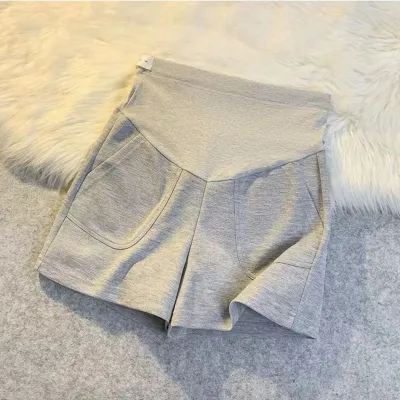
Prices are valid at publication and may change. Please refer to the product page for the latest price.

Fabric Composition and Material Performance
The foundation of any comfortable maternity garment is its fiber blend. For everyday wear, prioritize natural fibers or high-quality semi-synthetics that offer superior breathability and moisture management.
- Modal and Bamboo Viscose: These semi-synthetic fibers are exceptionally soft, highly breathable, and naturally cool to the touch. They are ideal for warm, humid climates, as they efficiently wick moisture away from the skin to prevent chafing.
- Long-Staple Cotton: Cotton provides classic, reliable breathability and is highly durable. Look for cotton blended with a small percentage of elastane to ensure the garment retains its shape after multiple washes.
- Elastane Percentage: For leggings, fitted dresses, and activewear, look for an elastane (or spandex) content of at least 8% to 15%. This ensures the fabric can stretch significantly without losing its recovery tension or becoming sheer.
- Moisture-Wicking Synthetics: High-performance polyester or nylon blends are excellent for active days, provided they are engineered with moisture-wicking technology to keep you dry and comfortable.
Structural Design and Waistband Engineering
How a garment is structured determines how well it supports your changing shape without causing pressure points. Pay close attention to the waistband styles and growth accommodation features.
- Over-Bump Waistbands: These panels extend fully over your abdomen, providing a gentle layer of support and a smooth silhouette under clothing. Look for seamless, high-stretch knit panels that do not press tightly against the top of your stomach.
- Under-Bump Waistbands: Designed to sit low on the hips beneath your belly, these are excellent if you dislike any pressure on your abdomen. Ensure the elastic is wide, flat, and lined with soft fabric to prevent digging.
- Strategic Ruching: Side ruching—gathered fabric along the side seams—allows tops and dresses to expand horizontally and vertically. This design detail ensures the garment fits beautifully in the first trimester and continues to fit comfortably right up to your due date.
- Adjustable Elements: Look for trousers and skirts featuring internal button-hole elastic or adjustable drawcords, allowing you to customize the waist tension as your body changes.
Skin-Friendly Construction Details
Pregnancy hormones can make your skin significantly more sensitive, turning minor friction points into major sources of discomfort. Inspecting the interior finish of garments is crucial before making a purchase.
- Flatlock Seams: Traditional raised seams can rub against sensitive skin, especially around the inner thighs and underarms. Flatlock seams lie completely flat against the body, minimizing friction and preventing red marks.
- Tagless Designs: Heat-sealed labels or tagless constructions eliminate the scratchy irritation caused by woven labels at the neckline or waist.
- Non-Restrictive Cuffs and Hems: Ensure that sleeve cuffs, ankle bands, and leg openings feature soft, stretchy finishes rather than tight, rigid elastic that can restrict circulation or cause swelling.
Matching Maternity Styles to Your Daily Activities
Your wardrobe needs to adapt to the different environments you navigate throughout the day. Choosing the right style of maternity wear for specific activities ensures you remain comfortable whether you are sitting at a desk, running errands, or resting at home.
Professional and Office Settings
Maintaining a polished appearance in the workplace while staying comfortable requires garments that accommodate long periods of sitting. Rigid waistbands and stiff fabrics can quickly become painful during a desk-bound workday.
- Tailored Maternity Trousers: Look for professional trousers featuring a soft, over-bump panel or a highly elasticized under-bump band. Ponte knit fabrics are excellent here, as they offer the structure of traditional suiting with the stretch of lounge pants.
- Maternity Wrap Dresses: A classic wrap dress is highly adjustable, allowing you to loosen or tighten the fit as needed throughout the day. Breathable jersey fabrics drape beautifully and prevent overheating in air-conditioned offices.
- Structured Stretch Tops: Choose blouses made from woven cotton blends with added stretch, or high-quality knit tops that feature subtle side ruching to maintain a professional silhouette without restriction.
Casual and Weekend Wear
For low-impact daily errands, household tasks, or relaxed weekends, your clothing should prioritize maximum freedom of movement and ease of wear.
- High-Stretch Maternity Leggings: A true wardrobe staple, high-quality maternity leggings should offer gentle compression without feeling restrictive. Ensure the fabric is completely opaque when stretched and features a wide, non-rolling waistband.
- Breathable Tunics and Oversized Shirts: Loose-fitting tops made from lightweight linen or cotton voile pair perfectly with leggings. They allow excellent airflow, which is particularly beneficial when running errands in warm weather.
- Relaxed-Fit Joggers: Joggers with a low-slung, stretchy waistband provide a comfortable alternative to leggings, offering a relaxed look with plenty of room for movement.
Active and Transitional Moments
Staying active during pregnancy requires specialized support, while fluctuating body temperatures demand versatile layering pieces.
- Supportive Activewear: Look for maternity sports bras with wide, adjustable straps and soft under-bust bands that accommodate ribcage expansion. Activewear leggings should feature moisture-wicking properties and targeted lower-back support panels.
- Lightweight Layering Pieces: Cardigans, open-front wraps, and lightweight utility jackets are essential for transitioning between hot outdoor environments and chilly indoor air conditioning. Choose open styles that do not need to button over your bump.
- Transitional Knitwear: Soft, stretchy knit sweaters can be worn over maternity tees, providing warmth and comfort without clinging tightly to your body.
How to Build and Verify Your Comfort-Focused Brand Shortlist
With countless maternity brands available online, finding the ones that truly deliver on comfort requires a systematic approach. By establishing a clear research and verification process, you can avoid costly purchasing mistakes and build a wardrobe that serves you well.
Research Strategy for Finding Quality Brands
Start by identifying brands that specialize specifically in maternity wear, rather than standard fashion brands that simply offer a “maternity section” as an afterthought. Dedicated maternity brands generally have a deeper understanding of gestational anatomy and fabric performance.
- Explore Official Brand Sites: Review the brand's "About Us" or technology pages to see if they highlight their fabric sourcing, design testing, or sustainability practices. Brands that invest in proprietary fabric blends or ergonomic designs will usually detail these features online.
- Utilize Authorized Online Retailers: Browsing established multi-brand platforms allows you to compare different labels side-by-side. Pay attention to how these platforms categorize maternity wear and use their search filters to isolate specific materials like organic cotton or modal.
- Analyze Verified Customer Feedback: When reading reviews, look past simple star ratings. Search for specific keywords such as "stretch," "pilling," "seams," "breathability," and "trimester." Pay close attention to feedback from shoppers who share your pre-pregnancy size or height to gauge how the garments fit real bodies.
The Maternity Verification Checklist
Before adding any item to your cart, run it through a strict verification checklist to ensure it meets your comfort standards.
- Cross-Reference Size Guides: Do not assume your pre-pregnancy size translates perfectly across all brands. Check the brand's specific size chart, which often uses your pre-pregnancy size but accounts for standard pregnancy weight gain. If you are between sizes or expecting multiples, consider sizing up for longevity.
- Read the Fabric Care Labels: High-maintenance clothing can quickly become a burden. Verify if the garments are machine washable and tumble-dry friendly, or if they require delicate hand-washing and line-drying. For everyday wear, low-maintenance fabrics are highly preferable.
- Check the Fit Notes: Many product descriptions include specific fit notes, such as "designed to fit tightly" or "relaxed fit." Use these notes to determine if the garment aligns with your personal comfort preferences.
Risk Mitigation and Trial Orders
To protect your budget and ensure you only keep pieces that feel absolutely perfect, implement a cautious purchasing strategy.
- Prioritize Flexible Return Policies: Only purchase from brands or online marketplaces that offer clear, hassle-free return windows. Ensure they allow you to try on the garments at home and return them if the fit or fabric texture is not to your liking.
- Watch for Hidden Fees: Check if the brand charges restocking fees or if you are responsible for return shipping costs. This is especially important when ordering from international brands, where return shipping can sometimes equal the cost of the garment itself.
- Start with a Small Trial Order: Avoid buying an entire wardrobe at once. Start by ordering one or two staple items, such as a pair of everyday leggings or a basic tee. Wear them around the house, wash them once or twice, and assess how they hold up before investing in additional pieces from that brand.
Frequently Asked Questions (FAQ)
When should I start buying dedicated maternity wear?
There is no single correct week to transition to maternity wear, as every pregnancy develops differently. Many women begin to feel discomfort in their regular clothing around the end of the first trimester or the beginning of the second trimester, often due to early bloating or a shifting waistline.
If you find yourself leaving your top trouser button undone, or if your favorite shirts are starting to ride up, it is time to consider alternative options. You can ease into the transition by using temporary solutions like belly bands or waistband extenders, which allow you to wear your pre-pregnancy trousers unbuttoned while keeping them secure. However, once your regular clothes begin to restrict your movement or leave deep marks on your skin, investing in dedicated maternity staples will significantly improve your daily comfort.
Is it worth investing in premium maternity brands for everyday use?
Investing in premium maternity wear can be highly beneficial for key staple pieces that you plan to wear almost daily, such as high-quality leggings, supportive work trousers, or a versatile everyday dress. Premium brands often justify their higher price points by utilizing advanced fabric technologies, such as reinforced support panels, flatlock stitching, and high-recovery elastane blends that do not stretch out permanently after a few wears.
To build a cost-effective wardrobe, consider a hybrid approach. Spend a bit more on three or four high-quality, durable foundation pieces that offer superior structural support and comfort. You can then supplement these premium items with more budget-friendly basics, such as simple cotton t-shirts or tank tops, which do not require complex engineering to feel comfortable. This strategy ensures you get the structural support where you need it most without overspending on your entire wardrobe.
Community discussion
Share your experience or ask a question. Comments are reviewed before publication.