
Choosing a portable baby changing mat depends on where you spend your day with your baby. Whether navigating busy shopping malls, boarding flights, or managing limited square footage in a Singapore apartment, the right mat acts as a clean, reliable barrier for diaper changes. The ideal choice balances portability, ease of cleaning, and physical support, allowing you to maintain a hygienic routine wherever you go. Rather than searching for a single universal option, parents should evaluate how their daily routines dictate their needs.
Match Mat Features to Your Daily Lifestyle
For families who travel frequently, every gram of weight and centimeter of luggage space matters. Air travel, road trips, and transit days require a portable baby changing mat that features a lightweight, compact folding mechanism. These mats often fold down to the size of a small book or clutch, fitting easily into carry-on bags or under-seat storage. Integrated storage compartments are highly beneficial in these scenarios, allowing you to pack a few diapers, a travel pack of wipes, and diaper creams directly inside the mat so you do not have to carry a bulky diaper bag into cramped airplane lavatories.
Daily outings around town, such as visits to local parks, cafes, or community spaces, demand a different set of priorities. In these fast-paced environments, quick-setup designs are essential for managing sudden diaper changes on public benches or in restroom facilities. Look for mats that can be unfolded with one hand while you hold your baby with the other. Wipe-clean surfaces are crucial here, as they allow you to sanitize the mat quickly before packing it back up. Additionally, look for designs with integrated straps or clips that let you attach the mat directly to a stroller handlebar or the exterior of a diaper bag for rapid access.
Products mentioned in this guide
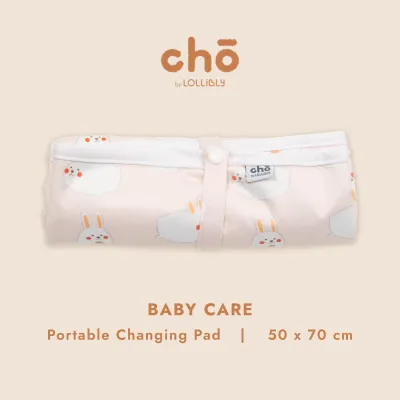
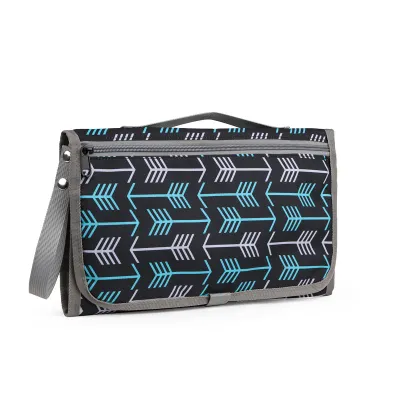
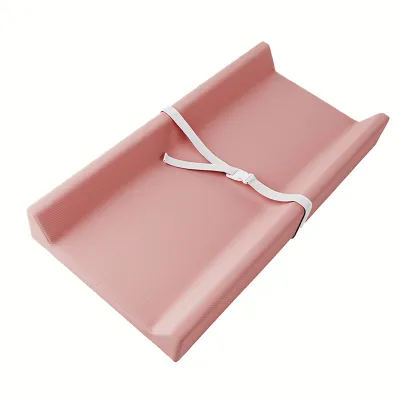
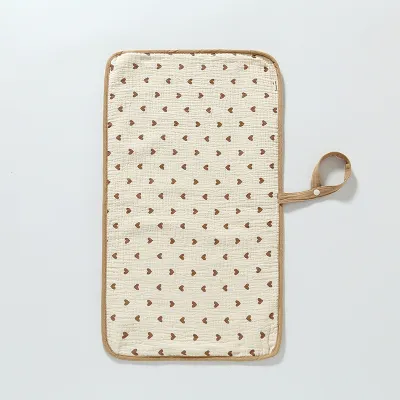
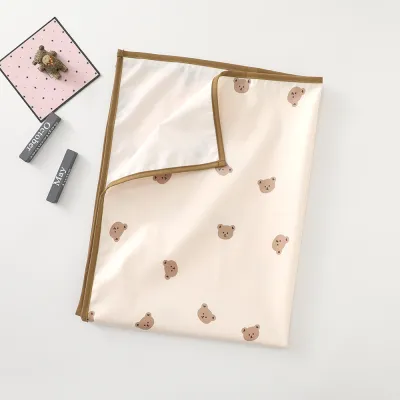
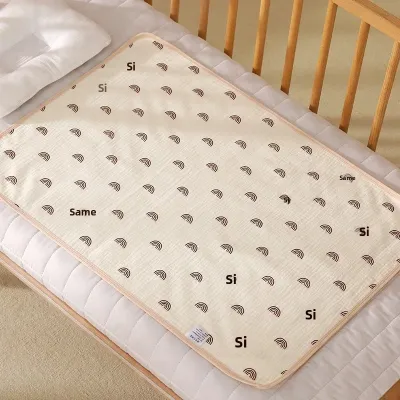

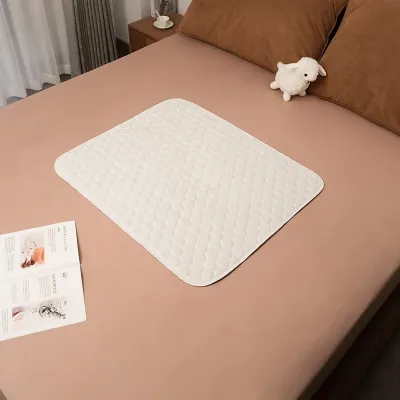
Prices are valid at publication and may change. Please refer to the product page for the latest price.
Living in a compact Singapore apartment requires a focus on space-saving profiles and multi-functional designs. When floor space is limited, a bulky, permanent changing table might not be practical. A portable changing mat can serve as your primary changing station, easily laid out on a bed, chest of drawers, or dining table, and then tucked away in a drawer or hung behind a door when not in use. For these home-use mats, aesthetic neutrality is often a key consideration, as parents prefer designs that blend seamlessly with their home decor rather than standing out. Choosing a mat with a slim profile ensures it does not clutter your living area while still providing a dedicated, hygienic space for your baby.
Key Specifications and Safety Checks to Verify
When comparing different portable changing mats, the material composition and cleaning instructions are the first specifications to verify on the manufacturer’s label. Look for mats with waterproof or highly water-resistant inner linings that prevent liquids from seeping into the inner padding. Check the product tags to confirm if the cover is machine-washable or if it requires manual wiping with mild soap. If the manufacturer makes claims regarding non-toxic materials, such as being free from phthalates, lead, or BPA, verify these claims by checking for recognized safety labels or testing documentation provided on the packaging.

The level of padding and physical support a mat provides must be assessed based on your baby’s developmental stage and the surfaces you expect to encounter. Newborns require a firmer, more supportive surface to protect their developing spine, especially if you frequently place the mat on hard public changing tables or tiled floors. Older, more active babies may benefit from slightly thicker padding to keep them comfortable and cooperative during changes. Press down on the padding to check its density; it should cushion the baby’s head and body without bottoming out completely against the hard surface underneath.
Safety boundaries are another critical element to inspect before purchasing. Some portable changing mats feature slightly raised contoured edges or built-in safety straps to help keep the baby centered on the mat. However, these features do not replace active supervision. Always check the manufacturer’s stated weight and age limits, as some structured mats are only rated for infants up to a certain weight. Verify that any buckles, zippers, or hook-and-loop fasteners are securely stitched and do not have sharp edges that could scratch your baby’s delicate skin during use.
Scenario-Based Selection Framework
To select the most appropriate portable baby changing mat, it helps to map your primary lifestyle scenarios to specific mat formats. Clutch-style mats, which fold up into a neat package with a carrying handle, are highly suited for daily outings and quick trips to the store. Fold-out mats, which often feature larger changing surfaces and multiple storage pockets, are excellent for full-day excursions or travel where access to clean facilities is unpredictable. Cushioned station mats, which are thicker and less compact, are ideal for small apartments where the mat remains at home but needs to be moved from room to room.
Choosing a mat involves understanding the practical trade-offs between portability and comfort. For instance, an ultra-compact, lightweight mat that fits into a coat pocket will naturally have very thin padding, making it less comfortable for your baby when placed on a hard stone bench. Conversely, a heavily cushioned mat that offers excellent support will take up significant space in your diaper bag, making it less convenient for quick transit. Parents must decide whether they prioritize a minimal carrying size for short trips or extra physical comfort for longer journeys where the baby might be changed on uneven or hard surfaces.
For parents seeking a single, versatile mat to serve multiple environments, cross-scenario compatibility is key. Look for a hybrid design that offers moderate padding—enough for home use on a chest of drawers—but still folds flat enough to slide into a standard backpack for weekend outings. A hybrid mat should feature detachable storage pockets, allowing you to slim down the profile when packing light for travel, or expand it when using it as a self-contained changing station at home. This adaptability prevents the need to purchase multiple specialized mats, saving both money and storage space. When budgeting around S$20 to S$60 for a portable mat, focusing on these multi-functional features ensures you get the most value out of a single purchase.
Safe Setup and Ongoing Maintenance
Regardless of the type of portable changing mat you choose, safe setup practices are paramount to preventing accidents. Always place the mat on a stable, flat, and wide surface that can fully support the mat’s dimensions. When changing your baby on elevated surfaces like beds, tables, or public changing stations, keep one hand on your baby at all times. Built-in safety straps are designed to assist, but they do not prevent a baby from rolling or sliding off an elevated surface if left unattended. If a flat, secure elevated surface is not available, it is always safest to perform the diaper change on the floor.
Maintaining strict hygiene routines is essential to prevent the buildup of bacteria, mold, or unpleasant odors on your changing mat. After every use, wipe down the changing surface with a baby-safe sanitizing wipe or a damp cloth with mild detergent, paying close attention to seams and folds where moisture can trap. If the mat has a machine-washable cover, wash it regularly according to the manufacturer’s temperature and cycle instructions. Ensure the mat is completely dry before folding and storing it away, as packing a damp mat into a dark diaper bag creates an ideal environment for mold and mildew to grow.
Regularly inspect your portable changing mat for signs of wear and tear to ensure it remains safe for continued use. Check the seams for loose threads, inspect the waterproof lining for cracks or peeling, and test all fasteners, buckles, and zippers to ensure they function correctly. Over time, foam padding can degrade or lose its firmness, reducing the support it offers to your baby’s head and spine. If you notice any structural compromises, torn fabric, or exposed padding, stop using the mat immediately and replace it to maintain a safe and hygienic changing environment.
Frequently Asked Questions (FAQ)
Do I need a portable changing mat if I already have a changing table at home?
Yes, a portable changing mat is highly beneficial even if you have a dedicated changing table. It provides a clean, familiar surface when you are away from home, protecting your baby from public changing tables. At home, a portable mat offers the flexibility to change your baby in different rooms, such as the living room or bedroom, without carrying them back to the changing table every time. For families living in small apartments, a portable mat can even replace a bulky changing table entirely, saving valuable floor space.
How do I know if a portable changing mat is safe for my newborn?
To ensure a portable changing mat is safe for a newborn, start by checking the manufacturer’s age, weight, and usage guidelines on the packaging. Newborns have limited head control and delicate skin, so look for a mat that offers a flat, firm surface to support their spine and head. Avoid using soft, heavily contoured, or unstructured mats as unsupervised sleep surfaces, as they do not meet safe sleep standards. Always maintain constant physical contact and supervision during use, and verify that all materials are free from harsh chemicals or rough textures.

Community discussion
Share your experience or ask a question. Comments are reviewed before publication.