
Selecting the right changing mat for your newborn is one of the most frequent touchpoints of early parenthood. With newborns requiring up to twelve diaper changes a day, this simple piece of nursery gear quickly becomes a central hub for daily care. In Singapore’s warm and humid climate, finding a changing mat that balances safety, material integrity, and ease of cleaning is essential for protecting your baby’s delicate skin and maintaining a hygienic home environment.
Navigating the baby product market can feel overwhelming with countless brands claiming superior safety and comfort. For parents in Singapore, the decision involves assessing how a changing mat fits into specific living spaces—whether that is a dedicated nursery in a spacious home or a multi-functional setup in a compact apartment. By focusing on verifiable material standards, structural design, and practical utility, you can confidently select a brand that ensures your baby’s comfort and safety during every change.
Essential Safety and Material Checks for Newborns
When evaluating any changing mat brand, the chemical composition of the materials must be your primary concern. Newborn skin is exceptionally thin and highly permeable, making it vulnerable to synthetic chemicals and off-gassing. Look for brands that explicitly certify their products as free from harmful substances. Reliable manufacturers will display certifications such as OEKO-TEX Standard 100, REACH compliance, or CertiPUR-US for foam cores. These labels verify that the product has been tested for heavy metals, formaldehyde, phthalates, and volatile organic compounds (VOCs).
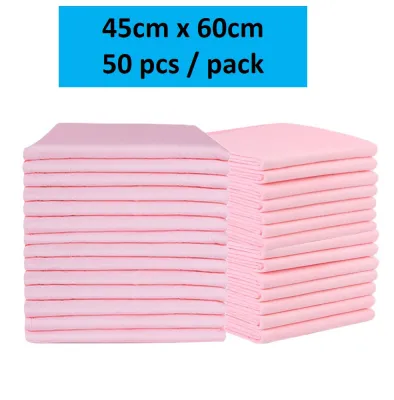
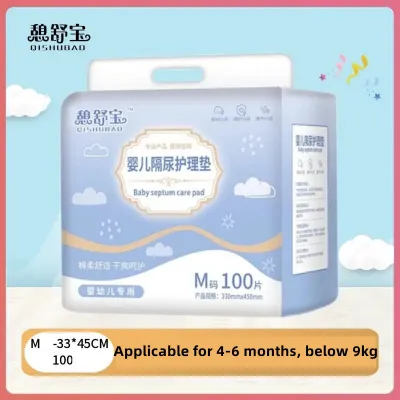
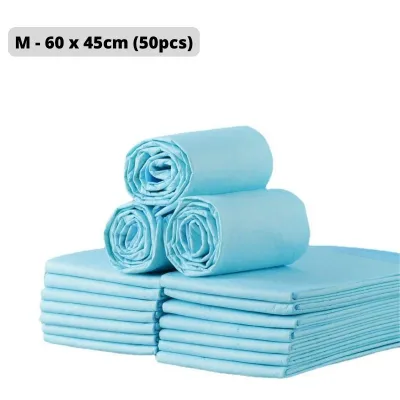
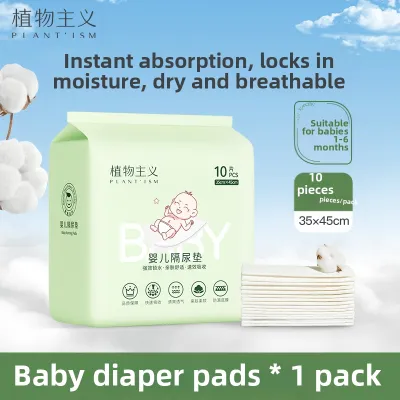
Products mentioned in this guide
![[SG Stock]Waterproof Baby Changing Pad - Portable & Foldable for Travel (Soft & Easy Clean)](https://img.lazcdn.com/g/p/018f426ad612d7deb2574d31e20cad13.jpg_400x400q80.jpg_.webp)
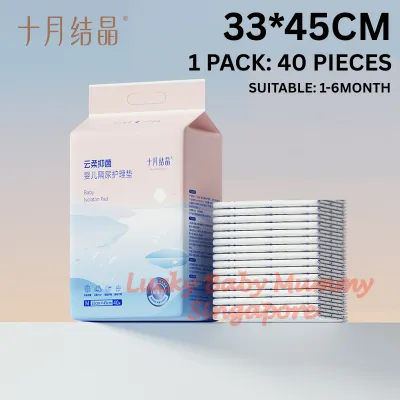
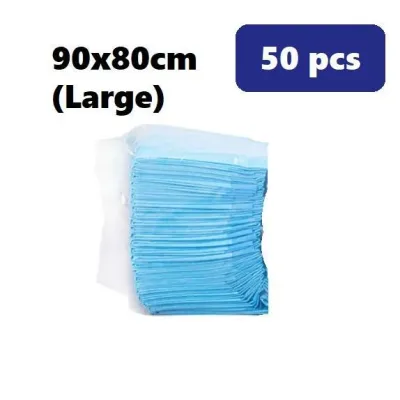
![[SG Seller]Disposable Sheet/baby changing pad/Underpads/maternity pad/diaper changing pad/Pet pad/diaper changing pad](https://img.lazcdn.com/g/p/98b6308018da96ec0e340934b88f4b41.png_400x400q80.png_.webp)
Prices are valid at publication and may change. Please refer to the product page for the latest price.
Avoid mats made from low-grade polyvinyl chloride (PVC), which often relies on chemical plasticizers to achieve flexibility. Instead, prioritize brands utilizing high-quality polyurethane (PU) coatings, food-grade silicone, or thermoplastic polyurethane (TPU). These materials provide a safe, non-toxic surface that does not emit harsh chemical odors, ensuring a healthier breathing environment for your baby during close-contact changes.
Structural safety is equally critical to prevent accidental falls as your baby grows and becomes more active. Look for contoured changing mats featuring raised side walls, typically designed with a curved wedge shape. This physical barrier helps keep your newborn centered on the mat and discourages rolling. While these contours provide excellent structural support, they must be paired with a slip-resistant base or grip pads on the underside to prevent the entire mat from sliding across your changing table or dresser top.
In Singapore’s humid climate, moisture management is vital to prevent the growth of mold, mildew, and bacteria. A truly waterproof surface is non-negotiable. Inspect the construction of the mat’s seams; heat-sealed or welded seams are highly superior to stitched seams. Stitched seams contain tiny needle holes where liquid, urine, and cleaning solutions can seep into the inner foam core over time. Once moisture penetrates the foam, it becomes nearly impossible to dry completely, creating a breeding ground for allergens that can irritate your baby’s respiratory system and skin.
How to Evaluate Brand Reliability and Product Warranties
To separate genuine quality from clever marketing, parents should look for brands that subject their products to rigorous independent testing. Reputable infant brands design their changing mats to meet established international safety standards, such as the European standard EN 12221 or the American ASTM F2388. These standards govern structural integrity, chemical safety, and mechanical hazards. A trustworthy brand will readily publish these test results or reference them clearly on their official packaging and website, rather than relying on vague terms like “pediatrician-approved.”

Warranty terms offer a clear window into a manufacturer’s confidence in their product’s durability. High-quality changing mats, which can range in price from S$30 for basic portable options to over S$150 for premium stationary designs, should come with a clear warranty against manufacturing defects. Check whether the warranty covers issues like seam splitting, foam flattening, or cracking of the waterproof outer layer. It is also wise to verify if the brand has an authorized local distributor in Singapore, as this makes resolving warranty claims and contacting customer support significantly faster and more reliable.
Analyzing verified customer feedback on independent parenting forums and local ecommerce platforms provides invaluable insight into how a changing mat performs over months of continuous use. Look specifically for reviews that mention how the material holds up to daily sanitizing. Some lower-quality waterproof coatings can degrade, crack, or become sticky when exposed to standard baby wipes or mild soap solutions. Pay attention to feedback regarding the density of the foam; a quality mat should retain its supportive shape and cushion without sagging under your baby’s weight after a few months of use.
Choosing the Right Changing Mat Style for Your Space
Selecting the ideal changing mat style depends heavily on your home’s layout and your family’s daily routine. For parents who have designated a specific area for baby care, a stationary dresser-top or contoured foam mat is an excellent choice. These mats are typically thicker, heavier, and designed to remain in one place. They offer superior ergonomic support for parents, raising the baby to a comfortable height that reduces back strain during changes. Many of these premium stationary mats are made from solid, easy-to-wipe foam that does not require an additional fabric cover, streamlining your laundry routine.
If you are working with limited space, such as a compact condominium or a cozy HDB flat, versatility is key. Portable, foldable, or roll-up changing mats offer a highly practical alternative. These lightweight mats can be easily spread across a bed, a dining table, or even the floor, and then tucked away in a drawer or closet when not in use. For families who enjoy outings to Singapore’s parks, malls, and family-friendly spaces, a compact travel mat that folds into a neat clutch with a carrying strap is an indispensable addition to your diaper bag.
Multi-functional changing mats combine the best of both worlds by incorporating smart storage solutions. Some designs feature integrated pockets for holding clean diapers, travel-sized diaper creams, and wet wipes. Others come equipped with toy loops or overhead arches designed to keep your newborn distracted and calm during diaper changes. When considering these multi-functional options, evaluate whether the added features genuinely improve your daily workflow or simply make the mat more difficult to clean and sanitize.
Final Pre-Purchase Checklist and Daily Safety Rules
Before finalizing your purchase, take precise physical measurements of the furniture surface where you plan to place the changing mat. Whether you are using a dedicated changing table or converting a standard chest of drawers, the mat must fit securely within the boundaries of the surface. There should be absolutely no overhang, as any unsupported edge can cause the mat to tip when weight is applied. Additionally, ensure there are no wide gaps between the sides of the mat and the safety rails of your changing table, which could trap a baby’s hands or feet.
If your chosen changing mat includes safety straps or anchor points, verify how they attach to your furniture. Many brands design straps that screw directly into the back of a wooden dresser to prevent the mat from shifting. If you prefer not to drill into your furniture, ensure the mat features a highly effective non-slip bottom surface, or purchase a separate high-grip silicone mesh pad to place underneath the mat. Test the stability of the setup by applying downward and lateral pressure before placing your newborn on it.
No matter how many safety features a changing mat possesses, they can never replace active parental supervision. The most critical safety rule of diaper changing is to keep at least one hand on your baby at all times. Babies can develop new motor skills, such as rolling or wiggling, unexpectedly. Before you place your baby on the mat, gather all necessary supplies—including clean diapers, wipes, trash bins, and fresh clothes—and place them within your arm’s reach so you never have to step away or turn your back on your child while they are on an elevated surface.
Frequently Asked Questions (FAQ)
Do I need a contoured changing mat or is a flat one safe?
Contoured changing mats with raised edges provide an excellent physical barrier that helps prevent a newborn from rolling off the sides, making them highly recommended for elevated surfaces like changing tables or dressers. Flat changing mats are also safe, but they are best utilized on low surfaces, such as directly on the floor or on a secure playmat, where the risk of falling is eliminated. Regardless of the mat’s shape, active supervision and keeping a hand on your baby at all times are mandatory safety practices.
Can I use a regular towel or blanket instead of a dedicated changing mat?
While a towel or blanket can serve as a temporary surface in an emergency, they are not ideal for daily use. Standard household fabrics lack a waterproof barrier, meaning liquids will quickly seep through to your furniture, bed, or carpet, creating hygiene issues and potential staining. Furthermore, fabric blankets require frequent machine washing and drying, whereas a dedicated, waterproof changing mat can be instantly wiped clean and sanitized with a mild soap solution, saving busy parents valuable time and laundry effort.

Community discussion
Share your experience or ask a question. Comments are reviewed before publication.