
Selecting a breast pump is one of the most significant decisions a new mother in Singapore will make. With a fast-paced lifestyle and a high rate of mothers returning to the workplace after maternity leave, finding a reliable brand that fits seamlessly into your daily routine is essential. The right choice can support your breastfeeding journey, help maintain your milk supply, and offer the flexibility needed to balance career and family life.
Rather than searching for a single universal winner, the key is to identify which brand and model align with your unique physical needs, daily schedule, and budget. This guide provides a comprehensive framework to help you evaluate the options available in the Singapore market, ensuring you make an investment that offers comfort, efficiency, and excellent local support.
Defining Your Pumping Needs Before Choosing a Brand
Before comparing specific brands, it is crucial to define your personal pumping goals and lifestyle requirements. Mothers who plan to breastfeed directly and only pump occasionally for relief or to build a modest freezer stash have very different needs compared to those who plan to pump exclusively. Exclusive pumping requires a heavy-duty motor capable of enduring multiple daily sessions without losing suction power, making motor durability a primary consideration.
Products mentioned in this guide
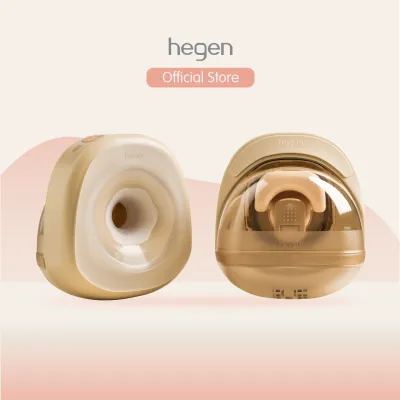
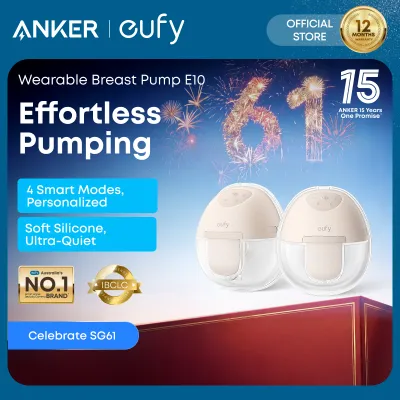
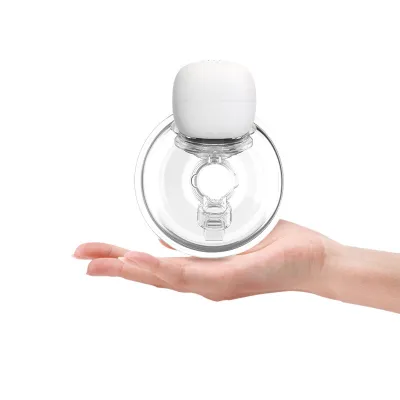
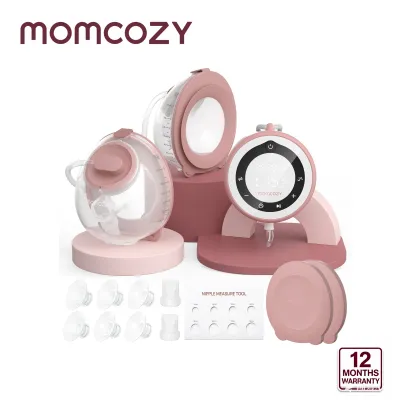
Prices are valid at publication and may change. Please refer to the product page for the latest price.
Your daily environment also dictates the ideal pump design. For working mothers commuting via public transport or balancing meetings in Singapore’s busy commercial districts, portability and weight are critical factors. A bulky pump unit can quickly become a burden to carry daily, whereas a compact, lightweight option or a wearable system can make the transition back to work significantly smoother.
Physical comfort and anatomical differences must also guide your decision. Breast tissue sensitivity, nipple elasticity, and the shape of your breasts vary widely from person to person. Some brands specialize in highly customizable settings with gentle suction patterns, while others offer a wider variety of flange sizes and materials, such as soft silicone inserts, to accommodate different tissue types and prevent discomfort.
Comparing Breast Pump Types: Manual, Electric, and Wearable
Understanding the distinct categories of breast pumps is the next step in narrowing down your choices. Each type serves a specific purpose, and many mothers find that a combination of different types works best for their lifestyle.

Manual Breast Pumps Manual pumps are hand-operated devices that do not require electricity or batteries. They are highly portable, lightweight, and virtually silent, making them an excellent choice for occasional use, travel, or quick relief when on the go. Because you control the suction speed and strength manually, you can adjust the rhythm to your comfort level. However, they require continuous physical effort and are generally slower at expressing milk, making them less suitable for frequent or exclusive pumping.
Standard Electric and Hospital-Grade Breast Pumps Standard electric pumps are powered by a plug-in adapter or a rechargeable battery. They offer automated suction cycles that mimic a baby’s natural nursing pattern, typically starting with a fast, light stimulation mode to trigger let-down, followed by a slower, deeper expression mode. Hospital-grade electric pumps feature exceptionally robust motors designed for multiple users in clinical settings, making them highly effective for establishing and increasing milk supply. While they are larger and less portable, their high efficiency and double-pumping capabilities make them the preferred choice for exclusive pumping.
Wearable and Hands-Free Breast Pumps Wearable pumps are self-contained, tubeless units that fit entirely inside a standard nursing bra. They operate quietly and allow you to pump discreetly while multitasking, whether you are working at your desk, doing light household chores, or commuting. This convenience has made them highly popular among modern mothers. However, wearable pumps often have smaller milk collection capacities, may feature slightly less customizable suction settings compared to standard electric models, and require careful positioning to ensure a proper seal and prevent leaks.
Essential Features to Evaluate Across Different Brands
When comparing different breast pump brands, looking past marketing claims and focusing on technical specifications and user-friendly features will help you make an objective decision.
Suction Settings and Cycle Customization A high-quality breast pump should offer adjustable suction strength and cycle speeds. The ability to customize these settings allows you to find the exact combination that maximizes milk expression without causing pain. Look for brands that provide clear information on their vacuum range (measured in mmHg) and offer distinct phases for stimulation and expression.
Noise Levels and Discretion For mothers who need to pump during nighttime feedings or in shared office spaces, motor noise is a major consideration. Some brands design their pumps with noise-reduction technology to ensure quiet operation. When researching, check user feedback regarding the hum of the motor and look for models that prioritize discreet, low-decibel performance.
Ease of Cleaning and Assembly A breast pump must be thoroughly cleaned and sanitized after every use to ensure hygiene and safety for your baby. Evaluate the number of parts involved in each model; systems with fewer connectors, valves, and membranes are much faster to disassemble, wash, and reassemble. Additionally, verify whether the components are dishwasher-safe or if they require specific sterilization methods, such as steam or UV sterilization, to prevent damage to the material.
Battery Life and Memory Functions If you opt for a cordless or wearable model, battery performance is key. Check the manufacturer’s specifications for battery runtime, typically represented by the number of pumping sessions you can complete on a single full charge. Convenient features like a memory function, which saves your preferred suction and speed settings, and a clear LED screen showing session duration and battery status, can significantly improve your daily pumping experience.
Navigating Local Availability and After-Sales Support in Singapore
Purchasing a breast pump is a significant investment, and ensuring you have access to reliable local support is essential for long-term peace of mind.
Buying from Authorized Retailers It is highly recommended to purchase your breast pump from authorized local distributors, official brand stores, or reputable pharmacies in Singapore. Buying through official channels guarantees that you receive an authentic product that complies with local safety standards, including the appropriate electrical safety marks for charging adapters. Avoid purchasing from unverified online sellers, as counterfeit devices or parallel imports may not meet safety regulations and often lack warranty coverage.
Warranty Coverage and Local Service Centers Electronic components can occasionally malfunction. Before buying, verify the warranty terms offered by the brand in Singapore. Check if they have a physical service center locally, what the typical turnaround time is for repairs, and whether they offer temporary replacement pumps if your unit needs to be serviced. A brand with responsive local customer service can prevent stressful disruptions to your pumping routine.
Availability of Replacement Parts Consumable parts such as silicone valves, membranes, tubing, and breast shields wear out over time and must be replaced regularly to maintain optimal suction and hygiene. Before committing to a brand, ensure that these replacement parts are readily available at local retail stores or through reliable online marketplaces in Singapore. If parts are difficult to source or require expensive international shipping, it can cause significant inconvenience.
Budgeting and Financial Considerations for Your Purchase in S$
Breast pump prices in Singapore vary widely depending on the technology, brand, and included accessories. Planning your budget involves looking at both the upfront cost and the long-term expenses.
Upfront Investment vs. Value Manual pumps are generally the most affordable option, often priced under S$100. Standard double electric pumps typically range from S$200 to S$600, while high-end wearable systems and hospital-grade models can exceed S$600. Consider your planned duration of breastfeeding; if you intend to pump for a year or more, investing in a durable, high-quality electric pump can offer excellent value over time.
Insurance and Corporate Benefits Before purchasing, check with your corporate health insurance provider or your employer’s human resources department. Some corporate wellness programs or comprehensive health insurance policies in Singapore offer subsidies or reimbursement for breast pumps and lactation support services as part of maternity benefits.
Ongoing Maintenance Costs Remember to factor in the recurring cost of consumables. Replacing valves and membranes every few months, purchasing additional breast shields as your size changes, and buying breast milk storage bags or extra bottles can add up. Additionally, consider the cost of specialized cleaning accessories, such as bottle brushes, gentle dish soaps, and sterilization equipment, to maintain a hygienic setup.
Frequently Asked Questions (FAQ)
How do I know which flange size is right for me?
Using the correct flange size is essential for comfort and efficient milk expression. A flange that is too large or too small can cause friction, pain, blocked milk ducts, and reduced milk output. To find your size, measure the diameter of your nipple at the base (excluding the areola) using a ruler or a printable sizing tool, preferably before a pumping session. Add 2mm to 3mm to your measurement to determine your starting flange size. If you experience persistent pain, notice your nipple rubbing against the tunnel sides, or see excessive areola tissue being pulled into the tunnel, consult a certified lactation consultant (IBCLC) in Singapore for a professional fitting and personalized guidance.
Can I use a second-hand breast pump from a friend or family member?
Using a second-hand breast pump is generally not recommended due to hygiene and safety risks. Breast pumps are classified as single-user medical devices by manufacturers. The primary concern is the distinction between open-system and closed-system pumps. Open-system pumps lack a physical barrier between the milk collection kit and the motor, allowing moisture and airborne pathogens to enter the motor unit, where they can cause mold and cross-contamination. While closed-system pumps have a barrier, sharing them still carries risks of motor degradation over time, which reduces suction efficiency, and voids the manufacturer’s warranty. For safety and hygiene, it is best to use a new, personal device.
Are hospital-grade breast pumps available for rent in Singapore?
Yes, hospital-grade breast pumps are available for rent in Singapore. This is a highly practical option for mothers who need a powerful pump for a short period, such as establishing milk supply in the early weeks, managing a temporary latch issue, or testing a high-grade motor before purchasing. Authorized rental services, select maternity hospitals, and specialized parenting centers offer rental programs with flexible weekly or monthly rates. When renting, you must purchase a brand-new, personal accessory kit—including tubing, breast shields, and valves—to ensure complete hygiene and prevent any risk of contamination from the shared motor unit.

Community discussion
Share your experience or ask a question. Comments are reviewed before publication.