
Finding the right belly support belt in Singapore involves balancing physical support needs with the realities of living in a hot, humid tropical climate. There is no single brand that works perfectly for every expectant mother, as the ideal choice depends on your specific type of pain, your stage of pregnancy, and your daily activity levels. While premium ergonomic brands offer highly adjustable, multi-part support systems, accessible pharmacy options provide convenient, lightweight compression, and medical-grade pelvic binders focus on stabilizing severe joint instability.
To find the relief you need, it is essential to understand how these belts function and how to evaluate their physical features. By matching the design of a belt to your body’s changing anatomical demands, you can significantly reduce lower back strain and improve your daily mobility throughout your pregnancy journey.
How Belly Support Belts Alleviate Pregnancy Back Pain
As your pregnancy progresses, your body undergoes rapid biomechanical changes that alter your posture. The growing weight of the baby bump shifts your center of gravity forward, which naturally increases the inward curvature of your lower spine. This postural shift, known as lordosis, forces your lower back muscles, paraspinal ligaments, and pelvic joints to work much harder to keep you upright, frequently resulting in persistent muscular fatigue and aching.
Products mentioned in this guide
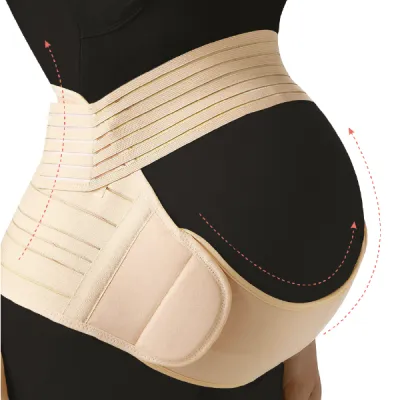
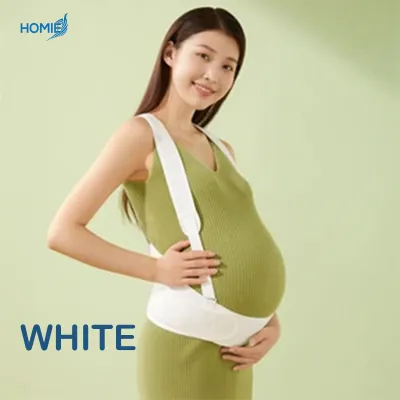
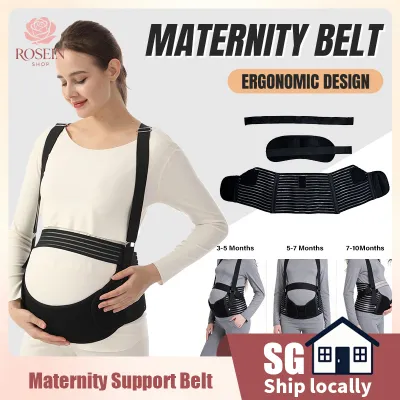
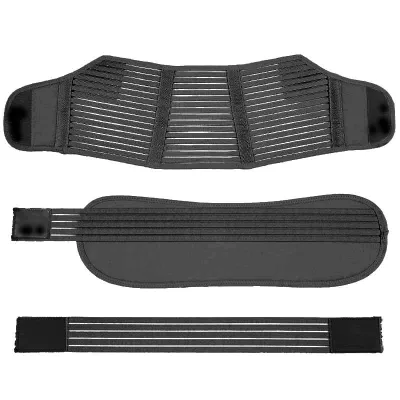
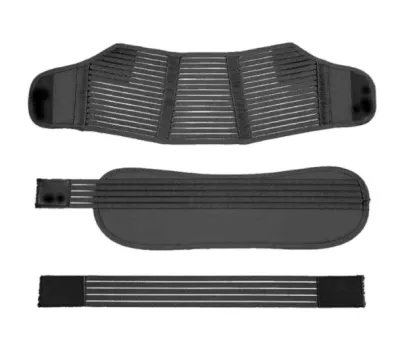
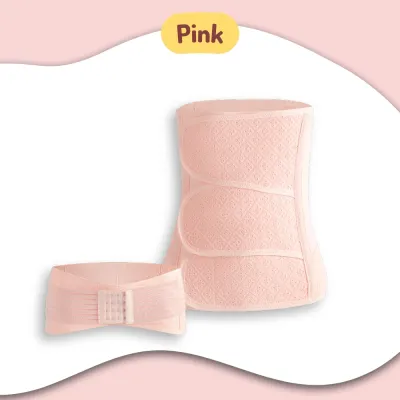
Prices are valid at publication and may change. Please refer to the product page for the latest price.
Simultaneously, your body releases a hormone called relaxin, which softens and loosens the ligaments surrounding your pelvis to prepare your body for childbirth. While this hormonal change is necessary, it can lead to joint instability, particularly in the sacroiliac joints at the back of the pelvis and the symphysis pubis joint at the front. This instability often manifests as sharp, localized pain during simple movements like walking, climbing stairs, or rolling over in bed.
A belly support belt acts as an external stabilizer to counteract these physical pressures. By gently lifting the lower abdomen, the belt redistributes the weight of the baby bump more evenly across your lower back, hips, and pelvis. This upward lift reduces the downward pull on your abdominal wall, which immediately relieves the constant tension on your lower back muscles and helps restore a more neutral spinal alignment.
It is important to maintain realistic expectations regarding what a support belt can achieve. These garments are designed to manage symptoms, improve comfort, and support daily mobility; they do not cure the underlying musculoskeletal or hormonal changes of pregnancy. They serve as a temporary, mechanical aid to help you stay active and comfortable, rather than a permanent medical solution.
Because every pregnant body is unique, the effectiveness of a support belt varies from person to person. A mother experiencing generalized muscular lower back fatigue will require a different support dynamic than someone dealing with sharp, localized pelvic girdle pain. Understanding your specific symptoms is the first step in choosing a belt that provides the correct type and level of stabilization.
Essential Features for Effective Back Pain Relief
When evaluating different brands, it is helpful to look past marketing claims and focus on the physical design and construction of the belt. The right features will ensure the belt remains comfortable, secure, and effective throughout your second and third trimesters.

Adjustability and Fit
Your body changes shape and size week by week, meaning a fixed-size band will quickly become either too tight or completely ineffective. Look for belts that offer dual-strap adjustment systems or modular components that can be resized as your bump grows. High-quality Velcro fasteners allow you to fine-tune the tension throughout the day, ensuring the belt cradles the underside of your bump securely without riding up or slipping down when you transition from standing to sitting.
Material and Breathability
In Singapore’s year-round high humidity and warmth, fabric choice is a critical factor for daily comfort. Heavy, non-porous fabrics trap body heat and sweat against your skin, which can quickly lead to painful heat rashes, chafing, and general discomfort. Prioritize belts constructed from lightweight, open-weave elastics, breathable mesh panels, or moisture-wicking fabrics like bamboo-derived viscose. These materials facilitate airflow and keep your skin cool, making the belt much easier to wear during outdoor walks or daily commutes.
Support Level
Support belts generally fall into three categories: mild, moderate, and high support. Mild support is typically provided by seamless, pull-on maternity bands that offer gentle abdominal compression and are best for light activities or early pregnancy comfort. Moderate support is achieved through adjustable elastic bands that cradle the lower bump and provide light lumbar reinforcement. High support is reserved for belts with rigid structures, such as built-in plastic or metal stays, or wide, padded lumbar panels designed to firmly stabilize the lower spine and pelvis.
Ease of Use
During the later stages of pregnancy, bending over or reaching behind your back to secure a complicated harness can be incredibly difficult. A practical support belt should feature an intuitive, front-fastening design that you can put on, adjust, and remove independently without needing assistance. Avoid overly complex wrap-around systems that require twisting or straining, as these can aggravate existing back pain during the fitting process.
Popular Belly Support Belt Brands in Singapore Compared
To help you navigate the local market, it is useful to categorize the available options into three main types based on their design focus, materials, and clinical purpose. These options can be found across local maternity boutiques, pharmacy chains, and official online marketplaces in Singapore.
Premium Global Maternity Brands
Premium international maternity brands focus heavily on ergonomic engineering and high-quality materials. These brands are widely available in Singapore through specialized maternity boutiques, department stores, and official brand websites. They are designed to distribute the weight of the baby bump across the hips and upper back, minimizing localized pressure points on the lumbar spine.
These belts often feature multi-part modular designs, consisting of a supportive lower abdominal band, a reinforced back panel, and an optional upper strap to secure the top of the bump. They typically utilize high-grade, breathable fabrics such as organic cotton or specialized, long-lasting elastics that maintain their shape and tension after multiple washes.
While highly effective, premium brands carry a higher price point, typically ranging from S$60 to S$120 or more. Because of their structured, multi-strap designs, precise sizing is essential to ensure the support panels align correctly with your anatomy. It is also important to purchase these brands through authorized local retailers to verify product authenticity and avoid low-quality counterfeits that lack proper structural support.
Accessible Pharmacy and Local Brands
For mothers seeking a straightforward, budget-friendly option, accessible brands found in major Singapore health and beauty pharmacies, department stores, and online marketplaces are an excellent choice. These brands generally focus on providing basic, reliable abdominal lift and light lower back support.
These belts typically feature a single-band elastic design with a simple Velcro closure. They are highly convenient to purchase on short notice and are generally priced between S$20 and S$50, making them an accessible option for temporary or occasional use.
However, these basic designs may use thicker, less breathable elastic materials that can feel warm and restrictive during outdoor activities in Singapore’s humid climate. They also tend to have fewer adjustment points, which can cause the band to roll up or shift position during extended walking. If you choose an accessible pharmacy brand, be sure to check the material composition and care labels to ensure the fabric is gentle on sensitive skin.
Medical-Grade and Orthopedic Options
Medical-grade support belts and orthopedic pelvic binders are highly structured systems designed specifically for severe pregnancy-related conditions, such as pelvic girdle pain (PGP) or Symphysis Pubis Dysfunction (SPD). These are typically sourced from medical supply stores or distributed directly through physical therapy clinics in Singapore.
Rather than focusing on general comfort, these belts prioritize rigid joint stabilization. They often utilize non-elastic, heavy-duty materials or reinforced tension straps to firmly lock the pelvic bones into place, alongside rigid lumbar inserts to prevent excessive spinal movement.
Because these belts exert significant, targeted pressure on the pelvis, they are not intended for general, casual use. They require precise fitting and should only be used under the direct guidance of a qualified women’s health physiotherapist or obstetrician. Using a medical-grade belt incorrectly can compress nerves or restrict blood flow, making professional advice essential before purchase.
How to Properly Fit and Wear Your Support Belt
Using your maternity support belt correctly is vital to ensure you receive the maximum pain relief benefits without causing discomfort or injury. Proper fitting technique and mindful usage help protect both your body and your baby.
To fit your belt safely and effectively, follow these recommended guidelines:
- Apply while seated or lying down: To achieve the best weight distribution, secure the belt while sitting upright or lying flat on your back. Lying down allows your abdominal contents and the baby bump to settle naturally backward, reducing pressure on your lower pelvis before you fasten the straps.
- Position low under the bump: The front of the belt must sit low, cradling the very underside of your belly bump like a hammock. The back of the belt should wrap snugly across your lower back and hips. Never position the belt directly across the middle or top of your uterus, as this can compress the abdomen and cause discomfort.
- Perform a tension check: Adjust the straps so you feel a firm, supportive lift, but not a tight, restrictive squeeze. You should be able to slide two fingers flat between the belt and your skin comfortably. If the belt leaves deep indentations on your skin, it is too tight.
- Limit your daily wear time: Wear the belt for no more than 2 to 3 hours at a time, focusing on periods of physical activity like walking, standing, or doing household chores. Avoid wearing the belt continuously throughout the day. Overusing a support belt can cause your core abdominal and back muscles to rely on the external support, which can lead to muscle weakness over time.
- Check manufacturer instructions: Always review the specific care and usage documentation provided by the manufacturer of your belt, as designs and materials vary.
Safety Limits: When to Stop and Consult a Doctor
While belly support belts are excellent tools for managing pregnancy discomfort, they are not suitable for every situation. It is essential to recognize the physical warning signs that indicate the belt should be removed immediately.
Stop using the support belt and seek prompt medical advice if you experience any of the following symptoms:
- A sudden or significant increase in back, pelvic, or abdominal pain
- Numbness, tingling, or a pins-and-needles sensation in your legs, hips, or groin area
- Uterine contractions or cramping
- Skin irritation, severe itching, or rashes under the band
- Any perceived reduction or change in your baby's movements
Remember that a support belt is a temporary, symptomatic aid and does not replace comprehensive prenatal care, targeted physical therapy, or core-strengthening exercises. Always consult your obstetrician or a specialized women’s health physiotherapist before starting to use a support belt, especially if you have a high-risk pregnancy, a history of circulatory issues, or severe, debilitating pelvic pain.
Frequently Asked Questions (FAQ)
Can I wear a belly support belt while sleeping?
No, it is generally not recommended to wear a maternity support belt while sleeping. When you are lying down, gravity is no longer pulling your baby bump downward, which eliminates the primary mechanical need for an abdominal lift. Furthermore, wearing a compression band while asleep increases the risk of restricted blood circulation, localized skin irritation, and digestive issues like acid reflux. If you experience severe back or pelvic pain at night, consult your doctor or a physiotherapist, and consider using specialized pregnancy body pillows designed to support your bump and align your hips while resting. Always check your specific belt’s manufacturer guidelines for safety instructions.
When is the best time to start wearing a maternity support belt?
Most women find that the second trimester—typically between 16 and 20 weeks—is the ideal time to start wearing a support belt. This is the period when the baby bump begins to grow rapidly, shifting your center of gravity and increasing the strain on your lower back and pelvic ligaments. However, some mothers who experience early pelvic instability or who have had multiple pregnancies may benefit from light support earlier. The exact timing should always be based on your individual comfort, the severity of your symptoms, and a physical assessment by your healthcare provider.
Community discussion
Share your experience or ask a question. Comments are reviewed before publication.