
Finding the right baby wipes is a daily priority for parents in Singapore, where the warm, humid climate can exacerbate skin fold irritation and diaper rash. When dealing with frequent diaper changes, standard-sized wipes often fall short, leading to multiple sheets used per change and accidental contact with messes. Opting for large wet wipes with safe, clean ingredients addresses both practical efficiency and skin health. By selecting wipes with generous dimensions and a minimalist, non-irritating formula, caregivers can ensure thorough cleaning while protecting the delicate skin barrier of their infants.
Evaluating these products requires a systematic approach that looks past front-of-pack marketing claims. Parents must understand the physical specifications of the wipe fabric, identify potential chemical irritants on the ingredient list, and know how to verify third-party safety certifications. This guide provides a comprehensive framework to help you build a reliable shortlist of high-quality, large baby wipes available in Singapore, ensuring your choice is both cost-effective and gentle on sensitive skin.
Why Size and Ingredients Matter for Sensitive Skin
During a typical diaper change, the physical size of a wet wipe directly impacts how efficiently and hygienically a caregiver can clean a baby. Larger wipes provide a greater surface area, allowing for multiple folds during a single wipe cycle. This design significantly reduces the number of wipes required per change, which not only minimizes waste but also keeps the caregiver’s hands safely insulated from bodily fluids. When a wipe is too small, parents often find themselves layering multiple sheets, which increases overall consumption and raises the risk of accidental contamination.
Products mentioned in this guide
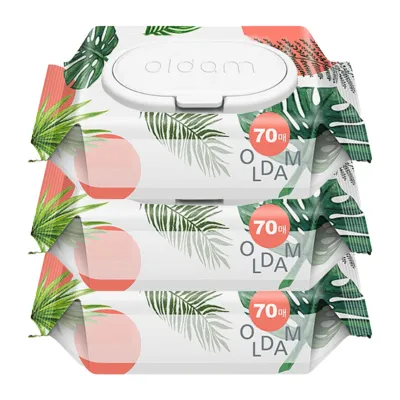
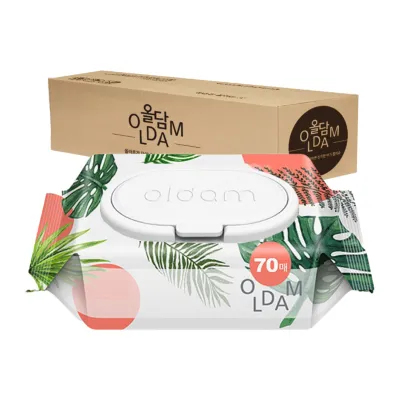
Prices are valid at publication and may change. Please refer to the product page for the latest price.
Beyond physical convenience, the chemical composition of the wipe solution is critical because infant skin is structurally different from adult skin. A newborn’s skin barrier is up to thirty percent thinner, making it highly susceptible to friction, moisture loss, and chemical absorption. Prolonged exposure to harsh preservatives, synthetic fragrances, or alcohol can disrupt the delicate acid mantle, leading to contact dermatitis, redness, and painful diaper rash. In Singapore’s humid weather, trapped moisture in diaper areas can further sensitize the skin, making a clean, non-irritating formulation essential.
The physical thickness of the wipe, often measured in fabric weight, also plays a vital role in moisture retention. Thicker wipes hold a more consistent level of liquid throughout the pack, ensuring that the wipe remains sufficiently damp to lift waste without requiring excessive rubbing. When a wipe lacks thickness, caregivers tend to apply more physical pressure to clean the skin, which creates mechanical friction. This friction can micro-tear the fragile outer layer of the skin, opening pathways for bacteria and chemical irritants to penetrate and cause inflammation.
Key Criteria for Selecting Large Baby Wipes
When comparing large wet wipes, physical dimensions and fabric weight are the primary specifications to evaluate. Standard baby wipes typically measure around 15 by 20 centimeters, whereas large or extra-large variants often extend to 18 by 20 centimeters or even 20 by 20 centimeters. Along with length and width, look for the fabric weight, which is expressed in grams per square meter (GSM). A high-quality large wipe generally features a fabric weight between 55 GSM and 80 GSM. Wipes within this range offer excellent tensile strength, meaning they stretch and wipe without tearing or allowing moisture to seep through to your hands.

The texture of the wipe fabric is another crucial factor that determines cleaning efficiency. Smooth, flat wipes can sometimes slide over messes rather than lifting them, requiring more passes over sensitive skin. In contrast, wipes with 3D embossing, honeycomb patterns, or cross-woven textures physically trap and lift solid waste with minimal friction. This textured surface area allows caregivers to clean thoroughly in fewer strokes, which is highly beneficial for minimizing skin irritation during frequent diaper changes.
Additionally, the moisture-to-dry ratio and the packaging’s dispensing mechanism affect daily usability. A high-quality pack of wipes should distribute moisture evenly from the top sheet to the very bottom. If the formulation is poorly stabilized or the packaging seal is weak, the top wipes will dry out while the bottom wipes become oversaturated. Look for packaging equipped with a rigid plastic flip-top lid and a secure inner sticker seal. This double-barrier system prevents evaporation and ensures single-wipe dispensing, which stops multiple wipes from clinging together and pulling out in an inconvenient chain.
Ingredient Checklist: What to Look For and Avoid
Reading the ingredient list on the back of the packaging is the most reliable way to assess the safety of large wet wipes. The primary ingredient should always be highly purified water, which typically makes up 97% to 99% of the wet formulation. Manufacturers often use multi-stage purification processes, such as reverse osmosis (RO) or electrodeionization (EDI), to remove minerals, bacteria, and impurities. Alongside water, safe formulations frequently include mild, plant-derived skin conditioners like aloe vera leaf extract, chamomile extract, or calendula, which help soothe the skin and maintain its natural moisture barrier.
Conversely, caregivers should actively avoid several common irritants and harsh preservatives that are frequently linked to skin sensitization. Alcohol, specifically ethanol or isopropyl alcohol, should never be present, as it strips natural lipids and severely dries out infant skin. Synthetic fragrances and artificial perfumes are also major triggers for allergic contact dermatitis and should be avoided in favor of fragrance-free options. Furthermore, ensure the wipes are free from parabens, phthalates, and controversial preservatives like methylisothiazolinone (MIT) and methylchloroisothiazolinone (CMIT), which have been heavily restricted in leave-on cosmetic products due to their high allergenicity.
The pH level of the wipe solution is another critical factor to verify on the product label. Healthy infant skin has a slightly acidic pH, typically ranging between 5.5 and 6.0, which forms a protective barrier known as the acid mantle. Using wipes that are highly alkaline can disrupt this natural acidity, making the skin more vulnerable to bacterial growth and enzyme irritation from urine and stool. Opt for products that explicitly state they are pH-balanced or formulated to match the natural pH of healthy baby skin to support the barrier’s integrity.
How to Verify Safety Claims and Certifications
Front-of-pack marketing terms like “natural,” “organic,” or “hypoallergenic” are often used loosely by manufacturers because they lack strict, universally enforced legal definitions. To ensure a product is truly safe for sensitive skin, look for independent, third-party certifications printed on the packaging. For example, a “Dermatest Excellent” seal indicates that the product has undergone rigorous dermatological testing on human subjects and shown no signs of irritation. Other reputable certifications include the OEKO-TEX Standard 100, which guarantees the fabric is free from harmful levels of toxic substances, and EWG Verified status, which confirms the ingredients meet strict safety standards.
It is also beneficial to understand the limits of these certifications and what they actually verify. A “biodegradable” certification, such as those from the Forest Stewardship Council (FSC), indicates that the wipe fibers are sourced from responsibly managed forests and will break down naturally over time. While this is excellent for environmental sustainability, it does not automatically guarantee that the liquid solution infused into the wipe is free from skin irritants. Therefore, parents must evaluate both the fabric’s material certifications and the chemical safety of the liquid formulation separately.
Finally, parents in Singapore should establish a habit of checking safety alerts and product recall histories from local regulatory bodies. The Health Sciences Authority (HSA) monitors cosmetic products and medical devices sold locally, issuing public advisories if a batch of baby wipes is found to contain unauthorized ingredients, bacterial contamination, or excessive levels of restricted preservatives. Before purchasing a new brand in bulk, a quick search of the HSA database or reputable consumer safety portals can confirm whether the product has a clean safety record.
Building Your Shortlist: Purchasing and Final Checks
Once you have identified several brands that meet your physical and ingredient standards, the next step is to compare value and purchase options in Singapore. Because baby wipes are a recurring daily expense, calculating the cost per wipe is the most accurate way to compare prices across different pack sizes and brands. You can find this by dividing the total price of the pack or carton in S$ by the total number of individual wipes. Keep in mind that larger, thicker wipes with premium ingredients will naturally carry a higher unit cost, but their superior cleaning efficiency often means you use fewer wipes overall, balancing out the long-term expense.
When purchasing wipes from local supermarkets, pharmacies, or online marketplaces, always inspect the physical integrity of the packaging upon delivery. A compromised seal or a cracked plastic lid can allow airborne bacteria to enter the pack, leading to mold growth or contamination of the moist wipes. Additionally, check the manufacturing and expiration dates printed on the outer packaging. Most unopened baby wipes have a shelf life of two to three years, but once opened, they should ideally be consumed within three to six months to ensure the preservative system remains effective and the wipes do not dry out.
Before integrating a new brand of large wet wipes into your daily diapering routine, it is highly recommended to perform a localized patch test on your baby. Apply a single wipe gently to a small, clean area of your baby’s skin, such as the inner forearm or the upper thigh, and wait 24 to 48 hours. Monitor the area closely for any signs of redness, swelling, tiny bumps, or dryness. If no reaction occurs, the product is generally safe to use for full-body cleaning and diaper changes, giving you peace of mind that the formulation is compatible with your child’s unique skin chemistry.
Frequently Asked Questions (FAQ)
Can I use large baby wipes for cleaning surfaces or toys?
While large baby wipes are incredibly convenient, they are formulated specifically for human skin and are not designed to sanitize or disinfect household surfaces. The mild surfactants and moisturizing agents in baby wipes do not kill household bacteria or viruses, and they can leave behind a thin, sticky residue on toys. If an infant puts a wiped toy directly into their mouth, they may ingest these cosmetic ingredients. For toys and high chairs, it is safer to use dedicated food-grade surface wipes, a mild soap-and-water solution, or a steam sterilizer, reserving baby wipes strictly for skin contact.
How should I store large wipes to prevent them from drying out?
To maintain the moisture level and structural integrity of your large wet wipes, store unopened packs in a cool, dry place away from direct sunlight and heat sources, such as windows or appliances. In Singapore’s tropical climate, excessive heat can accelerate the breakdown of mild preservatives and cause the liquid solution to pool at the bottom of the pack. For opened packs, always press the resealable sticker firmly and snap the plastic lid shut immediately after extracting a wipe. Storing the pack upside down when not in use can also help redistribute the liquid evenly to the top sheets.
Are water-based wipes sufficient for heavy messes?
Yes, high-quality water-based wipes are highly effective for cleaning heavy diaper messes, provided they have sufficient thickness and a textured surface. The physical friction of a textured, high-GSM wipe is what physically lifts and removes solid waste, while the purified water content dilutes and cleanses the skin. However, during severe diaper blowouts or when dealing with dried-on waste, avoid aggressive scrubbing, which can damage the skin barrier. In these situations, it is best to gently pat the area with a highly moist wipe or transition to a warm water rinse in the bath, followed by a gentle, soap-free baby cleanser.

Community discussion
Share your experience or ask a question. Comments are reviewed before publication.