
When searching for a safe baby washing liquid in Singapore, many parents look for an official “HSA certified” stamp or approval number on the packaging. However, the Health Sciences Authority (HSA) does not issue individual safety certificates or approval badges for standard baby bath products. Instead, baby body washes and shampoos are regulated as cosmetic products under a notification and post-market surveillance system. This means that while manufacturers and importers must notify the HSA before selling these products, the presence of a product on store shelves does not mean it has undergone pre-market laboratory testing or direct endorsement by the authority.
To ensure your infant’s safety, you must take an active role in verifying product compliance. This involves checking for mandatory cosmetic labeling, purchasing exclusively from authorized and reputable retailers, and understanding how to read ingredient lists. By learning how the regulatory framework operates and what specific safety checks to perform, you can confidently select a gentle, compliant baby washing liquid that protects your child’s delicate skin.
Understanding HSA Regulations for Baby Bath Products
In Singapore, all cosmetic products, including baby washing liquid, are regulated under the ASEAN Cosmetic Directive (ACD). This regional framework is designed to harmonize safety standards across member states, ensuring that cosmetic products do not cause damage to human health when applied under normal or reasonably foreseeable conditions of use. Under this directive, the HSA requires local importers and manufacturers to submit a product notification before placing any cosmetic item on the market. This notification process is not an approval system; rather, it serves to register the product’s existence, its responsible agent in Singapore, and its ingredient profile so that the HSA can track and manage safety issues if they arise.
Products mentioned in this guide
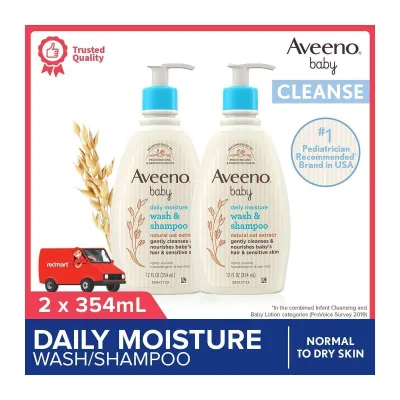
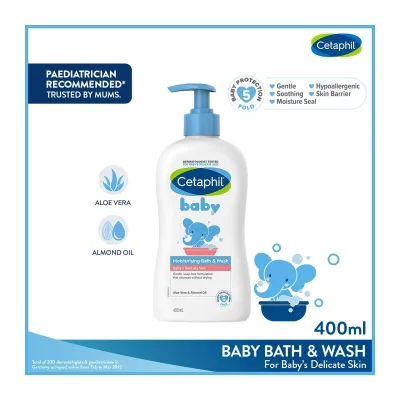
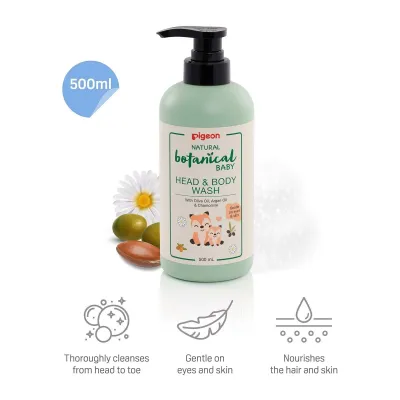
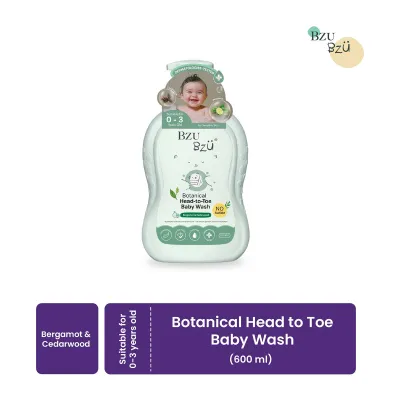
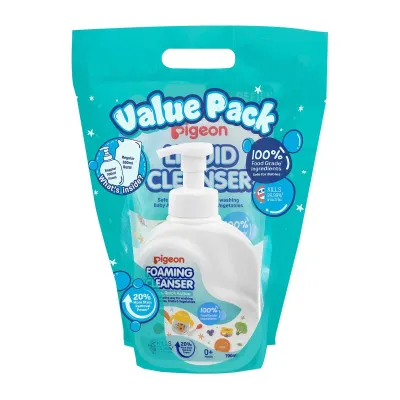
Prices are valid at publication and may change. Please refer to the product page for the latest price.
Because there is no pre-market approval stamp, parents must rely on mandatory labeling requirements to verify compliance. According to HSA guidelines, every baby wash sold in Singapore must display specific information on its outer packaging or immediate container. This includes the full ingredient list written in International Nomenclature of Cosmetic Ingredients (INCI) names, the name and address of the manufacturer or local importer, the batch number for traceability, and either an expiry date or a period-after-opening (PAO) symbol (which looks like an open jar with a number of months, such as “12M”). If you encounter a product that lacks these details, or if the labeling is entirely in a foreign language without an English translation sticker, it may be an unregistered or illegally imported item.
Buying unregistered or counterfeit baby bath products poses significant risks. These items bypass the mandatory notification system, meaning they may contain prohibited substances, incorrect ingredient concentrations, or harmful contaminants. Illegally imported parallel imports might also have been stored in poor conditions, such as high-heat warehouses, which can degrade the preservatives and lead to bacterial contamination. To safeguard your baby, always inspect the physical packaging for clear, English-language labeling and trace the importer details back to an established local entity.
Furthermore, the HSA maintains safety through post-market surveillance. This means the authority monitors reports of adverse reactions, conducts random product sampling from retail shelves, and issues public alerts or recalls if a product is found to contain undeclared harmful substances or bacterial contamination. Because this system relies on post-market checks, parents should remain vigilant and report any unusual skin reactions to the retailer, importer, or medical professionals, who can then flag the issue to the authorities.
Key Safety Criteria Beyond Regulatory Compliance
While regulatory compliance ensures that a baby washing liquid does not contain banned substances, it does not guarantee that a specific formula is suitable for your baby’s unique skin type. A baby’s skin is significantly thinner, more permeable, and less capable of retaining moisture than adult skin. Therefore, you must look beyond the regulatory baseline and evaluate the dermatological formulation of the product.

One of the most critical factors to consider is the pH level of the wash. Healthy human skin has a slightly acidic surface, often referred to as the acid mantle, which typically maintains a pH of around 5.5. This acidic environment is crucial for maintaining the skin barrier and defending against harmful bacteria. Using highly alkaline soaps can disrupt this barrier, leading to dryness, irritation, and increased susceptibility to conditions like eczema. When selecting a baby washing liquid, prioritize formulas that are explicitly labeled as pH-balanced or formulated to match the natural acidity of healthy skin.
Additionally, parents should carefully scrutinize the ingredient list to avoid common irritants. Harsh surfactants, such as Sodium Lauryl Sulfate (SLS) and Sodium Laureth Sulfate (SLES), are commonly used in adult cleansers to create a rich lather, but they can strip away natural lipids from a baby’s skin. Look for milder, plant-derived cleansing agents instead. Parabens, which are used as preservatives, and synthetic fragrances are also frequent triggers for contact dermatitis. While essential oils are often marketed as natural alternatives, they contain complex organic compounds that can be highly sensitizing to an infant’s developing immune system.
Preservatives are another essential component to evaluate. Because baby washes are water-based and kept in warm, humid bathroom environments, they require preservatives to prevent the growth of harmful mold and bacteria. However, some preservatives are gentler than others. Parents should look for products that use mild, food-grade preservatives or those specifically formulated for sensitive skin, while avoiding formaldehyde-releasing preservatives which can cause cumulative skin irritation over time.
Understanding marketing terminology is equally important, as these terms are not always strictly defined by regulatory bodies. For instance, “hypoallergenic” simply means the product is formulated with ingredients that are less likely to cause allergic reactions, but it does not guarantee an absolute absence of risk. “Dermatologically tested” indicates that the product was evaluated on human skin under the supervision of a dermatologist, but it does not specify the testing methodology or the results. Furthermore, there is a distinct difference between “fragrance-free” and “unscented.” A fragrance-free product contains no added fragrance chemicals, whereas an unscented product may contain masking agents designed to neutralize the natural smell of the raw ingredients, potentially introducing hidden allergens.
How to Build Your Safe Baby Wash Shortlist
Selecting the right baby washing liquid requires a systematic approach to filter out non-compliant or unsuitable products. By establishing a clear evaluation process, you can minimize the risk of skin irritation and ensure you are purchasing authentic, high-quality formulations.
Step 1: Verify the Retailer Always purchase baby bath products from established, reputable sources. Prioritize official brand stores on major ecommerce platforms, well-known local pharmacies, and major supermarket chains in Singapore. These retailers have robust supply chains and strict quality control measures, ensuring that the products they stock are properly notified with the HSA and stored in temperature-controlled environments. Avoid buying from unauthorized third-party sellers on online marketplaces, especially those offering prices that seem unusually low, as these are common channels for counterfeit or expired goods.
Step 2: Read the Ingredient Label Thoroughly Before purchasing, examine the physical bottle or the detailed product description online. Check the ingredient list for any substances your baby may be sensitive to, and verify that the product contains a clear list of ingredients using standard INCI names. Ensure that the local importer’s details are printed on the label, which provides a point of contact in Singapore should you need to report an adverse reaction or verify compliance.
Step 3: Perform a Standard Patch Test Even if a product is fully compliant and formulated with gentle ingredients, individual skin sensitivities can still occur. Before using a new baby washing liquid for a full bath, perform a simple patch test. Apply a tiny amount of the diluted wash to a small, clean area of your baby’s skin, such as the inner forearm or the side of the neck. Leave it on for the duration of a normal bath, then rinse it off gently with lukewarm water. Observe the area over the next 24 to 48 hours. If you notice any redness, swelling, itching, or bumps, do not proceed with using the product.
To help you organize your options, you can use the following evaluation matrix to compare different baby washing liquids during your research:
| Product Dimension | What to Look For | Why It Matters |
|---|---|---|
| pH Level | Labeled as pH-balanced or close to pH 5.5 | Protects the natural acid mantle and skin barrier |
| Fragrance Status | Preferably fragrance-free rather than unscented | Minimizes the risk of contact allergies and irritation |
| Surfactant Type | Mild, plant-derived cleansers (e.g., coco-glucoside) | Cleanses gently without stripping essential skin lipids |
| Packaging Details | Clear batch number, expiry date, and importer info | Ensures product traceability and regulatory compliance |
Frequently Asked Questions (FAQ)
Do I need to check an HSA registration number for baby body wash?
No, you do not need to look for an HSA registration number. Standard baby body washes, shampoos, and bubble baths are classified as cosmetic products under Singapore regulations. Unlike therapeutic products, medicines, or medical devices, cosmetics do not receive an individual registration or approval number from the HSA. Instead, they undergo a notification process. Compliance is verified by checking that the product is sold by a reputable retailer, features complete English labeling, lists a local importer or manufacturer, and includes a batch number and expiry date.
What should I do if my baby reacts to a compliant baby wash?
If your baby experiences an adverse reaction, such as redness, hives, swelling, or dry patches, stop using the product immediately. Gently rinse the affected area with clean, lukewarm water to remove any remaining residue, and avoid applying any other scented lotions or creams. Monitor the skin closely. If the reaction is severe, covers a large portion of the body, or does not improve within a couple of days, consult a pediatrician or a qualified dermatologist. Keep the product packaging handy so you can show the medical professional the exact ingredient list.
Community discussion
Share your experience or ask a question. Comments are reviewed before publication.