
When looking for trusted elbow pad brands for kids in Singapore, parents must look beyond marketing claims and focus on structural design, material safety, and physical fit. The right choice depends heavily on your child’s developmental stage and the activities they enjoy. A toddler learning to crawl or walk on tiled living room floors requires very different protection compared to an older child learning to ride a bicycle, scooter, or skateboard along park connectors. Rather than relying on a single brand name, the most reliable approach is to evaluate protective gear based on its impact absorption, fabric breathability for Singapore’s humid climate, and verifiable safety standards.
Selecting protective gear is a critical step in supporting your child’s physical development. While minor bumps and scrapes are a natural part of growing up, protecting vulnerable joints like the elbows can prevent more painful injuries and build your child’s confidence as they explore new physical skills. By understanding what makes a brand trustworthy, you can make an informed decision that balances safety, comfort, and durability.
Core Standards for Choosing a Trusted Elbow Pad Brand
To judge whether an elbow pad brand prioritizes child safety, you must first evaluate the quality of its impact absorption materials. High-quality brands typically use high-density Ethylene-Vinyl Acetate (EVA) foam or specialized gel inserts. EVA foam is highly regarded for its stress-crack resistance and ability to absorb sudden impacts without bottoming out. When inspecting a pad, parents can perform a simple manual check: press your thumb firmly into the center of the padding. A trusted brand’s padding will offer firm resistance and spring back to its original shape immediately. If the foam feels hollow, collapses easily under light pressure, or remains indented, it will not provide adequate protection during a fall.
Products mentioned in this guide
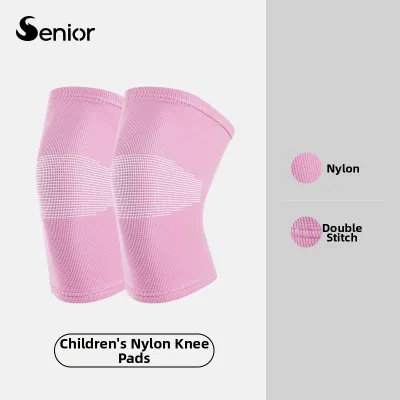
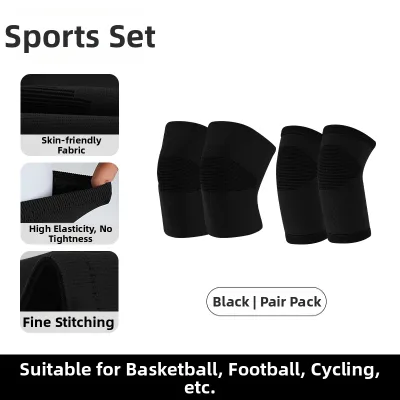
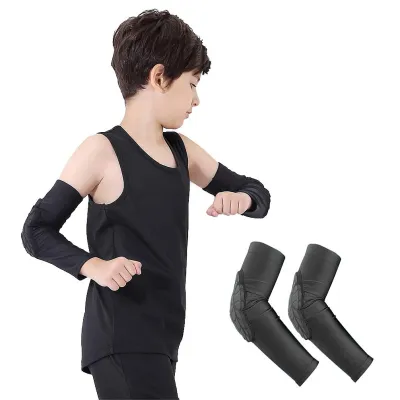
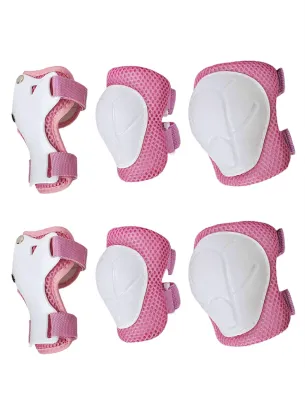

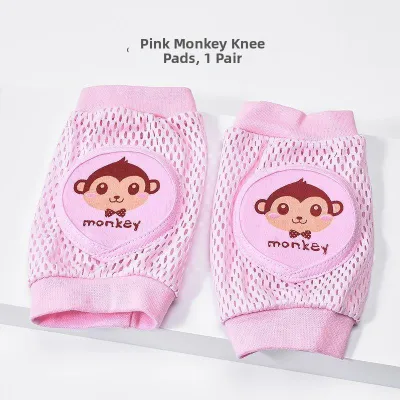
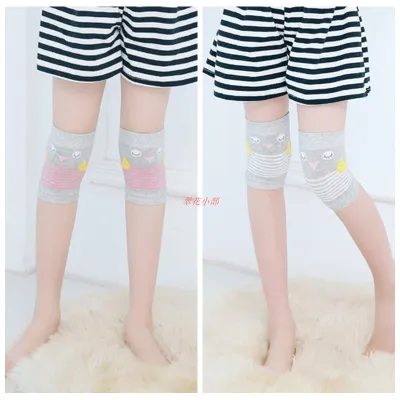
Prices are valid at publication and may change. Please refer to the product page for the latest price.
Singapore’s tropical climate, characterized by high temperatures and relative humidity that frequently exceeds 80 percent, makes fabric selection a critical safety factor. Trapped sweat under non-breathable materials can quickly lead to heat rash, friction burns, or contact dermatitis, which often discourages children from wearing their gear. Trusted brands address this by utilizing moisture-wicking liners, perforated neoprene, or open-mesh backings that allow heat to escape. When evaluating a brand, look for fabrics that feel soft against the skin and feature visible ventilation holes or lightweight mesh panels designed to keep active limbs cool.
Furthermore, the structural design of the straps and edge finishing determines whether the pads will stay in place during a fall. Look for wide, adjustable elastic straps equipped with secure hook-and-loop fasteners that allow for micro-adjustments as your child grows. The edges of the pads should feature soft, double-stitched piping or fabric borders. Rough, unhemmed edges or stiff nylon threads can chafe the delicate skin in the elbow crease, while poorly designed straps can slip down or, conversely, be pulled so tight that they restrict blood flow. A well-designed pad secures firmly above and below the joint without requiring excessive tightening.
Navigating Brand Categories: Sports vs. Everyday Baby Brands
Understanding the distinction between brand categories helps you match the protective gear to your child’s specific activity level and age group. Professional sports and cycling brands are engineered specifically for high-velocity, high-impact activities. These brands design elbow pads with a hard outer shell—often made of Acrylonitrile Butadiene Styrene (ABS) plastic or heavy-duty polyethylene—riveted over thick internal foam. This hard-shell design is crucial for older children engaging in wheeled sports like cycling, inline skating, or skateboarding, as it allows the child to slide along the concrete during a fall, dispersing the kinetic energy away from the joint. These brands subject their products to rigorous mechanical testing to ensure they can withstand repeated impacts.

In contrast, comprehensive mother and baby brands focus on lightweight, soft, and highly flexible protection. These products are tailored for infants and toddlers who are reaching early milestones like crawling, cruising, or taking their first steps. Instead of hard plastic shells, which can hinder natural movement and balance, these brands utilize soft fabric sleeves with integrated silicone pads or thin, flexible foam layers. The primary goal here is to protect sensitive skin from carpet burns, friction, and minor bumps on hard indoor flooring. These pads prioritize maximum flexibility and skin comfort over high-impact resistance.
When shopping online, parents will also encounter budget-friendly or generic unbranded options. While the low price point can be tempting, these products often carry significant red flags. Generic brands frequently lack clear material sourcing, fail to provide detailed product descriptions, and omit safety labels entirely. Upon unboxing, these products may emit a strong, unpleasant chemical or petroleum smell, indicating the use of cheap plasticizers or toxic dyes. Additionally, their thin, single-stitch seams are prone to unraveling after a few uses, and the low-grade foam inside can degrade rapidly, leaving your child unprotected. Investing in a reputable brand ensures the materials used are safe for prolonged skin contact and structurally sound.
Verifying Safety Labels and Material Claims
Parents should not rely solely on marketing copy or influencer endorsements to determine if a brand is safe. Instead, look for independent, third-party verification of safety and material claims. The most reliable indicator of physical safety is the presence of international safety standard marks on the packaging or official product listings. For protective gear used in roller sports, cycling, and skateboarding, look for the European CE marking, specifically standard EN 14120, which regulates the ergonomics, safety, comfort, and impact performance of protective clothing. Alternatively, look for compliance with American ASTM standards. These marks indicate that the product has undergone standardized laboratory testing to verify its protective capabilities.
Because elbow pads sit directly against your child’s skin, chemical safety is just as important as physical protection. Trusted brands will explicitly state that their materials are non-toxic, BPA-free, and hypoallergenic. Look for certifications such as the OEKO-TEX Standard 100, which guarantees that every component of the fabric—from the threads to the dyes and accessories—has been tested for harmful substances. If a brand claims to use organic or hypoallergenic materials, they should be able to back this up with a verifiable certification number or a clear reference to international chemical safety regulations on their official website.
If you encounter a brand that makes bold safety, medical, or injury-prevention claims but provides no verifiable testing documentation, treat this as a major warning sign. Phrases like “100% injury-proof” or “pediatrician-approved” are often used loosely in marketing. To verify these claims, visit the manufacturer’s official website to look for downloadable compliance certificates, user manuals, or technical specification sheets. If this information is missing, contact their customer support directly to ask for their safety compliance documents. A reputable manufacturer will readily provide this information, whereas a substandard brand will typically ignore the request or offer vague reassurances.
Ensuring the Right Fit and Comfort for Active Kids
Even the most expensive, highly certified elbow pad will fail to protect your child if it does not fit correctly. To ensure a proper fit, never rely on general age brackets listed on packaging, as children’s physical development and arm sizes vary widely. Instead, use a flexible tailor’s measuring tape to measure your child’s arm circumference. Measure around the elbow joint in two places: approximately five centimeters above the elbow crease and five centimeters below it, with the arm held in a relaxed, slightly bent position. Cross-reference these exact measurements with the brand’s specific sizing chart to select the correct size.
Once the elbow pads arrive, conduct a physical flexibility check before allowing your child to play outdoors. Have your child put on the pads and perform a full range of motion: ask them to bend their elbow completely to touch their shoulder, and then extend their arm fully straight. The pad should remain centered over the elbow joint throughout the entire movement without sliding down or shifting to the side. Additionally, check the inner elbow crease to ensure the fabric does not bunch up uncomfortably or pinch the skin, which can cause painful chafing during active play.
Finally, conduct a short trial wear period indoors. Let your child wear the elbow pads around the house for 10 to 15 minutes while engaged in light activity. Afterward, remove the pads and carefully inspect their skin. Look for deep red indentations, skin irritation, or excessive localized sweating. While mild, temporary redness from the elastic tension is normal and should fade within a few minutes, deep, painful marks indicate that the straps are adjusted too tightly or that the pad itself is too small. If the skin is soaking wet with sweat after a short indoor trial, the fabric lacks the necessary breathability for Singapore’s outdoor climate, and you may need to consider a different brand.
Reliable Purchasing Channels in Singapore
To avoid counterfeit, expired, or substandard protective gear, it is essential to purchase elbow pads through authorized and reliable retail channels. When shopping on major e-commerce platforms, always look for the platform’s verified “official” or “mall” badge on the seller’s profile. These badges indicate that the storefront is operated directly by the brand owner or an authorized distributor, ensuring that you receive authentic products that meet international safety standards. Avoid buying from unverified third-party sellers who cannot provide proof of authorization, even if their prices are significantly lower.
For the best results, consider visiting specialized sports retailers or established physical mother-and-baby stores in Singapore. Shopping in person allows you to physically inspect the build quality of the elbow pads before making a purchase. You can feel the density of the foam, test the strength of the hook-and-loop straps, and check the softness of the inner lining. More importantly, physical stores often allow your child to try on different sizes and styles, ensuring an accurate fit under the guidance of experienced retail staff who can point out potential fit issues you might miss.
Purchasing from unverified third-party sellers or parallel importers carries substantial risks. These sellers often source products from factory overruns, rejected batches, or counterfeit manufacturers. While these imitation pads may look identical to reputable brands in online photos, they frequently use cheap, non-impact-resistant foam that collapses completely under pressure, offering virtually zero protection during a real fall. Furthermore, these products do not undergo chemical safety testing, meaning they may contain high levels of lead, phthalates, or other restricted chemicals that pose health risks to your child. Investing in authorized channels guarantees both physical safety and peace of mind.
Frequently Asked Questions (FAQ)
At what age or developmental stage should my child start wearing elbow pads?
Children can begin wearing soft, fabric-based elbow pads during the crawling and early walking stages, typically between 6 to 12 months of age, if they frequently play on hard indoor surfaces like tile or hardwood. For active wheeled sports such as balance biking, scootering, or rollerblading, which typically begin around 2 to 3 years of age, you should transition your child to hard-shell or high-density foam elbow pads. Always ensure constant caregiver supervision during play, and consult pediatric guidelines or certified sports instructors for advice on specific high-risk activities.
How often do I need to replace my child's elbow pads?
You should inspect your child’s elbow pads regularly for physical signs of wear and tear. Replace them immediately if you notice permanently compressed or crumbling foam, frayed or stretched elastic straps that no longer hold securely, or cracked plastic outer shells. Additionally, if your child outgrows the pads—indicated by deep red marks on the skin or restricted joint movement—it is time to upgrade to a larger size. Crucially, always replace any protective pad after a significant impact or crash, as the internal shock-absorbing materials can degrade and lose their effectiveness even if the exterior appears undamaged.
Community discussion
Share your experience or ask a question. Comments are reviewed before publication.