
When searching for a baby helmet head protector in Singapore, parents are met with a wide array of options ranging from imported international brands to unbranded protective gear. Navigating this market requires shifting the focus from simply finding a specific brand name to actively verifying safety standards, material quality, and proper fit. Because every infant develops at their own pace, selecting the right head protection involves understanding your child’s specific motor milestones and comfort requirements. By learning how to evaluate product labels, design features, and local retail channels, you can make an informed decision that supports your baby’s safety during their early physical explorations.
The Singapore market offers these products through physical baby boutiques, official brand flagship stores, and online marketplaces. While online shopping is convenient, parents must exercise caution to ensure they purchase authentic, tested products rather than low-quality counterfeits. A reliable baby safety helmet should act as a temporary, comfortable cushion for minor bumps as your child learns to navigate their environment. This guide outlines the essential factors to consider, helping you choose a high-quality head protector that suits both your baby’s needs and Singapore’s humid climate.
Understanding What Baby Head Protection Helmets Can and Cannot Do
Baby head protection helmets are designed for a specific developmental window in an infant’s life. This phase typically begins around six months of age, when babies start learning to sit independently, crawl, and pull themselves up on furniture. It extends through the cruising stage and up until they take their first independent steps, usually around twelve to eighteen months. During this period of rapid motor development, infants have a relatively high center of gravity and developing neck strength, making minor tumbles and loss of balance a frequent occurrence.
Products mentioned in this guide
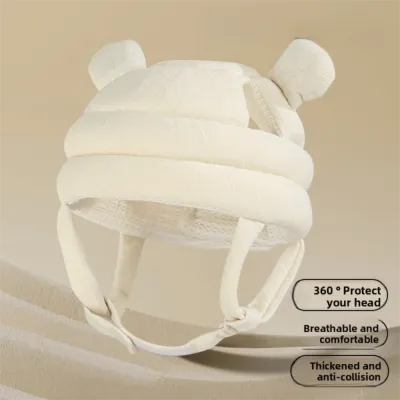
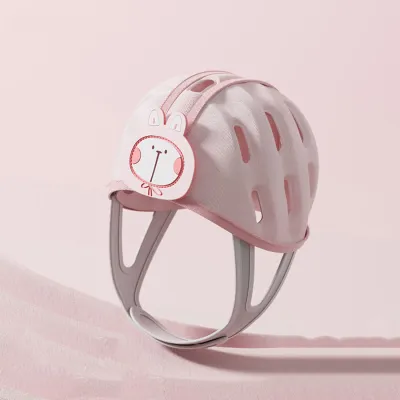
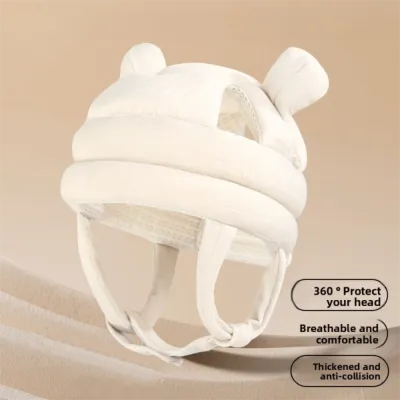
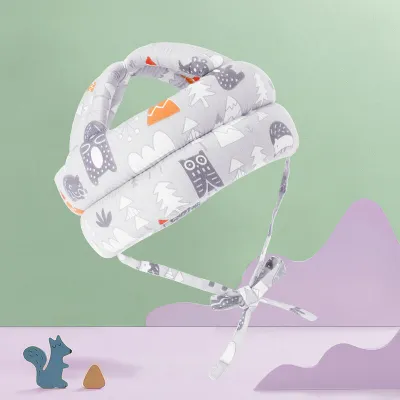
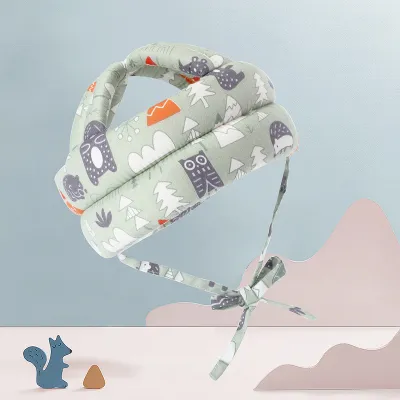

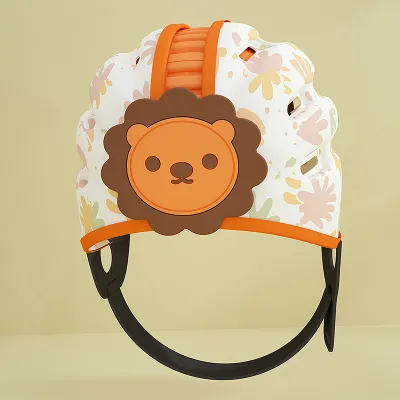
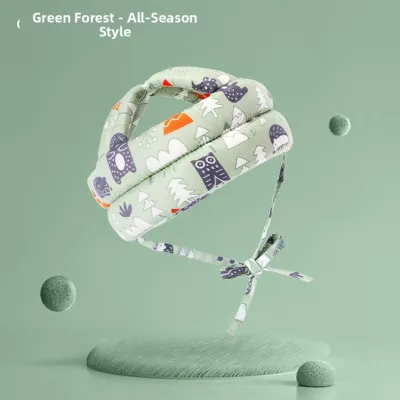
Prices are valid at publication and may change. Please refer to the product page for the latest price.
It is vital for parents to have realistic expectations about what these soft-shell helmets can achieve. They are engineered to cushion minor bumps and low-impact knocks against flat, hard surfaces, such as tiled living room floors, wooden floorboards, or playpen frames. They are not designed to absorb high-impact forces, nor can they protect a child from serious falls from elevated heights, such as beds, sofas, changing tables, or stairs.
Furthermore, a baby safety helmet must never be viewed as a replacement for active adult supervision or comprehensive home childproofing. While the helmet provides a temporary layer of padding, it does not eliminate the hazards of sharp furniture corners, heavy unsecured objects, or electrical outlets. Parents should continue to secure their living spaces by installing corner guards, anchoring heavy bookshelves, and keeping floors clear of tripping hazards.
It is also important to distinguish these consumer safety products from medical-grade cranial remolding orthoses. Medical helmets are prescribed by pediatricians to treat conditions like plagiocephaly (flat head syndrome) and are custom-molded to reshape a baby’s skull. Consumer baby safety helmets are soft, flexible, and intended solely for impact cushioning during play. They do not possess any therapeutic properties and should not be used to correct or alter the shape of a baby’s head.
Key Features to Compare When Evaluating Baby Helmet Brands
When comparing different baby helmet head products, several key design features should guide your decision-making process. The first and most critical factor is the weight and balance of the helmet. An infant’s neck muscles are still developing, and adding unnecessary weight to their head can cause muscle strain or affect their natural balance. Look for helmets that are exceptionally lightweight, ideally weighing under 100 grams. The design should distribute this weight evenly across the head, ensuring there are no heavy pressure points that could cause discomfort or force the baby’s head into an unnatural position.

Breathability and ventilation are equally crucial, especially given Singapore’s year-round hot and humid climate. Because babies regulate their body temperature less efficiently than adults, wearing a fully enclosed foam helmet indoors can quickly lead to overheating and heat rash. To prevent this, prioritize helmets that feature open-top designs, multiple ventilation strips, or integrated mesh panels. The materials used should be highly breathable, such as organic cotton linings or moisture-wicking synthetic fabrics, which help draw sweat away from the baby’s scalp and keep them cool during active play.
Adjustability and fit are essential to ensure the helmet remains secure and functional. A helmet that is too loose will slide around, potentially blocking your baby’s vision or falling off during a tumble, while a helmet that is too tight will cause discomfort. Look for products that offer highly adjustable closure systems, such as wide hook-and-loop (Velcro) straps, expandable foam segments, or adjustable rear bands. These features allow the helmet to grow alongside your baby’s rapidly changing head circumference, ensuring a snug and secure fit over several months of use.
Finally, consider the ease of cleaning and washability of the helmet. Babies sweat frequently, and the helmet is also likely to come into contact with drool, food spills, and floor dust. To maintain proper hygiene and prevent skin irritation, choose a helmet with a completely removable and machine-washable outer cover. If the cover is not removable, verify whether the entire helmet can be safely hand-washed with mild baby detergent without losing its structural integrity or shape.
How to Verify Safety Standards and Product Labels
Verifying the safety standards and product labels of a baby helmet is a critical step in protecting your child from substandard goods. While there is no single, globally mandated safety standard specifically for soft baby play helmets, reputable manufacturers will test their products against established toy safety and consumer product standards. Look for physical labels or tags on the packaging indicating compliance with recognized frameworks, such as the European Standard EN 71 (which regulates toy safety, mechanical properties, and flammability) or relevant ASTM international standards.
To ensure the validity of these safety claims, do not rely solely on the promotional text provided on retail listings. Take the time to visit the manufacturer’s official website, where they should provide transparent access to product manuals, material safety data sheets, or official compliance certificates. High-quality brands will clearly state the exact materials used in their helmets, such as non-toxic, high-density impact-resistant foam (like IXPE) and hypoallergenic outer fabrics that are free from harmful chemicals, heavy metals, and flame retardants.
Parents should exercise extreme caution when browsing online marketplaces, where unbranded and unusually cheap baby helmets are widely available. These low-cost products often bypass rigorous quality control processes, meaning they may use inferior foam that fails to absorb impacts, or fabrics treated with harsh chemicals that can cause skin allergies. Purchasing from unverified sellers increases the risk of acquiring a product that does not perform its basic protective function and may introduce new safety hazards to your home.
Where to Buy Authentic Baby Helmets in Singapore
Finding authentic baby safety helmets in Singapore involves choosing retail channels that prioritize quality control and product safety. Specialty mother and baby stores located in major shopping malls across Singapore are excellent places to start. Visiting a physical store allows you to examine the helmet in person, feel the texture of the fabric, and assess its actual weight. Many specialty retailers also allow you to bring your baby along to test the fit, ensuring you select a size and design that your child finds comfortable before making a financial commitment.
Another highly reliable option is purchasing directly from official brand websites or their official flagship stores on major ecommerce platforms. Buying directly from the manufacturer or an authorized local distributor guarantees that you are receiving an authentic product rather than a counterfeit. This channel also ensures that you are covered by the brand’s official return policies, customer support, and any product warranties, which can be invaluable if you encounter any manufacturing defects or sizing issues.
If you prefer the convenience of shopping on online marketplaces, it is essential to identify authorized sellers to avoid counterfeit goods. Look for sellers with official mall badges, high positive ratings, and a history of verified customer reviews. Read through the feedback left by other parents in Singapore, looking for comments on the product’s packaging, delivery condition, and overall quality. Avoid listings that feature generic product photos, lack clear brand identification, or are priced significantly lower than the manufacturer’s suggested retail price.
How to Fit, Use, and Know When to Stop Using the Helmet
Properly fitting and using a baby safety helmet is essential to ensure it provides the intended protection without causing discomfort. Begin by measuring your baby’s head circumference using a soft, flexible measuring tape. Wrap the tape around the widest part of their head, just above the eyebrows and ears. Compare this measurement with the manufacturer’s sizing chart to select the correct size. When placing the helmet on your baby, adjust the straps so that it sits level on their head, covering the forehead and the back of the skull without tilting backward or forward.
The chin strap must be adjusted carefully to secure the helmet without restricting your baby’s breathing or swallowing. A good rule of thumb is to ensure you can comfortably slide one finger between the strap and your baby’s chin. The helmet should feel snug but not tight enough to leave red marks on their skin. Ensure that the side straps do not pinch the ears and that the front of the helmet does not block their line of sight, as a restricted field of vision can actually increase the risk of trips and falls.
Introducing a helmet to an infant requires patience, as many babies naturally dislike having anything on their heads and will attempt to pull it off. To help them adjust, introduce the helmet gradually during short, positive play sessions when your baby is well-rested and in a good mood. Put the helmet on for just a few minutes at a time, immediately distracting them with their favorite toys, games, or interactive play. Over several days, slowly increase the wearing time as they become accustomed to the sensation and weight of the headgear.
Knowing when to stop using the helmet is just as important as knowing how to use it. You must discontinue use immediately if your baby shows signs of skin irritation, persistent redness, or excessive sweating, as these can lead to uncomfortable heat rashes. Furthermore, once your baby outgrows the maximum head circumference specified by the manufacturer, or once they achieve stable, confident walking and no longer experience frequent tumbles, the helmet should be retired. If you have any concerns about your baby’s physical development, balance, or motor skills, always consult a pediatrician for professional guidance.
Frequently Asked Questions (FAQ)
Do babies really need to wear head protection helmets at home?
While baby safety helmets can offer temporary peace of mind during the early stages of crawling and cruising, they are not a strict necessity for every infant. Minor bumps and tumbles are a natural and expected part of motor development, helping babies learn spatial awareness, balance, and physical boundaries. For most homes, creating a safe play environment with soft foam mats, carpeting, and proper childproofing is more than sufficient. However, if your home features hard tiled floors, concrete surfaces, or sharp architectural features that cannot be easily padded, a soft helmet can serve as a helpful, temporary safeguard during active play.
Can a baby sleep while wearing a head protection helmet?
No, a baby must never wear a head protection helmet while sleeping. Wearing any form of headgear during sleep poses severe safety hazards, including the risk of overheating, restricted airflow if the helmet shifts over the nose or mouth, and potential strangulation from the chin strap. Sleep environments should always be kept completely free of loose items, toys, and headwear. Always remove the helmet before putting your baby down for a nap or bedtime, and strictly adhere to all manufacturer safety warnings regarding unsupervised use.
How often should I wash the baby helmet cover?
You should wash the baby helmet cover at least once a week, or more frequently if your baby sweats heavily, drools, or if the helmet is used daily. Sweat, oils, and dirt can quickly accumulate on the fabric, creating a breeding ground for bacteria that can irritate your baby’s sensitive skin and cause rashes. Always refer to the manufacturer’s care label for specific washing instructions. If the cover is machine-washable, use a gentle cycle with a mild, hypoallergenic baby detergent, and ensure the helmet is completely dry before placing it back on your baby.
Community discussion
Share your experience or ask a question. Comments are reviewed before publication.