
When searching for baby swimming shampoos in Singapore, it is crucial to understand that the Health Sciences Authority (HSA) does not issue a formal “HSA certification” or “HSA approval” mark for baby bathing products. Instead, all baby shampoos, washes, and other cosmetic products sold locally must be notified with the HSA through a process known as the Cosmetic Product Notification (CPN) before they can be legally marketed and sold. This means that while you will not find a physical “HSA Certified” seal on a bottle, compliant products will have a valid notification record in the HSA database, indicating they meet Singapore’s regulatory frameworks for cosmetic safety.
For parents who take their infants or toddlers to swimming classes, finding a safe and compliant cleanser is essential. Chlorine, salt, and other pool chemicals can easily compromise a baby’s delicate skin barrier, leading to dryness, redness, and irritation. By choosing a product that has been properly notified with the HSA, you ensure that the importer or manufacturer has declared the ingredients and met the necessary safety standards required for retail in Singapore. This guide outlines how the HSA regulates these products, what features to look for in a post-swim shampoo, and how to independently verify a product’s compliance status.
Understanding HSA Regulations for Baby Bathing Products
In Singapore, baby shampoos and other bathing products are classified and regulated as cosmetic products under the Health Sciences Authority (HSA). Unlike therapeutic medicines or medical devices, cosmetic products do not undergo a rigorous pre-market evaluation or clinical testing process by the government to receive an official “approval” or “certification.” Instead, the regulatory framework relies on the Cosmetic Product Notification (CPN) system, which aligns with the ASEAN Cosmetic Directive. Under this system, any company wishing to import, manufacture, or sell a cosmetic product in Singapore must submit a notification to the HSA before the product hits the shelves.
Products mentioned in this guide
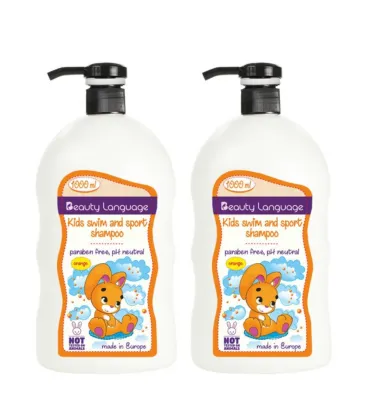
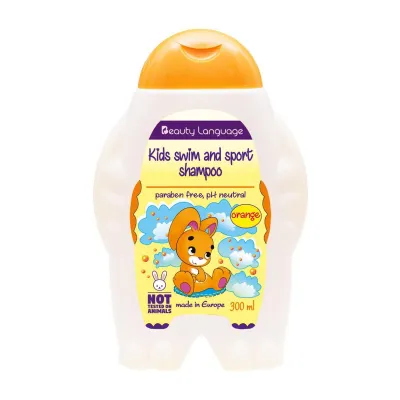
![[2-Pack] Pout Care Swimmers Smell Good Hair & Body Wash 250ml Exp: 06/28](https://img.lazcdn.com/g/p/e96410acf9cbb4ba071b5344eea5fcb2.png_400x400q80.png_.webp)
![[Exp 10/28] pout Care Grapefruit Island Swimmers Top-to-Toe Hair & Body Wash 250ml | 2-in-1](https://img.lazcdn.com/g/p/6b5c32443dccc319856c4d1ac4264a69.jpg_400x400q80.jpg_.webp)
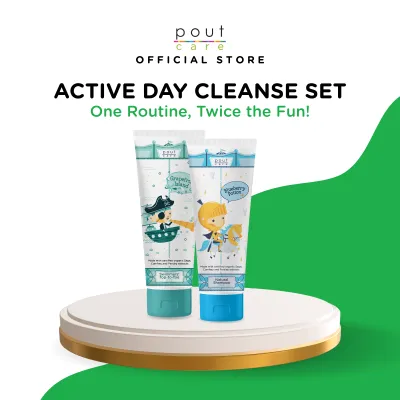
Prices are valid at publication and may change. Please refer to the product page for the latest price.
The CPN process requires the local notifying company to provide comprehensive details about the product, including its full ingredient list, manufacturing source, and product labeling. This system places the legal responsibility directly on the local company to ensure that the product is safe for consumer use, free from prohibited substances, and manufactured under good manufacturing practices. The HSA maintains a public registry of these notifications and conducts regular post-market surveillance, which includes random product testing and monitoring adverse event reports to ensure ongoing safety and compliance.
Parents should remain highly vigilant against products that make unverified medical or therapeutic claims. If a baby swimming shampoo claims to “cure eczema,” “heal skin infections,” or “prevent fungal diseases,” it is crossing the line from a cosmetic product into a therapeutic one. In Singapore, therapeutic products are subject to a completely different, much stricter registration process that requires extensive scientific evidence of efficacy and safety. Any baby wash making such medicinal claims without proper therapeutic registration is operating illegally and may contain undeclared active ingredients that could harm your child’s sensitive skin.
It is also important to recognize that a valid HSA notification does not mean a product is guaranteed to be completely free of irritants or allergens for every individual baby. The notification confirms that the product complies with baseline safety guidelines and does not contain restricted or banned toxic chemicals. However, because an infant’s skin is significantly thinner and more permeable than adult skin, individual sensitivities to permitted ingredients—such as certain natural botanical extracts or mild preservatives—can still occur. Therefore, regulatory compliance is a necessary baseline, but personal verification and careful observation remain essential.
Essential Features of a Good Baby Swimming Shampoo
Swimming is a wonderful activity for infant development, but the water environments in Singapore’s pools and beaches present unique challenges for baby skin and hair. Public and private swimming pools rely on chlorine or bromine to eliminate harmful bacteria and pathogens. While these sanitizers are vital for public health, they are highly efficient at stripping away the natural sebum and protective lipids from a baby’s scalp and hair. Similarly, saltwater pools and ocean water can dehydrate the hair shaft, leaving it rough, brittle, and highly prone to tangling. A standard daily baby wash may not always be sufficient to break down and lift these stubborn residues.

When selecting a post-swim shampoo, the primary objective is to find a formulation that effectively removes chlorine and salt without further drying out the scalp. Look for ultra-mild, sulfate-free surfactants that gently lift chemical residues. Ingredients such as coco-glucoside, decyl glucoside, and sodium cocoyl glutamate are excellent plant-derived cleansers that clean effectively without disrupting the skin’s natural moisture barrier. Additionally, look for soothing and hydrating agents like aloe vera, colloidal oat extract, calendula, and glycerin, which help calm any immediate post-swim redness and replenish lost moisture.
Conversely, there are several ingredients that parents should actively avoid when shopping for a baby swimming shampoo. Harsh sulfates, such as sodium lauryl sulfate (SLS) and sodium laureth sulfate (SLES), are strong foaming agents that can severely strip the skin and exacerbate chlorine-induced dryness. Artificial fragrances and synthetic colorants should also be minimized or avoided, as they are among the most common triggers for contact allergies and skin sensitization in young children. Furthermore, check the ingredient list to ensure the product is free from harsh preservatives like parabens, formaldehyde-releasers, and methylisothiazolinone (MIT).
It is also vital to distinguish between a “tear-free” formulation and a product’s “chlorine-removal” capabilities. A “tear-free” label indicates that the shampoo’s pH is carefully balanced to match the natural pH of human tears, and that it uses mild surfactants that will not cause stinging or irritation if they get into the baby’s eyes. However, being tear-free does not automatically mean the shampoo contains the necessary ingredients to neutralize and lift chlorine or chloramines. To ensure effective post-swim cleansing, look for products that explicitly state they are designed for post-swim use or contain gentle chelating agents that bind to pool chemicals.
Lastly, always check the product packaging for specific age recommendations and usage instructions. Some clarifying shampoos designed for older children or competitive swimmers may contain stronger cleansing agents that are unsuitable for infants. Ensure the product is labeled as safe for babies or toddlers, and follow the manufacturer’s directions regarding application. Some specialized swimming shampoos may recommend leaving the product on the hair for a brief moment to allow the ingredients to bind to the chlorine before rinsing thoroughly with clean water.
How to Verify a Product's HSA Notification Status
To ensure that the baby swimming shampoo you are purchasing is fully compliant with Singapore’s safety regulations, you can independently verify its cosmetic notification status. The Health Sciences Authority (HSA) provides a public, online search portal that allows consumers to check the database of notified cosmetic products. This process is straightforward and provides immediate peace of mind before you make a purchase, especially if you are buying from online marketplaces or smaller specialty retailers.
To begin the verification process, visit the official HSA website and locate the “Search Cosmetic Products” portal. Once on the search page, you will be presented with several search fields. The most reliable way to find a product is by entering its exact brand and product name as it appears on the physical packaging. Because spelling must match the database entry precisely, try using broader search terms if your initial attempt yields no results—for example, searching for the brand name alone and then browsing the list of notified products under that brand.
If searching by product name does not work, you can look for the name of the local notifying company, which is legally required to be printed on the product’s label as the importer, distributor, or manufacturer in Singapore. Alternatively, some manufacturers print the Cosmetic Product Notification (CPN) number directly on the bottle or outer box; entering this number into the search portal will instantly bring up the corresponding registration record. A matching result confirms that the product has been legally notified and is authorized for sale in Singapore.
If a product does not appear in the HSA database, it could indicate one of several scenarios. The product may be an unauthorized parallel import that has bypassed local notification procedures, it may be sold illegally by an unregistered seller, or the product name may simply be misspelled in the database. In such cases, it is highly recommended to contact the retailer and request their HSA notification reference. If the retailer cannot provide this verification, or if you suspect the product is counterfeit, avoid using it on your baby and consider reporting the non-compliance to the HSA to help maintain safety standards across the market.
While online verification is an excellent safety step, it should always be combined with a thorough physical inspection of the product itself. When purchasing a baby swimming shampoo, ensure that the safety seals are completely intact and show no signs of tampering. The packaging must feature clear, legible labeling in English, including a full list of ingredients, the details of the local distributor, and a clear expiry date or a period-after-opening symbol (such as a jar icon indicating how many months the product remains safe after opening). Never use a product that lacks proper labeling or has expired.
Comparing Post-Swim Cleansing Options for Babies
Choosing the right post-swim cleansing routine depends on several factors, including how frequently your baby swims, the sensitivity of their skin, and whether they swim in chlorinated pools, saltwater pools, or the open ocean. To help you make an informed decision, we compare the three primary cleansing strategies available to parents in Singapore.
Dedicated Baby Swimming Shampoos
Specialized baby swimming shampoos are formulated specifically to target, neutralize, and lift chlorine, bromine, and salt minerals from the hair and scalp. These products often incorporate very mild, plant-derived chelating agents that bind to pool chemicals, ensuring they are completely washed away during rinsing.
The primary benefit of these dedicated shampoos is their ability to thoroughly eliminate the persistent “pool smell” and prevent the cumulative drying effects of chlorine. They are highly recommended for infants and toddlers who attend weekly swimming lessons or swim frequently in chlorinated public or condominium pools.
However, because these products are formulated for targeted chemical removal, they are generally unnecessary for daily use outside of swimming days. Using a clarifying or swimming-specific shampoo too frequently on non-swim days could potentially lead to mild dryness, so they should be reserved strictly as a post-swim treatment.
Standard Gentle Baby Shampoos
Standard gentle baby shampoos and 2-in-1 washes are designed for daily hygiene, focusing on extreme mildness and maintaining the natural skin barrier. They utilize very low concentrations of gentle surfactants and are often enriched with moisturizing lipids to keep a baby’s skin and hair soft.
While these standard washes are exceptionally gentle and highly unlikely to cause irritation, they generally lack the specialized ingredients required to fully break down and neutralize stubborn chlorine or chloramines. Everyday shampoos may simply wash around the chlorine molecules rather than fully removing them from the hair shaft.
If your baby only swims occasionally—such as during a rare holiday or a one-off pool visit—a standard gentle shampoo is usually sufficient, especially if you perform a thorough double wash. However, for regular swimmers, relying solely on standard daily washes can lead to a gradual buildup of chlorine residue over time, resulting in dry, itchy skin and brittle hair.
Plain Water and Minimal Cleansing
A minimalist approach involves rinsing the baby thoroughly with clean, fresh, lukewarm tap water immediately after they exit the pool, without using any shampoos or soaps. This method introduces zero chemical surfactants or potential allergens, making it highly gentle on the skin.
A prompt rinse with fresh water is highly effective at washing away loose chlorine, salt, and pool chemicals from the surface of the skin and hair before they have a chance to dry and bind to the skin barrier. This is an excellent immediate step that should be performed as soon as the baby exits the water.
However, plain water alone cannot fully neutralize or remove chloramines, which tend to cling tightly to hair and skin fibers. For babies swimming in indoor public pools with high chemical concentrations, a water-only rinse is rarely sufficient as a long-term post-swim routine and should ideally be followed by a gentle cleanser once the baby’s skin is ready.
Safety Boundaries and When to Consult a Paediatrician
Even when using a fully notified and gentle baby swimming shampoo, parents must remain observant of their baby’s skin condition. Post-swim skin and scalp irritation can manifest in several ways, including localized redness, dry or flaky patches, fine red bumps, or persistent scratching and fussiness after bathing. These symptoms can be caused by sensitivity to pool chemicals, an allergic reaction to a specific ingredient in the shampoo, or a combination of both.
If you observe any signs of irritation, redness, or discomfort during or after using a swimming shampoo, immediately stop using the product. Thoroughly rinse your baby’s hair and skin with plenty of clean, lukewarm tap water to ensure all traces of the shampoo and pool chemicals are completely removed. Do not attempt to treat the irritation with other scented lotions, essential oils, or over-the-counter medicated creams without first consulting a healthcare professional.
You should consult a qualified paediatrician or dermatologist if the skin irritation spreads beyond the contact area, starts weeping, oozing, or bleeding, or if your baby develops a fever. Additionally, seek professional medical advice if the dryness, redness, or itching does not show visible improvement within a few days of discontinuing the product and returning to plain water rinses. If your baby has a pre-existing skin condition such as eczema, always consult their doctor before introducing a new swimming shampoo or starting a pool routine.
Because every baby’s skin is unique, no manufacturer can guarantee a product will be 100% reaction-free for every child. Before using a new baby swimming shampoo for the first time, perform a simple patch test. Apply a tiny amount of the diluted shampoo to a small, clean area on your baby’s inner arm or behind the ear, leave it on for a minute, and rinse it off. Monitor the area over the next 24 to 48 hours for any signs of redness, swelling, or irritation before proceeding with full-body use.
Frequently Asked Questions (FAQ)
Can I use adult chlorine-removal shampoo on my baby?
You should strongly avoid using adult chlorine-removal shampoos on babies and toddlers. Adult formulations are designed for mature hair and scalps, which produce significantly more oil than an infant’s scalp. Consequently, these products contain much stronger surfactants, deep-cleansing chelating agents, and high concentrations of artificial fragrances. Applying these strong formulations to a baby’s delicate skin can severely strip their natural skin barrier, leading to extreme dryness, contact dermatitis, and severe eye irritation if the product splashes. Always choose products that are specifically formulated, pH-balanced, and safety-tested for infants.
Do I need a separate shampoo and body wash for my baby after swimming?
For most babies and toddlers with short or fine hair, a high-quality, gentle 2-in-1 baby swimming wash is perfectly sufficient to remove pool chemicals from both their hair and skin. A 2-in-1 product simplifies the post-swim routine, minimizing the time your baby spends in the shower and reducing the number of products applied to their sensitive skin. However, if your child has longer, thicker, or curly hair that easily tangles and retains a strong chlorine odor, or if they have a highly sensitive scalp requiring targeted moisturization, a separate, dedicated baby swimming shampoo followed by a gentle baby conditioner or body wash may be beneficial.
Community discussion
Share your experience or ask a question. Comments are reviewed before publication.