
Welcoming a newborn brings immense joy along with a long list of safety decisions, starting with the very first bath. In Singapore’s warm and humid climate, keeping a baby’s skin clean while preserving its delicate natural barrier is a delicate balancing act. Many parents wonder how to navigate the shelves of baby care products to find options that are both safe and compliant with local regulations.
To ensure the highest standards of safety, the Health Sciences Authority (HSA) regulates baby soaps and washes as cosmetic products. Finding a safe option involves understanding how these regulations work, learning to read ingredient labels like a professional, and knowing how to verify a product’s notification status. This guide provides a practical framework to help you make informed decisions for your newborn’s skincare routine.
Quick Guide: Verifying Baby Soap Safety and Regulatory Status
Before purchasing any baby soap, verifying its regulatory status is a crucial first step. In Singapore, all cosmetic products, including baby soaps and washes, must be notified with the HSA before they can be sold to the public. Parents can use the official HSA online public search portal to verify if a specific baby soap has a valid cosmetic product notification.
Products mentioned in this guide
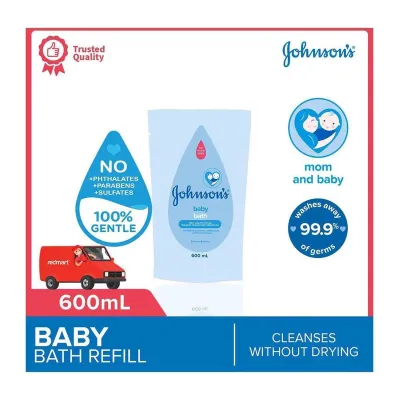
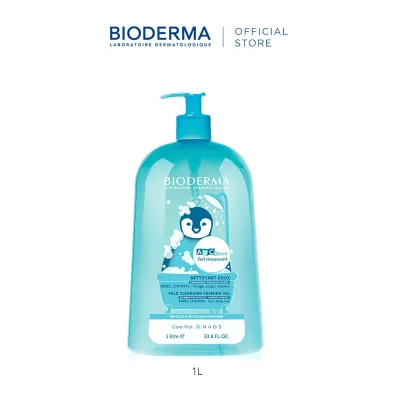
Prices are valid at publication and may change. Please refer to the product page for the latest price.
Examine the physical packaging of the product for essential local details. A compliant product sold in Singapore should feature clear English labeling, including the name and address of the local importer or distributor. This ensures accountability and provides a direct point of contact if any adverse reactions occur.
Look for complete batch numbers and expiry dates on the container. These details are critical for tracking potential product recalls and ensuring the formulation remains stable and effective.
Identify immediate red flags on the label. Avoid products that make therapeutic claims, such as promising to cure eczema, psoriasis, or severe diaper rash. Under local regulations, cosmetic products cannot claim to treat or cure medical conditions; such claims require the product to be registered as a therapeutic product or medicine.
Understanding Skincare Regulations for Babies in Singapore
In Singapore, baby bathing products are classified as cosmetic products rather than therapeutic medicines. This classification means they do not undergo a rigorous pre-market approval process by the HSA. Instead, the responsibility lies with the local importer or manufacturer to submit a cosmetic product notification before the product is placed on the market.

This notification system is designed to ensure that the company responsible for the product has declared its ingredients and verified that the formulation complies with safety guidelines. It is important to note that the HSA does not issue “HSA Approved” logos or certificates for cosmetic products. Any baby soap carrying a label that claims to be “HSA Approved” should be approached with caution, as this is a misleading marketing tactic.
Singapore aligns its cosmetic regulations with the ASEAN Cosmetic Directive (ACD). This regional framework sets strict limits on the ingredients allowed in cosmetic formulations, particularly those intended for children under three years of age. The directive maintains a comprehensive list of banned substances and restricts the concentrations of certain preservatives and active ingredients to protect vulnerable infant skin.
By ensuring a baby soap is properly notified with the HSA, parents can be confident that the product has been declared by a local entity bound by Singapore’s safety standards and the ACD framework. This regulatory oversight helps prevent the sale of products containing unauthorized or dangerous levels of restricted chemicals.
Essential Safety Criteria for Newborn Skin
A newborn’s skin is structurally different from adult skin. It is significantly thinner, loses moisture at a faster rate, and is highly susceptible to environmental irritants. At birth, a baby’s skin pH is close to neutral but quickly transitions to a slightly acidic level, typically between 5.0 and 5.5. This acidic environment, known as the acid mantle, serves as a natural defense mechanism against harmful bacteria and moisture loss.
Using traditional, highly alkaline bar soaps can disrupt this delicate acid mantle, stripping away natural lipids and leaving the skin dry, flaky, and vulnerable to infections. For this reason, pediatric dermatologists recommend using liquid cleansers that are specifically formulated to be pH-balanced for infant skin.
The choice of surfactants—the cleansing agents that create lather—is another critical factor. Harsh surfactants like Sodium Lauryl Sulfate (SLS) and Sodium Laureth Sulfate (SLES) are commonly used in adult products for their deep-cleansing properties, but they are far too aggressive for a newborn. Instead, look for mild, non-ionic or amphoteric surfactants, such as coco-glucoside, decyl glucoside, or cocamidopropyl betaine, which cleanse gently without compromising the skin barrier.
Fragrances and essential oils represent a major source of contact dermatitis in infants. While a scented bath might seem appealing, both synthetic perfumes and natural essential oils (such as lavender, tea tree, or citrus oils) contain complex chemical compounds that can trigger allergic reactions on sensitive newborn skin. Opting for truly fragrance-free formulations minimizes this risk entirely.
Preservatives are a necessary component of any water-based baby wash. Without them, the warm and humid environment of a Singapore bathroom would turn a bottle of baby soap into a breeding ground for bacteria, mold, and yeast. However, the type of preservative matters. Parents should look for gentle, food-grade or highly tolerated preservative systems while avoiding high-risk options like parabens, formaldehyde-releasers (such as DMDM hydantoin), and methylisothiazolinone (MIT).
How to Read Labels and Build Your Candidate Shortlist
Navigating the ingredient list on the back of a bottle is the most reliable way to evaluate a baby soap. Under the International Nomenclature of Cosmetic Ingredients (INCI) standards, ingredients must be listed in descending order of concentration. This means the first three to five ingredients make up the vast majority of the product’s volume.
When reviewing the INCI list, the primary ingredient should ideally be water (often listed as aqua), followed by gentle hydrating agents like glycerin and mild, plant-derived cleansers. If you spot harsh sulfates, drying alcohols, or synthetic fragrances near the top of the list, the product may not be suitable for a newborn.
Many products feature third-party certifications on their packaging, such as “dermatologically tested,” “pediatrician-approved,” or “hypoallergenic.” While these labels suggest a higher level of safety testing, it is important to remember that these terms are not strictly regulated by a single global standard. Parents should treat these claims as helpful indicators but continue to verify the actual ingredient list to ensure no known irritants are present.
Be wary of greenwashed marketing terms like “chemical-free” or “100% natural.” Scientifically, every physical substance, including water and organic plant extracts, is made of chemicals. Furthermore, “natural” ingredients are not inherently safe; poison ivy is natural, yet highly irritating. Focus on finding simple, transparent formulations with minimal ingredients rather than relying on vague marketing slogans.
Purchasing Channels and Authenticity Checks
Where you buy your baby soap is just as important as the product itself. To guarantee authenticity and compliance with HSA regulations, purchase baby skincare products from established physical pharmacies, major supermarkets, or official brand stores in Singapore. These retailers have direct supply chains and are legally responsible for ensuring their inventory meets local safety standards.
While online marketplaces and ecommerce platforms offer convenience and competitive pricing, they also host unauthorized third-party sellers. Buying from these sources increases the risk of receiving counterfeit products, parallel imports that do not comply with local labeling laws, or expired stock. If shopping online, always select official mall stores or verified local distributors.
Upon receiving a product, perform a quick physical inspection. Check that the safety seal is intact, the packaging is undamaged, and the batch number and expiry date are clearly printed. The labeling should be in English, providing clear instructions for use and local contact details for the distributor.
Singapore’s tropical climate, characterized by high temperatures and relative humidity, can accelerate the degradation of cosmetic formulations, especially those with natural ingredients or mild preservative systems. Store baby soaps in a cool, dry place away from direct sunlight, and avoid leaving bottles sitting in pools of water on the bathroom floor, which can encourage microbial growth around the pump or cap.
Frequently Asked Questions (FAQ)
Do newborns actually need soap for every bath?
Newborns do not require soap or cleansers for every bath during their first few weeks of life. Bathing your baby two to three times a week with plain, lukewarm water is generally sufficient to keep them clean without drying out their highly sensitive skin. You can use a soft washcloth dampened with warm water to gently wipe the diaper area, skin folds, neck, and face. As your baby grows, becomes more active, or develops a thicker skin barrier, you can gradually introduce a mild, HSA-notified baby wash to cleanse specific areas where sweat, milk, or diaper residue accumulates.
What should I do if my baby develops a rash after using a new soap?
If you notice a rash, redness, or dry patches developing after using a new baby soap, stop using the product immediately. Gently rinse the baby’s skin with lukewarm water to remove any lingering residue, and pat the area dry with a clean, soft towel without rubbing. Avoid applying other scented lotions or home remedies to the irritated skin. Monitor the rash closely over the next 24 hours. If the redness spreads, causes obvious discomfort or itching, develops blisters or oozing, or is accompanied by a fever, seek professional medical advice from a pediatrician or general practitioner immediately.
Community discussion
Share your experience or ask a question. Comments are reviewed before publication.