
When shopping for baby bathing equipment in Singapore, you might wonder which baby bath tub stands are registered or certified by the Health Sciences Authority (HSA). The direct answer is that standard baby bath tub stands do not typically carry HSA registration because they are not classified as medical devices. Instead, these products fall under the category of general nursery furniture and consumer goods, which are regulated under broader consumer safety frameworks managed by the Consumer Product Safety Office (CPSO) under Enterprise Singapore.
To make a safe purchase, your focus should shift from looking for HSA registration to verifying compliance with international nursery safety standards. Because a bath tub stand holds a significant volume of water and a vulnerable infant, structural integrity is paramount. Understanding how local regulations apply to these products, what physical safety features to inspect, and how to verify international certifications will help you choose a secure and reliable stand for your home.
Understanding HSA Regulations for Baby Bathing Products
The Health Sciences Authority (HSA) of Singapore is the national regulatory body responsible for securing the safety, quality, and efficacy of health-related products. This includes medicines, medical devices, cosmetics, and health supplements. For a product to require HSA registration, it must meet the statutory definition of a medical device, which generally involves therapeutic, diagnostic, or rehabilitative purposes.
Products mentioned in this guide
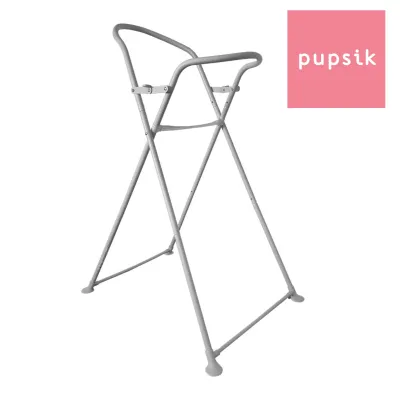
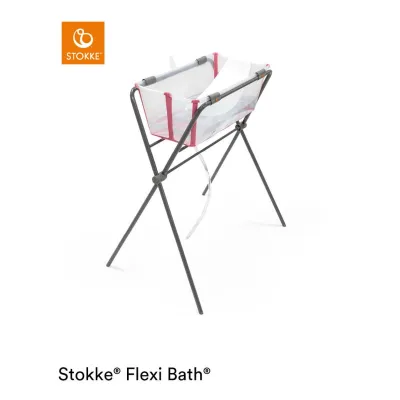
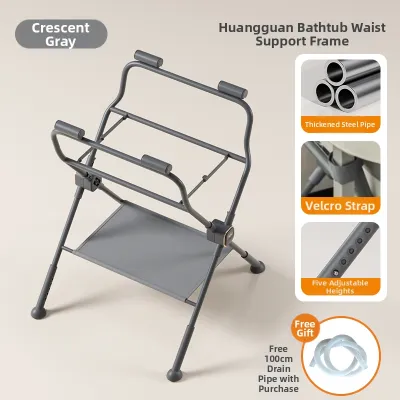
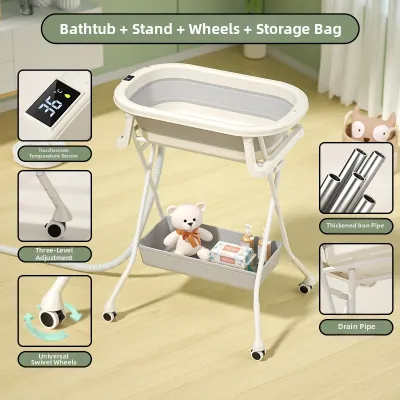
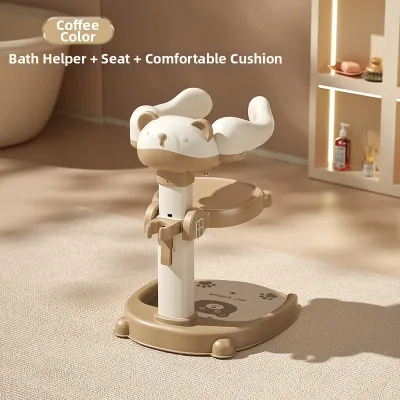
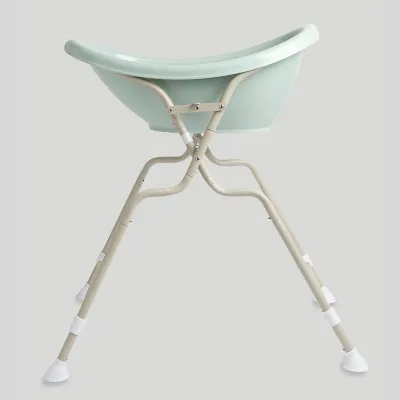
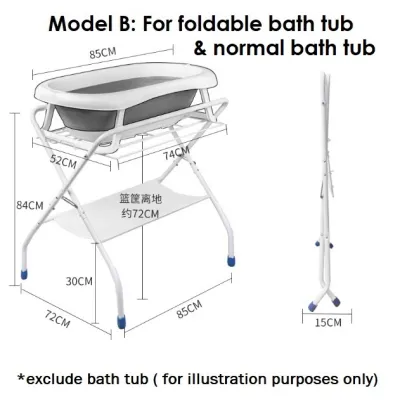
Prices are valid at publication and may change. Please refer to the product page for the latest price.
A baby bath tub stand is designed solely to support a baby bath tub at a comfortable height for caregivers. Because it serves a purely functional, non-medical purpose, it does not fall under the regulatory purview of the HSA. Searching the HSA medical device register for a baby bath tub stand will not yield results, as legitimate manufacturers of these products do not apply for medical device registration.
Instead, baby bath tub stands are classified as general consumer products. In Singapore, the safety of general consumer goods is overseen by the Consumer Product Safety Office (CPSO), an agency safeguarded by Enterprise Singapore. The CPSO ensures that consumer products sold locally comply with safety requirements, focusing on preventing hazards like choking, physical injury, or structural collapse.
While the CPSO monitors consumer goods, baby bath tub stands are not currently subject to mandatory local registration or licensing before sale, unlike high-risk controlled items such as home appliances or gas stoves. Instead, they must comply with general safety obligations, meaning they must not pose a danger under normal or reasonably foreseeable conditions of use.
To bridge this regulatory gap, reputable manufacturers design their products to meet rigorous international safety standards. These standards are established by global organizations to test the structural limits, material safety, and stability of nursery furniture. When evaluating a brand in Singapore, you should look for certifications from recognized bodies in Europe, the United States, or other major markets rather than looking for local medical registration.
The most common and respected standard for baby bathing aids is the European standard EN 17072, which specifically covers bath tubs, bath stands, and non-standalone bathing aids. This standard outlines strict testing protocols for stability, load-bearing capacity, and the prevention of entrapment hazards. Understanding these distinctions allows you to look for the correct safety marks when shopping.
Essential Safety Features for Baby Bath Tub Stands
When evaluating any baby bath tub stand, physical safety checks are your primary line of defense. Because you will be lifting and bathing a wet, moving infant, the stand must remain completely stable throughout the process. The first critical feature to examine is the stand’s weight capacity and overall stability.

Always verify the manufacturer’s stated maximum weight limit, which must account for the combined weight of the stand, the tub, the water, and your growing baby. A standard baby bath tub filled with water can easily weigh upwards of ten to fifteen kilograms, and as your baby grows, their active movement will exert additional dynamic forces on the structure. The stand should feature a wide, stable base footprint that distributes weight evenly and resists tipping even if the baby splashes or moves suddenly.
Locking mechanisms are another vital safety component, particularly for foldable or adjustable stands. A high-quality stand must feature a secure, fail-safe locking system that prevents the legs from accidentally folding or collapsing while in use. Look for double-action locks or physical safety pins that require a deliberate, multi-step action to disengage, ensuring that simple bumps or nudges cannot trigger a collapse.
The materials used in the construction of the stand directly impact its long-term safety and durability. Since the stand will be exposed to water, humidity, and soap on a daily basis, it must be constructed from rust-resistant materials such as powder-coated steel, high-grade aluminum, or treated water-resistant plastics. Rust can compromise the structural integrity of joints and fasteners over time, leading to sudden failure.
Inspect the finish of the stand thoroughly for any sharp edges, rough welds, or plastic burrs. Caregivers often lean against the stand or reach around it during bath time, and any sharp protrusions can cause scratches or cuts. Additionally, ensure that all joints are tightly fitted and that there are no small gaps where a baby’s fingers or a caregiver’s skin could become pinched.
Compatibility is a frequently overlooked safety factor when purchasing a bath tub stand. Many parents attempt to pair a stand from one brand with a bath tub from another, assuming a universal fit. However, unless a stand is explicitly certified as universal and features adjustable, locking brackets, using mismatched components can be highly dangerous.
A secure fit requires the tub to sit firmly within the stand’s frame without sliding, tilting, or shifting when water is added. Many reputable brands design their tubs and stands as an integrated system, featuring dedicated locking tabs or molded grooves that lock the two pieces together. If you are buying a standalone frame, always verify that your specific tub model is officially listed as compatible by the manufacturer.
Crucially, you must verify the specific age, weight, and development stage limits directly from the product documentation before use. Some stands are only suitable for newborns who cannot yet sit up or roll over, and using them beyond these developmental milestones can lead to serious accidents. Remember that no safety feature or certification can replace constant, hands-on caregiver supervision; never leave your baby unattended in the bath, even for a single second.
How to Verify Brand Compliance and Product Authenticity
In an era of global e-commerce, verifying the authenticity and compliance of baby products can be challenging. Parents are often confronted with a wide array of unbranded or generic products online that make bold safety claims without evidence. To protect your family, you must take active steps to verify these claims independently.
Start by checking official government portals for safety alerts and product recalls. The Consumer Product Safety Office (CPSO) in Singapore regularly publishes advisories regarding unsafe consumer products that have been flagged locally or internationally. Checking these databases can help you identify brands or specific product designs that have a history of structural failure or material toxicity.
When a brand claims compliance with international standards such as EN 17072 or ASTM standards, look for physical proof on the product packaging, the user manual, or the manufacturer’s official website. Legitimate safety certifications are usually accompanied by a specific test report number or a certification mark from an independent testing laboratory, such as TÜV SÜD, SGS, or Intertek.
If you are uncertain about a product’s safety claims, do not hesitate to contact the local authorized distributor or the brand’s official customer service channel. Reputable companies should be able to provide a copy of their compliance certificates or test reports upon request. A manufacturer that is transparent about its testing processes and regulatory compliance is far more trustworthy than one that hides behind vague marketing terms.
Be highly vigilant against common red flags when shopping on online marketplaces. Products that lack clear manufacturer details, physical addresses, or contact information should be avoided entirely. A complete lack of a user manual, assembly instructions, or safety warnings in English is another strong indicator of a non-compliant or counterfeit product.
Unusually low prices are another major warning sign. While saving money is always appealing, high-quality materials, rigorous safety testing, and robust manufacturing processes carry inherent costs. If a baby bath tub stand is priced significantly lower than established, certified brands, it is highly likely that the manufacturer has cut corners on material thickness, locking mechanisms, or quality control.
Where to Source Reliable Baby Bathing Equipment in Singapore
To minimize the risk of purchasing non-compliant or counterfeit baby bath tub stands, you should carefully select your purchasing channels. Buying from established, reputable sources ensures that the products have undergone basic quality screening and are backed by local consumer protection laws.
Physical, brick-and-mortar maternity and baby specialty stores in Singapore remain one of the safest places to purchase nursery furniture. These retailers curate their inventory carefully, often working directly with official distributors who ensure the products meet local safety expectations. Shopping in person also allows you to physically inspect the stand, test the locking mechanisms, and assess its stability before making a purchase.
If you prefer the convenience of online shopping, always prioritize official brand flagship stores or authorized local distributors on major e-commerce platforms. These official storefronts are directly managed by the brands or their licensed partners, guaranteeing that you receive authentic products with valid local warranties. Avoid buying from third-party, parallel-import sellers who may be sourcing products from regions with different safety standards or lower quality control.
Be cautious of purchasing from overseas sellers on online marketplaces who have no physical presence or registered business entity in Singapore. If a product purchased from an overseas seller fails or causes injury, holding the seller accountable under local consumer protection laws is extremely difficult. Furthermore, these products often lack local warranties, making it impossible to obtain replacement parts or support if a component breaks.
Finally, check for the availability of local after-sales support and customer service. Legitimate brands operating in Singapore maintain a local customer service presence to assist with assembly queries, replacement parts, and warranty claims. Having access to a local team ensures that if you ever notice a loose joint or a worn-out locking pin, you can easily obtain genuine replacement parts rather than continuing to use a compromised stand.
Frequently Asked Questions (FAQ)
Do all baby bath tub stands require HSA registration?
No, baby bath tub stands do not require HSA registration. The Health Sciences Authority (HSA) regulates medical devices, pharmaceuticals, and health products. Because a baby bath tub stand is classified as general nursery furniture rather than a medical device, it falls under general consumer product safety frameworks. In Singapore, these products are monitored by the Consumer Product Safety Office (CPSO) under Enterprise Singapore, and safety is verified through compliance with international standards like EN 17072 rather than HSA registration.
Can I use a regular table or chair instead of a dedicated bath tub stand?
You should never use a regular table, chair, or other improvised household surfaces to support a baby bath tub. Improvised surfaces lack the specific safety features required for bathing, such as non-slip feet, secure locking brackets, and water-resistant materials. A standard table or chair can easily become slippery when wet, leading to the tub sliding off the edge. Additionally, these surfaces may not be designed to handle the heavy, shifting weight of water and an active baby, posing a severe risk of tipping or structural collapse. Using a dedicated, certified stand ensures a secure fit and protects both your baby and your back during bath time.
Community discussion
Share your experience or ask a question. Comments are reviewed before publication.