
Selecting an abdominal binder in Singapore requires balancing structural support with the realities of a tropical climate. During pregnancy and the postpartum recovery period, your body undergoes significant anatomical changes that can lead to physical discomfort, back strain, and pelvic instability. A high-quality abdominal binder can provide targeted relief, but choosing the wrong style or material can lead to skin irritation, discomfort, or improper support.
To find the best option, you must evaluate binders based on their specific purpose, material breathability, adjustability, and safety features. This guide outlines how to choose a comfortable and supportive binder that suits your recovery stage and stands up to Singapore’s heat and humidity.
Why Comfort and Support Matter in Maternity and Postpartum Binders
During pregnancy, the body produces relaxin, a hormone that softens ligaments and joints to prepare the pelvis for childbirth. While this hormone is essential for delivery, it reduces joint stability, often leading to anterior pelvic tilt, lower back strain, and pelvic girdle pain. A maternity support belt acts as an external sling, gently lifting the weight of the growing abdomen to redistribute pressure away from the bladder, pelvic floor, and lumbar spine, thereby improving daily mobility.
Products mentioned in this guide
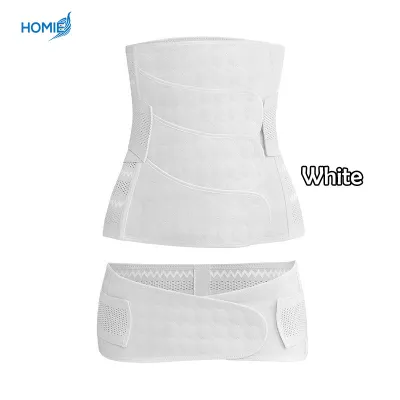
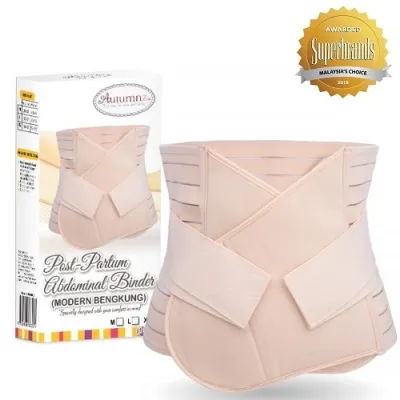
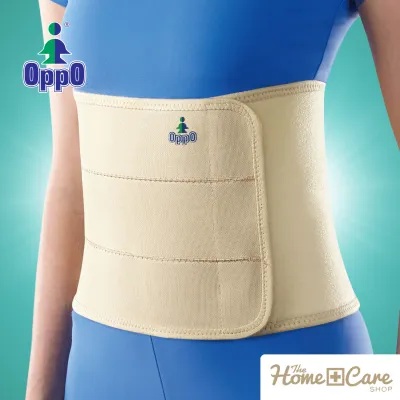
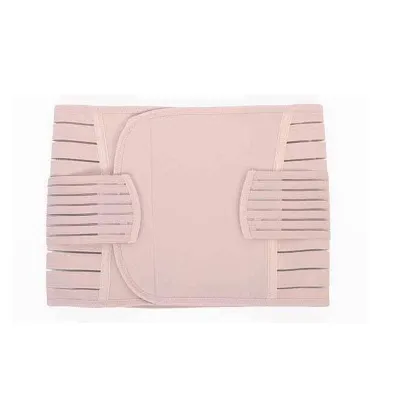
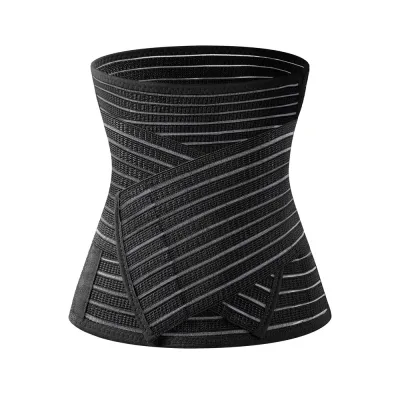
![[SG Stock] Postpartum Belly Wrap Belly Shrink Abdominal Belt Waist Girdle Shaping After C-section and Natural Birth](https://img.lazcdn.com/g/p/3644ab55af001075d9ec5bb10bc45a9d.jpg_400x400q80.jpg_.webp)
Prices are valid at publication and may change. Please refer to the product page for the latest price.
Postpartum, the physical demands on your body shift toward core stabilization and tissue recovery. The abdominal muscles and connective tissues (such as the linea alba) have been stretched extensively, and many women experience diastasis recti (abdominal separation). A postpartum abdominal binder provides gentle, even compression that stabilizes the weakened core, supports the lower back during daily activities like lifting your baby, and offers sensory feedback that helps you engage your deep abdominal muscles.
It is important to recognize that while binders offer physical comfort and structural stability, they are supportive tools rather than medical cures. They do not medically accelerate tissue healing, cure muscle separation, or replace active core rehabilitation. For a comprehensive recovery plan, binders should be used alongside targeted postpartum exercises and professional medical guidance.
How to Evaluate Abdominal Binder Brands for Daily Wear
Evaluating abdominal binder brands requires looking beyond aesthetic appeal and focusing on tangible design features. In Singapore’s year-round warmth, a binder that is difficult to wear or causes physical discomfort will quickly be left unused. Focus on three primary criteria: material breathability, structural adjustability, and ease of daily use.

Material and Breathability for Singapore's Climate
Singapore’s hot and humid climate makes fabric selection one of the most critical factors when choosing a binder. Wearing a thick, non-breathable band for several hours can trap sweat against your skin, creating a breeding ground for bacteria and leading to heat rashes, contact dermatitis, or localized skin infections.
When assessing different brands, always check the manufacturer’s label for lightweight, moisture-wicking, and hypoallergenic materials. Look for fabrics such as bamboo-derived viscose, organic cotton blends, or open-weave mesh panels that facilitate airflow. While some brands highlight independent textile safety certifications, such as the OEKO-TEX Standard 100, you must verify these claims directly on the manufacturer’s official documentation, as certifications can vary by product batch and region. Avoid heavy synthetic materials like low-grade neoprene, which trap body heat and moisture.
Adjustability and Edge Design
Your body shape changes continuously during pregnancy and the postpartum weeks, meaning a fixed-size binder will quickly become ineffective. High-quality brands feature robust hook-and-loop closures (commonly known as Velcro) that allow you to adjust the tension as your body contours shift. Ensure the closures are securely stitched and lie flat so they do not curl, scratch your skin, or snag your clothing.
Look for multi-panel designs or double-compression straps that let you customize the level of support across different zones of your abdomen. This is particularly important for postpartum recovery, where you may require firmer support around the lower pelvis but gentler compression over the stomach. Additionally, inspect the edge construction; seamless, fabric-bound, or tapered borders prevent the binder from rolling up, bunching, or digging into your ribs and hips when you sit down.
Ease of Use for Daily Wear
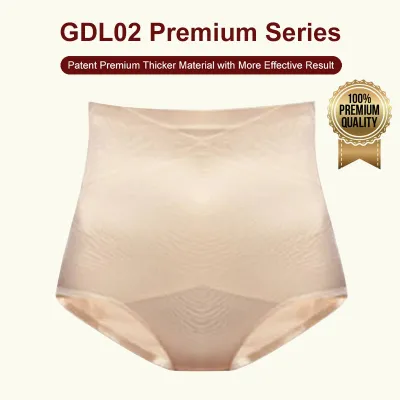
In the early postpartum weeks, your physical mobility and core strength are naturally compromised. Pull-on styles, such as continuous elastic tubes or shaping briefs, require significant bending, stretching, and physical exertion to put on and take off, which can be painful and potentially unsafe.
Wrap-around designs with adjustable front or side closures are highly recommended for this stage. These styles allow you to wrap the binder around your torso while standing or lying down, minimizing physical strain on your back and pelvic floor. Opting for an easy-to-use wrap-around design ensures you can independently adjust or remove the binder throughout the day as your comfort level dictates.
Matching Binder Types to Your Pregnancy or Postpartum Stage
Using the incorrect type of binder for your specific stage of motherhood can be uncomfortable and potentially unsafe. Brands typically specialize in products designed for either the prenatal or postpartum phase, and understanding these distinctions is essential for making an informed choice.
Maternity Support Belts (Pregnancy)
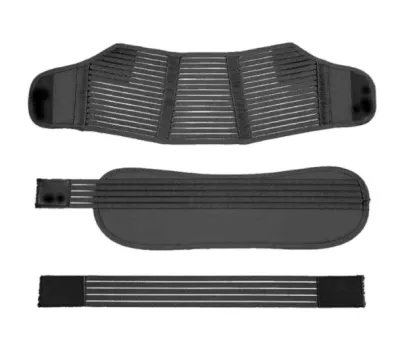
Maternity support belts are engineered exclusively for use during pregnancy to cradle and lift the growing bump. These belts feature a narrow, curved band that sits low under the abdomen, angling upward toward the lower back to redistribute the weight of the uterus. They often incorporate a wider back panel with soft padding or flexible boning to support the lumbar spine.
Crucially, maternity belts must never compress your abdomen or restrict the space needed for fetal development. Their primary function is to lift and stabilize rather than compress. Always consult the manufacturer’s sizing guide, which typically uses your current hip circumference or gestational week, to ensure a proper fit that allows for continued growth. Verify the specified weight limits and recommended hours of continuous wear to maintain safety.
Postpartum Recovery Wraps and Girdles
Postpartum recovery wraps are designed to be worn after delivery to provide gentle, even compression across the abdominal wall. This compression supports weakened core muscles, stabilizes the lower back, and helps reduce swelling as your uterus contracts.
If you are recovering from a Caesarean section, select a binder specifically designed with a soft, non-abrasive inner lining to protect your incision site from friction. Some brands offer specialized C-section panels that avoid applying direct pressure to the lower abdomen. Before using any postpartum binder, check the manufacturer’s instructions and consult your obstetrician or midwife to determine when it is safe to start wearing it, as early usage can interfere with surgical healing or pelvic floor recovery.
Pelvic Support Bands
Pelvic support bands, also known as trochanteric belts, are distinct from standard abdominal binders and serve a highly specific orthopedic function. These narrow, inelastic bands are designed to be worn low around the hips, directly over the pelvic bones.
Their primary purpose is to stabilize the sacroiliac joints and alleviate pelvic girdle pain (PGP) or symphysis pubis dysfunction (SPD). Unlike abdominal binders, they do not cover or compress the stomach. Understanding this distinction is essential to avoid purchasing the wrong product, as an abdominal binder will not provide the targeted pelvic stabilization required for severe hip and pelvic joint pain.
Where to Buy and Verify Trusted Brands Locally
When shopping for an abdominal binder in Singapore, purchasing through reliable channels helps ensure you receive an authentic, high-quality product. Local maternity specialty stores, physical boutiques, and retail pharmacies located within major maternity hospitals (such as KK Women’s and Children’s Hospital or Mount Alvernia Hospital) are excellent options. Visiting these locations allows you to examine the fabric texture, check the elasticity, and seek assistance from trained staff.
If you prefer online shopping, utilize official brand storefronts on established e-commerce platforms to guarantee product authenticity. Always review the store’s return and exchange policies before making a purchase. Due to strict hygiene regulations in Singapore, many retailers do not accept returns or exchanges on worn intimate apparel once the packaging has been opened.
To ensure an accurate fit, do not rely on your pre-pregnancy clothing sizes. Use a flexible measuring tape to measure your current under-bust, waist, and hip circumferences according to the brand’s specific sizing chart. If you are purchasing a postpartum binder during your third trimester, consult the manufacturer’s guidelines on how to estimate your postpartum size, as recommendations vary significantly between brands.
Safety Guidelines and When to Stop Using a Binder
While abdominal binders can provide significant physical comfort, they must be used with caution. Prior to using any maternity or postpartum binder, consult your obstetrician, midwife, or a specialized women’s health physiotherapist. This is particularly important if you have experienced a complicated delivery, have an active skin condition, or suffer from pelvic floor dysfunction.
Stop wearing the binder immediately and consult a healthcare professional if you experience any of the following warning signs:
- Numbness, tingling, or a "pins and needles" sensation in your legs, hips, or pelvic region.
- Difficulty breathing deeply or feeling short of breath.
- An increase in pelvic floor pressure, heaviness, or urinary incontinence.
- Sharp, localized, or worsening pain in your abdomen, back, or pelvis.
- Dizziness, lightheadedness, or nausea.
- Skin redness, itching, rashes, or broken skin under the binder.
To prevent muscle dependency, avoid wearing a binder continuously. Your core muscles need to engage and rebuild strength naturally. Limit wear to a few hours at a time during periods of physical activity or standing, and ensure you take regular breaks. A binder should never be used to mask severe or persistent pain; such symptoms require a thorough medical evaluation by a qualified healthcare professional.
Frequently Asked Questions (FAQ)
Can I wear an abdominal binder while sleeping?
Generally, wearing an abdominal binder while sleeping is not recommended. During sleep, your body needs to rest, breathe deeply, and circulate blood freely without external restriction. Continuous compression overnight can impede circulation, restrict natural respiratory movement, and increase the risk of skin irritation. Always consult your healthcare provider and check the specific manufacturer guidelines, as some specialized medical-grade binders may have different instructions for post-surgical recovery under direct medical supervision.
How tight should a postpartum binder feel?
A postpartum binder should feel like a firm, supportive hug rather than a restrictive corset. It should provide a sense of stability and gentle compression that helps you move more comfortably. It must never restrict your breathing, cause pain, or dig into your skin. If you feel downward pressure on your pelvic floor or find it difficult to take a deep breath, the binder is too tight and should be loosened immediately to prevent complications.
Do I need a different binder for pregnancy and postpartum?
Yes, pregnancy and postpartum binders serve entirely different anatomical purposes and are not interchangeable. Maternity support belts are designed to lift and support the weight of the growing abdomen without compressing it, protecting both the baby and your pelvic floor. Postpartum binders, conversely, are designed to apply gentle compression to help stabilize the recovering core and uterus. Wearing a compressive postpartum binder during pregnancy is unsafe and must be avoided.
Community discussion
Share your experience or ask a question. Comments are reviewed before publication.