
Selecting a portable infant car seat in Singapore requires navigating a complex landscape of international safety certifications, local traffic laws, and practical lifestyle demands. While many prominent global baby gear brands distribute car seats locally, parents cannot rely on brand reputation alone. Safety compliance is determined at the individual product level, meaning every specific model must be verified against recognized international standards before use. By understanding how to read certification labels and align them with Singapore’s unique transport regulations, you can confidently choose a seat that protects your child on every journey.
To ensure your infant’s safety, you must verify that any car seat you consider carries an official approval label from a recognized international testing authority. In Singapore, the most common and widely accepted certifications originate from European, American, Australian, British, and Japanese standards. Rather than assuming a brand is safe, parents must locate the physical orange or white certification sticker on the car seat shell, which serves as proof of independent regulatory testing.
Understanding International Safety Standards for Infant Car Seats
When evaluating portable infant car seats, the most common certifications you will encounter are the European Union standards, which are widely regarded as the global benchmark for child passenger safety. The older standard, ECE R44/04, classifies car seats based on the child’s weight. Under this system, infant carriers typically fall into Group 0 (up to 10 kg) or Group 0+ (up to 13 kg). While still legal and highly secure, R44/04 is gradually being phased out in favor of more modern testing protocols.
Products mentioned in this guide
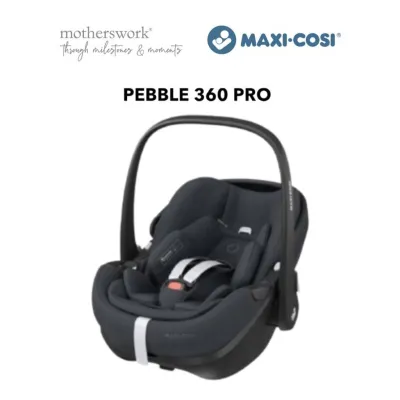
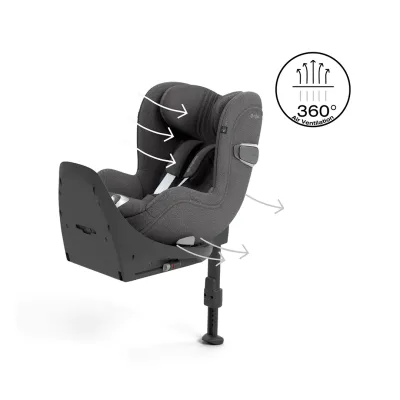
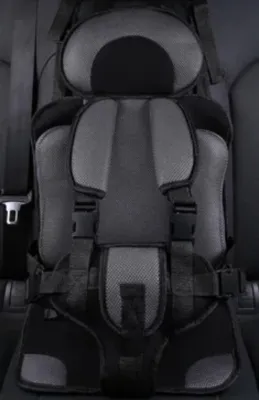
Prices are valid at publication and may change. Please refer to the product page for the latest price.
The newer European standard, ECE R129 (often referred to as i-Size), classifies car seats based on the child’s height rather than weight. This shift helps parents avoid moving their child to a larger seat too early, which is a common safety mistake. ECE R129 also introduces mandatory side-impact collision testing, uses advanced dummy technology with highly sensitive sensors to simulate real-world crash forces, and requires rear-facing travel until the child is at least 15 months old.
To verify these certifications, look for the orange approval label permanently affixed to the car seat’s plastic shell. This sticker contains critical information, including the specific standard met (such as ECE R129 or ECE R44/04), the category of application (such as “Universal,” meaning it fits most vehicles using standard seatbelts), and the approved height or weight range. The label also features a circle containing the letter “E” followed by a number, which indicates the European country that granted the approval.
While European standards dominate the Singapore market, you may also encounter seats certified under the United States Federal Motor Vehicle Safety Standard (FMVSS 213). These seats are also highly secure but use different labeling and installation mechanisms, such as chest clips, which are not typically found on European models. Regardless of the brand, always check that the specific model has a valid, unexpired certification sticker that matches one of these recognized global frameworks.
Singapore Local Regulations and Compliance Checks
In Singapore, child passenger safety is strictly regulated under the Road Traffic Act. The Land Transport Authority (LTA) mandates that anyone under the height of 1.35 meters must be secured with an approved child restraint or booster seat appropriate for their height and weight when traveling in a private vehicle. Failing to comply with these regulations can result in composition fines and demerit points for the driver, highlighting the legal importance of choosing a compliant seat.

However, the regulations differ significantly depending on the type of vehicle you are using. Public buses and traditional street-hailed or app-booked taxis are legally exempt from the child restraint requirement, allowing passengers under 1.35 meters to travel without a car seat. Despite this legal exemption, safety experts strongly advise using a portable infant car seat in taxis, as the physical forces of a collision remain identical regardless of the vehicle’s registration type.
Crucially, private hire cars—such as those booked through ride-hailing applications—are not exempt from the child restraint law. Because these vehicles are classified as private passenger cars, drivers are legally required to ensure all passengers under 1.35 meters are properly secured in an approved restraint. If you frequently travel via ride-hailing services in Singapore, owning a lightweight, portable infant car seat that can be quickly installed without a bulky base is an absolute necessity to avoid being refused service by drivers.
Before purchasing a portable seat, you must also verify its compatibility with the vehicles you use most frequently. While most modern cars in Singapore feature ISOFIX anchor points, many older vehicles or specific taxi models may not. A truly versatile portable infant car seat should offer dual-installation compatibility, allowing you to secure it firmly using either an ISOFIX base or the vehicle’s standard three-point seatbelt system.
How to Verify Brand Reputation and Safety Track Records
Beyond basic regulatory compliance, parents should investigate a brand’s safety track record and independent testing history. While a certification sticker guarantees that a seat meets the minimum legal safety requirements, independent consumer testing organizations subject car seats to far more stringent crash conditions. These independent tests provide a clearer picture of how a seat performs under extreme forces.
One of the most respected independent testing bodies is the German Automobile Club (ADAC), which publishes annual car seat test results in collaboration with other European consumer organizations. ADAC tests evaluate car seats at higher speeds and under more severe impact angles than standard regulatory tests. They also assess ease of use, ergonomic comfort, and the presence of harmful chemicals in the seat fabrics. You can search online databases for ADAC ratings, where a lower score indicates a safer, more user-friendly product.
In addition to crash test ratings, you should actively check for historical product recalls and safety notices. Reputable manufacturers maintain transparent communication channels and will promptly issue recall notices if a manufacturing defect or safety vulnerability is identified. You can monitor these updates by visiting the official website of Enterprise Singapore, which tracks consumer product safety recalls locally, as well as international safety databases.
Finally, look to parent reviews and community forums to evaluate how a car seat performs over months of daily use. While professional tests focus on crash safety, real-world feedback reveals practical durability issues, such as harness straps that twist easily, buckles that become stiff over time, or structural components that wear out prematurely. Focus on reviews that discuss mechanical reliability and ease of adjustment rather than purely aesthetic preferences.
Evaluating Portability and Daily Usability Features
For parents in Singapore who rely on public transport, taxis, and walking, the physical weight and portability of an infant car seat are just as important as its safety ratings. A seat that is too heavy or awkward to carry will quickly become a source of daily frustration. Look for infant carriers that weigh under 4.5 kilograms without compromising on structural safety features like energy-absorbing foam linings.
The design of the carry handle also plays a significant role in daily usability. Ergonomically shaped handles with non-slip grips make it much easier to carry the seat through crowded MRT stations, shopping malls, and HDB lift landings. Some handles are designed to rotate fully, allowing you to position them as an anti-rebound bar when installed in the vehicle, which provides an extra layer of safety during a collision.
To create a seamless travel experience, verify whether the portable infant car seat is compatible with your stroller. Many brands design “travel systems” that allow the infant carrier to click directly onto a stroller frame using specialized adapters. This feature is incredibly convenient, as it allows you to transition your sleeping baby from the car to the stroller without waking them or disturbing their harness alignment.
Given Singapore’s hot and humid tropical climate, the materials used in the car seat are critical for your baby’s comfort. Look for seats featuring breathable, moisture-wicking fabrics and integrated ventilation channels within the plastic shell to prevent your infant from overheating. A large, extendable canopy with a high UPF sun protection rating is also essential to shield your baby from the intense tropical sun during outdoor transfers.
Purchasing Channels and Pre-Use Inspection Checklist
To guarantee the authenticity and safety of your portable infant car seat, always purchase from authorized distributors, official brand stores, or reputable specialty baby shops in Singapore. Buying from unverified sellers on general online marketplaces or parallel importers carries significant risks, as you may inadvertently purchase counterfeit products, older models that do not meet current safety standards, or seats that have been stored incorrectly.
Avoid purchasing second-hand car seats from online classifieds or flea markets. A second-hand seat may have been involved in a collision, which can introduce invisible micro-fractures in the plastic shell that compromise its structural integrity. Additionally, second-hand seats often lack original instruction manuals, may have missing components, or may have exceeded their manufacturer-specified lifespan, which is typically five to ten years from the date of manufacture.
Before using your newly purchased car seat for the first time, perform a thorough physical inspection to ensure everything is in perfect working order. Use this step-by-step checklist to verify the seat’s condition:
- Check the Manufacturing Date: Locate the date stamp molded into the plastic shell or printed on a white tracking label to ensure the seat is fresh and well within its usable lifespan.
- Inspect the Shell and Foam: Remove the fabric cover to inspect the underlying EPS or EPP energy-absorbing foam for any cracks, chips, or signs of damage.
- Verify the Harness System: Ensure the harness straps are completely free of frays, twists, or manufacturing defects, and test the buckle multiple times to confirm it clicks securely into place.
- Confirm All Parts are Present: Cross-reference the contents of the box with the official instruction manual to ensure all infant inserts, shoulder pads, and adapters are included.
- Register the Warranty: Complete the manufacturer's warranty registration online immediately to ensure you receive prompt notifications regarding any future safety recalls or product updates.
Frequently Asked Questions (FAQ)
Can I use a portable infant car seat without a base in a taxi or private hire car?
Yes, most portable infant car seats are designed to be installed safely without a base using the vehicle’s standard three-point seatbelt. This baseless installation method is highly practical for traveling in taxis and private hire cars in Singapore. When installing the seat without a base, you must carefully route the vehicle’s seatbelt through the clearly marked blue or green belt guides on the car seat shell and pull the belt tight to eliminate any slack. Always check the manufacturer’s manual to ensure you are following the exact routing instructions for your specific model.
Are second-hand portable infant car seats safe to use?
Generally, safety experts strongly advise against using second-hand car seats unless you can verify the seat’s complete history from a trusted source, such as a close family member. Plastics and safety foams degrade over time, especially when exposed to high temperatures in parked cars. Furthermore, if a car seat has been involved in even a minor accident, it must be replaced immediately, as invisible structural damage can prevent it from protecting your child in a subsequent collision. Missing parts, expired lifespans, and untracked safety recalls also make second-hand seats a high-risk choice.
How long can an infant safely stay in a portable car seat?
Pediatricians and child safety organizations generally recommend that infants should not remain in a car seat for more than two hours within any 24-hour period. For young newborns, many experts suggest limiting continuous travel time to even shorter intervals. This recommendation exists because the semi-upright position of a car seat can cause a young infant’s heavy head to fall forward, potentially restricting their airway and reducing oxygen saturation. If you are embarking on a longer journey, plan regular breaks to take your baby out of the seat, and never use a portable car seat as a primary sleeping space at home.

Community discussion
Share your experience or ask a question. Comments are reviewed before publication.