
Finding a reliable push walker in Singapore requires looking past bright colors and catchy melodies to evaluate structural integrity, safety certifications, and real-world performance. For parents navigating the transition from crawling to taking those tentative first steps, a push walker serves as both a developmental tool and a source of play. However, not all brands offer the same level of stability, speed control, or material safety. To make an informed decision, parents must understand how to assess brand credibility, identify critical safety features, and verify feedback from local parenting communities. By focusing on engineering quality and developmental alignment, you can select a push walker that safely supports your child’s physical milestones.
What Makes a Push Walker Brand Trustworthy?
A trustworthy push walker brand prioritizes robust engineering and material safety above all else. When evaluating different brands, the choice of materials is a primary indicator of durability. High-quality brands typically offer products made from solid, sustainably sourced wood or high-density, impact-resistant plastics. Wooden models should feature rounded, splinter-free edges and non-toxic, water-based paints that can withstand a teething baby’s curiosity. Plastic models must be free from harmful chemicals like bisphenol A (BPA) and phthalates, ensuring a safe tactile experience for infants who frequently explore toys with their mouths.
Beyond materials, the physical architecture of the walker determines its safety. Reputable brands design their walkers with a wide, low-slung base that places the center of gravity close to the floor. This structural choice is critical because babies often use the walker’s handle to pull themselves up from a sitting position. A poorly balanced walker with a narrow base or high center of gravity can easily tip backward or sideways under the child’s weight, leading to falls. Trusted manufacturers conduct rigorous stability testing to ensure the frame remains grounded even when uneven downward force is applied.
Products mentioned in this guide
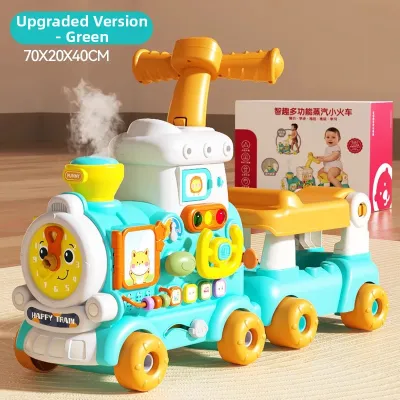
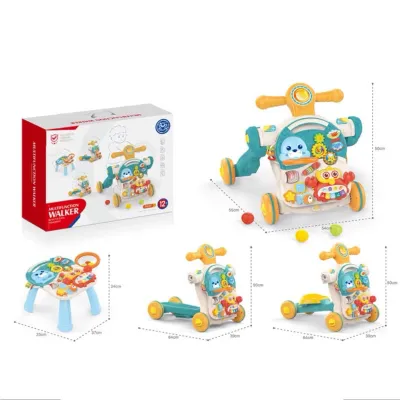
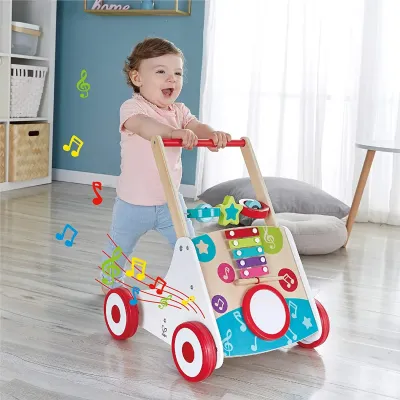
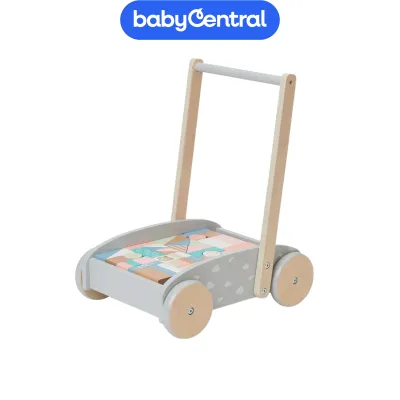
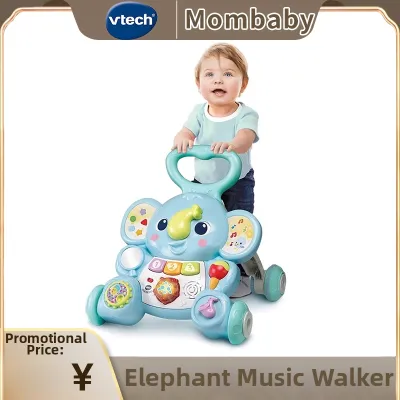
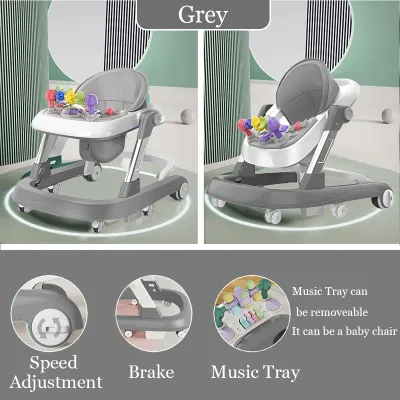
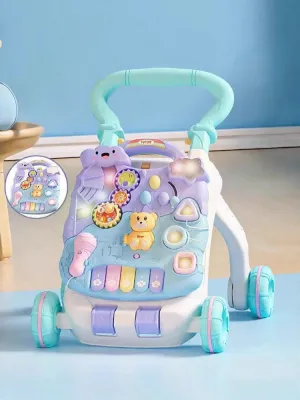
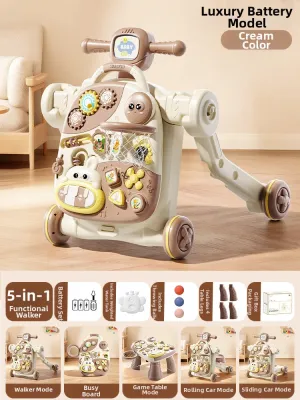
Prices are valid at publication and may change. Please refer to the product page for the latest price.
A brand’s history and transparency in the baby gear industry also serve as vital trust signals. Established manufacturers often have dedicated research and development teams that collaborate with pediatricians and physical therapists to design ergonomically sound toys. Furthermore, trustworthy brands maintain clear channels of communication, providing accessible customer service and transparent product documentation. When researching brands, parents should look for companies with a clean safety record and a proactive approach to product updates or voluntary recalls, which demonstrates a genuine commitment to child safety over profit margins.
Key Features to Look for in a Push Walker
To distinguish a premium push walker from a basic model, parents should examine the specific functional features that support a baby’s physical development. One of the most critical features is an adjustable handle height. As babies grow rapidly during their first year, a fixed-height handle can quickly become too low, forcing the child to hunch forward and compromise their developing posture. Conversely, a handle that is too high can cause the baby to overextend their arms, reducing their control over the walker. Brands that offer multiple height settings allow the walker to grow alongside the child, promoting an upright, natural walking posture.

Wheel design and speed control mechanisms are equally essential for preventing accidents, particularly on smooth indoor flooring common in Singapore homes, such as polished marble, ceramic tiles, or vinyl. Basic walkers often have free-spinning wheels that can roll away too quickly, causing an unsteady baby to lose their balance and fall forward. Trusted brands address this by incorporating adjustable wheel resistance or speed-control tension screws. This feature allows parents to tighten the wheels to provide resistance for early walkers who need a slower, more deliberate pace, and gradually loosen them as the child gains confidence and leg strength.
Additionally, the material of the wheels plays a significant role in traction and safety. Look for brands that utilize rubber-rimmed wheels or soft traction strips rather than hard, slick plastic. Rubber wheels grip smooth indoor surfaces more effectively, preventing lateral sliding and reducing noise as the walker moves across the room. They also protect delicate parquet or laminate flooring from scratches, making them a practical choice for modern apartments.
Finally, many push walkers feature integrated activity trays designed to engage babies when they are not walking. While these sensory panels add play value, they must be engineered carefully so they do not compromise the walker’s structural balance. Trusted brands ensure that heavy components, such as wooden blocks or complex mechanical toys, are positioned low on the frame to maintain a low center of gravity. If the activity tray is removable, the locking mechanism should be secure enough to prevent a baby from accidentally detaching it and losing their balance while leaning on the walker.
How to Verify Brand Reputation and Parent Feedback
With countless options available on local ecommerce platforms and in physical baby boutiques, verifying a brand’s reputation through independent sources is a crucial step. While manufacturer marketing materials highlight the best aspects of a product, real-world parent feedback reveals how the walker performs under daily use. Parents should cross-reference reviews across multiple independent platforms, such as local parenting forums, community discussion groups, and established retail websites. This helps paint an unbiased picture of the product’s longevity and safety.
When analyzing parent reviews, it is important to look for patterns in the feedback rather than focusing on isolated complaints. For instance, a single review mentioning a loose screw might indicate an assembly error by the user. However, if multiple reviews across different sites highlight recurring structural issues—such as wheels jamming, plastic latches cracking, or the walker tipping easily on carpeted surfaces—these are red flags pointing to systemic design or manufacturing flaws. Pay close attention to feedback regarding how well the speed control mechanism holds up over time, as some lower-quality models may lose wheel tension after a few weeks of use.
Another indicator of a brand’s reliability is how they respond to negative feedback and warranty claims. Reputable brands often monitor major retail platforms and community forums to address customer complaints directly. A brand that offers prompt troubleshooting advice, replacement parts, or hassle-free warranty service demonstrates strong post-purchase support. Before making a purchase, check if the brand has a local distributor or customer service center in Singapore, as this significantly simplifies the process of resolving any issues or obtaining replacement components.
Safety Standards and Manufacturer Checks
While brand reputation provides a solid foundation, parents must perform physical safety checks and adhere strictly to manufacturer guidelines to ensure safe usage. Every trusted push walker comes with specific manufacturer documentation detailing the recommended age, weight, and developmental milestones for the user. It is vital to recognize that these guidelines are not arbitrary; they are based on structural load limits and safety testing. Parents should locate these specifications on the product packaging or instruction manual and verify that their child falls within the safe operating range before introducing the walker.
In addition to age and weight limits, parents should look for visible safety standard marks printed on the product box or the unit itself. These marks indicate that the walker has undergone independent laboratory testing to meet rigorous regional or international safety requirements. Common standards to look for include the European Standard for toy safety (EN 71) or the American Society for Testing and Materials standard (ASTM F963). While these certifications are excellent indicators of compliance, they do not replace active parental supervision. Parents should treat these marks as baseline verifications rather than guarantees of absolute safety.
As a child uses the push walker, caregivers must remain vigilant for physical warning signs that indicate the walker is no longer safe or suitable. For example, if a baby attempts to climb onto the activity tray or stand on the lower frame, the risk of tipping increases dramatically. Similarly, if the child’s shoulders are hunched significantly below the handle height even at its highest setting, they have outgrown the walker. Once a child can walk independently and confidently without support, the push walker should be retired or transitioned solely into a toy cart, as its primary developmental purpose has been fulfilled.
Where to Buy and What to Check Before Checkout
Selecting where to purchase a push walker is just as important as choosing the brand itself. To ensure authenticity and secure a valid warranty, parents should buy from authorized brand boutiques, established physical nursery retailers, or official flagship stores on reputable online marketplaces. Purchasing from unauthorized third-party sellers or parallel importers may save money upfront, but it often voids the manufacturer’s warranty and increases the risk of acquiring counterfeit products that do not meet safety standards.
Once the push walker is purchased and delivered, parents should conduct a thorough unboxing inspection before allowing their baby near it. Begin by checking that all components listed in the manual are present and undamaged. Inspect the plastic or wooden surfaces for any manufacturing defects, such as sharp molding seams, rough wooden edges, or loose screws that could scratch a baby’s sensitive skin. If the walker has a strong chemical or paint odor upon opening, it is advisable to let it air out in a well-ventilated space or contact the manufacturer to verify the safety of the finishes used.
Finally, before completing the checkout process, carefully review the retailer’s return policy and the brand’s warranty registration procedure. Whether you are investing S$50 or upwards of S$150, a flexible return policy is essential in case the product arrives damaged or does not meet your expectations upon physical inspection. Many trusted baby gear brands require parents to register their purchase online within a specific timeframe to activate the warranty. Taking a few minutes to complete this registration ensures that you are covered for replacement parts or repairs should any structural components fail during the walker’s period of use.
Frequently Asked Questions (FAQ)
At what developmental stage should a baby start using a push walker?
A baby is typically ready to use a push walker when they can sit up independently without support and are actively pulling themselves up to a standing position using furniture. These milestones indicate that the child has developed the core strength, balance, and leg muscle coordination necessary to guide a moving object. Parents should avoid introducing a push walker prematurely, as a baby who cannot stand steadily may lean too heavily on the handle, causing the walker to slip away. Always consult the specific manufacturer’s minimum age, weight, and height guidelines, and ensure a caregiver is always present to supervise play.
Are push walkers with activity panels better than simple wooden ones?
The choice between an activity-panel push walker and a simple wooden model depends on your priorities for play and maintenance. Plastic walkers with integrated activity panels offer high sensory engagement, featuring buttons, lights, and sounds that develop fine motor skills, and they are generally lightweight and easy to wipe clean. Wooden push walkers, on the other hand, tend to be heavier, providing excellent natural stability and tipping resistance, and they offer a classic aesthetic. Regardless of the material, the primary safety factors remain structural stability, effective wheel resistance, and a low center of gravity, which parents must verify for any model they choose.
Community discussion
Share your experience or ask a question. Comments are reviewed before publication.