
Choosing a milk cooler bag that fits popular bottle brands like Pigeon, Avent, and Tommee Tippee in Singapore requires looking beyond generic brand compatibility claims. Because these brands feature vastly different shapes—ranging from slim standard necks to ultra-wide, bulbous contours—the key to a perfect fit lies in matching the physical dimensions of your specific bottles to the internal layout of the bag. By measuring your bottles with all accessories attached and evaluating the bag’s structural flexibility, you can safely transport breast milk or formula without the hassle of transferring liquids between different containers.
To ensure your feeding setup remains safe and functional on the go, always verify the bottle manufacturer’s specific instructions regarding temperature limits, sterilization, and travel use. If you ever suspect that stored milk has spoiled, or if your baby shows signs of feeding discomfort, stop using the stored milk immediately and consult a qualified healthcare professional.
Measuring Pigeon, Avent, and Tommee Tippee Bottles for the Right Fit
Baby bottles are far from uniform, and the three major brands—Pigeon, Philips Avent, and Tommee Tippee—each utilize distinct design philosophies that directly impact their physical footprint. Pigeon offers both Slimneck and Wide-Neck options. Pigeon Slimneck bottles are slender and tall, fitting easily into standard, narrow compartments. In contrast, Pigeon Wide-Neck bottles feature a broader base and a gently tapered body, requiring wider slots to sit flat and remain upright during travel.
Products mentioned in this guide
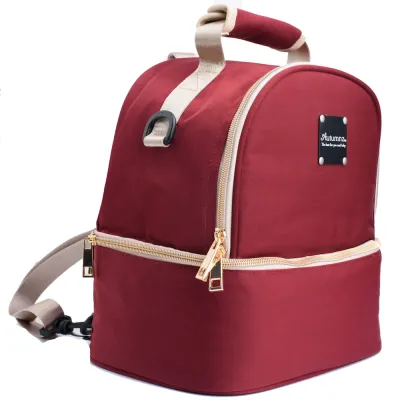
![[Free 2x Ice Packs] V-Coool Insulated Cooler Bag For Breastmilk Baby Food Waterproof Tote Bag Backpack Mummy Bag Diaper Bag Portable Lightweight Double Deck Breast Pump Accessories Breast Milk Keep Fresh Cold For Working Traveling Outing by 8miles](https://img.lazcdn.com/g/p/4fe02b0c0549c1688ec9ac2b9e6c6a97.jpg_400x400q80.jpg_.webp)
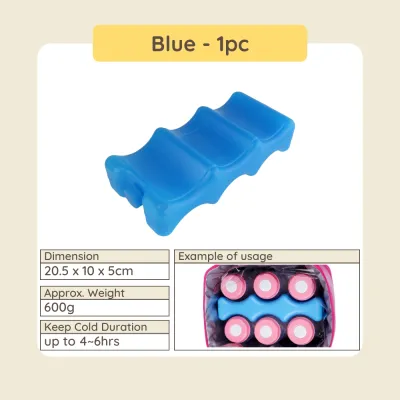
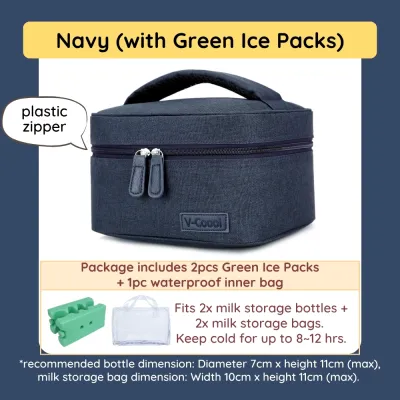
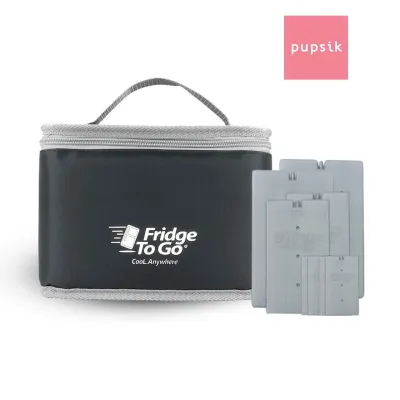
![[Free 2x Ice Packs] V-Coool Insulated Cooler Bag For Breastmilk Handsfree Wearable Pump 2 Layers Breast Milk Storage by 8miles](https://img.lazcdn.com/g/p/dcdc6cc00c7f3cac015387141b764a43.jpg_400x400q80.jpg_.webp)
Prices are valid at publication and may change. Please refer to the product page for the latest price.
Philips Avent bottles, particularly the Natural and Natural Response ranges, are designed with a wide, breast-shaped teat and a matching wide-profile body. Their base diameter is significantly larger than standard bottles, meaning they will not fit into tight, pre-sewn elastic bands inside a cooler bag. Attempting to force them into narrow slots can compress the bottle body or tilt it at an angle, increasing the risk of leaks.
Tommee Tippee Closer to Nature and Advanced Anti-Colic bottles are famous for their ultra-wide, ergonomic, bulbous shape. They mimic natural breastfeeding contours, which results in a very wide middle and base. These bottles require the most horizontal clearance of any mainstream bottle brand, making them a tight fit for standard, compact cooler bags.
To find a compatible milk cooler bag, you must measure three critical dimensions: the maximum base diameter, the widest point of the bottle body, and the total height with the teat, collar, and protective cap fully assembled. If you use sealing discs or travel caps instead of the standard teat assembly during transit, measure the bottle in that exact configuration to get an accurate height reading.
Do not just measure a single bottle in isolation. If your daily routine requires carrying multiple bottles, place them side-by-side on a flat surface in the configuration you plan to pack them, such as in a row or a triangular cluster. Measure the total length, width, and height of this cluster. This bounding box represents the minimum internal dimensions your cooler bag must possess to accommodate your daily feeding supply.
Cooler Bag Design Features That Ensure Bottle Compatibility
A basic insulated pouch might let bottles roll around, leading to leaks and potential contamination. To prevent this, look for cooler bags with customizable or flexible internal structures. Fixed, pre-sewn elastic loops are often designed for standard-neck bottles. If you try to force a wide-neck Avent or Tommee Tippee bottle into these loops, you risk tearing the stitching or stretching the elastic permanently. Instead, look for cooler bags featuring adjustable Velcro dividers that allow you to partition the interior space based on the exact width of the bottles you are carrying that day.

The height of the bag is just as critical as its width. When a cooler bag is packed to its limit, zipping it shut can put downward pressure on the bottle caps. For bottles with delicate venting systems, such as Tommee Tippee Advanced Anti-Colic or certain Avent models, this pressure can misalign the internal valves, leading to milk leakage during transit. Ensure there is at least one to two centimeters of clearance between the top of the bottle caps and the closed zipper.
Rigid plastic interior shells offer excellent structure and are easy to wipe clean, but they lack flexibility. If you mix bottle brands, a rigid shell might prevent you from squeezing in an extra-wide bottle. In contrast, soft-sided cooler bags with flexible, insulated foil or TPU (thermoplastic polyurethane) linings can stretch slightly outward, accommodating the irregular contours of mixed bottle shapes without wasting valuable space.
While flexibility is important, the insulation layer must not be compromised. High-density foam insulation helps maintain a stable internal temperature, which is particularly vital in Singapore’s humid, tropical climate. Ensure the soft lining is backed by adequate insulation thickness to keep the cold in without making the bag overly bulky or rigid.
Before making a purchase, remember that safety standards and product designs can change. Caregivers should independently verify safety standards and check for any active product recalls on both the bottles and the cooler bags to ensure maximum safety for their infants.
Building Your Condition-Based Cooler Bag Shortlist
Your choice of cooler bag should align with your daily lifestyle and feeding routines. A parent commuting to an office to pump milk has different spatial needs than a family taking a short weekend trip to a local park. Defining your primary usage scenario helps narrow down the physical style of the bag.
For short outings where you only need one or two bottles, a compact, single-compartment cooler bag is ideal. These bags often feature a simple strap that can clip onto a stroller. Ensure the internal width can accommodate a single wide Tommee Tippee bottle, which takes up almost double the space of a standard slim bottle.
For full-day outings or infant care drop-offs, you will likely need to carry three to four bottles along with ice packs. Double-decker cooler bags are highly popular for this scenario. They feature a bottom insulated compartment for milk storage and a top dry compartment for breast pump motor units, spare parts, or clean teats. Verify that the bottom compartment has sufficient height to stand your tallest bottles upright.
Before purchasing a milk cooler bag online or in-store, do not rely on generic compatibility lists. Check the manufacturer’s listed internal dimensions (length, width, and height) and compare them directly to your bottle cluster measurements. If the internal dimensions are not listed, look for user reviews or product Q&As where other parents share their experiences fitting specific brands like Avent Natural or Tommee Tippee.
Consider how easy the bag is to clean. Milk spills are inevitable, and a bag that absorbs liquids will quickly develop odors and mold. Look for waterproof, wipeable interior linings and durable exterior fabrics like water-resistant nylon or polyester that can withstand daily wear and tear.
Safe Milk Storage and Temperature Checks on the Go
A cooler bag alone cannot keep milk cold; it requires high-quality ice packs. Contoured ice packs, which feature curved recesses designed to hug the sides of round bottles, are highly efficient because they maximize the contact surface area. However, these contoured packs are often bulky and designed for standard-width bottles. If you use wide-neck Avent or Tommee Tippee bottles, verify that the curves of the ice pack are wide enough to accommodate them, or opt for flat, flexible gel packs instead.
When packing your cooler bag, place the ice packs in direct contact with the bottle bodies, especially the areas containing the milk. Avoid placing heavy ice packs directly on top of bottle caps, as this can cause the caps to pop off or compress the teats, leading to spills. Ensure the bottles are packed snugly so they do not tip over when the bag is carried.
In Singapore’s warm climate, keeping milk at a safe temperature is a priority. While high-quality cooler bags paired with frozen ice packs can keep milk cold for several hours, you should regularly check the condition of the ice packs. If the ice packs have completely melted and the interior of the bag feels warm, the milk’s temperature may have compromised. Always refer to local health guidelines, such as those from Singapore’s Health Promotion Board, for specific safe storage durations for breast milk and prepared formula.
To protect your baby’s health, maintain strict hygiene practices when using a cooler bag. Wipe down the interior lining after every use with a baby-safe sanitizing spray or wipe to prevent the growth of bacteria. Ensure that the bottle teats and collars remain covered by their protective caps at all times while inside the bag, preventing any direct contact with ice packs or the bag’s inner lining.
Frequently Asked Questions (FAQ)
Can I mix Pigeon and Avent bottles in the same cooler bag?
Yes, you can mix Pigeon and Avent bottles in the same cooler bag, but you must plan the layout carefully. Pigeon Wide-Neck bottles are slightly narrower than Avent Natural bottles, while Pigeon Slimneck bottles are much thinner. If your bag has fixed elastic slots, place the wider Avent bottles in the main open compartment and the slimmer Pigeon bottles in the slots. If using a bag without dividers, use a flexible ice pack or a small clean cloth to wedge between the bottles, preventing them from clashing against each other and tipping over during transit.
Do I need a specific cooler bag for Tommee Tippee anti-colic bottles?
You do not need a brand-specific cooler bag for Tommee Tippee Advanced Anti-Colic bottles, but you must choose a bag with generous vertical and horizontal clearance. These bottles feature an internal venting tube that extends upward, making them slightly taller than standard Closer to Nature bottles of the same volume. Additionally, their wide, ergonomic base requires significant horizontal space. Avoid compact, flat-style cooler pouches; instead, opt for deep, box-shaped cooler bags with flexible linings or adjustable dividers that can accommodate their unique, bulky shape without compressing the venting valves.
Community discussion
Share your experience or ask a question. Comments are reviewed before publication.