
Prawns can be a highly nutritious addition to your baby’s diet, but introducing them requires careful timing, preparation, and close observation. As a common allergen, shellfish must be introduced systematically to ensure your infant’s safety. When prepared correctly or selected from high-quality commercial options, prawn cereal offers essential nutrients that support early physical and cognitive development.
Is Prawn Safe for Babies? Understanding the Basics
Introducing solid foods is a major milestone, and many parents wonder when it is safe to offer shellfish like prawns. Pediatric consensus generally supports introducing common food allergens, including shellfish, once your baby has successfully tolerated basic starter solids like single-grain cereals and simple vegetable purees. This transition typically occurs around six months of age, provided the infant shows clear signs of developmental readiness, such as sitting with minimal support and showing interest in food.
When considering prawn cereal, it is vital to distinguish between real prawn ingredients and artificial prawn flavorings. Many commercial snack foods or adult-targeted cereals use artificial flavorings, high levels of sodium, and chemical additives to mimic the taste of seafood. These products are entirely unsuitable for infants. Safe infant options must contain actual, finely processed prawn meat or pure prawn powder without added salt, preservatives, or artificial enhancers.
Products mentioned in this guide
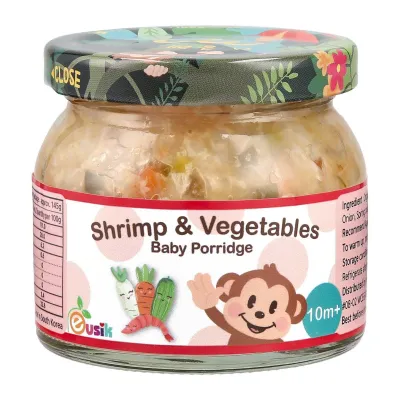
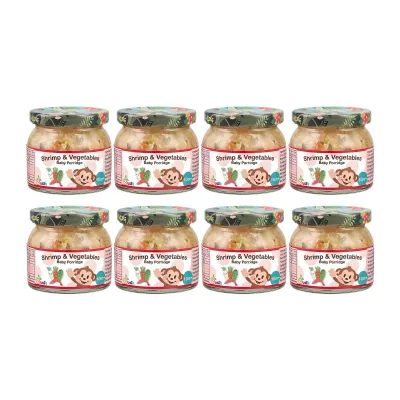
Prices are valid at publication and may change. Please refer to the product page for the latest price.
Before introducing any high-allergen food, consulting your pediatrician is a highly recommended step. This is especially critical if your baby has a diagnosed food allergy, moderate-to-severe eczema, or if there is a strong family history of allergic reactions. A healthcare professional can provide personalized guidance, assess your baby’s specific risk profile, and help you establish a safe introduction plan tailored to your child’s developmental stage.
Nutritional Benefits of Prawn for Growing Babies
Prawns are packed with essential nutrients that can significantly benefit your growing baby when offered as part of a balanced diet. They serve as an excellent source of high-quality protein, which is fundamental for the rapid muscle growth and tissue repair that occurs during infancy. Introducing diverse protein sources early on helps support your baby’s overall physical development and energy levels.

In addition to protein, prawns contain key micronutrients such as zinc and iron. Iron is particularly crucial for infants around the six-month mark, as their natural iron stores accumulated during gestation begin to deplete. Dietary iron supports healthy blood cell production and cognitive development, while zinc plays a vital role in maintaining a robust immune system and promoting cellular growth.
Prawns also provide omega-3 fatty acids, which are essential for brain development and visual acuity in infants. While these nutrients are highly beneficial, parents should remember that no single food can meet all of an infant’s nutritional requirements. Prawn cereal should be viewed as one component of a highly varied, colorful diet that includes a wide range of fruits, vegetables, grains, and other protein sources to ensure comprehensive nutrient intake.
How to Safely Introduce Prawn and Monitor for Allergies
Introducing a high-allergen food like prawn requires a structured approach to isolate potential reactions. Standard pediatric guidelines recommend introducing only one new allergen at a time, leaving a gap of three to five days before offering another new food. This window allows you to clearly identify the source of any adverse reaction. It is best to offer the new food in the morning or early afternoon, giving you ample time to monitor your baby’s behavior and physical condition throughout the day.
To start, prepare a very small amount of prawn—such as a quarter of a teaspoon of finely pureed prawn or infant-safe prawn powder—and mix it thoroughly into a familiar, well-tolerated food like plain rice cereal or oat porridge. This familiar base ensures your baby is comfortable with the texture while allowing you to introduce the new protein in a controlled, minimal dose. If your baby accepts this small amount without any issues, you can gradually increase the quantity over subsequent feedings.
During and after the feeding, monitor your baby closely for any signs of an allergic reaction. Mild symptoms may include localized hives, a mild red rash around the mouth, or slight itching. More severe reactions can manifest as widespread hives, swelling of the face, lips, or tongue, repetitive vomiting, coughing, wheezing, or visible difficulty breathing.
If you observe any mild symptoms, stop feeding the prawn cereal immediately, gently clean your baby’s face and hands with water, and contact your pediatrician for advice. If you notice any severe symptoms, such as swelling, breathing difficulties, or lethargy, seek emergency medical help immediately. Never attempt to reintroduce prawn or any other shellfish if your baby has shown a suspected allergic reaction without explicit guidance and clearance from a qualified medical professional.
Evaluating Commercial Prawn Cereal: Reading Labels and Ingredients
If you choose to purchase commercial prawn cereal, careful label reading is essential to protect your baby’s health. Turn the package over and scrutinize the ingredient list first. Real prawn, prawn powder, or dehydrated prawn should be clearly listed as an ingredient, rather than “prawn flavor” or “seafood seasoning.” Avoid products that contain added MSG, artificial preservatives, colors, or synthetic flavor enhancers, as an infant’s developing digestive system and kidneys are not equipped to process these additives.
Sodium and sugar levels require strict evaluation. Many commercial cereals designed for older children or adults contain high levels of salt and sugar to appeal to mature palates. For infants, look for products with zero added sugar and minimal sodium content. Compare different brands and select options specifically formulated for infants, which are legally required to meet stricter safety and nutritional standards.
Allergen cross-contamination is another critical factor to verify on the packaging. Look for precautionary allergen labeling, such as “manufactured in a facility that also processes soy, wheat, or dairy,” especially if your baby has known sensitivities to other food groups. Responsible manufacturers clearly disclose these risks to help parents make informed decisions.
Finally, always check the age recommendations printed on the packaging. These guidelines are not arbitrary; they correspond to the texture, particle size, and digestive complexity of the food. Offering a cereal designed for older toddlers to a younger infant can present a serious choking hazard or lead to digestive discomfort. Verify that the product matches your baby’s current developmental stage and physical chewing capabilities.
Safe Preparation Tips for Homemade Prawn Cereal Mixes
Preparing a homemade prawn cereal mix allows you to control every ingredient, ensuring maximum freshness and safety. Start by sourcing fresh, high-quality prawns from a reputable vendor. Thoroughly wash, peel, and deveine the prawns, removing the dark digestive tract completely. Cooking the prawns thoroughly is non-negotiable; they must be cooked until the flesh is completely opaque and firm to eliminate any harmful foodborne pathogens.
Maintain strict kitchen hygiene throughout the preparation process. Use separate cutting boards and utensils for raw seafood and other ingredients to prevent cross-contamination. Wash your hands, surfaces, and equipment thoroughly with warm, soapy water before and after handling raw prawns.
Once fully cooked, process the prawns into a texture that matches your baby’s current swallowing capabilities. For babies just starting solids, blend the cooked prawn with a little breast milk, formula, or water until it forms a completely smooth, lump-free puree. You can then stir a small spoonful of this puree into your baby’s prepared plain infant cereal. As your baby grows and develops better chewing skills, you can transition to finely minced or mashed prawn to help them practice handling more complex textures.
Frequently Asked Questions (FAQ)
Can I give prawn cereal to my 6-month-old baby?
Yes, you can introduce prawn cereal to a 6-month-old baby, provided they have already tolerated basic, single-ingredient starter foods like plain rice or oatmeal cereal. Before offering prawn, ensure your baby displays key physical signs of readiness, such as good head control, sitting upright with support, and the ability to swallow food rather than pushing it out with their tongue. It is highly recommended to introduce plain, single-grain cereals first to establish a safe baseline before mixing in potentially allergenic foods like prawn.
What should I do if my baby shows a mild reaction to prawn cereal?
If your baby shows a mild reaction, such as a few hives or a mild rash around the mouth, stop feeding the prawn cereal immediately. Gently wipe your baby’s face and hands with a damp cloth to remove any remaining food residue. Document the reaction by taking clear photos of the rash and noting the exact time, symptoms, and amount of food consumed. Contact your pediatrician promptly to discuss the symptoms, and do not attempt to offer prawn or any other shellfish again until you have received professional medical clearance.
Community discussion
Share your experience or ask a question. Comments are reviewed before publication.