
Choosing between Evorie’s PPSU and glass baby bottles comes down to matching the material’s physical properties with your daily feeding routine, sterilization habits, and travel needs. While both options are designed for infant feeding and are free from BPA, they differ significantly in weight, shatter resistance, and long-term wear. Selecting the right bottle involves understanding how these materials behave under high heat, how they handle daily drops, and how their maintenance requirements fit into your lifestyle.
For parents navigating the early stages of infancy, bottle-feeding is a frequent, round-the-clock task. The choice of material impacts not only the ease of preparation and cleaning but also your baby’s transition to independent holding. By evaluating the practical trade-offs of polyphenylsulfone (PPSU) and borosilicate glass, you can make an informed decision that supports your child’s developmental milestones and your own peace of mind.
Understanding the Core Differences: PPSU vs Glass
PPSU, or polyphenylsulfone, is a high-performance, medical-grade plastic alternative that has gained widespread popularity in pediatric care. It is highly durable, naturally heat-resistant, and possesses a characteristic honey-colored or amber tint. Unlike standard plastics, PPSU is engineered to withstand repeated sterilization cycles without rapidly degrading, making it a robust option for parents who want the lightweight benefits of plastic without compromising on structural integrity.
Products mentioned in this guide
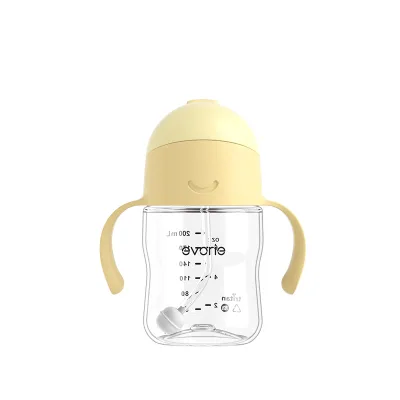
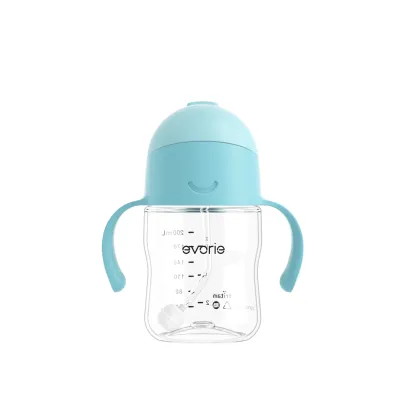
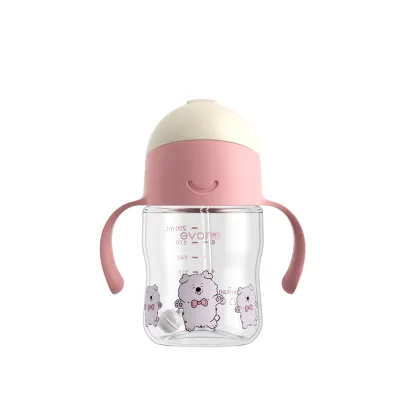
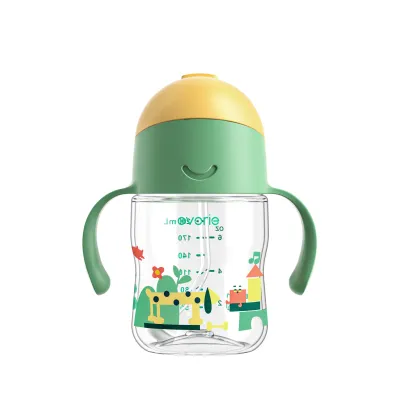
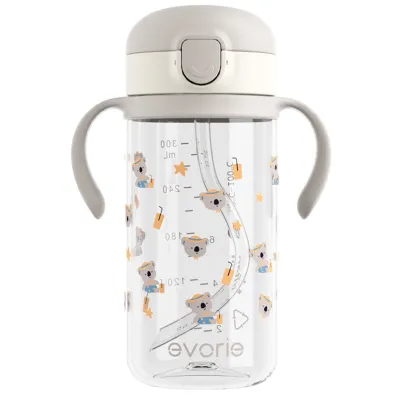
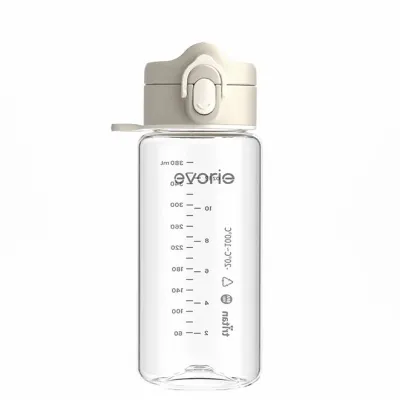
Prices are valid at publication and may change. Please refer to the product page for the latest price.
Borosilicate glass, on the other hand, represents the traditional standard for infant feeding. Known for its exceptional resistance to thermal shock, this type of glass can transition from cold to hot temperatures with minimal risk of cracking. It is an inert material, meaning it does not react with food, absorb stubborn milk odors, or retain stains from repeated use.
Because both materials are inherently free from BPA and other common plasticizers, the decision-making process shifts away from basic chemical safety. Instead, parents can focus on practical, everyday factors such as physical handling, weight, long-term durability, and the specific maintenance routines required to keep the bottles hygienic.
Safety and Heat Resistance: What to Check on the Label
Sterilization is a cornerstone of infant feeding hygiene, and both PPSU and glass offer excellent heat resistance. However, their thermal limits and compatibility with different sterilization methods vary. Glass naturally tolerates extremely high, consistent temperatures, making it highly compatible with traditional boiling, electric steam sterilizers, and microwave sterilization bags. It is virtually immune to the structural degradation that heat can cause over time.

PPSU also boasts impressive heat resistance, often tolerating temperatures up to 180 degrees Celsius, though you must verify the exact limit printed on your specific Evorie packaging. While PPSU handles steam and boiling water exceptionally well, parents using UV sterilizers should exercise caution. Some polymers can experience accelerated aging or discoloration when exposed to continuous UV light. Always check the manufacturer’s instructions to confirm whether UV sterilization is recommended for your specific bottle model.
It is equally important to remember that a baby bottle is an assembly of multiple materials. While the bottle body (whether glass or PPSU) may have a high heat threshold, other components like silicone nipples, polypropylene (PP) collar rings, and protective caps typically have lower temperature limits. Before subjecting the entire disassembled bottle to high-heat sterilization, verify the individual temperature limits of each component on the product label to prevent warping or premature wear.
Durability and Daily Handling: Weight, Breakage, and Travel
The physical weight of a bottle plays a significant role in daily feeding comfort, especially during late-night sessions or when traveling. PPSU bottles are remarkably lightweight. This characteristic makes them highly portable and easy to pack into a diaper bag for outings, doctor visits, or infant care drop-offs. Furthermore, as your baby grows and begins to develop fine motor skills, the lightweight nature of PPSU makes it much easier for them to grasp and hold the bottle independently under adult supervision.
In contrast, borosilicate glass bottles are noticeably heavier. While the weight can feel substantial and premium in a caregiver’s hand, it can be challenging for an older infant to hold. The primary drawback of glass is its fragility. Accidental drops on hard kitchen tiles, outdoor pavements, or even from a high chair can cause the bottle to chip, crack, or shatter. This risk requires caregivers to maintain close supervision during feeding times.
To mitigate the risk of breakage, parents choosing glass often look for protective accessories. When purchasing, check if the specific bottle design is compatible with silicone sleeves, which can provide a non-slip grip and absorb minor impacts. If your daily routine involves frequent travel, stroller feedings, or active environments, the shatterproof nature of PPSU offers a distinct practical advantage over glass.
Cleaning and Maintenance: Staining, Odors, and Lifespan
Maintaining bottle hygiene is a daily task that reveals the long-term wear characteristics of each material. Glass is highly favored for its ease of cleaning. Its smooth, non-porous surface resists the buildup of milk fats and oils, which can sometimes leave a cloudy film on plastic containers. Glass bottles do not absorb odors, meaning they smell fresh even after prolonged use, and they maintain their crystal-clear transparency throughout their lifespan.
PPSU is highly resistant to staining compared to standard polypropylene bottles, but it is still a polymer. Over months of use and repeated sterilization, PPSU may develop a deeper amber tint or show minor surface wear. When cleaning PPSU, it is crucial to avoid abrasive cleaning tools like stiff wire brushes, which can create micro-scratches on the inner walls. These tiny scratches can become breeding grounds for bacteria and make the bottle harder to clean. Instead, opt for soft silicone or sponge brushes.
Regardless of the material you choose, regular visual inspections are essential for infant safety. Establish a routine to check your bottles during washing:
- For Glass: Inspect the rim, base, and threads closely for hairline cracks, chips, or internal scratches. If any damage is detected, discard the bottle immediately to prevent glass particles from entering the milk or injuring the handler.
- For PPSU: Look for deep scratches, persistent cloudiness that does not wash away, sticky residues, or structural warping. While glass can last indefinitely if undamaged, manufacturers generally recommend replacing plastic and polymer bottles every few months of active use. Check the product packaging for the recommended replacement interval.
Decision Framework: Which Evorie Bottle Fits Your Lifestyle?
To finalize your choice, consider how each material aligns with your household setup, your baby’s age, and your daily logistics. There is no single superior option; rather, there is a material that best fits your current parenting phase.
Choose PPSU if:
- You travel frequently, commute often, or need to pack multiple bottles for daycare.
- Your baby is transitioning to self-feeding and needs a lightweight, shatterproof bottle they can easily hold.
- You want peace of mind knowing that an accidental drop on a hard floor will not result in broken glass and spilled milk.
Choose Glass if:
- You primarily feed your baby at home and have a dedicated, stable setup for preparation and cleaning.
- You prioritize long-term material clarity, scratch resistance, and a bottle body that does not absorb milk odors or stains.
- You prefer a highly sustainable option that can be used continuously without regular replacement, provided it remains free of chips and cracks.
Verify first if:
- You need to check the compatibility of the bottle with your existing breast pump adapters or sterilization equipment.
- You want to confirm the availability of protective silicone sleeves or specialized cleaning brushes designed for the material you select.
- You are reviewing the manufacturer's official guidelines on the packaging for exact sterilization limits and recommended replacement timelines.
Frequently Asked Questions (FAQ)
Can I mix PPSU and glass bottles from the same brand?
Whether you can interchange accessories like nipples, collar rings, and caps between PPSU and glass bottles depends entirely on the specific design generation and neck size of the bottles. Many brands design wide-neck systems where the silicone nipples and collars fit both material types, but this is not universal. Always verify cross-compatibility on the official packaging or product documentation before attempting to mix components to ensure a leak-free seal.
Does PPSU leach chemicals when heated?
PPSU is a medical-grade polymer specifically engineered to maintain structural and chemical stability under high temperatures. It is formulated without BPA, BPS, or other harmful plasticizers, making it highly resistant to chemical leaching during standard sterilization. To ensure the material remains stable, always adhere strictly to the manufacturer’s recommended heating, boiling, or steaming limits, and replace any bottle that shows signs of physical degradation, warping, or persistent stickiness.
Community discussion
Share your experience or ask a question. Comments are reviewed before publication.