
When planning outdoor activities with your baby in Singapore, finding a clean, comfortable, and safe surface for them to rest or play on is a top priority. The Dfang mat has gained attention among local parents as a potential solution for outdoor outings, but whether it is the right choice for your family depends on several practical factors. To make an informed decision, you must evaluate how well a specific Dfang model aligns with your typical outing locations, transit methods, and hygiene standards.
For parents who frequent structured outdoor spaces like sheltered park pavilions, wooden boardwalks, or dry grassy lawns at the Singapore Botanic Gardens, a cushioned, foldable mat can offer an excellent balance of comfort and protection. However, Singapore’s unique tropical climate—characterized by high humidity, sudden rain showers, and damp ground—demands careful scrutiny of any gear you bring outside.
Before purchasing, you should verify the mat’s exact dimensions, weight, and waterproof capabilities. While some models excel in indoor playrooms, their portability and weather resistance must be verified before they can be deemed suitable for outdoor adventures. This guide will walk you through the essential evaluation criteria, real-world usage scenarios, and maintenance steps to help you determine if this mat fits your active lifestyle.
Products mentioned in this guide
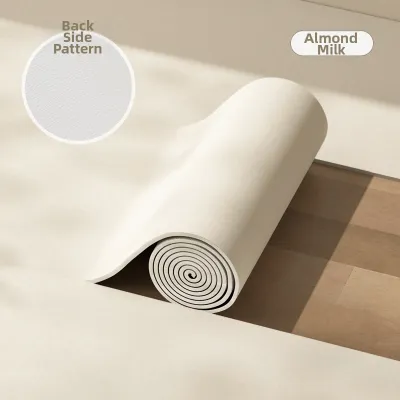
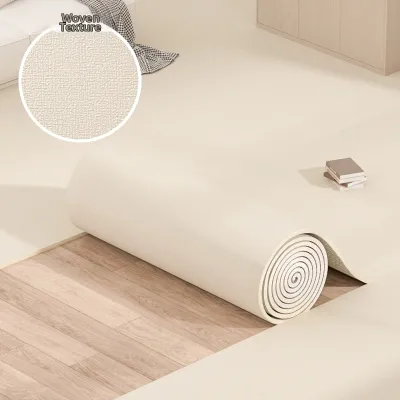
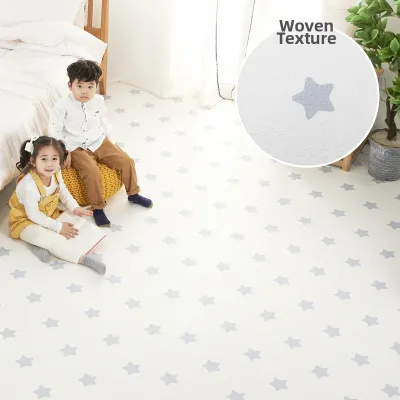
Prices are valid at publication and may change. Please refer to the product page for the latest price.
Essential Features for Baby Mats in Singapore's Outdoor Environment
Using a baby mat outdoors in Singapore requires a product that can withstand challenging environmental conditions while keeping your infant safe and comfortable. The local climate presents specific challenges that do not apply to indoor use, making certain features absolute necessities rather than optional luxuries.
First and foremost, a reliable moisture and ground barrier is essential. Even on hot, sunny afternoons, the soil and grass in Singapore’s parks often retain significant moisture from morning dew or recent tropical downpours. A mat without a robust waterproof bottom layer will allow dampness to seep through, leading to wet clothes, discomfort, and a fussy baby. The barrier must also prevent sharp grass blades, twigs, and sand from penetrating the surface where your baby crawls.
Hygiene maintenance is another critical factor. Outdoor surfaces are exposed to dirt, bird droppings, insects, and public foot traffic. Additionally, babies naturally spill milk, drop snacks, and drool during play. A suitable outdoor mat must feature a non-porous, easy-to-clean surface that can be sanitized quickly on-site and thoroughly cleaned at home. Materials that absorb liquids or trap dirt in deep crevices can quickly become breeding grounds for bacteria and mold in our warm, humid weather.
Portability is a major consideration for parents navigating Singapore’s public transport system or packing a crowded car trunk. A practical outdoor mat must be lightweight and fold into a compact shape. It should ideally feature integrated carrying handles, a dedicated travel strap, or a storage bag to keep the dirty underside isolated from your other belongings. If a mat is too heavy or awkward to carry alongside a stroller, diaper bag, and baby, it will likely end up left behind at home.
Finally, material safety remains paramount. Because infants spend significant time in direct contact with the mat—often during tummy time when their faces are close to the surface—the materials must be entirely non-toxic. Parents should look for clear product labels indicating the absence of harmful chemicals such as phthalates, lead, BPA, and formamide. Independent safety certifications from recognized international testing bodies provide the best assurance of material safety.
How to Evaluate the Dfang Mat for Your Specific Needs
To determine if a Dfang mat is suitable for your family’s outdoor excursions, you should systematically evaluate its physical specifications and product labels. Rather than relying on general brand reputation, inspecting the specific model’s details ensures it meets your practical requirements.

Begin by checking the manufacturer’s stated material composition and thickness. Dfang mats are commonly constructed from materials like polyvinyl chloride (PVC) or polyurethane (PU) foam, which offer different levels of cushioning and weight. For outdoor use, look for a thickness that provides adequate protection against hard ground, such as concrete pavilion floors or gravel paths, without adding excessive bulk. A thickness of around 1 to 1.5 centimeters often strikes the right balance, offering comfortable support for a crawling baby’s knees while remaining manageable to transport.
Next, verify the waterproof or water-resistant claims on the product packaging or official online listings. It is important to distinguish between “water-resistant” fabrics, which merely repel light splashes for a short time, and “waterproof” surfaces, which completely block liquid penetration. For Singapore’s damp lawns, a fully waterproof outer skin or coating is highly recommended. Check if the seams are sealed or welded, as stitched seams can sometimes allow moisture to seep through over time when placed on wet grass.
Assess the folding design and actual packed dimensions to ensure compatibility with your transit gear. Measure your stroller’s under-seat storage basket or check if the folded mat can be securely strapped to the stroller frame. Some folding mats utilize an accordion-style design that allows them to fold flat, keeping the side that touches the ground folded against itself. This design is highly beneficial because it prevents dirt and moisture from the bottom of the mat from contaminating the clean top surface where your baby sits.
Lastly, review the care instructions provided by the manufacturer. An ideal outdoor mat should be simple to maintain. Verify whether the surface can be wiped down with standard baby-safe sanitizing wipes or if it requires specialized cleaning agents. Avoid models that specify dry-clean only or warn against any exposure to moisture, as these restrictions are highly impractical for outdoor use in a tropical climate.
Real-World Scenarios: Where the Dfang Mat Shines and Where It May Fall Short
Visualizing how a mat performs in specific local environments can help you decide if it matches your family’s weekend routines. Different outdoor settings in Singapore present unique challenges that will test the limits of any portable baby gear.
Structured Parks and Pavilions
A cushioned folding mat shines brightest in structured, semi-outdoor environments. If your typical outing involves visiting sheltered pavilions at Pasir Ris Park, concrete plazas, or dry, shaded wooden decks at the Southern Ridges, a thick foam mat provides an excellent, clean play zone. It effectively insulates your baby from the hard, cold ground, allowing them to practice rolling, sitting, or crawling safely while family members relax nearby.
Uneven Terrain and Sandy Beaches
On the other hand, highly uneven terrain, such as the sandy shores of Sentosa or bumpy, unmanicured grass fields, can reveal the limitations of semi-rigid foam mats. A thicker folding mat may not sit flat on uneven ground, creating small ridges or wobbles that can frustrate a baby trying to balance. Additionally, fine beach sand can easily find its way into the folding creases of the mat, making cleanup tedious. For these environments, a thinner, completely flat ground sheet might be easier to manage, or you may need to use a simple tarp underneath the mat to protect its joints from trapping sand.
Space and Age Considerations
Consider your baby’s developmental stage when choosing a mat size. A compact, travel-friendly mat is perfect for younger infants who are content with stationary play, tummy time, or sleeping in a shaded spot. However, once your baby reaches the crawling or toddler stage, they will quickly move beyond the boundaries of a small portable mat. If you require a very large play area, the resulting mat will naturally be heavier and bulkier to transport, requiring a trade-off between play space and ease of carrying.
Sun Exposure and Heat Retention
Singapore’s intense tropical sun can cause synthetic mat surfaces to heat up rapidly. Materials like PU or PVC can become uncomfortably hot if left in direct sunlight, even for a few minutes. When using the mat outdoors, always position it entirely within deep shade, such as under a large tree or a park shelter. Always test the surface temperature with the back of your hand before placing your baby down, and monitor the mat throughout the day as the sun shifts.
What to Look for if the Dfang Mat Doesn't Fully Meet Your Requirements
If your evaluation reveals that a specific Dfang model does not align with your outdoor needs, you can use a structured framework to compare alternative portable mats available on local e-commerce platforms or in specialty baby stores.
Prioritizing Must-Have Features
Start by separating your absolute must-have features from nice-to-have extras. For instance, if you rely heavily on public transport, ultra-lightweight portability and a compact fold are non-negotiable must-haves, whereas thick cushioning might be a secondary priority. Conversely, if you primarily travel by car and visit concrete parks, maximum impact absorption should be your primary focus.
Single-Layer vs. Multi-Layer Mats
Compare the structural designs of alternative mats:
- Single-Layer Waterproof Mats: Made of lightweight polyester or nylon with a TPU backing, these mats are highly packable and machine-washable. However, they offer virtually no cushioning against hard ground.
- Multi-Layer Insulated Foam Mats: These feature internal foam cores (such as XPE or EPE) sandwiched between waterproof outer layers. They provide superb comfort but are significantly bulkier to carry and cannot be machine-washed.
Evaluating Folding and Storage Styles
Look closely at how alternative mats fold. Some mats roll up into a cylinder, which can be awkward to pack into a stroller basket and often retains a curled shape when laid out on the ground. Accordion-folding mats or puzzle-style play mats offer different advantages. Puzzle mats allow you to customize the size but are impractical for quick outdoor setups because individual tiles can easily get lost or dirty.
Verifying Safety Standards
When looking at alternative brands, always check for independent safety testing marks relevant to baby products. Look for labels indicating compliance with standards such as EN71 in Europe, ASTM F963 in the United States, or the KC mark in South Korea. These certifications verify that the mat has been tested for mechanical safety, flammability, and the absence of toxic heavy metals or volatile organic compounds.
Cleaning and Maintenance Tips for Outdoor Baby Mats
Proper care and maintenance are vital to keep your portable baby mat hygienic, safe, and durable, especially when subjected to the harsh outdoor conditions of Singapore. Establishing a consistent cleaning routine will protect your investment and ensure a clean environment for your child.
Immediate Post-Outing Steps
Before folding your mat to head home, take a few moments to perform a basic cleanup. Shake the mat vigorously to remove loose grass, dirt, sand, and insects. Use a baby-safe, alcohol-free wet wipe to clean up any immediate spills, spit-up, or mud spots. If the bottom of the mat is damp from the grass, wipe it dry with a clean cloth or tissue before folding it, which prevents moisture from being trapped inside the folds during your journey home.
Deep Cleaning Procedures
Once home, perform a more thorough cleaning based on the manufacturer’s guidelines. For most foam mats, a gentle wipe-down with a soft cloth dampened with warm water and a mild, baby-safe dish soap is highly effective. Avoid using harsh chemical bleach, abrasive scrubbing brushes, or strong household disinfectants, as these can degrade the protective waterproof coating and damage the foam core. If the mat has a removable fabric cover, wash it according to the temperature and cycle recommendations on the care label.
Proper Storage Practices
Singapore’s high humidity creates an ideal environment for mold and mildew to grow on damp surfaces. Never store your baby mat while it is still wet or damp. After cleaning, lay the mat flat or hang it up in a well-ventilated indoor area to air dry completely. Avoid leaving the mat in direct sunlight for extended periods to dry, as intense UV rays can cause synthetic materials to fade, crack, or become brittle over time. Once fully dry, store it in a cool, dry closet away from direct heat sources.
Monitoring for Wear and Tear
Regularly inspect your mat for signs of damage that could compromise safety. Look for peeling outer layers, cracked seams, or exposed inner foam, which can present a choking hazard if a baby bites or tears off a piece. Additionally, if the mat develops a persistent musty odor that does not disappear after cleaning, it may indicate internal mold growth within the foam core. In such cases, the mat should be replaced immediately to protect your baby’s respiratory health.
Frequently Asked Questions (FAQ)
Can I use a portable baby mat directly on wet grass or sand?
While many portable baby mats are water-resistant, using them directly on highly saturated grass or wet sand can lead to moisture seeping through the seams or fabric over time. To ensure your baby stays completely dry, check the manufacturer’s specifications to confirm if the mat is fully waterproof. If you are unsure, or if the ground is exceptionally wet, it is highly recommended to lay a simple, inexpensive waterproof ground tarp down first, and then place your cushioned baby mat on top of the tarp.
How do I know if a baby mat's material is safe for my infant?
To verify the safety of a baby mat, always inspect the product packaging, labels, and manufacturer’s website for recognized safety certifications. Look for certifications such as the KC (Korea Certification) mark, European EN71 compliance, or ASTM international standards, which confirm the product has undergone rigorous testing for toxic substances. Additionally, avoid purchasing mats that emit a strong, pungent chemical odor when first opened, as this can indicate the off-gassing of volatile organic compounds that are unsuitable for infants.
What is the best way to store a portable mat in a stroller?
The most efficient way to transport a portable mat depends on its folding design and your stroller’s configuration. If your mat features an accordion-fold design, it can often slide flat into the under-seat storage basket or stand upright against the backrest of the stroller seat. For mats equipped with integrated carrying straps or handles, you can hang them securely from stroller organizer hooks attached to the handlebar, provided the mat is lightweight and does not cause the stroller to become unbalanced or tip backward.
Community discussion
Share your experience or ask a question. Comments are reviewed before publication.