
Finding a postpartum binder that offers genuine comfort for daily wear in Singapore requires balancing structural support with the realities of a hot, humid climate. The ideal binder should feel like a supportive second skin rather than a restrictive corset, allowing you to move, breathe, and care for your newborn without chafing, rolling, or overheating. To achieve this, you must look beyond marketing promises and evaluate specific material compositions, closure mechanisms, and structural designs that match your daily routine and recovery stage.
Key Comfort Features to Evaluate in Postpartum Binders
In Singapore’s tropical climate, heat and humidity are constant challenges during postpartum recovery. A binder made of heavy, non-breathable synthetic materials can trap sweat against your skin, leading to heat rash, contact dermatitis, or irritation around healing incisions. Look for fabric blends that incorporate breathable fibers like bamboo-derived rayon, cotton, or lightweight, aerated mesh panels. These materials facilitate airflow and wick moisture away from the body, keeping your skin dry and comfortable during walks to the local market or while resting at home. The weave density also plays a critical role; a loose, breathable weave provides support without creating a solid barrier that traps body heat.
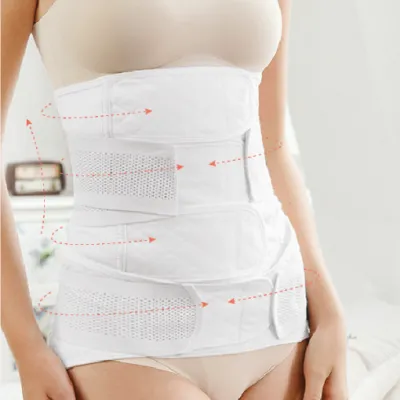
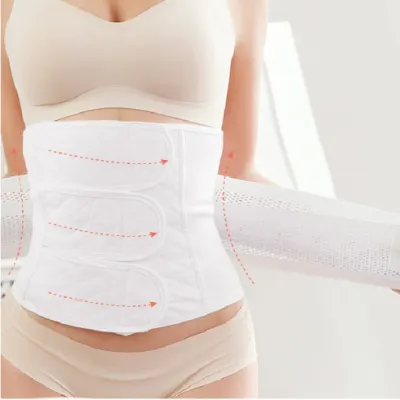
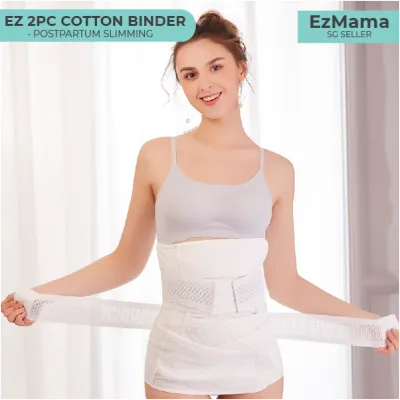
Postpartum bodies undergo rapid changes in shape and size during the first few weeks after childbirth. A binder with limited adjustability will quickly become either too loose to provide support or too tight to wear comfortably. Velcro closures offer the highest level of micro-adjustability, allowing you to tighten or loosen specific zones of the binder as your swelling subsides. However, the quality of the Velcro matters; stiff, cheap fasteners can scratch your skin or snag your clothing. Hook-and-eye closures provide a secure, flat profile under clothing but offer less incremental adjustability, while seamless pull-on designs provide a smooth silhouette but lack customizable compression.
Products mentioned in this guide
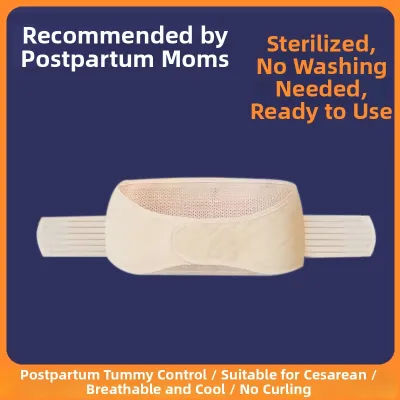
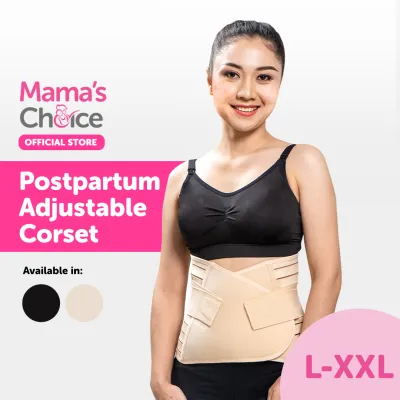
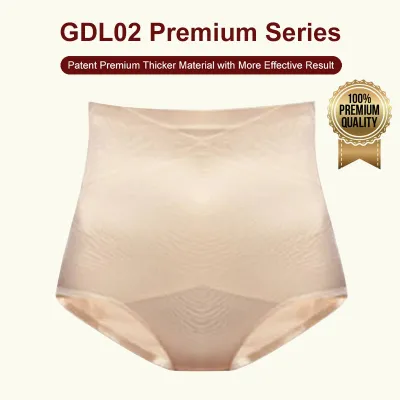
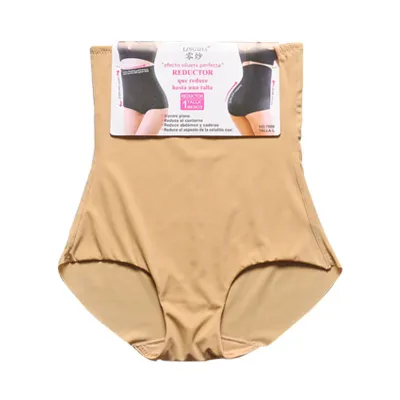
Prices are valid at publication and may change. Please refer to the product page for the latest price.
The edges of a postpartum binder are common friction points that can cause significant discomfort. If the top or bottom hems are finished with stiff, rough thread, they can dig into your ribs or hips when you sit down. Look for binders with flat-locked seams, covered edges, or plush fabric borders that minimize friction against sensitive skin. If the binder features structural boning for back support, verify that the stays are flexible and fully encased in padded channels. Stiff plastic or metal boning that is poorly padded can poke through the fabric, causing pain when you bend over to lift your baby.
Matching Binder Styles to Your Daily Routine and Recovery Stage
Your daily routine and recovery stage should dictate the style of binder you choose. During the early postpartum weeks, your body requires gentle, customizable support as your uterus contracts and your internal organs return to their pre-pregnancy positions. Wrap-around binders, which typically feature multiple adjustable panels, are highly effective during this initial phase. These designs allow you to apply targeted compression to different areas of your abdomen, accommodating fluctuating swelling and changing body contours. Because wrap-around styles can be adjusted easily while lying down or sitting, they minimize physical strain during the early days when your mobility may be limited.

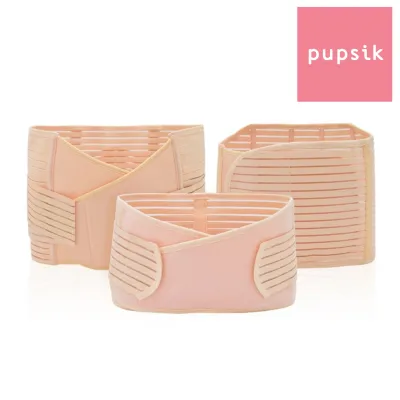
As you progress in your recovery and begin returning to light daily activities, such as short walks or running errands, your needs will shift. At this stage, a pull-on or seamless tube-style binder may become more practical. These styles offer a lower profile, making them virtually invisible under everyday clothing like lightweight dresses or t-shirts. Seamless tube binders provide mild, uniform compression that supports your core without the bulk of heavy Velcro straps or multiple layers of fabric, making them highly suitable for extended wear during light household tasks or social outings.
The method of delivery also significantly influences which binder style is most comfortable. For those recovering from a surgical delivery, waistband placement and pressure distribution are critical safety and comfort factors. A binder that sits directly on or rubs against a healing incision can cause severe pain and delay wound healing. If you had a surgical delivery, look for binders specifically designed with a high-waisted profile or those that feature a soft, non-abrasive protective panel over the lower abdomen. For vaginal deliveries, a standard wrap that provides even pressure across the entire midsection, including the lower pelvis, can help stabilize the pelvic girdle and support the pelvic floor.
How to Verify Brand Claims and Product Specifications
With numerous brands claiming to offer the most comfortable postpartum support, it is essential to know how to independently verify these assertions. Start by reading the care labels and material composition lists provided on the manufacturer’s website or packaging. Avoid products that rely heavily on thick, non-breathable synthetic materials without any ventilation features. Look for specific material percentages, such as a high ratio of cotton or bamboo-derived rayon blended with a small percentage of elastane or spandex for stretch. If a brand claims its product is fully breathable but does not disclose the fabric composition, treat this as a signal to investigate further.
Sizing is another critical area where verification is necessary. Never purchase a postpartum binder based on your pre-pregnancy clothing size or your size during the third trimester without consulting the brand’s specific sizing chart. Postpartum anatomy is unique, and sizing standards vary widely between brands. To get an accurate fit, use a flexible measuring tape to measure the circumference of your abdomen at its widest point, typically around the belly button, as well as your hips. Compare these measurements directly with the manufacturer’s sizing guide, and if your measurements fall between two sizes, check if the brand recommends sizing up or down for comfort.
Be cautious of brands that make unrealistic physical transformation claims in their product descriptions. Phrases suggesting that a binder will instantly flatten your stomach, burn belly fat, or permanently shrink your waistline are red flags. Postpartum binders are designed to provide temporary structural support and comfort during the natural healing process; they do not cause weight loss or permanent body reshaping. Additionally, reputable brands will always include clear medical usage disclaimers, advising users to consult their healthcare providers before use, especially if they have experienced complications during delivery.
Safe Usage Guidelines and When to Stop Wearing
While a postpartum binder can significantly enhance your comfort and mobility, safe usage is paramount to prevent injury and support long-term recovery. Always adhere strictly to the daily wear-time limits and mandatory break schedules outlined in the product manual. Most manufacturers and healthcare professionals recommend wearing a binder for only a few hours at a time, rather than all day and night. Prolonged, uninterrupted compression can weaken your core muscles by doing the work for them, potentially delaying your natural strength recovery. Plan to remove the binder during periods of rest, such as when you are sleeping.
It is vital to listen to your body and recognize the physical signals that indicate you need to remove the binder immediately. If you experience any numbness, tingling, or a pins-and-needles sensation in your abdomen, hips, or legs, the binder is likely too tight or misaligned. Restricted breathing, shortness of breath, or an inability to take a deep, comfortable breath are clear signs that the compression is excessive. Regularly inspect your skin for signs of breakdown, such as deep red marks that do not fade quickly, chafing, blisters, or raw spots. If you notice an increase in pelvic floor pressure, heaviness, or pelvic pain, stop wearing the binder immediately.
Before purchasing or wearing any compression garment, consult your obstetrician, gynecologist, or a specialized women’s health physiotherapist. This consultation is especially critical if you had a surgical delivery, experienced a perineal tear, or have a history of pelvic floor dysfunction. A qualified professional can assess your individual recovery progress, verify that your incision is healing well, and provide personalized guidance on when to start wearing a binder, how long to wear it each day, and when it is safe to transition away from abdominal support entirely.
Frequently Asked Questions (FAQ)
How tight should a postpartum binder feel for all-day comfort?
A postpartum binder should feel snug and supportive, similar to a firm hug, but it should never feel restrictive or painful. You should be able to breathe deeply, speak comfortably, and sit down without the binder digging into your ribs or hips. A helpful way to check the fit is to slide two fingers flat under the edge of the binder; if you cannot do this easily, the binder is too tight. Physical indicators of excessive tightness include bulging skin at the edges, acid reflux, shallow breathing, or a feeling of downward pressure on your pelvic floor.
What is the best way to wash and maintain binder elasticity?
To preserve the elasticity, structural integrity, and softness of your postpartum binder, always follow the manufacturer’s specific care instructions. Generally, hand-washing in cool water with a mild, hypoallergenic detergent is the safest method to prevent fiber degradation. If you use a washing machine, place the binder in a mesh laundry bag, secure all Velcro fasteners to prevent snagging, and select a delicate cycle with cool water. Always air-dry the binder flat or hang it in a shaded area away from direct sunlight and heat sources, as high temperatures from dryers can melt elastic fibers and warp structural boning.

Community discussion
Share your experience or ask a question. Comments are reviewed before publication.