
Evaluating whether Little Blossom crackers are a nutritious addition to your baby’s diet begins with a careful inspection of the product packaging. While front-of-pack labels often highlight appealing keywords like “natural” or “organic,” the true nutritional value is found in the ingredient list and the nutrition facts panel on the back. Because an infant’s digestive system and nutritional requirements are highly sensitive, parents must verify that any commercial snack aligns with their child’s specific developmental stage and daily dietary limits.
Introducing packaged snacks can offer convenience for busy parents, but these items should never compromise nutritional quality. A baby’s early relationship with food shapes their taste preferences and eating habits for years to come. By learning how to analyze the ingredients and nutritional profiles of products like Little Blossom crackers, you can make informed decisions that support your baby’s growth and overall well-being.
How to Decode the Ingredient List on Baby Crackers
Reading the ingredient list is the most reliable way to understand what you are actually feeding your baby. Ingredients are listed in descending order by weight, meaning the first few items make up the majority of the cracker. When examining Little Blossom crackers or similar baby snacks, check if the primary base consists of nutrient-dense whole grains, such as brown rice, quinoa, or whole wheat, rather than highly refined flours or starches that offer minimal nutritional value.
Products mentioned in this guide
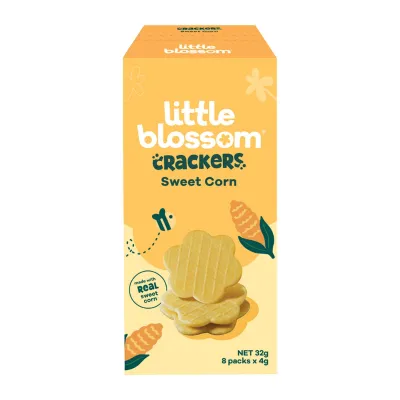
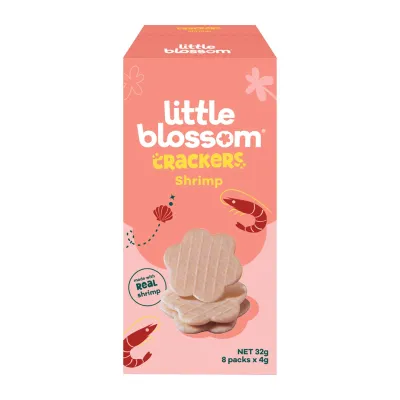
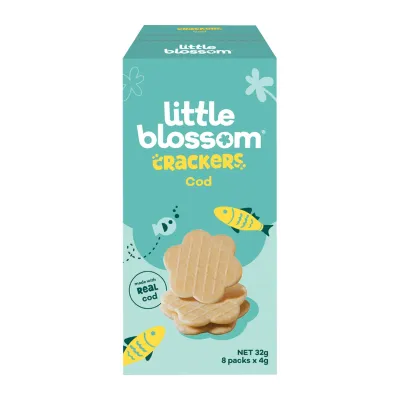
Prices are valid at publication and may change. Please refer to the product page for the latest price.
Parents must remain vigilant against hidden sugars and sodium sources that frequently find their way into commercial baby foods. Manufacturers often use alternative names for sugar, such as maltodextrin, fruit juice concentrate, cane syrup, or dextrose. Even if a product claims to have “no added sugar,” the inclusion of concentrated fruit juices can significantly increase the simple sugar content, potentially encouraging a preference for overly sweet flavors early in life.
Artificial additives, preservatives, and synthetic flavorings are other components to watch out for on the packaging. High-quality baby snacks should feature a short, recognizable list of whole-food ingredients without unnecessary chemical stabilizers or artificial colors. If you encounter a long list of unfamiliar chemical names, it is often a sign of a highly processed product that may not be optimal for a developing digestive system.
Allergen declarations and cross-contamination warnings are critical safety elements on any snack package. Always check the lower portion of the ingredient list for bolded allergen statements warning of the presence of wheat, soy, milk, eggs, peanuts, or tree nuts. If your family has a history of food allergies, or if your baby is newly transitioning to solids, look for explicit precautionary labels indicating whether the product was manufactured in a facility that processes common allergens.
Assessing the Nutritional Profile for Your Baby
Beyond the ingredient list, the nutrition facts panel provides quantitative data to help you evaluate if a snack fits within your baby’s daily dietary boundaries. Sodium is a primary concern for infants, as their immature kidneys cannot process high amounts of salt. Pediatric guidelines generally recommend keeping sodium intake to an absolute minimum during the first year of life, so you should look for snacks that contain zero or negligible milligrams of sodium per serving.

Evaluating the macronutrient balance of a cracker helps determine whether it provides sustained energy or merely empty calories. A snack that consists entirely of simple carbohydrates will digest rapidly, leading to quick spikes and drops in blood sugar. In contrast, crackers that provide modest amounts of dietary fiber, healthy fats, or protein will help keep your baby satisfied for longer periods while supporting steady energy levels.
It is also important to distinguish between naturally occurring vitamins and synthetic fortification on the nutrition label. Some commercial snacks are artificially fortified with iron, calcium, or B vitamins to boost their nutritional profile on paper. While fortification can help fill nutritional gaps, obtaining these essential vitamins and minerals from whole-food ingredients is generally preferred for optimal absorption and digestive comfort.
Comparing different snack options side-by-side on an online marketplace or specialty baby store shelf allows you to identify which products offer genuine nutritional value. Look closely at the serving size listed at the top of the panel, as some brands may present artificially low sodium or sugar counts by defining an unrealistically small serving size. Always calculate the nutritional intake based on the amount your baby is actually likely to consume.
Texture, Choking Hazards, and Age Appropriateness
Physical safety is just as important as nutritional content when selecting baby snacks. The texture of a cracker must match your baby’s current oral motor skills and teething milestones. For younger babies who are just beginning to explore solid foods, crackers must have a highly soluble, melt-in-the-mouth texture that dissolves rapidly upon contact with saliva, minimizing the need for advanced chewing.
Parents can perform a simple manual test to evaluate the hardness and safety of a baby cracker before offering it. Place a sample cracker between your thumb and forefinger and apply gentle pressure; it should crumble or flatten easily. You can also place a small piece on your own tongue to observe how quickly it dissolves without active chewing. If the cracker remains hard, sharp, or gummy, it may pose a significant choking risk for an inexperienced eater.
Identifying physical signs of choking hazards is a vital skill for caregivers. Avoid snacks that break into sharp, jagged shards or those that require strong molar pressure to grind down. As babies develop their pincer grasp, they may attempt to stuff multiple crackers into their mouths at once, which can quickly overwhelm their ability to swallow safely.
Establishing safe feeding practices is the ultimate defense against choking incidents. Always ensure your baby is seated completely upright in a secured high chair during snack times, rather than reclining or eating while on the move in a stroller or car seat. Maintain active, undistracted caregiver supervision throughout the entire meal, keeping your eyes on your baby to spot any silent signs of distress immediately.
Integrating Crackers into a Balanced Daily Diet
Commercial snacks should play a supportive, secondary role in your baby’s overall dietary pattern. For infants under twelve months, breastmilk or infant formula must remain the primary source of nutrition and hydration. Solid foods, including crackers, are intended to introduce new textures and flavors rather than displace the essential calories, proteins, and fats provided by milk feeds.
To prevent snacks from interfering with main meals, establish structured eating schedules and practice portion control. Offering crackers too close to a scheduled milk feed or lunch can dull your baby’s appetite, leading them to reject more nutrient-dense foods later. Treat crackers as occasional convenience items rather than a daily dietary staple.
An excellent way to elevate the nutritional value of a simple cracker is by pairing it with nutrient-dense whole foods. You can use a low-sodium cracker as a vehicle for healthy spreads, such as a thin layer of mashed avocado, smooth unsweetened nut butter, or a dollop of plain, full-fat Greek yogurt. This practice not only boosts the protein and healthy fat content of the snack but also exposes your baby to diverse flavor combinations.
Always remain attentive to your baby’s satiety cues and physical reactions when introducing any packaged snack. If your baby turns their head away, spits out the food, or loses interest, respect these signs of fullness and stop the feeding. Additionally, monitor your baby’s skin and digestion for any unusual reactions, and consult a pediatrician if you notice signs of discomfort, rashes, or changes in bowel habits after introducing a new product.
Frequently Asked Questions (FAQ)
Can babies eat commercial crackers every day?
While commercial baby crackers offer convenience, they should not be a daily staple in an infant’s diet. Relying on packaged snacks every day increases the risk of your baby filling up on relatively low-nutrient foods, which can displace the essential vitamins and minerals they need from breastmilk, formula, and whole foods. Daily exposure to processed textures may also limit a baby’s willingness to accept the varied textures of fresh fruits, vegetables, and meats.
To foster healthy eating habits, prioritize whole, minimally processed foods for daily snacks, such as steamed vegetable batons, soft fruit slices, or homemade purees. Reserve commercial crackers for travel, emergencies, or occasional treats. Offering a wide variety of whole foods ensures your baby receives a broad spectrum of natural nutrients while developing a versatile palate.
What should I do if my baby gags on a cracker?
It is common for babies to gag when learning to manage solid textures like crackers, as their gag reflex is triggered much closer to the front of the tongue than in adults. Gagging is a normal, noisy, and protective physiological response that helps push oversized food pieces forward to prevent them from entering the airway. If your baby gags, remain calm, allow them to cough, and avoid sticking your fingers into their mouth, which can accidentally push the food further down.
Choking, on the other hand, is a silent and life-threatening emergency where the airway is fully blocked. Signs of choking include an inability to cry, cough, or breathe, high-pitched squeaking noises, or skin turning blue. Caregivers should familiarize themselves with infant cardiopulmonary resuscitation (CPR) and choking first aid protocols, and seek immediate emergency medical assistance if a baby is choking.
Community discussion
Share your experience or ask a question. Comments are reviewed before publication.