
Introducing solid foods is a major milestone in your baby’s first year, marking a transition from an all-milk diet to a world of diverse flavors and textures. For many parents, infant cereal serves as the traditional first step in this weaning journey. It is highly favored because of its smooth, easily digestible consistency and its ability to be customized to different thicknesses as your baby’s feeding skills progress. However, transitioning to solids is about more than just practice; it is a critical window for bridging the nutritional gap that naturally develops as your baby grows and requires more than what breast milk or formula alone can provide.
With numerous baby food brands available in Singapore, parents must look closely at what goes into these early meals. Little Blossom, a brand known for its clean-label approach, has become a popular choice among local caregivers seeking wholesome options. To make an informed decision for your family, you must understand how to critically evaluate the ingredient quality, nutritional profile, and developmental suitability of Little Blossom cereal. By learning what to look for on the packaging, you can ensure that your baby’s first spoonfuls support their rapid growth and health requirements.
Decoding the Ingredient List: What to Look For in Little Blossom Cereal
When evaluating any baby food, the ingredient list on the back of the packaging is your most reliable tool. In Singapore, as in many international markets, food labeling regulations require ingredients to be listed in descending order by weight. This means the very first ingredient listed makes up the largest portion of the cereal, while the last ingredient is present in the smallest amount. Understanding this simple rule helps you cut through marketing claims on the front of the box and see exactly what you are feeding your child.
Products mentioned in this guide
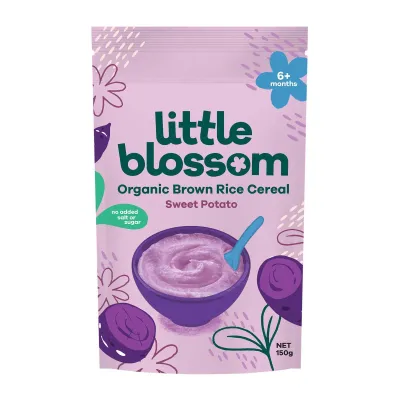
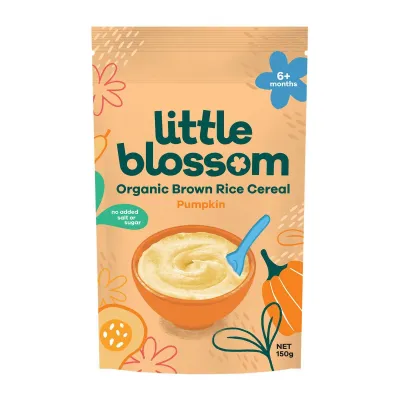
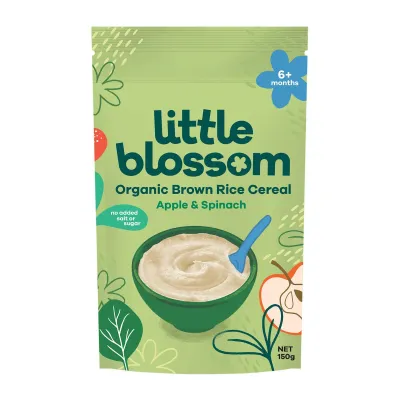
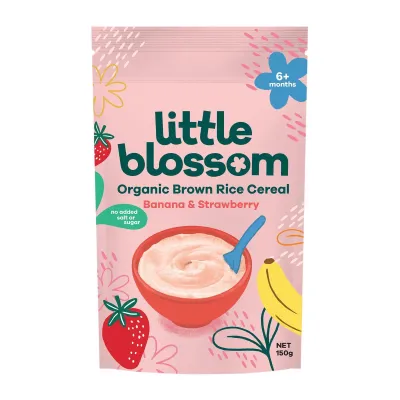
Prices are valid at publication and may change. Please refer to the product page for the latest price.
Because product formulations can change or vary depending on the specific flavor or product line, you should make it a habit to check the packaging of the specific box you purchase. Manufacturers occasionally update their recipes or source different ingredients, so a quick verification ensures there are no surprises. When reading the label of a Little Blossom cereal product, you want to focus on three main aspects: the quality of the carbohydrate base, the presence of any sweeteners, and the inclusion of unnecessary additives.
Prioritizing Whole Grains
The foundation of any high-quality baby cereal should be a nutrient-dense grain. When reviewing the ingredient list, check to see if a whole grain, such as brown rice, oats, or quinoa, is listed as the very first ingredient. Whole grains retain all parts of the grain seed—the bran, germ, and endosperm. This structural integrity is important because the bran and germ contain the majority of the grain’s natural dietary fiber, B vitamins, and essential minerals.
In contrast, refined grains undergo processing that strips away these nutrient-rich layers, leaving behind mostly starch. While refined grains are easy to digest, they lack the natural nutritional depth and fiber of whole grains. Fiber is particularly valuable during the weaning stage, as it helps support your baby’s developing digestive system and promotes regular bowel movements as they transition to solid foods.
Spotting Added Sugars and Sweeteners
Infants have an innate preference for sweet tastes, which is why many commercial baby foods are formulated with added sugars to make them more palatable. However, introducing added sugars early in life can shape a baby’s taste preferences toward overly sweet foods, potentially leading to a rejection of more bitter or neutral flavors like vegetables later on. Furthermore, frequent exposure to added sugars can impact developing primary teeth.
To protect your baby’s nutritional habits, carefully scan the ingredient list for hidden sweeteners. Added sugars can appear under many different names, including cane sugar, brown rice syrup, corn syrup, maltodextrin, dextrose, fructose, and fruit juice concentrates. It is important to distinguish these from naturally occurring sugars, such as those found in plain milk or the dried fruit powders used to flavor baby foods. Naturally occurring sugars from whole fruit sources come packaged with beneficial vitamins and fiber, whereas added sugars offer empty calories without nutritional benefits.
Avoiding Unnecessary Additives
A simple, minimalist ingredient list is highly desirable when choosing food for a developing infant. A baby’s digestive and metabolic systems are still maturing, meaning their bodies are more sensitive to synthetic inputs. When evaluating Little Blossom cereal, look for the absence of artificial colors, artificial flavors, and synthetic preservatives.
Ideally, the ingredient list should be short, transparent, and composed of recognizable, whole-food ingredients. If you see a long list of chemical names, stabilizers, or emulsifiers, it may indicate a highly processed product. Choosing cereals with minimal processing helps ensure your baby is getting pure, wholesome nutrition without unnecessary chemical exposure.
Key Nutritional Benefits to Verify on the Nutrition Label
Beyond the ingredient list, the Nutrition Information Panel (NIP) provides a quantitative breakdown of the nutrients your baby will receive per serving. This panel allows you to verify whether the cereal meets the specific dietary guidelines recommended for your baby’s age group. Because a baby’s nutritional requirements change rapidly during their first year, you should compare the values on the label against the latest pediatric guidelines or consult your pediatrician to ensure the cereal aligns with your child’s developmental milestones.

When examining the nutrition label, pay close attention to both micronutrients (vitamins and minerals) and macronutrients (proteins, fats, and carbohydrates). This systematic check helps you determine if the product serves as a functional, nutrient-dense meal or if it primarily provides simple carbohydrates.
Iron and Zinc Fortification
Around the six-month mark, a baby’s natural stores of iron and zinc, which were built up during gestation, begin to deplete. Because breast milk is naturally low in iron, babies require external dietary sources of these minerals to support their rapid development. Iron is essential for brain development, cognitive function, and the production of hemoglobin, which carries oxygen throughout the body. Zinc plays an equally critical role in supporting a robust immune system and promoting healthy cellular growth.
Because of these high developmental demands, many pediatricians recommend choosing fortified baby cereals. When looking at the nutrition label of Little Blossom cereal, check the mineral section to see if iron and zinc are listed, and note the percentage of the daily recommended intake they provide per serving. If a cereal is not fortified, you will need to ensure your baby is receiving these vital minerals from other complementary foods, such as pureed meats, poultry, fish, or legumes.
Essential Vitamins and Macronutrients
In addition to iron and zinc, a well-rounded baby cereal should contribute other essential vitamins and minerals to your baby’s diet. B vitamins, including thiamine, riboflavin, and niacin, are crucial for energy metabolism, helping your baby’s body convert food into the energy needed for physical milestones like crawling and sitting. Calcium and vitamin D are also important to verify, as they work synergistically to support the rapid growth of strong bones and teeth.
Finally, evaluate the macronutrient balance of the cereal. While carbohydrates are necessary to provide energy, the cereal should also contain modest amounts of protein and healthy fats. Protein supports muscle and tissue growth, while healthy fats are vital for brain development and help your baby feel satisfied after a meal. A balanced macronutrient profile ensures the cereal provides sustained energy rather than a quick blood sugar spike followed by hunger.
Identifying Potential Allergens and Dietary Restrictions
Introducing new foods always carries a small risk of allergic reactions, making safety a primary consideration during weaning. When preparing to feed your baby Little Blossom cereal, start by thoroughly reading the allergen statement on the package. Look for explicit declarations such as “Contains:” or precautionary statements like “May contain traces of:” or “Manufactured in a facility that processes…” These statements are essential for identifying common allergens such as gluten, dairy, soy, peanuts, tree nuts, and sesame.
If your baby has eczema, a family history of allergies, or a known dietary restriction like celiac disease, you must exercise extra caution. In these scenarios, it is highly recommended to consult your pediatrician or a registered pediatric dietitian before introducing any new food. They can help you design a safe introduction plan tailored to your baby’s specific health profile.
When you are ready to introduce the cereal, follow the standard pediatric protocol for introducing new foods:
- Introduce one new food at a time: Do not introduce other new foods for at least three to five days after starting the cereal. This window allows you to isolate the cause if an adverse reaction occurs.
- Start with a small amount: Begin with a single teaspoon of prepared cereal to see how your baby tolerates it.
- Feed during the day: Offer the new food during morning or early afternoon feeds so you can easily monitor your baby for any signs of a reaction during their waking hours.
- Watch for symptoms: Monitor your baby closely for signs of an allergic reaction, which can include hives, skin rashes, swelling of the face or lips, vomiting, diarrhea, or difficulty breathing. If you observe any severe symptoms, seek immediate medical attention.
This systematic approach is especially important if you are transitioning from a single-grain cereal to a mixed-grain or fruit-flavored variety, as these products contain multiple ingredients that must be ruled out individually.
Matching the Cereal to Your Baby's Developmental Stage
Every baby develops at their own pace, meaning chronological age is not the only factor to consider when introducing solid foods. While baby food packaging often features age recommendations (such as “6 months and above”), you should match these guidelines with your baby’s actual physical readiness. Before offering Little Blossom cereal, verify that your baby exhibits the key developmental signs of readiness for solids:
- They can sit upright with minimal support and have good head and neck control.
- They have lost the tongue-thrust reflex, which automatically pushes solid food out of their mouth.
- They show active interest in food, such as watching you eat, leaning forward, or reaching for your plate.
- They can close their lips over a spoon, indicating they are physically ready to swallow pureed food.
Once you have established readiness, the preparation method of the cereal allows you to customize the texture to fit your baby’s current stage. For early weaning, you can mix the cereal with a larger volume of breast milk, prepared infant formula, or warm water to create a very thin, runny consistency that is easy for a beginner to swallow. As your baby becomes more adept at swallowing and starts practicing chewing, you can gradually reduce the liquid to create a thicker, paste-like texture.
It is vital to remember that during the first year of life, solid foods are complementary. Breast milk or infant formula should remain your baby’s primary source of nutrition and hydration. Solid foods are meant to introduce new textures, build feeding skills, and supplement key nutrients rather than replace milk feeds.
Always prioritize safety during feeding. Never leave your baby unattended while they are eating, and ensure they are seated in an upright position. If your baby shows any signs of food intolerance, gagging excessively, choking, or if you feel uncertain about their developmental readiness, stop feeding the cereal immediately and consult a healthcare professional for personalized guidance.
Frequently Asked Questions (FAQ)
At what age can I start giving baby cereal to my infant?
Most pediatric authorities, including the World Health Organization and local health guidelines in Singapore, recommend introducing solid foods, including baby cereal, around six months of age. Rather than relying solely on a calendar age, you should look for physical signs of developmental readiness, such as steady head control, the ability to sit with support, and an interest in food.
Does baby cereal cause constipation?
Some single-grain, highly refined rice cereals can sometimes contribute to constipation in infants because they are low in fiber and digest very quickly. If you notice your baby is struggling with hard stools, choosing a whole-grain cereal option like oat or brown rice can provide more natural fiber to support digestion. Additionally, ensure your baby is receiving adequate fluids from breast milk or formula, and consult your pediatrician if constipation symptoms persist.
Can I mix the cereal with breast milk or formula?
Yes, mixing baby cereal with breast milk or prepared infant formula is a highly recommended practice. Using a familiar milk helps ease the transition to solid foods by providing a taste your baby already knows and likes. However, you should always feed the prepared cereal using a spoon. Avoid adding baby cereal directly into a baby’s bottle unless specifically instructed by your pediatrician, as doing so can create a choking hazard and lead to excessive calorie intake.
Community discussion
Share your experience or ask a question. Comments are reviewed before publication.